What class of flavonoid, signaling the fruit's intense, deep purple hue, is responsible for Açaí's exceptionally high concentration of antioxidants?
Answer
Anthocyanins
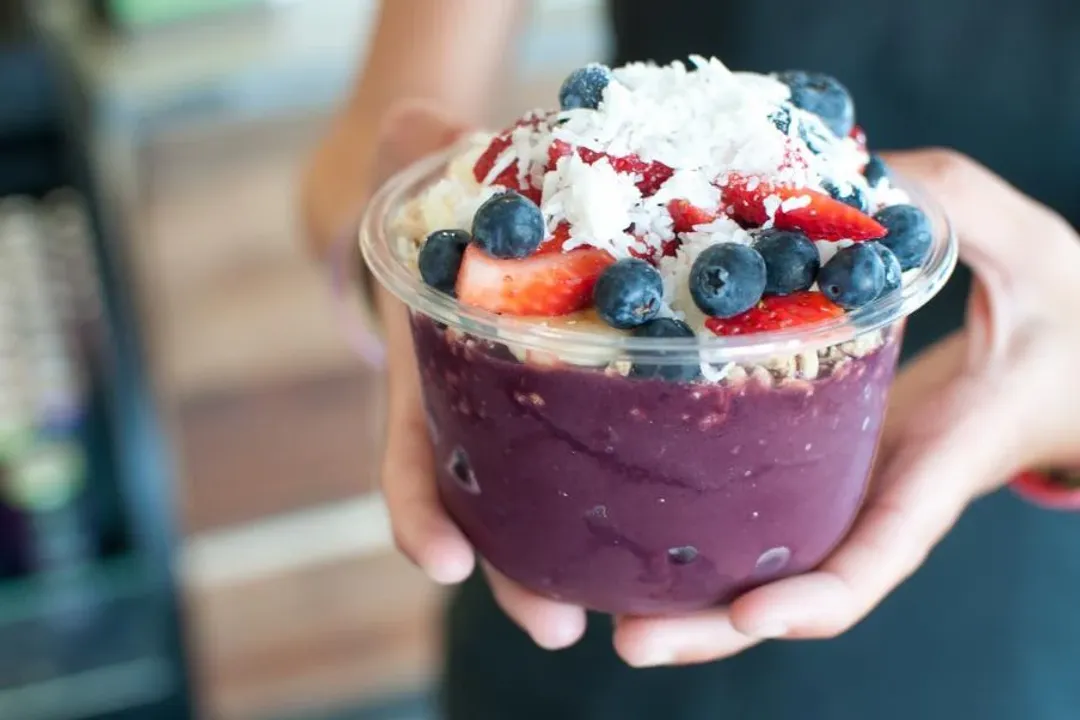
The intense, deep purple coloration of the Açaí fruit is a visual indicator of its extremely high antioxidant capacity. This color is derived from the presence of anthocyanins. Anthocyanins are a specific type of flavonoid that falls within the broader polyphenol group. This high concentration contributes significantly to studies showing Açaí surpasses other antioxidant-rich fruits, such as blueberries and cranberries, in overall antioxidant capacity.
Related Questions
How is the Açaí fruit, native to the Amazon rainforest, botanically classified despite visually resembling blueberries?What specific flavor notes characterize the distinct taste of the Açaí fruit?In terms of macronutrients, what characteristic distinguishes Açaí pulp when compared to many other fruits?Which healthy omegas (3, 6, and 9) are explicitly mentioned as constituting the notable fatty acid profile in Açaí fat, comparable to olive oil?What class of flavonoid, signaling the fruit's intense, deep purple hue, is responsible for Açaí's exceptionally high concentration of antioxidants?What specific unstable molecules do the antioxidants present in Açaí neutralize to prevent cellular damage through oxidation?Which compounds present in Açaí physically work in the digestive tract to block the body from absorbing cholesterol?Preclinical research suggests Açaí extracts demonstrate the ability to stimulate what natural cellular process for clearing out damaged cells in lab settings?Among the primary export formats (purée, powder, juice), which one tends to be the highest in natural sugars and lacks the beneficial fiber?What specific medical diagnostic procedure requires consumers to inform their healthcare provider about Açaí consumption due to potential interference with test results?