Health Benefits of Açaí

Açaí, pronounced ah-SI-ee, is a small, deep purple fruit native to the Amazon rainforest, where it has been a centuries-old staple for indigenous communities. [1][2][3] While visually resembling blueberries, botanically, it is classified as a drupe—a stone fruit—because a large seed, or pit, makes up the majority of its structure. [2][3] The taste itself is quite distinct, often described as an earthy blend combining elements of dark chocolate and berries, sometimes with a slight metallic note. [1][2] Because the fresh fruit spoils quickly, international markets primarily receive açaí as a frozen fruit purée, dried powder, or pressed juice. [1][2]
# Nutrient Density Profile
The designation of açaí as a "superfood" stems from its unique and dense nutritional composition, particularly for a fruit. [1][3] Unlike many other fruits, açaí pulp is somewhat high in fat and relatively low in sugar, a characteristic that contributes to its energy-dense nature. [2]
For instance, a serving of approximately 100 grams of frozen açaí pulp typically contains around 75 calories, a substantial 4 grams of fiber, about 1 gram of sugar, and about 6 grams of fat. [2][3] It also contains trace minerals such as manganese, copper, and chromium, alongside vitamins like A and C. [1][2]
Crucially, the fruit’s fat content is one of its distinguishing features, possessing a fatty acid profile that researchers have compared to that of olive oil, walnuts, and fish. [2] This concentration of healthy omegas (3, 6, and 9) is noteworthy, as this type of fat composition is generally associated with heart health, cognitive function, and maintaining healthy skin and hair, offering a nutritional advantage over many other fruits that are predominantly carbohydrate-based. [2] The high fiber content, contributing significantly to daily recommendations in a modest serving, supports gut health and satiety. [3]
# Antioxidant Powerhouse
The most recognized health benefit associated with açaí is its exceptionally high concentration of antioxidants. [2][3] The intense, deep purple hue of the fruit signals the presence of anthocyanins, a key type of flavonoid found within the polyphenol group. [1][3] Studies suggest that açaí possesses an antioxidant capacity that surpasses that of other well-known antioxidant-rich fruits, including cranberries and blueberries. [2]
Antioxidants are essential because they neutralize unstable molecules known as free radicals. [1] When free radicals are left unchecked, they cause cellular damage through oxidation, which experts theorize contributes to the development of chronic conditions like cancer, diabetes, and heart disease. [1][3]
Scientific investigation has consistently supported this function. For example, one clinical trial involving overweight and dyslipidemic individuals found that incorporating 200 grams of açaí daily for 60 days led to a measurable reduction in overall oxidative stress and improved inflammatory markers. [2] This anti-inflammatory potential is another major theme in the research, as inflammation is implicated in numerous chronic issues. [2][3] In various in vitro models, açaí extracts have been shown to downregulate pro-inflammatory signaling pathways and cytokines, such as NF-κB, TNF-α, and IL-6. [2]

# Systemic Health Support
Beyond general antioxidant defense, açaí constituents have been studied for targeted support across several major body systems, primarily through their anti-inflammatory and antioxidant actions, as observed in preclinical models. [2]
# Cardiovascular Function
Açaí appears to offer significant heart-protective benefits, largely attributed to its polyphenols and plant sterols. [1][3] Research suggests that açaí consumption may improve the overall cholesterol profile by decreasing total lipid levels. [2] Specifically, anthocyanins may positively influence both LDL ("bad") and HDL ("good") cholesterol levels. [1] Furthermore, the fruit contains phytosterols, compounds that work by physically blocking the body from absorbing cholesterol in the digestive tract. [2][3]
In animal models, açaí supplementation has been shown to attenuate adverse cardiac remodeling following myocardial infarction, prevent cardiac fibrosis and dysfunction, and improve endothelial function. [2] Its positive effect on the vascular system also includes antihypertensive potential, possibly by promoting vasodilation and improving the balance between constriction and dilation of blood vessels. [2]
# Brain and Cognitive Health
The brain is particularly vulnerable to damage from oxidative stress due to its high oxygen consumption and abundance of readily oxidizable substances. [2] Açaí’s rich profile of plant compounds is being investigated for its potential to protect brain cells as we age. [2]
Preclinical research points toward several promising neurological roles. Açaí extracts have demonstrated the ability to stimulate autophagy—the body’s natural "housekeeping" process for clearing out damaged cells—in lab settings. [2] Studies in animal models suggest potential for preventing Alzheimer’s disease, improving memory retention, and even mitigating symptoms related to vascular dementia. [2] Furthermore, in certain cell models, açaí extract has been shown to reverse inflammatory signaling in brain-related immune cells (microglia) and protect neurons against damage induced by oxidative insults. [2]
# Metabolic and Digestive Health
For those managing blood sugar or carrying extra weight, açaí shows some promise. One pilot study indicated that overweight participants who consumed açaí pulp for a month showed improved management of their blood sugar levels compared to baseline. [1] The fiber in açaí aids in overall gut health and contributes to satiety, which can assist in weight management by staving off hunger pangs. [3] Additionally, preclinical data has suggested that açaí seed extract may inhibit the process of adipogenesis (fat cell formation) and reduce lipid accumulation in fat cells in laboratory settings. [2]
# Anti-Cancer Potential
While no single food can serve as a shield against cancer, preclinical testing on various açaí components has revealed anti-neoplastic activity. [2] In mice studies, açaí pulp reduced the incidence of colon and bladder cancers. [1] In vitro research has further indicated that specific anthocyanin fractions from the fruit can inhibit the proliferation of various cancer cell lines, including colon adenocarcinoma cells, often by inducing processes like apoptosis (programmed cell death). [2] It is important to note that these findings are predominantly from laboratory or animal studies, and human clinical evidence remains limited in this area. [2]
# Maximizing Açaí's Health Impact: Preparation and Consumption
Since fresh açaí berries are not readily available outside South America due to their short shelf life, understanding how to consume processed forms is key to obtaining benefits. [2] The purée, powder, and juice represent the main export formats. [1]
- Juice: While easy to consume, the juice tends to be the highest in natural sugars and lacks the beneficial fiber found in other forms. [1][2] If filtered, it may also contain fewer antioxidants. [1]
- Powder: The dried powder offers the most concentrated source of nutrients, including fiber and plant compounds. [2]
- Purée: The frozen purée is often preferred for its flavor and is the primary ingredient in the popular açaí bowl or smoothie. [2]
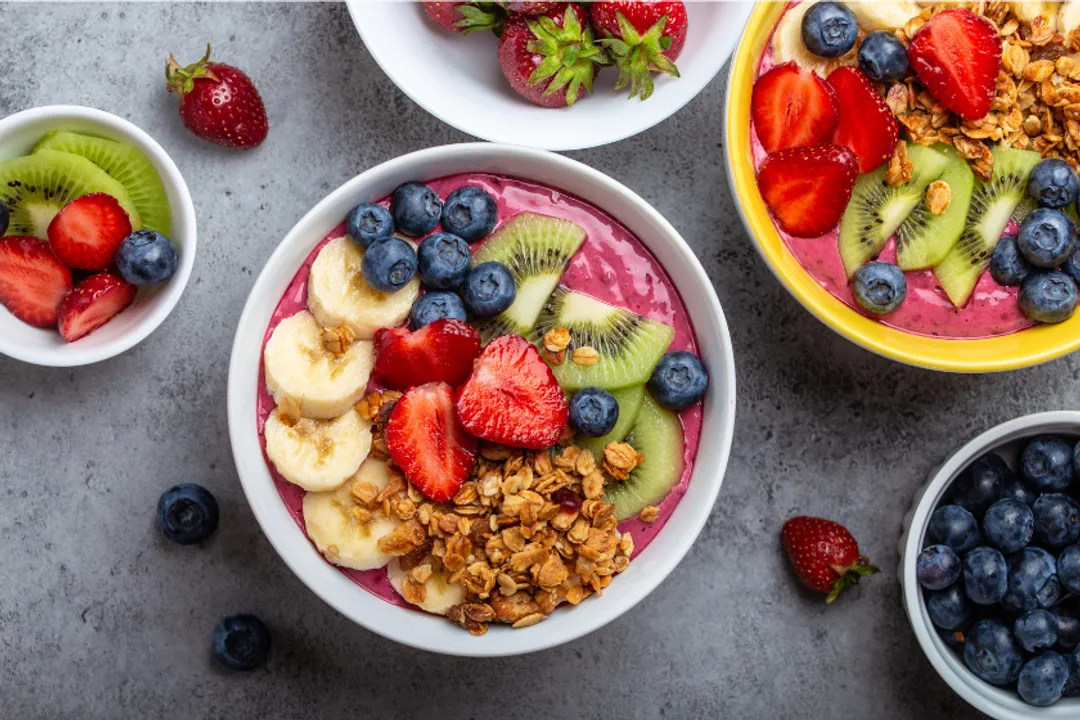
The common preparation method—the açaí bowl—is where preparation matters most to health outcomes. While the açaí base is packed with nutrients, the commercial toppings frequently turn a healthy base into a high-sugar dessert. [3] High intake of added sugar is known to negatively affect health by potentially increasing blood pressure, contributing to weight gain, and raising the risk for fatty liver disease. [3]
To ensure you are reaping the nutritional rewards rather than consuming excessive calories, be mindful of what you add. A truly beneficial bowl structure often involves balancing the açaí base with satisfying, nutritious additions. Consider increasing the base’s nutritional value by blending in protein sources like Greek yogurt or topping with healthy fats and fiber from ingredients like chia seeds, flaxseeds, or unsweetened nut butters. [3] While a small serving of granola or a drizzle of honey might enhance texture and flavor, making these bowls at home allows precise control over the sugar and calorie load, turning an occasional treat into a regular, nutrient-dense meal. Furthermore, some providers differentiate themselves by avoiding artificial syrups or using sorbet in the base; always confirm the base ingredients—a truly "healthy" bowl should primarily feature unsweetened açaí purée blended with whole fruit, like banana, for texture, rather than relying on pre-sweetened sorbets or added sweeteners for creaminess.
# Context, Safety, and Limitations
Although açaí is generally considered safe when consumed as a food in moderate amounts, consumers should be aware of a few important points regarding purity and potential interactions. [1]
First, the presence of added sugar in commercial purées or juices can negate some health advantages. [2] Second, there is no independent scientific support for marketing claims that açaí supplements alone promote rapid weight loss; claims such as these have previously led to regulatory action against some marketers. [1]
From a safety standpoint, individuals with pollen allergies should be cautious as açaí might exacerbate their symptoms. [1][3] Perhaps the most critical warning is that if you are scheduled for a gastrointestinal MRI, you must inform your healthcare provider, as consuming açaí may interfere with the test results. [1][3] Furthermore, always consult a doctor before starting açaí supplements, as they may interact with certain medications, including some pain relievers and cancer treatments. [1]
Finally, due to the complex nature of research—with studies using different parts of the plant (pulp, seed, oil), different extraction methods, and varying doses—it is difficult to establish definitive human dietary recommendations. [2] The scientific consensus is that while the preclinical evidence is very compelling, larger, well-defined clinical trials focused on direct human consumption across various forms are still needed to fully substantiate all the reported health claims. [2] Fundamentally, açaí is best viewed as a valuable, antioxidant-rich component within an otherwise varied and balanced diet. [1][3]
Related Questions
#Citations
5 Impressive Health Benefits of Acai Berries
4 Benefits of Acai Berries
Acai Berries and Berry Juice: Are There Health Benefits?
Food for Thought – Are Acai Bowls Healthy?
What is Acai? Health & Nutritional Benefits of Acai Berries
The Health Benefits of Acai Bowls (And Why Ours Are ...
Açaí (Euterpe oleracea Mart.) in Health and Disease: A Critical ...
What Actually is Açaí? What Are Its Health Benefits?
Acai berries: Health benefits, nutrition, diet, and risks