Health Benefits of Rutabaga
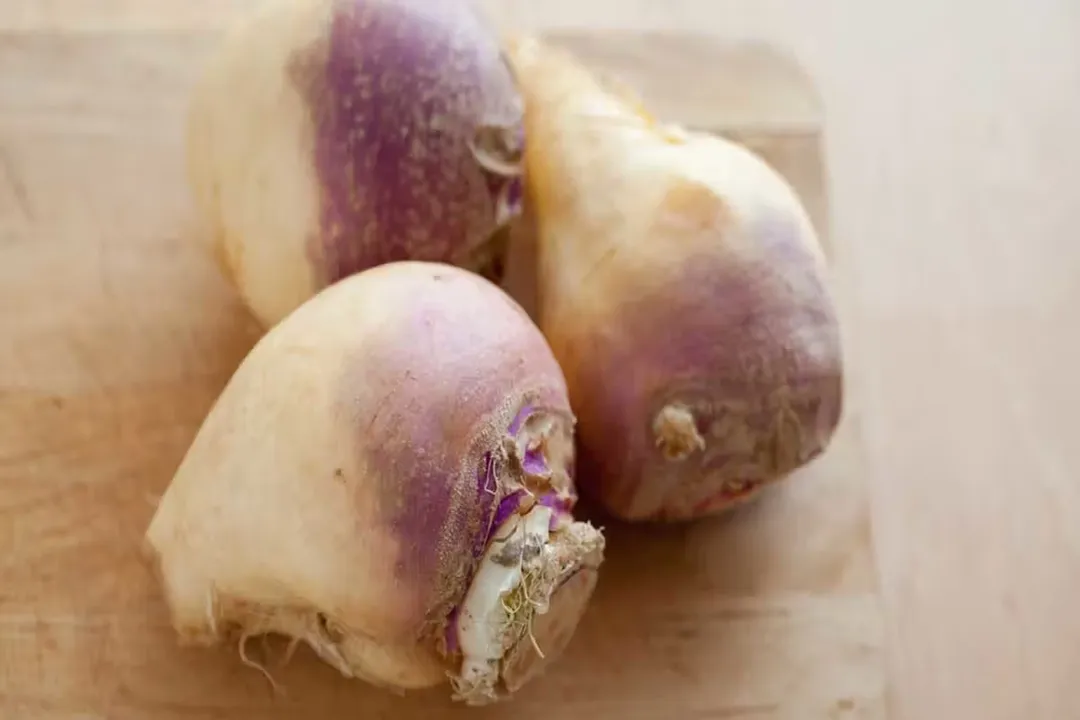
Rutabagas, sometimes known by the name swede or yellow turnip, are root vegetables that might seem unassuming in the produce aisle but pack a substantial nutritional punch. [1][7] They belong to the Brassicaceae family, making them relatives of familiar cruciferous vegetables like cabbage, broccoli, and turnips. [5] Visually, they are larger than turnips, often featuring a purplish hue on the skin where they meet the sun and yellowish or creamy white flesh inside. [1][7] This hardy nature means they store well, providing access to essential nutrients even outside the main growing season. [1] Their flavor profile is a pleasant mix, often described as slightly sweet with a hint of pepperiness, distinguishing them from the sharper taste of a standard turnip. [1][5]
# Vegetable Profile
The value of adding rutabaga to your regular diet stems directly from its concentration of vitamins and minerals relative to its calorie count. [4] While often overshadowed by sweeter, more popular root vegetables, rutabaga offers a superior nutrient profile in several key areas. [3]
For a sense of just how dense these roots are, consider a comparative snapshot of nutrients found in a cooked, boiled serving, which is a common preparation method: [1]
| Nutrient | Amount (Approximate per serving) | Primary Role |
|---|---|---|
| Calories | kcal | Energy source |
| Fiber | grams | Digestive health [1] |
| Vitamin C | DV | Antioxidant, Immunity [1][4] |
| Potassium | DV | Blood pressure support [4] |
| Manganese | DV | Metabolic functions [4] |
The significant level of Vitamin C alone sets rutabaga apart; one medium rutabaga can supply nearly the entire recommended daily intake. [1] While many people turn to citrus for this immune-boosting vitamin, consuming a serving of rutabaga can often provide more. [4] Furthermore, they are an excellent source of Vitamin B6 and provide considerable amounts of magnesium and phosphorus. [4] The root also contains carotenoids, such as beta-carotene, which the body converts to Vitamin A. [5]
# Digestive Support
One of the most consistently cited health advantages of consuming rutabaga relates to digestive health, primarily due to its fiber content. [1][4] Dietary fiber is critical, not just for maintaining bowel regularity, but also for overall gut function. [4]
Rutabagas are rich in soluble fiber, which dissolves in water to form a gel-like substance in the digestive tract. [4] This gel helps slow digestion, which can contribute to a feeling of fullness, aiding in appetite management. [4] In contrast, the insoluble fiber present in the root adds bulk to stool, promoting consistent, healthy bowel movements and helping to prevent constipation. [1][4]
An interesting aspect of this fiber is its role as a prebiotic. The indigestible components of the rutabaga travel to the colon where they serve as food for beneficial gut bacteria. [4] A thriving community of good bacteria supports overall health, potentially influencing everything from mood to immune response. When thinking about adding root vegetables for gut health, many default to carrots or sweet potatoes, but the substantial fiber load in rutabaga—often providing about 28% of the daily recommended intake in a single cup serving—makes it a powerful, yet often overlooked, contender for daily gut support. [1] If you are trying to transition away from highly refined grains toward whole-food fiber sources, swapping out a portion of mashed potatoes for mashed rutabaga is an easy substitution that significantly boosts fiber intake without dramatically altering the mouthfeel of the dish. [3]

# Immune Function
The body's defense mechanisms rely heavily on specific micronutrients, and Vitamin C stands out as a major contributor to immune function, a nutrient abundantly found in rutabagas. [4] Vitamin C is essential for stimulating the production of white blood cells, which are the body's primary defense against infections. [1] Beyond production, Vitamin C also helps these cells function more effectively and protects them from damage. [1]
The presence of glucosinolates also contributes to the protective qualities of this vegetable. [5] These sulfur-containing compounds are characteristic of cruciferous vegetables. [5] When the plant structure is broken down—either through chewing or in the digestive tract—glucosinolates are converted into biologically active compounds like isothiocyanates. [5] While research into these compounds is ongoing, they are known for their potent antioxidant and anti-inflammatory effects, which can help shield the body’s cells from oxidative stress that often accompanies illness or inflammation. [5]
# Heart Health Support
Maintaining cardiovascular wellness involves managing blood pressure and cholesterol levels, two areas where the mineral and fiber content of rutabaga can offer assistance. [4][5]
The potassium content is particularly relevant for heart health. [5] Potassium works as a counter-agent to sodium; higher intakes of potassium can help relax blood vessel walls, which aids in reducing elevated blood pressure—a major risk factor for stroke and heart disease. [5] While rutabaga is not the highest source of potassium available, the combination of potassium alongside its other micronutrients contributes positively to a balanced diet. [4]
Furthermore, the high fiber content, as mentioned earlier, plays a role in managing cholesterol. [4] Soluble fiber binds to cholesterol particles in the digestive system, preventing their absorption into the bloodstream and leading to their excretion from the body. [4] Over time, this action can contribute to healthier overall blood lipid profiles.
# Blood Sugar Impact
For individuals monitoring their carbohydrate intake or blood sugar levels, understanding how a starchy root vegetable affects glucose is important. [9] While rutabaga contains carbohydrates, its overall impact on blood sugar appears relatively favorable compared to some other root vegetables. [9]
The Glycemic Index (GI) is a measure of how quickly a food raises blood sugar levels after eating. [9] Rutabaga is often classified as having a GI around 70, which technically places it in the medium range. [9] However, this number must be viewed within the context of the preparation method and the food's overall matrix. [9] Because rutabaga is very high in fiber—a component that inherently slows down sugar absorption—its actual effect on blood glucose might be less pronounced than the raw GI number suggests, particularly when eaten as part of a balanced meal containing fats or proteins. [4]
It is worth noting that the GI value can change based on how the vegetable is cooked. Boiling, which is a common preparation, tends to increase the GI score of starchy vegetables compared to eating them raw or relying on roasting, which can caramelize sugars and slightly alter starch structure. [9] A practical tip for managing the impact is to always combine rutabaga dishes with sources of healthy fat or protein, such as incorporating it into a stew with lean meat or serving it alongside an avocado, which helps blunt the overall glycemic response of the meal. [3]
# Antioxidant Properties
Beyond the direct immune support from Vitamin C, rutabagas contain various phytochemicals that contribute to their status as an antioxidant-rich food. [5] The already mentioned glucosinolates are key players here, as their breakdown products help the body neutralize harmful free radicals. [5]
Another significant source of antioxidant power comes from the presence of carotenoids, such as beta-carotene, which gives the flesh its yellowish tint. [5] Beta-carotene is essential for eye health and supports overall cellular protection against oxidative stress. [5] Comparing rutabagas to white potatoes reveals that while both are starchy roots, rutabagas provide a far greater spectrum of these protective compounds. [3] This means that when you choose rutabaga, you are choosing a vegetable that offers direct nutritional fuel and long-term cellular defense mechanisms simultaneously. [5]
# Culinary Versatility
The practical application of rutabaga in the kitchen is another benefit, as it accommodates many different flavor profiles and cooking techniques. [1] Its firm texture holds up well to various methods. [1]
Common preparation methods include boiling, roasting, mashing, and adding it to soups or stews. [1][7]
- Mashing: This is perhaps the most traditional preparation, where it is often mashed alone or mixed with potatoes, butter, and seasonings. [1] Its slightly earthy sweetness complements root vegetable mashes nicely.
- Roasting: Cutting rutabaga into cubes, tossing with olive oil, salt, and herbs like rosemary or thyme, and roasting until tender and slightly caramelized enhances its natural sweetness and provides a textural contrast to softer vegetables. [1]
- Soups and Stews: Due to its ability to hold its shape better than softer roots, rutabaga can be diced and added to slow-cooked dishes, absorbing surrounding flavors while adding its own subtle dimension. [7]
When preparing rutabagas, remember that they are often coated with a thin layer of wax to help preserve them during storage. It is generally recommended to peel the vegetable thoroughly before cooking to remove this wax, although the nutritional value lies beneath this protective layer. [1][7] If you're seeking to integrate them more frequently, consider grating raw rutabaga into slaws for a crunchy texture, similar to how one might use cabbage, although it has a notably firmer bite. [7] This raw application preserves the maximum nutrient load, though it will be slightly sharper in flavor than cooked varieties.
# Micronutrient Breakdown
A deeper dive into the micronutrient density shows how effectively rutabagas deliver essential compounds needed for daily bodily functions. [4]
The Vitamin C content, which is high, plays a role in collagen synthesis—vital for skin, cartilage, and blood vessel integrity—in addition to its immune functions. [1][4] Furthermore, rutabagas are a notable source of Vitamin K, which is crucial for proper blood clotting and bone health. [4]
In the mineral department, beyond potassium, they supply significant amounts of manganese, which is involved in enzyme activation, bone formation, and nutrient metabolism. [4] They also contribute magnesium, necessary for hundreds of biochemical reactions in the body, including muscle and nerve function. [4] This combination of vitamins and minerals suggests that rutabaga is more than just a source of carbohydrates; it's a multi-tasking provider of micronutrients that support systemic health. [5] While some might associate cruciferous vegetables only with their leafy greens, accessing these same beneficial compounds via a hearty root vegetable offers excellent dietary variety. [5]
Related Questions
#Citations
7 Health and Nutrition Benefits of Rutabagas
Rutabaga: What It Is and Its Health Benefits
Rutabaga: 3 Benefits, Nutrition, and Risks
Rutabaga 101: Health Benefits, Nutrition, and Easy Recipes
Rutabagas: Health benefits, nutrition, FAQs, and more
Health Benefits of Rutabaga
The Amazing Health Benefits Of Eating Rutabaga
Rutabaga Nutrition Benefits Immunity, Digestion & More
Rutabaga Glycemic Index: Nutritional Facts - Signos