Health Benefits of Peanut
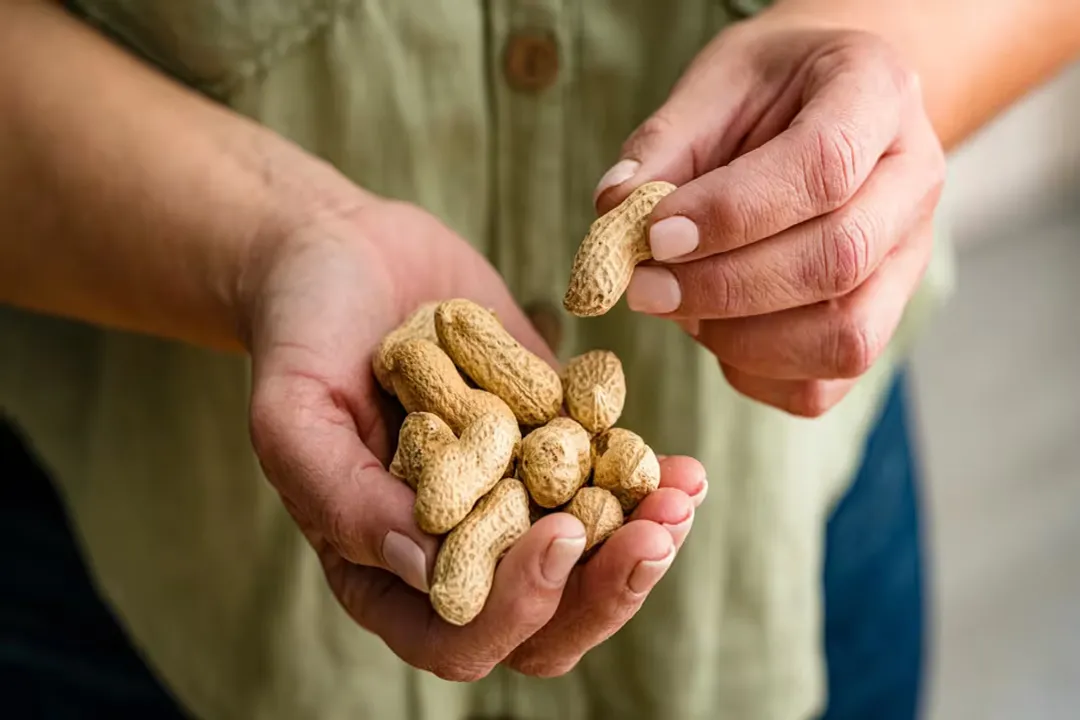
Peanuts, often mistakenly grouped with tree nuts, are botanically fascinating—they are the edible seeds of a legume, Arachis hypogaea, sharing ancestry with peas, lentils, and soybeans. Despite their underground growth habit, they are commercially treated like oilseeds due to their substantial fat content. Across the globe, peanuts are consumed in diverse forms, ranging from simple roasted snacks to processed products like peanut butter, which accounts for the majority of U.S. consumption. Whether you enjoy them salted, roasted, boiled, or as a smooth spread, integrating this legume into your routine can bring a remarkable spectrum of health advantages, largely thanks to an exceptional nutrient package that includes high-quality fats, plant-based protein, and numerous bioactive compounds.
# Macronutrient Density
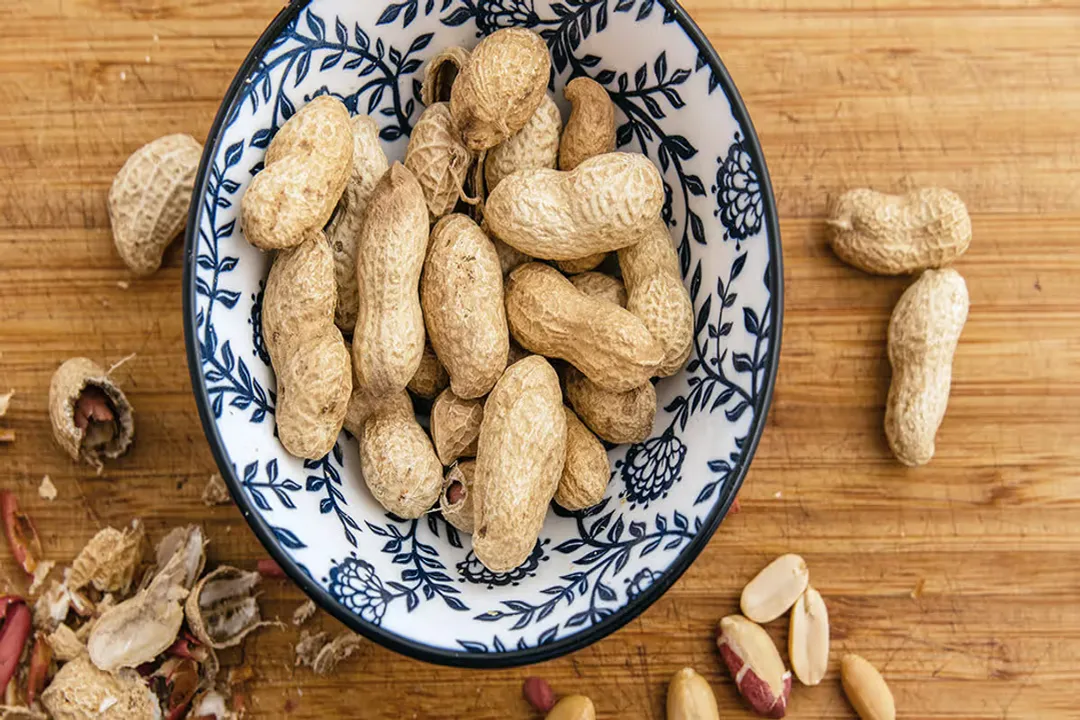
The foundational benefit of peanuts lies in their robust nutritional composition. They stand out as an excellent source of plant-based protein, often boasting more than any other nut, with content around 25.8 grams per 100 grams, translating to about 7 to 8 grams per one-ounce serving. This protein content is nutritionally equivalent to meat and eggs when considering the Protein Digestibility Corrected Amino Acid Score (PDCAAS), which for peanuts is estimated at 0.70. Peanuts provide all 20 essential amino acids, holding the highest amount of arginine among foods.
However, peanuts are also energy-dense, largely because they are high in fat, making up about 49% of their weight. A standard one-ounce serving contains approximately 15 grams of fat. Importantly, this fat profile is predominantly beneficial. The majority consists of monounsaturated fatty acids (MUFAs), primarily oleic acid, alongside significant levels of polyunsaturated fatty acids (PUFAs). This heart-friendly combination is why nutritionists advocate for their consumption. Furthermore, peanuts are naturally cholesterol-free and contain virtually no trans fat.
Balancing these energy-providing components is a significant amount of fiber, around 8.5 grams per 100 grams, with the majority being insoluble fiber. This combination of protein, fat, and fiber contributes to their low Glycemic Index (GI) of 14, meaning they introduce carbohydrates slowly, preventing rapid blood sugar spikes. This slow-release energy makes them a preferred snack compared to high-glycemic options like rice cakes.
It is worth noting that while peanuts are technically legumes, their high fat content places them closer nutritionally to tree nuts than to beans or lentils, differing significantly from lower-fat legumes.
# Micronutrient Array
Beyond the major building blocks, peanuts are packed with an array of essential vitamins and minerals that contribute to overall well-being. A 100-gram serving is capable of supplying a significant portion of the Recommended Daily Allowance (RDA) for several key micronutrients.
For instance, they are a superior source of the B-vitamin Niacin (Vitamin B3), potentially meeting up to 75% of the RDA. Niacin is vital for nerve function, skin health, digestive system function, and the conversion of food into energy, and it has been studied for its role in protecting against cognitive decline. Peanuts also offer substantial Folate (Vitamin B9), necessary for cell division and maintenance, which is especially critical during pregnancy and infancy.
Vitamin E, a powerful antioxidant, is also present in high concentrations, providing over 55% of the RDA in a 100g serving. Crucially, evidence suggests that the cognitive benefits associated with Vitamin E regarding Alzheimer’s disease prevention are linked to dietary intake, not supplementation.
Mineral contributions are also noteworthy:
- Magnesium: A crucial mineral for hundreds of bodily processes, including protein production, muscle function, and regulating blood pressure. Higher magnesium intake is often associated with reduced inflammation.
- Manganese and Copper: Peanuts are exceptionally high in these trace minerals, with copper meeting over 127% of the RDA in 100g and manganese reaching 84%. Copper supports healthy blood vessels and red blood cell formation.
- Phosphorus and Iron: Both minerals are well-represented, supporting bone formation, cell growth, and overall body functioning.
This dense collection of micronutrients makes peanuts a nutrient-dense food, capable of improving nutritional status, particularly for developing individuals or those needing critical nutrients for metabolism and immunity.

# Bioactive Compounds
What truly elevates peanuts into the category of a functional food are the unique plant compounds they harbor. These elements are recognized for having disease-preventive properties, acting as antioxidants, or potentially promoting longevity.
# Polyphenols and Antioxidants
Peanuts possess a remarkable antioxidant capacity, which some research suggests surpasses that of well-known sources like green tea and red wine. These beneficial compounds are concentrated not just in the kernel but particularly in the thin, papery peanut skin. The skin contains a high concentration of phenolic acids, with p-coumaric acid boosting overall antioxidant content significantly.
One of the most studied bioactive components is Resveratrol, the same polyphenol famed for its presence in red wine. Peanuts are an excellent source, and this compound is fat-soluble, present in all parts of the plant, including the roots and shells. Resveratrol is investigated for its protective functions against heart disease, certain cancers, and neurodegenerative diseases like Alzheimer's. It is believed to improve blood flow, potentially reducing stroke risk.
Another significant group involves Phytosterols (plant sterols and stanols), which structurally mimic the body's cholesterol. When consumed, phytosterols compete with dietary cholesterol for absorption in the digestive system, thereby blocking it and helping to lower LDL or "bad" cholesterol levels. Emerging data also links phytosterols to reduced inflammation and potentially inhibiting the growth of several cancer types.
Furthermore, peanuts contain Isoflavones, such as biochanin A and genistein. Interestingly, studies suggest that the processing method matters; for instance, boiling peanuts can significantly increase the concentration of these isoflavone antioxidants—sometimes two to four-fold compared to other preparations.
A practical consideration when looking to maximize these benefits is the form of the peanut. As the peanut skin holds a large percentage of these potent antioxidants, consuming unblanched peanuts—or even taking the extra step of boiling fresh, skin-on peanuts—will deliver a greater dose of these beneficial polyphenols than eating blanched kernels alone.
# Cardiovascular Support
The combined effects of the healthy fat profile and the bioactive compounds position peanuts as a strong ally for heart health. They are repeatedly linked to a reduced risk of cardiovascular disease (CVD) in population studies.
The mechanism is multi-faceted:
- Cholesterol Management: The high content of MUFAs and plant sterols actively works to lower total and LDL cholesterol while maintaining beneficial HDL cholesterol levels. This effect is comparable to diets incorporating olive oil.
- Blood Pressure: The presence of magnesium, potassium, fiber, and arginine may contribute to lowering blood pressure, a key factor in reducing the risk of heart disease and stroke.
- Inflammation Control: Inflammation is a recognized predictor of CVD risk. Peanuts, due to their unsaturated fats, antioxidants, magnesium, and fiber, have been shown to reduce inflammatory markers in the blood, such as C-reactive protein (CRP).
Observational research consistently shows that people who regularly consume small amounts of peanuts daily experience a reduced risk of heart disease across all age groups and genders, even those with pre-existing risk factors like diabetes.
# Appetite Control
Despite being energy-dense, peanuts are strongly associated with weight management rather than weight gain, even when incorporated into the diet daily. This counterintuitive finding is largely attributed to their remarkable ability to increase satiety—the feeling of fullness. The synergy of high protein, fiber, and healthy fats helps suppress appetite more effectively than consuming carbohydrate-heavy snacks like rice cakes in equal calorie amounts.
This feeling of satisfaction can lead to a natural, chronic ingestion compensation effect, meaning individuals tend to eat less of other foods throughout the day. In one study, when women replaced other fat sources in a low-fat diet with peanuts, they lost weight despite being instructed to maintain their starting weight. Another factor contributing to this effect is that whole peanuts may not be fully absorbed if they are not chewed thoroughly, allowing some of the caloric content to pass through undigested. This makes them a valuable addition for those aiming for a healthy weight or managing obesity risk.
# Blood Sugar Stability
For individuals concerned with blood sugar regulation, peanuts offer a significant advantage because they are naturally low in carbohydrates and possess a low Glycemic Load (GL). This composition ensures that consuming them does not cause the sharp, immediate spike in blood sugar levels seen with high-GI foods.
Regular daily consumption has been associated with a lowered risk of developing Type 2 Diabetes. While peanuts may not lower existing blood sugar directly, their nutritional makeup—rich in fiber, protein, healthy oils, magnesium, and arginine—helps the body use insulin more effectively over the long term, promoting better insulin sensitivity. For those already managing diabetes, they fit well into a low-carb snacking strategy.
As an interesting side note derived from their mineral and fiber content, adequate magnesium intake, which peanuts supply well, is linked to a decreased risk of metabolic syndrome and Type II diabetes.

# Brain Organ Health
The protective properties of peanuts extend to the brain. Their high content of Niacin and Vitamin E is specifically noted for its potential role in safeguarding against Alzheimer's disease and age-related cognitive decline. One analysis indicated that older adults whose Vitamin E intake came from food sources, such as peanuts, showed a significantly reduced incidence of Alzheimer's disease compared to those who relied on supplements. Furthermore, resveratrol, a known compound in peanuts, has been recognized for its potential benefit in mitigating nerve degeneration diseases.
The structural components within the peanut may also support other vital organs. Frequent peanut eaters have shown a reduced risk of developing gallbladder disease or needing gallbladder surgery. Since gallstones are often cholesterol-based, the known cholesterol-lowering capability of peanuts is a likely contributing factor to this benefit.
# Consumption Caveats
While the health case for peanuts is strong, they are not without potential risks, which require careful consideration for safe enjoyment.
# Allergy Danger
The most significant risk is peanut allergy, which is one of the most common and potentially severe food allergies in the U.S.. The immune system mistakenly targets peanut proteins—primarily the globulins like arachin and conarachin—as harmful invaders. Reactions range from hives and swelling to life-threatening anaphylaxis. Anyone diagnosed with this allergy must strictly avoid all peanut products.
# Food Safety Concerns
Peanuts can occasionally become contaminated with aflatoxins, which are highly toxic and carcinogenic secondary metabolites produced by the mold Aspergillus flavus. This fungal growth is often triggered by warm, humid storage conditions. Aflatoxin poisoning can lead to liver problems, including liver failure and cancer. To minimize this risk, consumers should look for peanuts that have been properly dried after harvest and stored at low temperatures and humidity. It is also prudent to check food safety recalls for peanut products.
# Processing Choices
While plain peanuts offer the most nutritional bang, the way they are prepared changes their profile. Salted, coated, or heavily processed peanut products can negate heart health benefits due to added sodium and sugar. For example, some commercial peanut butters can be high in both added salt and sugar, making no-sugar, low-salt natural varieties the healthier choice.
Finally, because they are high in calories, moderation is essential. The generally recommended serving size is about one ounce per day, or roughly 28 shelled peanuts, to reap the benefits without overconsuming calories. Eating beyond this amount, even without an allergy, might lead to uncomfortable digestive symptoms. Furthermore, the presence of phytic acid in legumes can slightly impair the absorption of minerals like iron and zinc when eaten in the same sitting. To counter this, try balancing your daily peanut serving with a food rich in Vitamin C, such as a squeeze of lemon juice over your snack or eating them alongside fresh fruit, which can naturally boost mineral bioavailability. This simple pairing adjustment can optimize the nutritional intake from your daily portion.
Related Questions
#Citations
Nutrition Facts and Health Benefits of Peanuts - WebMD
Peanuts 101: Nutrition Facts and Health Benefits - Healthline
Peanuts as functional food: a review - PMC - NIH
The Healthy Perks of Peanut Butter | Denver Health Medical Plan
What is the benefit of eating peanuts every day?
4 Reasons Peanuts Are Good for You - Health Cleveland Clinic
Healthy Nuts | Peanut Health Benefits - FERIDIES
Are peanuts good for you? - BHF