Health Benefits of Jalapeño
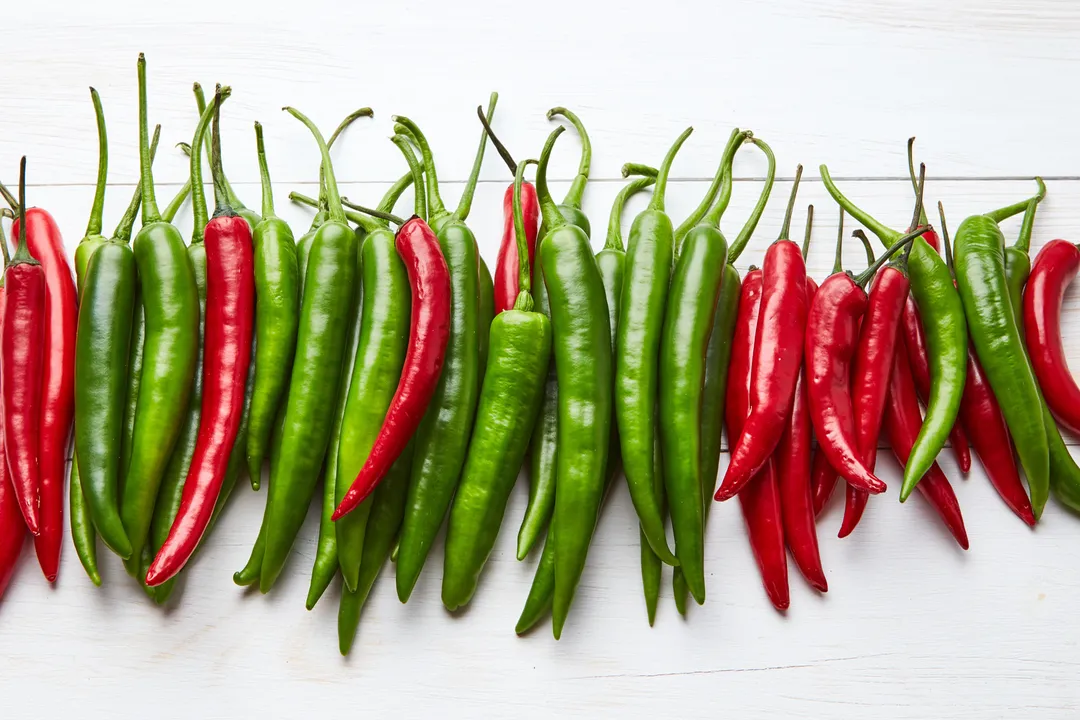
Jalapeño peppers, often recognized primarily for the moderate fire they bring to dishes, pack a surprising array of beneficial compounds that contribute positively to overall wellness. Far from just being a flavor enhancer, this vibrant green (or red) chili offers specific nutrients and active ingredients that researchers have linked to several health advantages, making them a worthy addition to a regular diet. [1][5] Despite their relatively low position on the Scoville scale compared to their hotter cousins, the concentration of these beneficial elements is quite notable. [3]
# Capsaicin Power
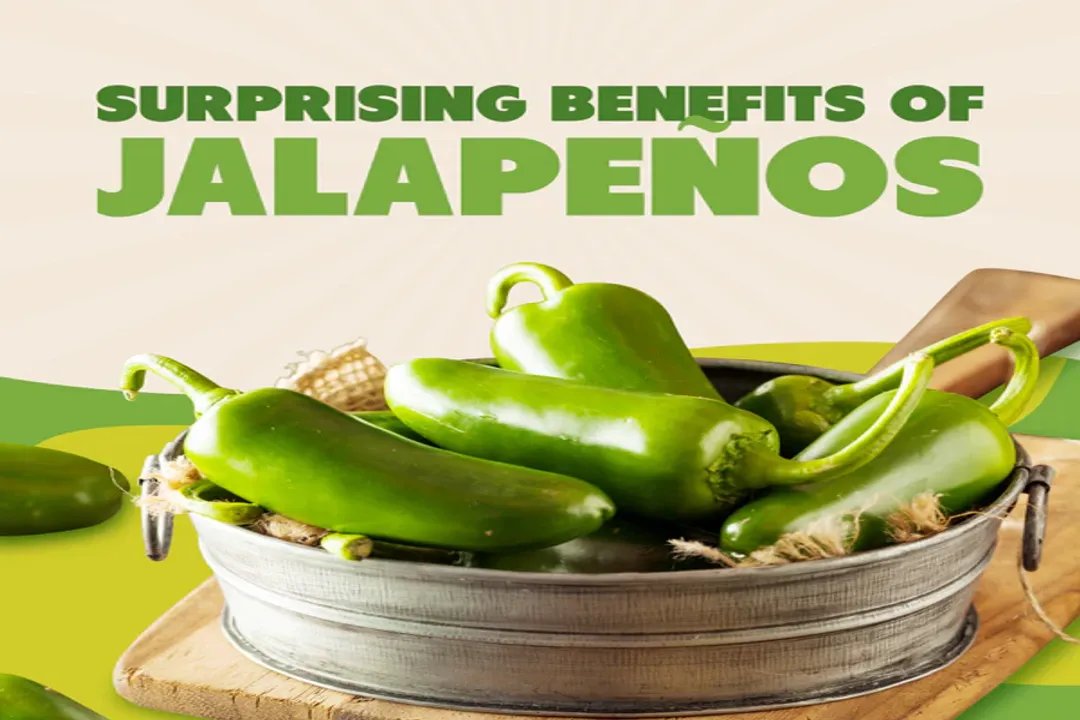
The characteristic warmth, or heat, emanating from a jalapeño is due to a potent compound called capsaicin. [1][6] This chemical is the star player in many of the pepper’s documented health properties. [4][6] Capsaicin is recognized for its strong antioxidant characteristics, which are vital in combating damaging free radicals within the body. [4]
One of the most frequently discussed attributes of capsaicin relates to its interaction with pain receptors. When consumed or applied topically, capsaicin can initially cause a burning sensation, but over time, it has been shown to desensitize the nerves that transmit pain signals. [1][4] This mechanism is why capsaicin is a common ingredient in topical creams designed to temporarily soothe certain types of chronic discomfort, such as arthritis or neuropathy. [6]
It is helpful to place the jalapeño’s heat into context. While the Scoville Heat Unit (SHU) scale measures pungency, the jalapeño typically registers between 2,000 and 8,000 SHU. [1][3] To illustrate, this places them significantly milder than a common cayenne pepper (which can exceed 50,000 SHU), making the jalapeño an accessible source of capsaicin for people who prefer a manageable level of spice in their meals. [3] Including peppers in the lower to mid-range of the scale, like the jalapeño, allows for consistent dietary intake of capsaicin without risking gastric distress that hotter varieties might induce.
# Key Nutrients

Beyond the single active component, jalapeños deliver a respectable package of essential vitamins and minerals, especially considering their low caloric density. [1][5] A single serving provides significant doses of compounds the body needs for various functions. [4]
Vitamin C stands out as a major contribution from the jalapeño. This vitamin is well-known for its importance to the immune system and its function as an antioxidant. [1][4] Furthermore, they are a strong source of Vitamin A in the form of beta-carotene, which is crucial for eye health and vision maintenance. [1][4]
Other vitamins present in meaningful amounts include:
- Vitamin B6: Essential for numerous metabolic processes. [1]
- Vitamin K: Important for proper blood clotting and bone health. [1]
- Folate: Necessary for cell division and DNA formation. [4]
They also offer dietary fiber, which supports digestive regularity. [1][5] Considering that a jalapeño pepper is generally low in calories—often cited as around 4 calories per pepper—the nutritional density, or the amount of nutrients relative to the calorie count, is quite favorable. [4]

# Weight Management
The compounds found in chili peppers, particularly capsaicin, have been investigated for their potential effects on body weight regulation. [1][5] This benefit primarily stems from two distinct, yet related, mechanisms: metabolic stimulation and appetite control. [5]
Capsaicin appears to encourage the body to increase its metabolic rate, meaning it can slightly enhance the rate at which the body burns calories for energy. [1][5] While this effect is generally mild, consistent consumption may contribute modestly to overall energy expenditure. [5]
Equally interesting is the pepper’s purported effect on satiety. Some studies suggest that including capsaicin in meals can lead to a reduction in overall calorie intake later in the day because it may help suppress appetite. [5] If you find that adding a few slices of jalapeño to your lunch helps you feel satisfied sooner, this appetite-modulating effect might be the reason at work. [5] It is important to note that while peppers can be a helpful tool in a weight management plan, they are not a standalone solution; their impact is best realized when combined with regular exercise and a balanced diet. [1]
# Stomach Health
The notion that spicy foods irritate the stomach is a common misconception, especially when discussing peppers like the jalapeño in moderation. [4] In fact, capsaicin may offer protective benefits for the digestive tract. [1][4]
Capsaicin is thought to help protect the stomach lining by encouraging the production of a protective mucus layer. [1] This increased barrier can help defend the stomach against the corrosive effects of stomach acid. [4] Furthermore, jalapeños have demonstrated antimicrobial properties, suggesting they might assist in inhibiting the growth of certain bacteria that can cause digestive tract infections. [1] This dual action—protection against acid and fighting off microbes—positions the jalapeño as surprisingly supportive of gastric health. [1][4]
When preparing jalapeños for culinary enjoyment, remember that the seeds and the white pith (the membrane holding the seeds) contain the highest concentration of capsaicin, which is what provides the heat and most of the associated benefits. [3] If you are seeking the health advantages but find the typical heat level slightly challenging, one effective method is to simply remove most of the seeds and pith before chopping, allowing you to incorporate the pepper flesh while moderating the intensity. This practice allows for easier, more frequent incorporation into meals like salsas or sautés.
# Cardiovascular Support
The anti-inflammatory and antioxidant roles of capsaicin extend their protective reach to the cardiovascular system. [4] By reducing overall inflammation and oxidative stress, capsaicin can indirectly support heart health. [4]
Research indicates that the compounds within these peppers may contribute to healthier lipid profiles. [4] Specifically, there is evidence suggesting that regular consumption of chili peppers like jalapeños might help in reducing levels of LDL (often termed "bad") cholesterol. [1] Additionally, some benefits have been linked to supporting healthy blood pressure levels. [4] While whole foods can offer preventative support, anyone managing significant cardiovascular conditions should continue to follow their physician's prescribed treatment plans rather than relying solely on dietary additions. [1]
# Anti-Inflammatory Effects
Inflammation is a natural response, but chronic, low-grade inflammation underlies many modern ailments. The powerful antioxidant nature of capsaicin positions jalapeños as a potential dietary aid against chronic inflammatory states. [4]
Because capsaicin acts as a natural anti-inflammatory agent, incorporating these peppers into your diet may help modulate the body's inflammatory response. [6] This general benefit ties back to the compound’s ability to scavenge free radicals, which are known culprits in promoting cellular damage and subsequent inflammation. [4] By managing oxidative stress through diet, individuals can support healthier tissues throughout the body.

# Flavor Integration and Safety
Successfully integrating jalapeños into your daily cooking requires a bit of practical knowledge regarding their handling and preparation. [7] Because the oils carrying the capsaicin are easily transferred, proper technique is important for comfort and safety.
When chopping fresh jalapeños, particularly if you plan to use several, it is wise to wear gloves. [7] The oils can easily transfer from your hands to sensitive areas, like the eyes, causing significant, though temporary, burning sensations. [7] A simple procedural step before even slicing is to wash the exterior of the pepper thoroughly, as pesticides or surface residues should be removed before consumption. [7]
For maximizing the intake of beneficial compounds, consider how you prepare them. Roasting, grilling, or pickling the peppers all retain a substantial amount of the beneficial vitamins and capsaicinoids, though prolonged boiling may cause some water-soluble vitamins like Vitamin C to leach into the cooking liquid. [1] If you are making a soup or stew, adding the peppers near the end of the cooking process helps preserve more of the heat-sensitive nutrients. Furthermore, enjoying jalapeños alongside other nutrient-dense foods, such as pairing them in a salsa with tomatoes (rich in lycopene) and onions, creates a synergistic effect, where the combination offers more overall benefit than the individual ingredients alone.
# Summary of Benefits
The contribution of the jalapeño to a healthy diet is multifaceted, moving well beyond simple spice. They offer tangible nutritional value through Vitamins A and C, essential metabolic support via capsaicin's thermogenic effects, and potential protective benefits for the stomach and heart. [1][4][5]
When looking at the entire spectrum of benefits, the jalapeño functions as a low-calorie source of antioxidant activity that supports several bodily systems simultaneously. [4] While no single food can cure disease, utilizing the jalapeño as a regular, flavorful component of a balanced eating pattern provides a practical way to ingest compounds associated with longevity and reduced inflammation. [6] The key lies in moderation, balancing the enjoyable heat with the pepper's substantial internal goodness. [3]
#Videos
Facts About Jalapenos - YouTube
Related Questions
#Citations
7 Surprising Health Benefits of Jalapeños - Healthline
Health Benefits of Jalapeños - WebMD
[PDF] Health Benefits of Jalapenos
Is Eating Jalapeño Peppers Good for You? - Silva International
Are Jalapeños Good for You? 7 Health Benefits of Jalapeños
The Health Benefits of Jalapeños - Chilli No. 5 - The Sauce of Life
Facts About Jalapenos - YouTube
The Health Benefits of Jalapeños - Hungry Howie's
Spice Up Your Health: The Surprising Benefits of Jalapeno Peppers