Health Benefits of Butternut Squash
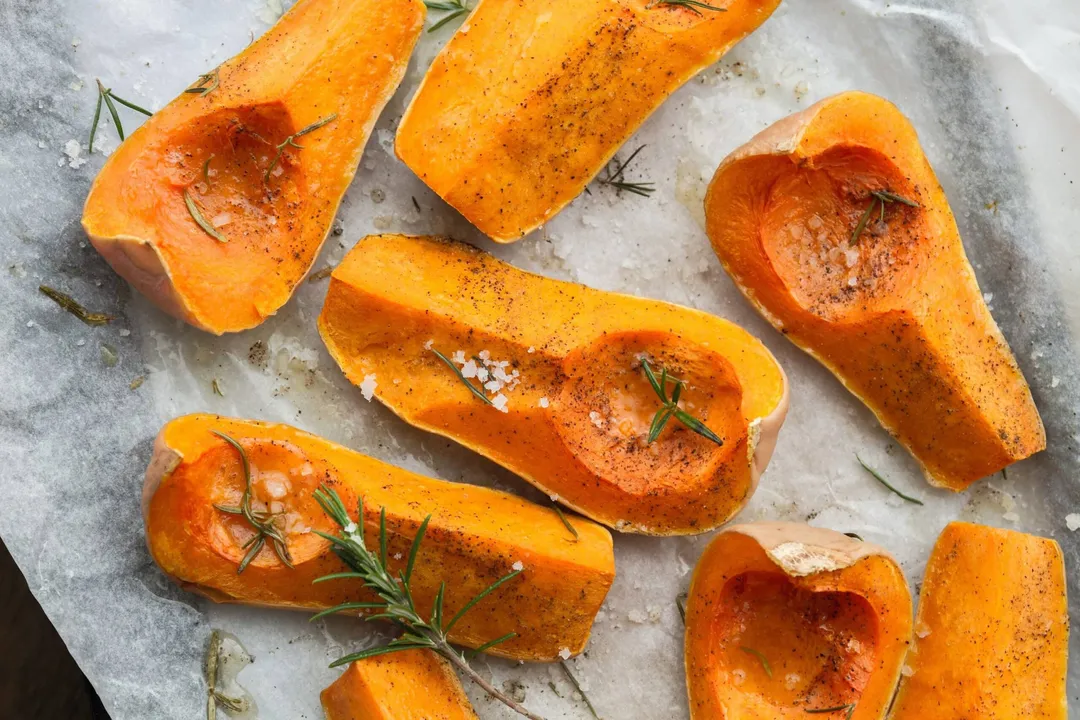
When you see butternut squash sitting proudly in the produce aisle, perhaps waiting for its turn in a soup pot or as a side dish for a holiday meal, you are looking at far more than just a festive garnish. This particular variety of winter squash brings a wealth of nutritional advantages to the table, making it a staple worth integrating year-round, not just when the leaves change color. [4][9] It offers a naturally sweet flavor profile that pairs well with both savory and sweet applications, all while delivering significant doses of essential vitamins and minerals. [8]
# Vitamin Powerhouse
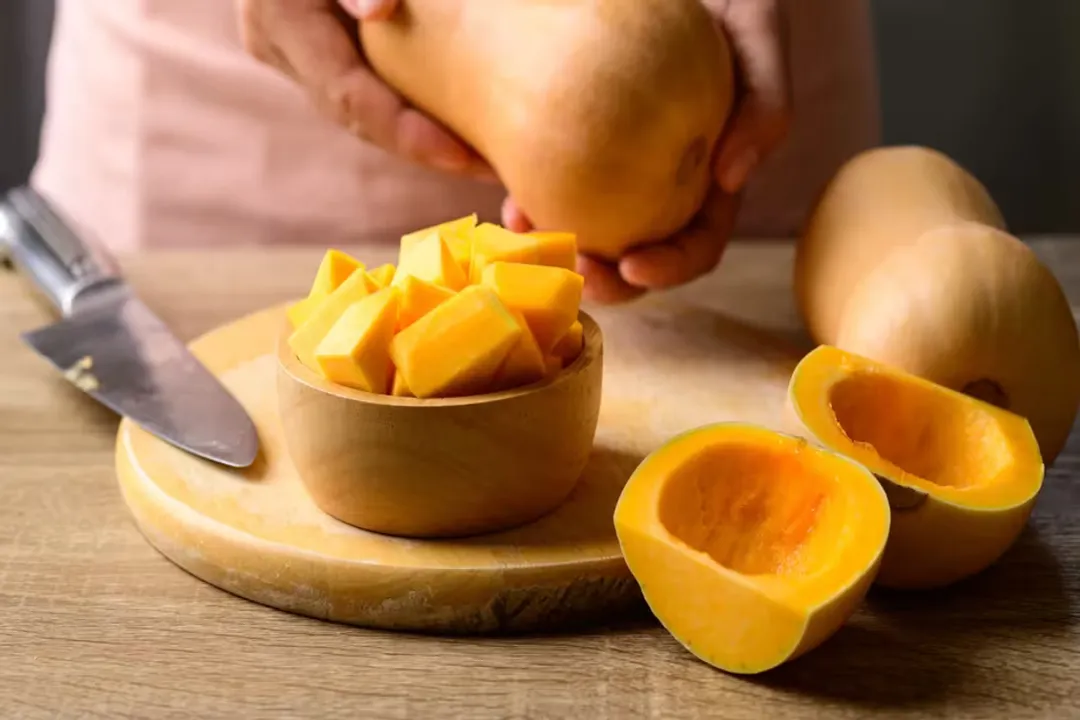
The most immediately recognized benefit of butternut squash relates to its vibrant orange flesh, which signals a massive concentration of beta-carotene. [10] This powerful compound is what gives the squash its distinct color, and once consumed, the body converts it into Vitamin A. [1][2] Vitamin A is vital for maintaining healthy vision, supporting robust immune function, and ensuring proper cell growth throughout the body. [1][3] It is worth noting that butternut squash can provide well over the recommended daily intake of Vitamin A in a single serving. [2]
But the vitamin collection doesn't stop there. Butternut squash is also a respectable source of Vitamin C, an antioxidant known for supporting the immune system and aiding in collagen production for skin health. [1][5] Furthermore, it contains Vitamin E, which offers protection against cellular damage, and several B vitamins, including folate (Vitamin B9). [2][5]
One interesting consideration when preparing this vegetable involves heat. While roasting or baking deepens the flavor significantly, the method you choose can impact the final nutritional profile. For instance, while most minerals hold up well to heat, some of the water-soluble vitamins, like Vitamin C, might decrease slightly when the squash is boiled versus when it is simply steamed or lightly roasted. [1][9] If your primary goal is maximizing every last milligram of Vitamin C, quick steaming might be marginally better than long boiling or heavy pureeing methods where water loss is significant.
# Gut Health
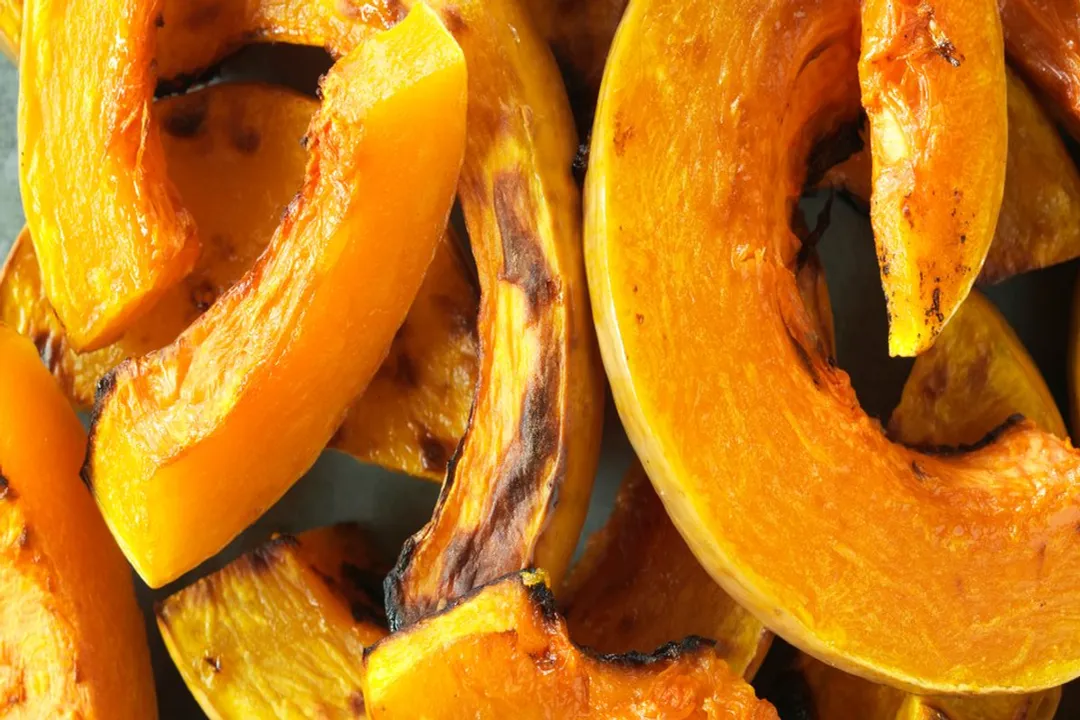
For anyone focused on digestive regularity or achieving a feeling of lasting fullness, the fiber content in butternut squash is a major selling point. [3] A single cup of cooked squash can provide a substantial portion of your daily required fiber intake. [2][6] This dietary fiber is crucial because it adds bulk to stool, which helps keep things moving smoothly through the digestive tract, preventing common issues like constipation. [5]
Beyond mechanical regularity, fiber plays a key role in nourishing the beneficial bacteria residing in your gut microbiome. [9] A healthy gut flora supports overall well-being, and the presence of both soluble and insoluble fiber in squash contributes to this environment. [9] The high fiber content also contributes significantly to feelings of satiety, meaning you feel full for longer after eating it. [2][5] This characteristic is highly beneficial when trying to manage overall caloric intake throughout the day.

# Blood Pressure
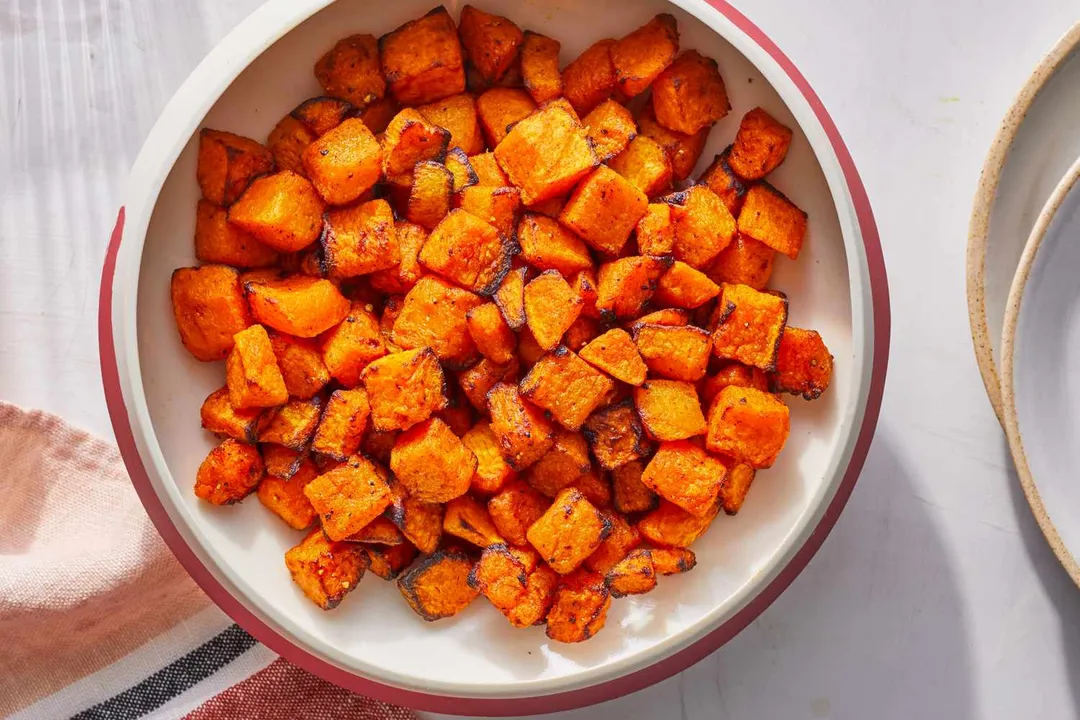
When discussing minerals essential for cardiovascular function, potassium usually takes center stage, and butternut squash delivers a solid amount. [2][3] Potassium functions as an electrolyte that helps balance the negative effects of excess sodium in the diet. [1] By encouraging the kidneys to excrete more sodium via urine, adequate potassium intake can help relax the walls of blood vessels, thereby supporting healthier blood pressure levels. [2][5] For many people whose diets trend high in processed foods, consciously adding potassium-rich vegetables like this squash is a simple dietary adjustment to promote better circulatory health.
# Eye Care
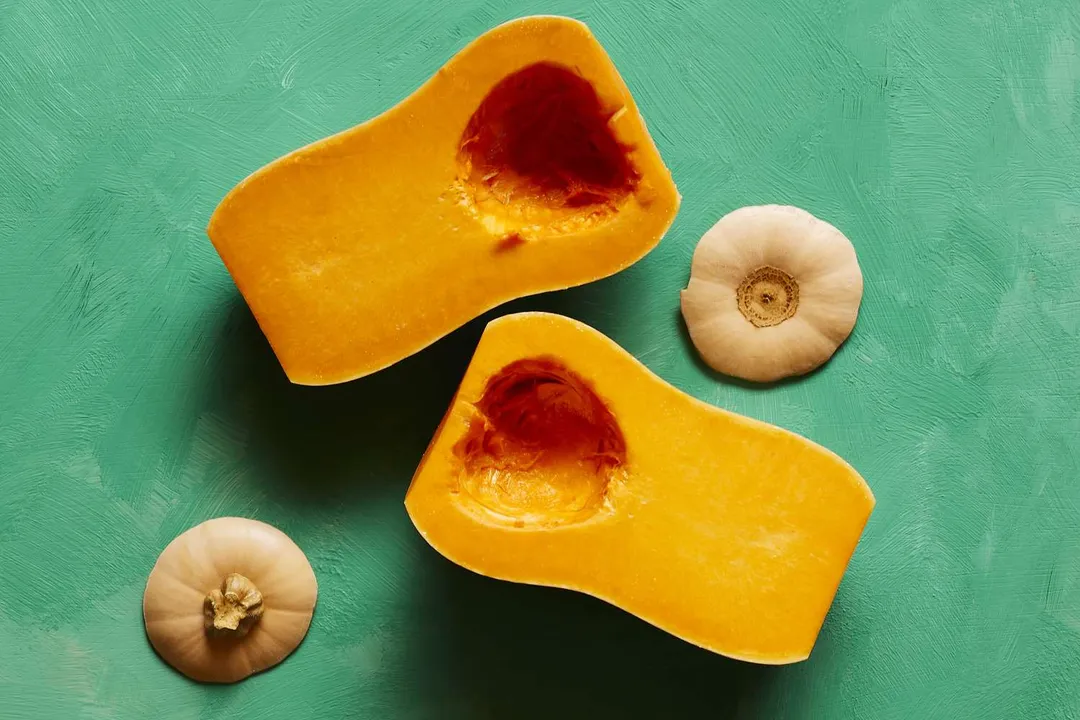
The visual benefits of butternut squash extend well past the general Vitamin A support for basic sight. This squash is particularly rich in the carotenoids lutein and zeaxanthin. [10] These specific compounds are known to accumulate in the macula of the eye. [2][10] Think of them as the internal sunglasses for your eyes, helping to filter out harmful high-energy blue light, which can contribute to long-term eye strain and age-related vision concerns. [10] Consuming foods rich in these pigments regularly is a proactive step toward protecting long-term visual acuity.
# Weight Balance
Butternut squash manages to be nutrient-dense while remaining relatively low in calories, creating a wonderful situation for those monitoring their weight. [3][5] Because it is packed with fiber and water content, eating a substantial volume of squash provides significant volume on the plate for very few calories. [9]
To illustrate this advantage clearly, consider a standard 1-cup portion of prepared butternut squash (about 215 grams cooked). This volume typically clocks in around 80 to 90 calories. [2] Contrast this with a similar volume of a common starchy alternative like a white potato, which, depending on preparation, often contains nearly double the calories for the same volume of cooked, mashed product. This difference in caloric density, coupled with the high satiety factor from the fiber, makes butternut squash an excellent substitute for bulking up meals without adding excessive energy.
The impact of butternut squash on blood sugar regulation is also noteworthy. While it contains natural sugars, its low glycemic index (GI) means it typically causes a slower, more gradual rise in blood sugar compared to highly refined carbohydrates. [2][9] The fiber content plays a direct role here, slowing down the rate at which sugars are absorbed into the bloodstream. [2] This steady energy release helps prevent the sharp spikes and subsequent crashes that can trigger cravings later on.
# Essential Minerals
While vitamins often take the spotlight, butternut squash also provides important dietary minerals necessary for various bodily processes. [5] It is a decent source of magnesium, which is involved in hundreds of biochemical reactions, including muscle and nerve function, blood glucose control, and blood pressure regulation. [2][5] Additionally, it offers manganese, a trace mineral that supports metabolism and bone formation. [5] The presence of iron and Vitamin B6 also contributes to energy production and red blood cell formation. [5]
# Versatile Cooking
The appeal of butternut squash is amplified by its culinary flexibility. [4] You can prepare it in numerous ways, which helps prevent dietary boredom. Roasting cubed squash with a little olive oil and herbs like sage or rosemary caramelizes its natural sugars, resulting in a sweet, slightly nutty flavor. [4] Mashing it creates a creamy texture perfect for substituting higher-fat ingredients in baking, like in muffins or breads. [6] It also blends beautifully into smooth soups or purees, which is an excellent way to deliver its nutrients to picky eaters. [4] For those who prefer to minimize cooking time, many grocery stores now sell pre-cut or frozen chunks, which can be steamed or microwaved quickly, providing an immediate side dish option. [4] The key to maximizing enjoyment—and therefore consistency in eating it—is finding the preparation method that best suits your palate.
# Micronutrient Comparison
When comparing butternut squash to other popular vegetables, its nutritional profile stands out in a few key areas. While it shares its winter squash heritage with pumpkin, butternut squash often contains higher concentrations of certain carotenoids. [9] Compared to sweet potatoes, both are excellent sources of Vitamin A and fiber, but butternut squash generally has a lower calorie count per serving and a slightly lower glycemic load, depending on the specific variety and cooking method. [9] This comparison reinforces why it warrants a dedicated space in a balanced diet, rather than being relegated to a single seasonal role. [4] It provides the earthy sweetness people enjoy from other fall vegetables but with a potentially milder impact on blood sugar curves.
Related Questions
#Citations
Health Benefits of Butternut Squash - WebMD
Butternut Squash: Nutrition, Benefits, and Uses - Healthline
4 Butternut Squash Benefits - Health Cleveland Clinic
Health benefits of winter squash and ways you can cook them
The Benefits of Butternut Squash - Big Horn Olive Oil
[PDF] Health Benefits of Butternut Squash
Is butternut squash healthy? Exploring the nutritional benefits - Noom
What Happens to Your Body When You Eat Butternut Squash ...
Top 5 health benefits of butternut squash - BBC Good Food
What Happens to Your Body When You Eat Butternut Squash ...