Health Benefits of Butter Bean
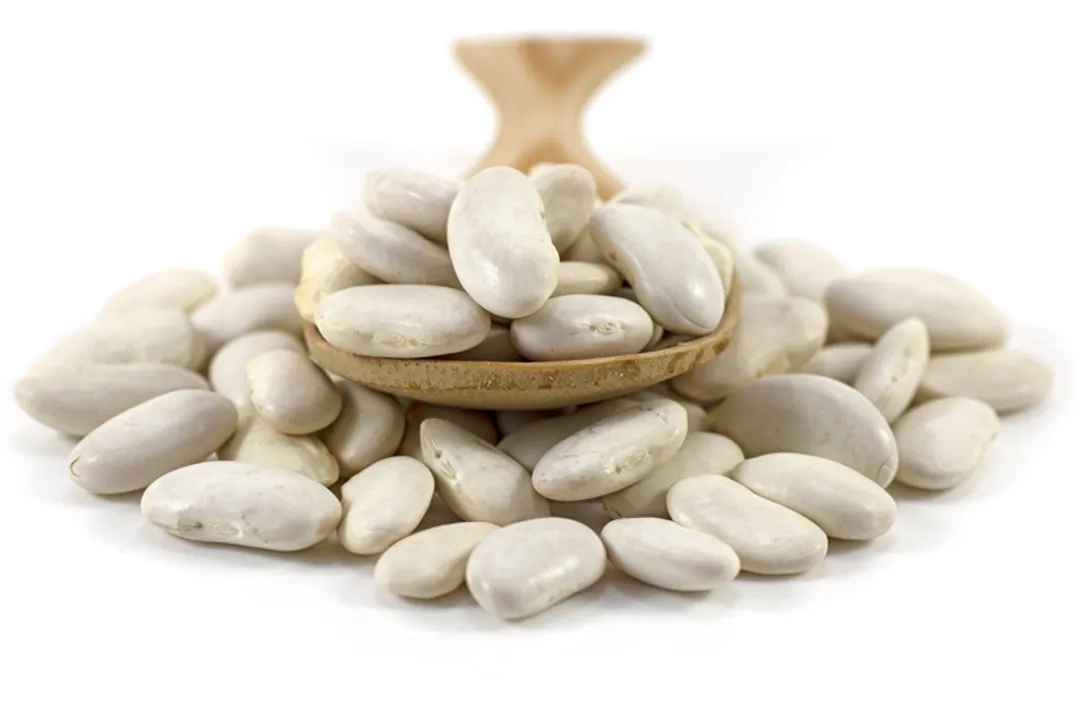
Butter beans, with their smooth texture and subtly creamy flavor, are far more than just a humble side dish; they are a dense source of nutrition that warrants closer attention in any health-conscious diet. Often recognized interchangeably with the lima bean, this ivory-colored legume hails originally from South America and has nourished populations for millennia. Whether you encounter them canned, dried, or frozen, understanding their composition reveals why they are championed as a beneficial addition to a balanced eating pattern.
# Identity and Forms
The simple term "butter bean" can cause confusion, as it is frequently used to describe the same legume known globally as the lima bean. This connection means that the health profiles and nutritional data often discussed for one apply directly to the other. You might also see them referred to by other regional names like the double bean or butter pea. The beans themselves are characteristically flat and crescent-shaped, developing their namesake creamy quality upon proper cooking.
Commercially, butter beans are most often found in three primary forms, each with different preparation needs:
- Dried Butter Beans: These require time-consuming preparation, specifically soaking overnight followed by slow cooking or boiling to achieve tenderness.
- Tinned Butter Beans: This is often the most accessible form, offering the convenience of being pre-cooked. They are usually packed in water or salted water.
- Frozen Butter Beans: A convenient middle ground, these are typically ready to cook from frozen or may require less preparation than their dried counterparts.
It is important to note the distinction between forms, especially concerning sodium content. Canned varieties, while quick to prepare, can carry a higher sodium load, making it advisable to rinse them thoroughly before consumption.
# Core Nutrition Profile
The true value of the butter bean lies in its excellent macro and micronutrient density. They are particularly noteworthy for providing substantial amounts of fiber and plant-based protein while remaining low in fat.
# Macronutrient Balance
The energy derived from butter beans comes primarily from complex carbohydrates. Unlike the quick energy spike associated with simple, refined carbohydrates like white rice or white pasta, complex carbs digest more slowly, offering a more sustained energy release. This slower digestion is a key factor in several of their major health benefits.
For individuals focused on muscle maintenance or satiety, the protein content is significant for a plant source. A half-cup serving might contain around 5.5 grams of protein. While this contributes positively toward daily requirements—which for an average 175-pound person is about 63 grams—butter beans are not considered a complete protein source on their own, as they may lack optimal ratios of all essential amino acids. The solution, as with many legumes, is pairing them with grains or other plant proteins throughout the day to achieve a fuller essential amino acid profile.
Fat content is impressively low; less than half a gram in a half-cup serving, and only about three percent of their total calories derive from fat, mostly the heart-healthier unsaturated kind. This low-fat, high-fiber, and adequate-protein combination positions them as a relatively low-energy-dense food.
# Essential Micronutrients
Beyond the foundational macros, butter beans are a powerhouse of critical vitamins and minerals. They serve as excellent sources for several nutrients essential for bodily functions:
- Fiber: This is arguably the greatest contribution. A half-cup serving can deliver about 5 grams of fiber, helping bridge the gap for the average adult who often falls short of the recommended 30 grams daily intake. They supply both soluble and insoluble types.
- Iron and Folate (Vitamin B9): These are crucial for blood health. Iron is necessary for producing hemoglobin, the molecule that transports oxygen. Folate is vital for normal red blood cell creation and DNA synthesis. Deficiencies in either can lead to types of anemia characterized by fatigue.
- Potassium and Magnesium: Potassium is key for maintaining fluid balance and proper nerve signaling. Magnesium is involved in numerous biochemical reactions, including energy production and protein synthesis.
- Manganese: Lima/butter beans are notably high in manganese, which functions as an antioxidant and plays a central role in metabolic processes.
- Antioxidants: The presence of polyphenols helps the body neutralize damaging free radicals, offering protection against cellular damage.
# Systemic Health Impacts
Integrating nutrient-dense foods like butter beans into regular meals can translate into tangible health advantages across several systems, particularly cardiovascular, metabolic, and digestive health.
# Heart Protection
The soluble fiber in butter beans is a significant factor in cardiovascular wellness. This type of fiber dissolves in water to form a gel in the digestive tract. This gel physically binds with cholesterol, decreasing its reabsorption in the colon, which has been linked to lower overall levels of LDL (the "bad") cholesterol. Furthermore, studies suggest that a diet rich in legumes is associated with improvements in blood pressure and reduced systemic inflammation, further decreasing the risk of heart disease or stroke.
# Metabolic Stability
For individuals monitoring their blood sugar, butter beans are an asset due to their low Glycemic Index (GI). This low rating, combined with high fiber content, ensures that the glucose from the complex carbohydrates is released slowly into the bloodstream, preventing the sharp post-meal spikes common with higher-GI foods. Regular legume consumption has even been correlated in some research with a lower incidence of developing Type 2 diabetes.
# Weight Management Support
The ability to manage hunger is closely tied to weight control, and here, the protein and fiber duo shine. Both components contribute substantially to feelings of satiety, helping you feel full for longer after eating. By promoting fullness, butter beans can naturally assist in reducing overall calorie intake without requiring the individual to feel deprived, making them an excellent component of a weight-loss supportive diet.
# Digestive Regularity and Gut Flora
The high fiber profile works in two ways for the gut. The insoluble fiber adds necessary bulk to stool, promoting regularity and helping to prevent issues like constipation. More interestingly, the resistant starch present in beans acts as a prebiotic, specifically feeding the beneficial bacteria residing in the intestines. A balanced and well-fed gut microbiome is increasingly recognized for its link to overall health, including potentially lowering the risk of chronic illnesses like colon cancer.
# Safety and Preparation Nuances
While the benefits are clear, the historical context around beans—specifically the presence of certain compounds—requires awareness regarding proper handling.
# Cyanide Compounds
Raw or improperly cooked lima/butter beans contain linamarin, a naturally occurring cyanogenic compound. When the bean is eaten raw or undercooked, linamarin can break down into small amounts of cyanide. This is a vital point of caution for anyone consuming dried beans, though it is rarely a concern with commercially processed canned or frozen products.
The good news is that traditional preparation methods effectively mitigate this risk. Soaking dried beans, rinsing them, and then cooking them thoroughly destroys the cyanogenic enzymes. The varieties typically sold in places like Europe usually already contain cyanide levels well below established toxicity thresholds, but proper pre-treatment remains non-negotiable for dried stock.
# Anti-Nutrients and Mineral Absorption
Like many pulses, butter beans contain anti-nutrients, such as phytic acid, which can potentially interfere with the body's absorption of minerals like iron and zinc. This is a specific consideration for those on restrictive diets or individuals already prone to mineral deficiencies. However, the very preparation steps taken to eliminate linamarin—soaking and cooking—also significantly reduce the levels of these mineral inhibitors, thereby improving the bioavailability of the inherent iron, zinc, and magnesium.
To maximize iron absorption, particularly for vegetarians and vegans who rely on plant sources, consuming butter beans alongside a source of Vitamin C (like bell peppers or citrus dressing) in the same meal can further enhance the body’s uptake of the iron present.
When considering quick use, rinsing canned beans is essential to wash away excess sodium used in the canning process, which can otherwise impact daily sodium goals and cardiovascular health.
# Handling Digestive Adjustments
The very component that provides so many benefits—fiber—is also responsible for potential digestive side effects like gas and bloating when introduced too rapidly. The body requires time to adapt to higher fiber intake. A practical approach is to start with smaller portions of butter beans when first incorporating them and ensure generous water intake alongside the meal to help the fiber move smoothly through the system.
# Culinary Integration and Texture Value
The name "butter bean" hints at its most cherished culinary trait: a creamy, almost buttery mouthfeel once cooked, which makes it an exceptional ingredient beyond simply being nutritious. They absorb surrounding flavors beautifully, making them suitable for long simmers in stocks and broths.
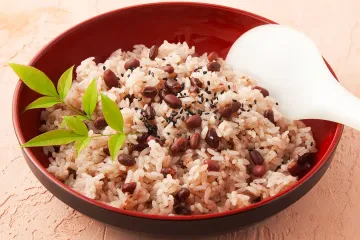
They perform wonderfully in traditional applications like Greek slow-baked dishes, added to soups, or simply heated and served with herbs. They can be tossed into salads or mixed with grains like rice or pasta for a more substantial meal. A common kitchen hack involves swapping chickpeas for butter beans when making homemade hummus, as they blend into a particularly smooth base when combined with tahini, lemon juice, and olive oil.
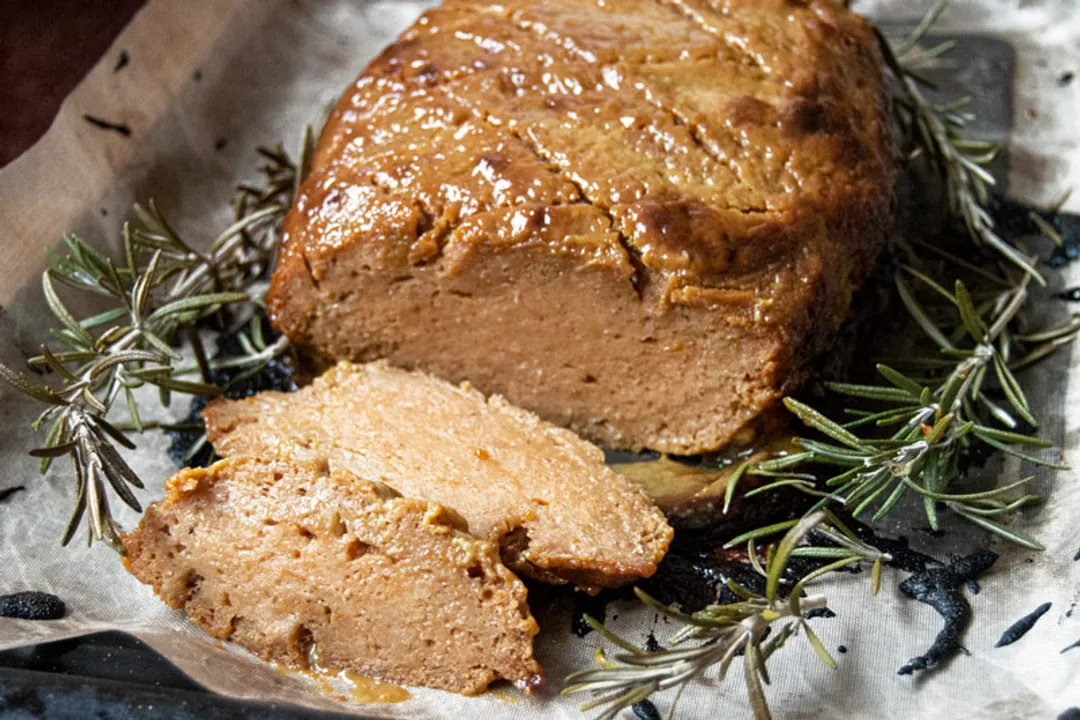
When thinking about substituting higher-fat ingredients, the creaminess of a well-mashed butter bean offers textural advantages beyond just replacing potatoes in a mash. If you are crafting homemade veggie burgers, falafels, or even vegan meatloaf, using blended, cooked butter beans as a binder can impart a desirable moisture and richness that drier ingredients like breadcrumbs or oats often fail to provide, while simultaneously boosting the protein and fiber content of the final product. This application allows the bean to act as a functional, nutrient-dense replacement for high-fat stabilizers without compromising the overall mouthfeel of the savory item.
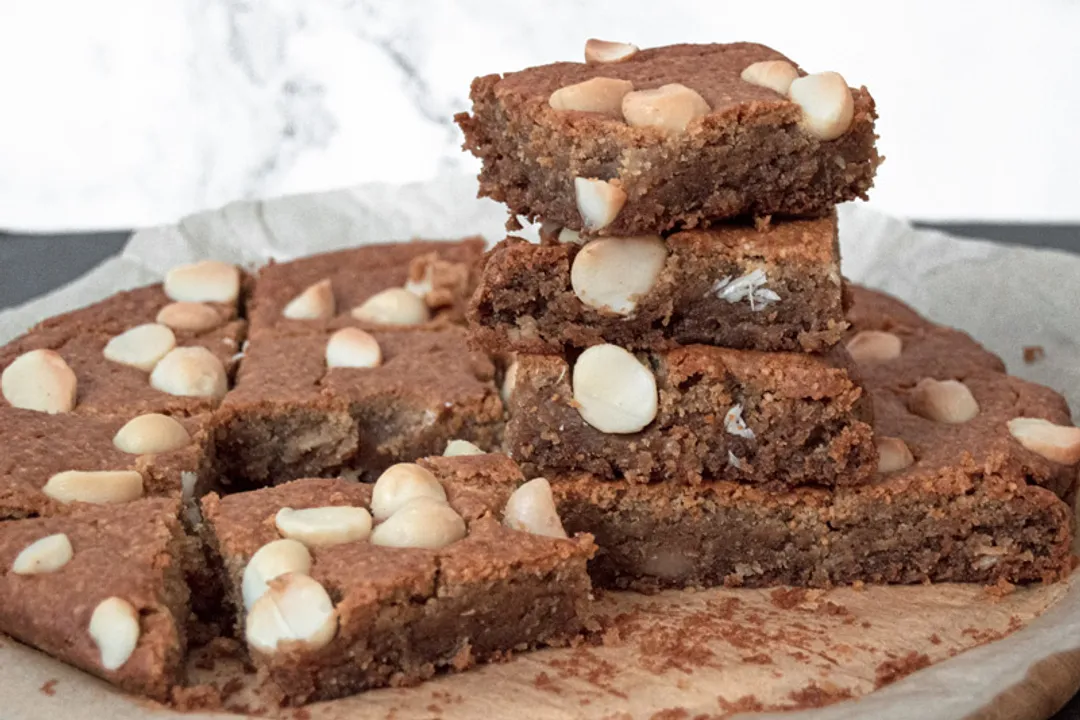
The versatility extends surprisingly into baking, where pureed butter beans can create moistness in cakes and blondies, often replacing some of the cane sugar or added fats while maintaining a luxurious texture that might fool even dedicated dessert lovers.
To address the preparation contrast, while soaking dried beans overnight (8–12 hours) followed by simmering offers a traditional, gentle cooking approach that maximizes tenderness, it is time-intensive. Alternatively, quick-soaking methods, such as boiling briefly then letting them stand in hot water for an hour before simmering, save time. Each cooking time and temperature profile slightly alters the final nutrient balance; for instance, very long, slow cooking might slightly increase the percentage of minerals absorbed by dissolving the phytates more effectively, though it risks some water-soluble vitamin loss (like B vitamins) due to extended contact with the cooking liquid. For the average home cook prioritizing convenience, using canned beans (rinsed) or following the quick-soak method for dried beans generally strikes the best balance between safety, nutrient retention, and preparation time.
While butter beans compare favorably to many other common legumes, a quick look at their nutritional neighbors highlights where they truly excel and where they might need pairing. For instance, comparing 100g servings, butter beans offer high levels of potassium and folate, often surpassing the content found in standard black beans or kidney beans. However, lentils tend to provide more iron and folate per serving than butter beans. This comparison underscores that an effective diet incorporates a variety of legumes, rather than relying on just one type, to cover all micronutrient bases.
In summary, butter beans are a highly valuable, low-fat, low-energy food packed with complex carbohydrates, protein, and vital minerals like iron, potassium, and folate. Their fiber content offers documented benefits for heart health, blood sugar stability, and digestive function. By respecting the necessary preparation steps—soaking and cooking dried beans, and rinsing canned versions—one can safely unlock this pulse's creamy texture and impressive nutritional contributions.
#Videos
Health benefits of butter beans and peas - YouTube
Related Questions
#Citations
Are Butter Beans Good For You? - Nutrition - Holland & Barrett
Butter Beans Nutrition Facts - Everyday Health
Lima Beans: Nutrients, Benefits, Downsides, and More - Healthline
Health Benefits of Lima Beans - WebMD
EIGHT WAYS TO USE BUTTER BEANS - Healthy Supplies
What health benefits are there for butter beans? : r/nutrition - Reddit
Health benefits of butter beans and peas - YouTube
Are Butter Beans Healthy? Unveiling the Nutritional Benefits