Which presentation of tamarind requires rehydration and straining to yield a smooth, usable concentrate?
Answer
The dried, block-like pulp
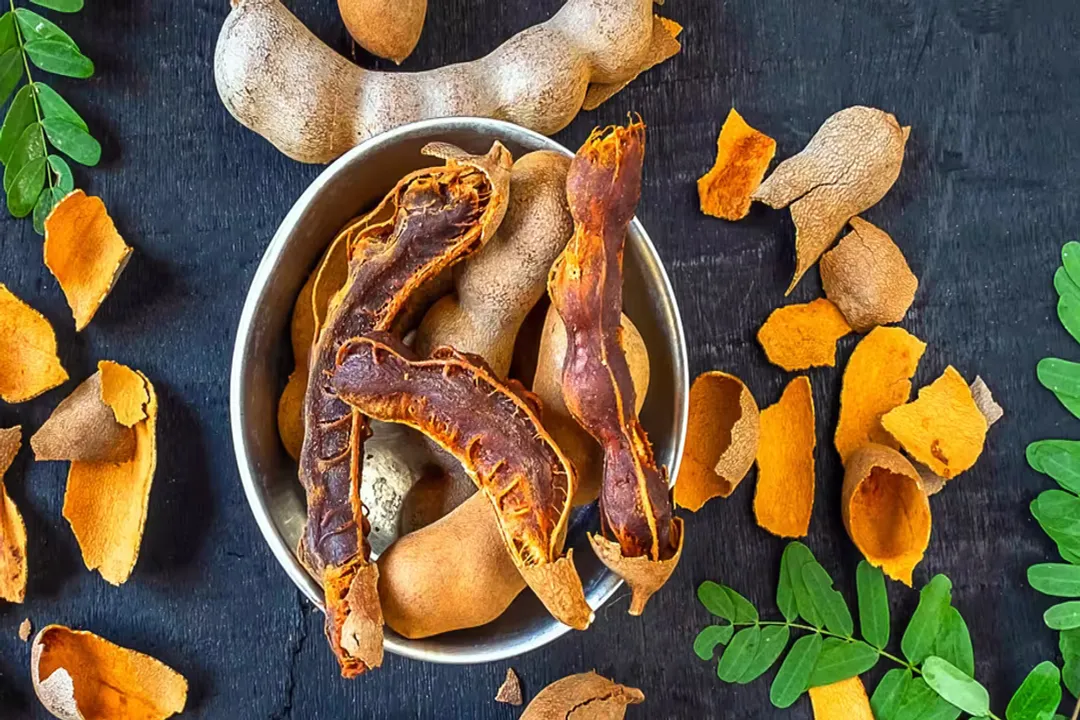
The dried block of pulp requires rehydration, typically by soaking it in hot water for about 30 minutes, then mashing and straining the mixture to remove seeds and fibers.
Related Questions
How is the rich, deep flavor of tamarind often described in global cuisines?Which essential mineral, alongside magnesium and potassium, is found in notable amounts in dried tamarind fruit?What is the primary benefit derived from the insoluble fiber present in tamarind pulp?What specific classes of plant compounds in tamarind are noted for serving as powerful antioxidants?How does potassium, abundant in tamarind, contribute to cardiovascular wellness?What mechanism suggests tamarind can temper the speed at which glucose enters circulation after a meal?What is generally credited with mediating the anti-inflammatory properties of tamarind?In addition to fiber, what characteristic of tamarind makes it a helpful dietary ally for weight management?What process is gently encouraged by the way tamarind pulp breaks down in the digestive tract?Which presentation of tamarind requires rehydration and straining to yield a smooth, usable concentrate?