Due to its intense flavor profile, what is the most frequent preparation method utilized for consuming Araza pulp?
Answer
Juices and Drinks (often diluted and sweetened)
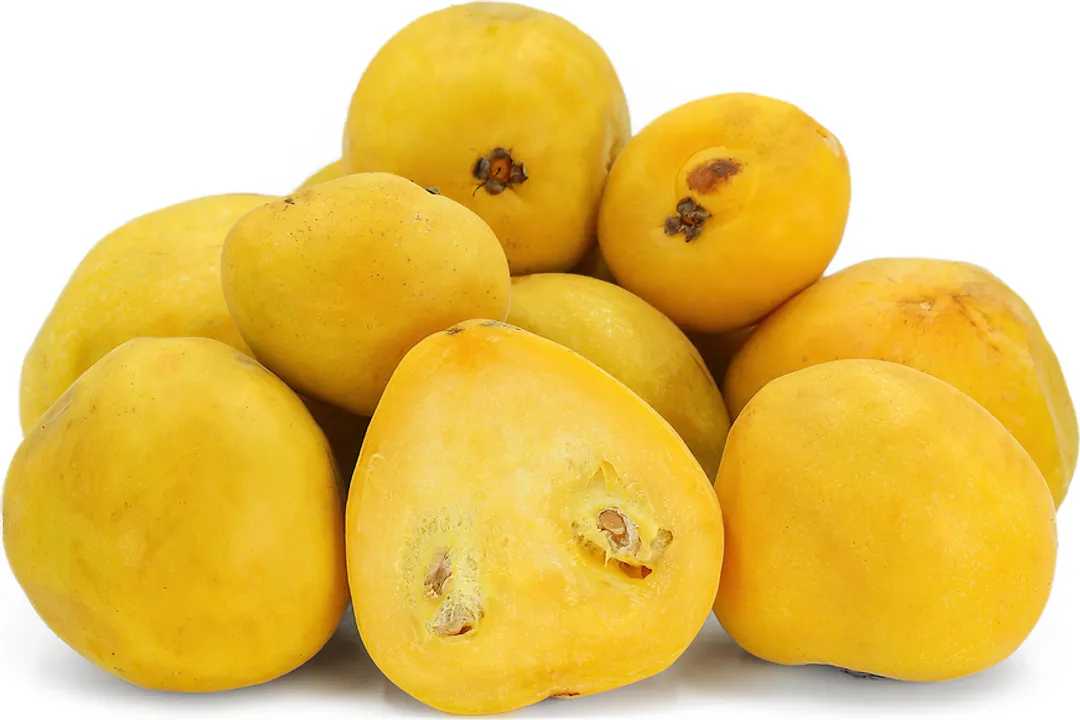
Given the pronounced tartness and acidity of Araza, it is rarely consumed in its raw, whole form in substantial amounts. The most common culinary adaptation involves extracting the pulp and creating juices and drinks. This preparation method requires the pulp to be diluted, typically with water, and sweetened to balance the sharp flavor profile. This allows consumers to readily ingest a higher volume of the water-soluble vitamins present in the fruit, provided the added sugar content is managed appropriately.
Related Questions
What is the scientific designation for the vibrant Araza fruit native to the Amazon rainforest?How is the pronounced taste of the yellow to orange pulp inside the Araza fruit typically described?Which celebrated nutritional component in Araza is critical for immune function and collagen synthesis?What is the direct nutritional benefit associated with the carotenoids responsible for the Araza fruit's bright yellow hue?What unstable molecules do the confluence of Vitamin C, carotenoids, and flavonoids in Araza work to combat through antioxidant activity?Which specific function of Vitamin C derived from Araza supports skin integrity, firmness, and elasticity in cosmetic applications?Due to its intense flavor profile, what is the most frequent preparation method utilized for consuming Araza pulp?How does Araza often present a unique advantage over familiar citrus fruits like oranges or lemons in terms of phytochemical intake?What practical method, referred to as the "one-third rule," is suggested for making concentrated Araza juice palatable without heavy sweetening?What trend in the cosmetic industry does the use of Araza extracts reflect regarding ingredient sourcing?