Health Benefits of Araza
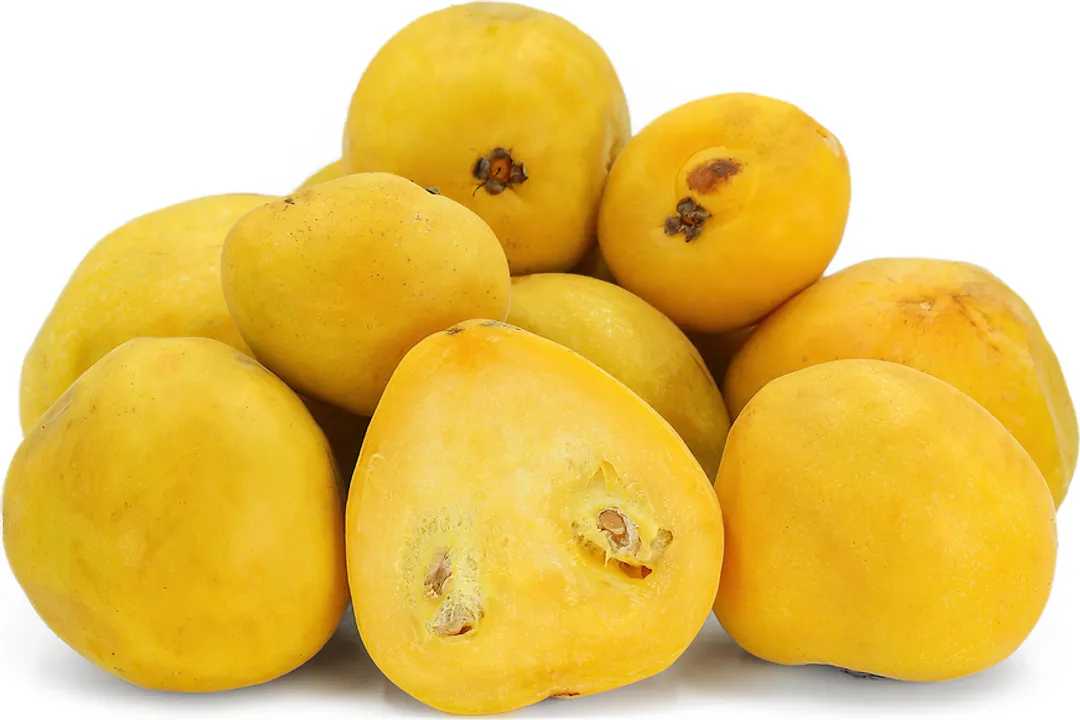
The Araza fruit, a vibrant inhabitant of the Amazon rainforest, offers a compelling subject for anyone interested in natural wellness and the bounty of tropical ecosystems. [6][7] This bright yellow tropical fruit, known scientifically as Eugenia stipitata, [4] carries a profile that suggests benefits extending far beyond its distinctive, tangy flavor. [5] While perhaps not as globally recognized as some other exotic produce, its dense nutritional makeup has earned it a place of respect among those familiar with Amazonian foods and traditional health practices. [1] Understanding Araza is about appreciating a potent package of vitamins and compounds that native populations have long valued. [6]
# Amazonian Origin
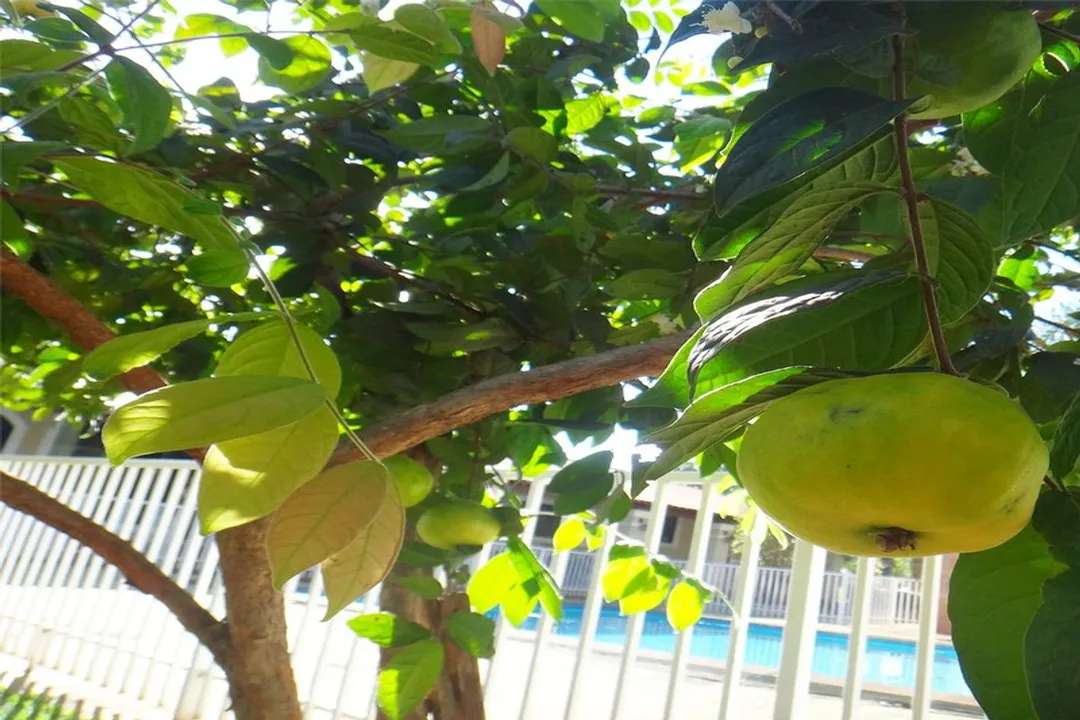
The native landscape of Araza is firmly rooted in the Amazon basin, where it thrives in the humid, tropical climate. [6][7] This geographical context is significant, as the soil and climate conditions of the rainforest often contribute to the unique biochemical composition of the flora that grows there. [5] Being part of the local ecosystem means that Araza has been naturally selected over centuries for its resilience and nutritive qualities, making it an integral part of the regional diet and sometimes, traditional remedies. [6] Its very existence is a testament to the biodiversity of the region from which it originates. [7]
# Fruit Characteristics
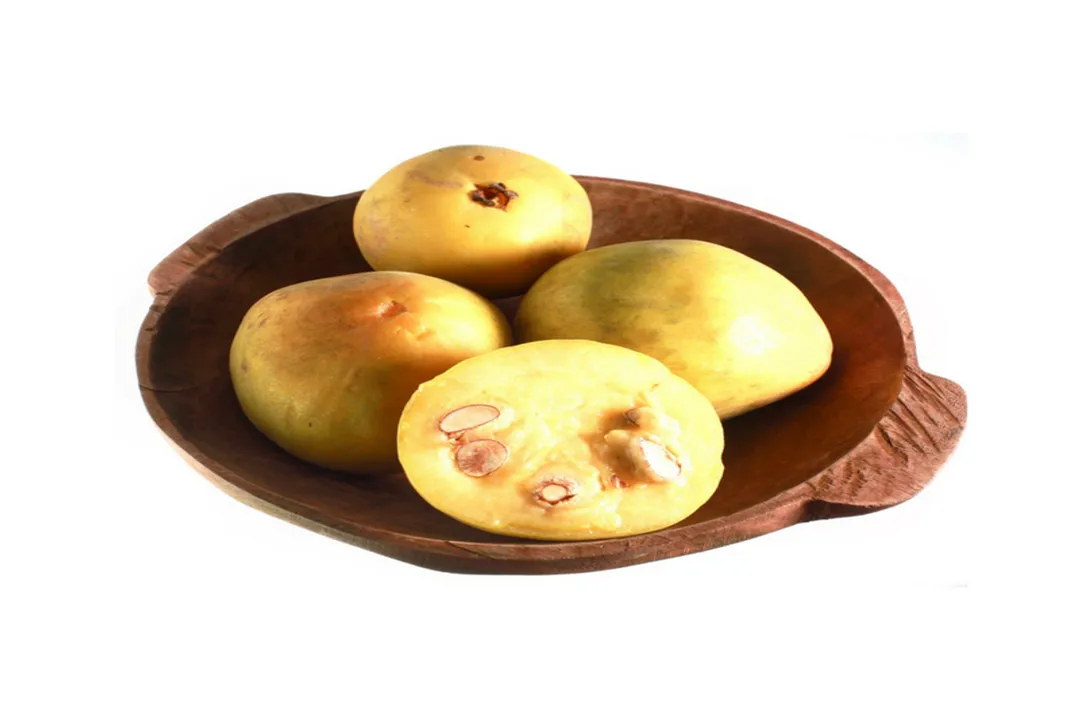
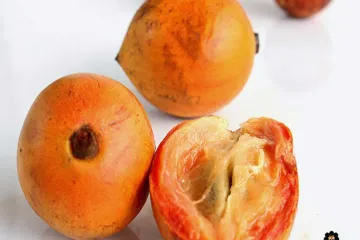
Visually, Araza presents as a striking, round to oval fruit, characterized by its bright yellow skin. [7] This color is often an initial indicator of the fruit's rich content of pigments, such as carotenoids, which are known for their health-supporting properties. [5] The pulp inside is typically yellow to orange and is often described as having a very pronounced, somewhat acidic or sour taste. [5] This tartness is a key feature that dictates how the fruit is most commonly consumed. Unlike fruits meant to be eaten whole out of hand due to sweetness, Araza often requires some form of preparation to balance its intense flavor profile. [5] Its appearance and taste set it apart from its more mainstream tropical relatives.

# Nutrient Profile
A primary attraction of Araza lies in its exceptional nutritional density, leading some to categorize it as a "nutraceutical-like" fruit. [1] This designation suggests that its contribution to health is substantial, acting almost like a supplement derived directly from nature. While detailed, universally standardized nutritional breakdowns can vary, several key components are consistently highlighted across observations of its composition. [5]
One of the most celebrated aspects of Araza is its Vitamin C content. Fruits rich in Vitamin C are critical for immune function, collagen synthesis, and acting as a potent antioxidant in the body. [5] When comparing common tropical fruits, the concentration of Vitamin C in Araza often stands out, sometimes rivaling or exceeding better-known sources. [1]
Beyond Vitamin C, the presence of phenolic compounds is crucial. [5] These are powerful phytochemicals that contribute to the fruit's overall protective capabilities against cellular damage. Furthermore, the pigments responsible for its yellow hue, specifically carotenoids, add another layer of nutritional value, with the body often converting certain carotenoids into Vitamin A, essential for vision and immune health. [5]
To put this into perspective, consider how a typical serving might contribute. If we estimate based on known profiles of intensely flavored jungle fruits, an 8-ounce glass of freshly prepared Araza juice, even when diluted, could potentially provide well over 100% of the recommended daily intake for Vitamin C, making it a highly efficient source for daily nutritional goals. This efficiency—getting a high concentration of active compounds in a relatively small portion—is a major benefit of incorporating such dense foods into the diet. [1]
# Antioxidant Power
The confluence of Vitamin C, carotenoids, and flavonoids within Araza translates directly into significant antioxidant activity. [5] Antioxidants are vital because they combat free radicals—unstable molecules that contribute to oxidative stress, which in turn is linked to aging and various chronic diseases. [5]
The protective effect comes from these compounds neutralizing free radicals before they can damage cellular structures like DNA and lipids. [5] For the consumer, this means regular, moderate consumption may support long-term cellular health. It is important to remember that the synergy between these different antioxidant groups—vitamins, flavonoids, and carotenoids—often makes the whole fruit more protective than any single isolated compound could be. For instance, flavonoids can sometimes help recycle Vitamin C, extending its antioxidant lifespan within the body. [5] This interaction highlights a fundamental principle of whole-food nutrition: nature packages compounds to work together effectively.
# Skin Health Focus
The benefits of Araza are not limited to internal consumption; its high nutrient load has found an application in the cosmetic industry. [1] This interest stems directly from the components that support overall health: Vitamin C and antioxidants are fundamental building blocks for healthy skin.
Vitamin C is famous for its role in collagen production. [1] Collagen provides the skin with its structure, firmness, and elasticity. By supporting its synthesis, Araza-derived ingredients can potentially help maintain skin integrity and appearance. [1] Additionally, the antioxidant capacity helps shield the skin from environmental stressors, such as pollution and UV radiation exposure, which accelerate visible aging signs. [1]
It is interesting to note the trend of using native, potent ingredients in modern beauty formulations. While many commercial products use isolated synthetic versions of Vitamin C, incorporating extracts from fruits like Araza offers the benefit of the entire natural matrix of supporting compounds, which may lead to better absorption or gentler application. [1] This transition reflects a broader consumer desire for "clean beauty" ingredients sourced from recognized natural origins. [1]
# Processing and Consumption
Given its potent sourness, Araza is rarely consumed as a raw, whole fruit in large quantities. [5] Instead, its use is adapted to its flavor profile, which opens up several culinary avenues. [6]
Common preparations include:
- Juices and Drinks: This is perhaps the most frequent method. The pulp is extracted and then diluted with water and sweetened to create refreshing beverages. [6] This allows for high intake of its water-soluble vitamins, though sugar content must be managed. [5]
- Desserts and Preserves: The tartness makes Araza an excellent base for jams, jellies, and ice creams, where the acidity provides a natural balance to sweetness. [1][6]
- Savory Applications: In some regional cooking, the intense acidity can be used similarly to citrus, potentially enhancing flavor profiles in sauces or marinades. [5]
One practical tip for home users dealing with concentrated Araza pulp or juice: Instead of sweetening heavily, try blending it with other, milder fruits like banana or mango. This allows you to reap the dense nutritional rewards of the Araza while using the other fruits to mellow the tartness, providing a far lower net sugar impact compared to making a fully sweetened juice from scratch. [5]
# Digestion and Gut Support
While direct, large-scale human trials on Araza's digestive impact may be emerging, the general nutritional components suggest supportive roles. [5] Fruits, in general, contribute essential dietary fiber. [5] Although the exact fiber content needs to be verified by specific analyses, the pulp surrounding the seeds inherently contains this crucial macronutrient. Fiber is well-established for promoting regular bowel movements and supporting a healthy gut microbiome. [5]
Furthermore, the high Vitamin C content plays an indirect role in digestive health by supporting the body's overall inflammatory response and aiding in the absorption of minerals like iron, which are necessary for maintaining energy levels associated with good digestive function. The acidity itself might also stimulate the production of digestive enzymes when consumed as part of a meal or a diluted beverage. [5]
# Comparison: Araza versus Other Citrus
To better appreciate Araza's standing, it can be useful to compare it to a more familiar category, like citrus fruits, which are also known for high Vitamin C and acidity. [5] While both categories offer similar benefits related to these compounds, Araza often presents a unique profile of non-Vitamin C antioxidants like specific carotenoids and flavonoids that may differ significantly from those found in oranges or lemons. [5]
Think of it this way: Orange juice is the reliable workhorse for Vitamin C, but Araza might be the specialized specialist, bringing a different array of protective phytochemicals to the table due to its distinct evolutionary path in the rainforest environment. [5] This distinction means that rotating fruits—incorporating Araza when available alongside more common options—can lead to a broader intake of varied health-supportive compounds, a concept known in nutrition science as dietary diversity. [5] A varied intake ensures you are not relying on a single source for all your micronutrient needs.
# Potential in Natural Extracts
The appeal of Araza as a "nutraceutical" extends into its potential for standardized extracts used in dietary supplements, mirroring its current use in cosmetics. [1] For a compound to be successfully standardized in a supplement, the active markers—like a specific flavonoid or carotenoid—must be consistently present in the raw material. [5] Research into the exact chemical markers in Araza that provide its perceived benefits is key to unlocking its full potential in this sector. The intense concentration of desirable compounds in the fruit's pulp is what makes it an attractive candidate for extraction processes aimed at maximizing therapeutic dose in a small capsule or tincture. [1]
# Actionable Tip for Sourcing and Preparation
When seeking out Araza products, especially if you live outside of its native growing region, be mindful of how the fruit was processed. If buying frozen pulp, check the ingredient list. A high-quality frozen pulp should ideally list only "Araza" or "Araza Juice," with no added sugars or preservatives. [5] If you find it as a shelf-stable juice, look for minimal ingredients. If the flavor is too sharp, try the "one-third rule": Mix one part Araza juice concentrate with two parts of a neutral, low-sugar base like sparkling water or unsweetened coconut water. This preserves the strong flavor notes and much of the nutritional benefit while making daily consumption much more palatable without loading up on sweeteners. [5]
# Summary of Health Attributes
The documented and inferred health advantages of Araza center on its density of beneficial micronutrients:
| Health Attribute Area | Key Compound | Primary Suggested Benefit | Source Support |
|---|---|---|---|
| Immune Support | Vitamin C | Essential for defense mechanisms | [5] |
| Cellular Protection | Carotenoids, Flavonoids | Combats oxidative stress | [5] |
| Skin Structure | Vitamin C | Aids in collagen synthesis | [1] |
| Digestive Regularity | Dietary Fiber (Inferred) | Promotes gut health | [5] |
| Appearance | Antioxidants | Protects against environmental aging | [1] |
This profile solidifies its position as a fruit with genuine intrinsic health value, warranting attention from the broader wellness community. [1] Its status as an Amazonian staple underscores a deep, time-tested appreciation for its properties. [6]
Related Questions
#Citations
Araza Fruit: Why We Use This Nutraceutical Like Fruit In Our Makeup
Araza fruit - Health benefits
Araza - healing herbs - Herbs2000.com
Discover the Incredible Benefits of Araza fruit tree for Health and ...
Arazá: Eugenia stipitata Mc Vaught as a Potential Functional Food
Fruits of the Forest: Araza and Mimbro at Nicuesa Rainforest Lodge
The Araza fruit, native to the Amazon rainforest, is a bright yellow ...