Can you eat healthy in Bali?

The notion that a destination renowned for its nasi goreng and sweet iced teas could be a haven for clean eating might seem contradictory, yet Bali overwhelmingly proves this assumption wrong. The island has transformed into a major global hub for wellness, making it entirely feasible—and often quite easy—to maintain a very healthy diet, provided you know where to look and what to request. [4][5] While the temptation of local street food is constant, the infrastructure supporting health-conscious travelers, from raw food devotees to those needing precise macronutrients, is surprisingly well-established, particularly in areas like Canggu and Ubud. [5][6]
# Cafe Culture

The primary gateway to healthy eating in Bali often involves seeking out its dedicated health cafes. These establishments have become anchors for the wellness community, often focusing on plant-based, organic, and gluten-free offerings. [4][5] Alchemy, frequently mentioned, is a celebrated spot known for its raw food approach. [1][5] Similarly, Zest is consistently recommended, offering vibrant, often vegan meals that appeal to a broad audience. [3][5][6]
Other key players pop up across the island’s wellness centers. In the Ubud area, places like The Seeds of Life and KAFE are cited as reliable sources for clean nourishment. [1][2][5] For those in Canggu, The Shady Shack and Kynd Community are staples, known for their beautiful smoothie bowls and modern plant-based menus. [4][6] These cafes offer menus that go far beyond simple salads, providing complex dishes with carefully sourced ingredients. [5]
It is worth noting the slight geographical bias in the recommendations; many of the most frequently named spots cluster around Ubud and Canggu. [1][6] If your travels take you to other parts of the island, you may need to rely more heavily on local adaptation or supermarket availability, though dedicated health food stores are becoming more common. [7]
# Vegan Abundance
For anyone following a vegan diet, Bali is essentially a paradise. [4] The sheer volume of fresh, tropical fruit available is a significant advantage for smoothie makers and raw food enthusiasts. [4] Beyond the cafes, vegan warungs (local eateries) are beginning to emerge, offering traditional Indonesian staples adapted to be entirely plant-based. [4] Even mainstream healthy cafes ensure their menus cater heavily to vegans, often featuring dedicated sections for raw desserts, vegan protein sources, and dairy-free alternatives. [4][6]
# Navigating Local Choices
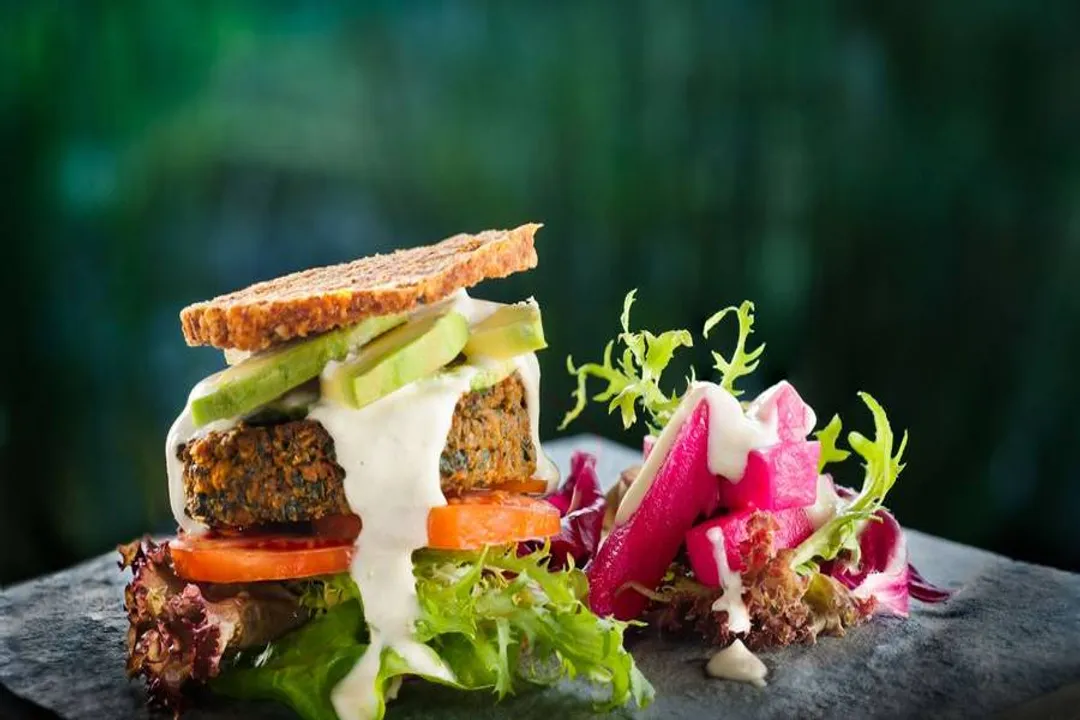
Eating healthy isn't limited to the high-end health cafes. A major part of the Bali experience involves eating at local warungs, and it is here that balance and local knowledge become essential. [2] While you can certainly find incredibly fresh ingredients, the default cooking style often prioritizes texture and flavor through added fats and sugars. [1][2]
When ordering at a traditional warung, a major challenge arises from the preparation methods. Many delicious local staples, such as tempeh or tofu, are often deep-fried by default. [1] Similarly, the ubiquitous rice dishes and noodles frequently carry hidden sugar or MSG additives, even when requesting a "healthy" version. [1][9] For instance, a simple request for nasi campur can be healthy if you are meticulous about your choices. [3] You must actively select steamed vegetables, small portions of protein that aren't fried, and request that sauces be omitted or served on the side. [3]
When seeking out genuinely low-sugar, low-MSG options in Ubud, travelers have found that direct communication is key, often necessitating pointing and specific requests rather than relying on standard menu translations. [9] This proactive communication style is an asset in navigating local cuisine for specific dietary needs. [3]
Here is a brief comparison of common ingredient choices when aiming for cleaner eating compared to standard preparation in Bali:
| Ingredient/Item | Standard Bali Preparation | Healthier Alternative Request |
|---|---|---|
| Protein (Tofu/Tempeh) | Deep Fried | Steamed or Grilled (if available) |
| Juices/Smoothies | Often sweetened with palm sugar or syrup | Request "no sugar" or "no sweetener" [3] |
| Vegetables | Often cooked in coconut milk or chili paste | Request plecing style (steamed/blanched) with sauce on the side [2] |
| Rice (Nasi) | Steamed white rice | Brown rice (if offered) or simply smaller portions of white rice |
| Broth/Soup | May contain hidden flavor enhancers | Stick to clear, simple vegetable broths or Jamu [7] |
One insightful observation when balancing cost and health is realizing the utility of Jamu. This traditional Indonesian herbal tonic, often made from turmeric, ginger, and other roots, is naturally sugar-free, anti-inflammatory, and readily available. [7] While it is a drink, not a meal, incorporating Jamu daily can be a simple, non-cafe-dependent way to support digestive health and counteract any less-than-perfect meals. [7]

# Sugar and Hidden Ingredients
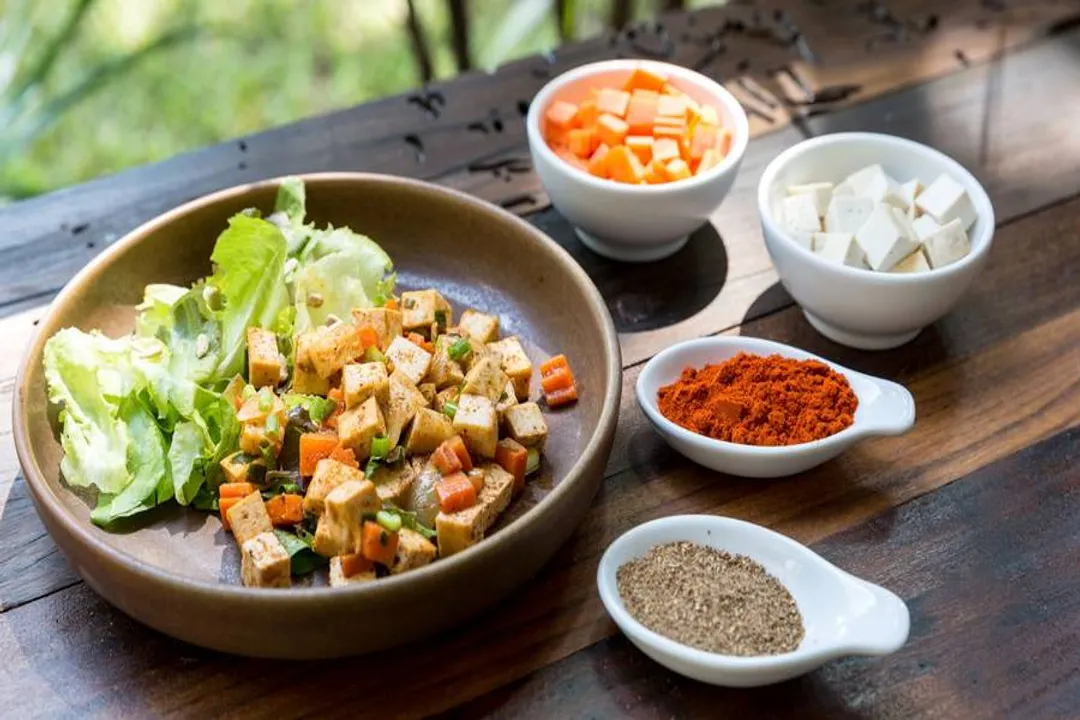
The sheer sweetness prevalent in Indonesian food culture presents a distinct hurdle for those managing sugar intake, even within what appears to be a health-focused establishment. [3] Nutritionists visiting the island have pointed out that even fresh fruit juices, while containing natural sugars, can lead to high glycemic loads if consumed excessively without fiber or protein to balance them. [3]
It is a common mistake to assume that because an item is made from whole fruits, it qualifies as low-sugar. A single large glass of fruit juice can contain the sugar equivalent of several pieces of fruit, often without the satisfying bulk of the pulp. [3] If you are monitoring sugar intake strictly, opting for whole fruit over juice, or specifically requesting that no additional sweeteners like palm sugar or honey be added to smoothies, becomes essential. [1][3]
Furthermore, the use of bumbu (spice pastes) and flavor enhancers requires vigilance. Many restaurants, even those catering to tourists, use MSG or high amounts of salt to boost flavor profiles quickly. [1][9] For the traveler determined to eat purely, this means that sauces and pre-mixed seasonings should be treated with suspicion unless the establishment explicitly commits to being MSG-free, which dedicated wellness spots like Zest or Alchemy generally do. [1][5]
To truly control your intake when navigating Bali’s diverse food scene, adopt this simple vetting checklist for any warung that isn't explicitly labeled a "health cafe":
- Visual Inspection: Does the oil look clear or murky? Murky oil often suggests reused, heavily utilized cooking fat.
- Sauce Separation: Can sauces (like soy sauce or peanut sauce) be served on the side? If a dish comes pre-sauced, assume the flavor profile is locked in with sugar/MSG.
- Freshness vs. Prepared: Prioritize items that appear to be cooked to order (e.g., stir-fried vegetables) over items sitting in large chafing dishes, which are usually heavily seasoned for preservation.
- Request Simplification: For basic items like rice or plain boiled vegetables, ask for them tanpa garam (without salt) or tanpa gula (without sugar) just to be safe, especially if ordering for children or someone with very strict dietary needs. [9]
This proactive approach, moving beyond simply choosing the "salad" option and focusing on preparation methods, transforms eating healthy from a passive search into an active, engaging process. [2]
# Safety and Digestion
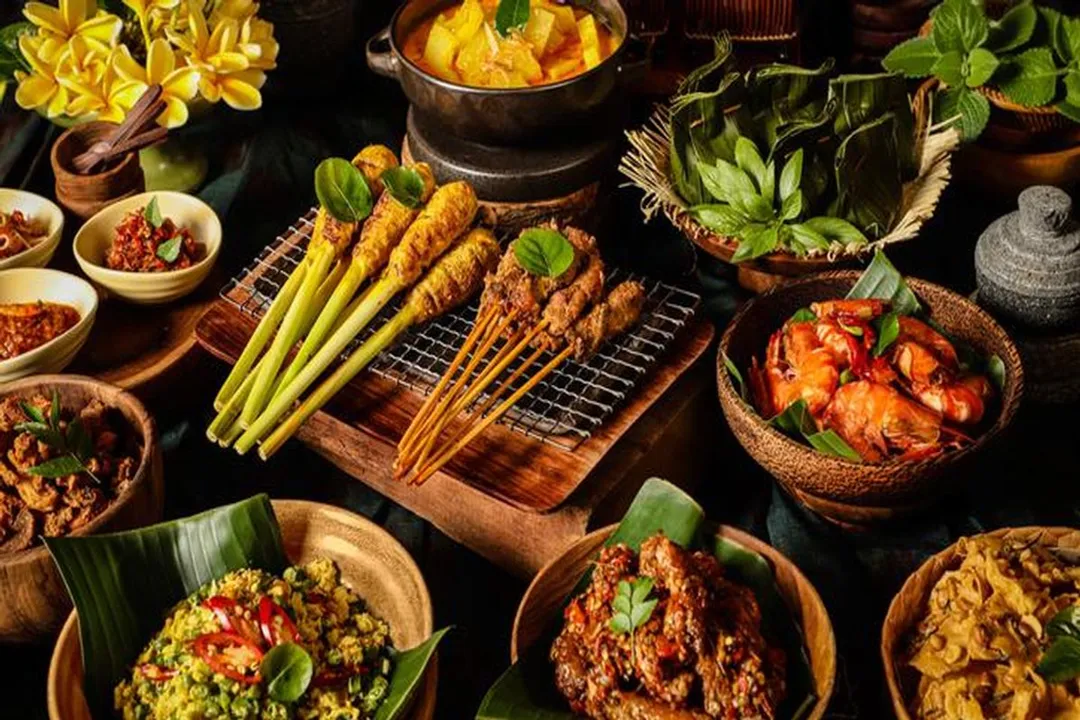
Being healthy in Bali is not just about the nutritional content of your food; it is fundamentally about food safety to avoid the dreaded "Bali Belly". [8] A bout of traveler's sickness can derail any health goals instantly, making safe food and water handling a core component of a healthy trip. [8]
The general consensus centers on controlling water intake and being cautious with uncooked items. [8] Only consume bottled water, and be certain that ice cubes in drinks are made from purified, bottled water, as tap water contamination is a primary concern. [8] In many established cafes frequented by health-conscious visitors, ice is typically made from purified sources, but this assurance is harder to get at smaller, roadside vendors. [8]
When it comes to fresh produce, while the island is abundant with beautiful fruits and vegetables, one must exercise caution with raw items, especially those washed or served outside of high-turnover, reputable restaurants. [2][8] The concern is less about the food itself and more about the water used for washing. [8] If you are eating at a trusted vegan spot known for its high standards, like Clear Cafe or Sayuri Raw Cafe, the risk associated with raw salads is significantly mitigated because their reputation depends on maintaining rigorous hygiene standards. [5][9] For local markets or smaller vendors, sticking to cooked foods or fruits you can peel yourself (like bananas or mangoes) is the safest initial strategy. [8]

# Sourcing Wellness
The availability of healthy food in Bali supports various wellness tourism trends, from detox retreats to fitness travel. [4][5] The island caters not just to tourists looking for a temporary fix but to residents and long-stay visitors who integrate clean eating into their lifestyle. [7]
For travelers looking to stock up, the island offers specialized supermarkets and health food stores that stock hard-to-find items like specific protein powders, specialized grains, and imported supplements, which can bridge the gap between dining out and maintaining strict home diets. [6] These stores, often found near popular fitness areas, ensure that even those on intensive training programs have access to necessary nutritional building blocks. [6]
Ultimately, Bali offers a spectrum of healthy eating options. You can choose the convenience and guaranteed cleanliness of a globally recognized spot like KAFE or Zest, [1][4] or you can engage with the local food scene by learning specific modification phrases and prioritizing safe preparation methods at warungs. [3][8] The successful healthy eater in Bali is the one who blends the access to world-class clean cuisine with the cautious wisdom required to safely enjoy the local bounty. [2] The island doesn't force you into unhealthy choices; it simply demands that you know how to ask for the healthy ones. [9]
Related Questions
#Citations
Healthy food (not fried and no sugar) : r/bali - Reddit
Healthy Eating in Bali | A guide to organic food in Bali - BaliSpirit
Food Diary: A Week in Bali With Nutrition Specialist Andrea
A Guide to Healthy Eating and Vegan Food in Bali
Complete Your Trip to Bali with Wellness-Focused Dining, Health-C...
Healthy Food Canggu : Nourish Your Body with Delicious Meals
Bali's Healing Foods: Nourishing Body, Mind, and Spirit
How to Avoid Bali Belly: A Simple Guide to Eating Safely in Bali
Bali Travel: Ulcerative Colitis Dining Tips