Is Nile perch healthy to eat?
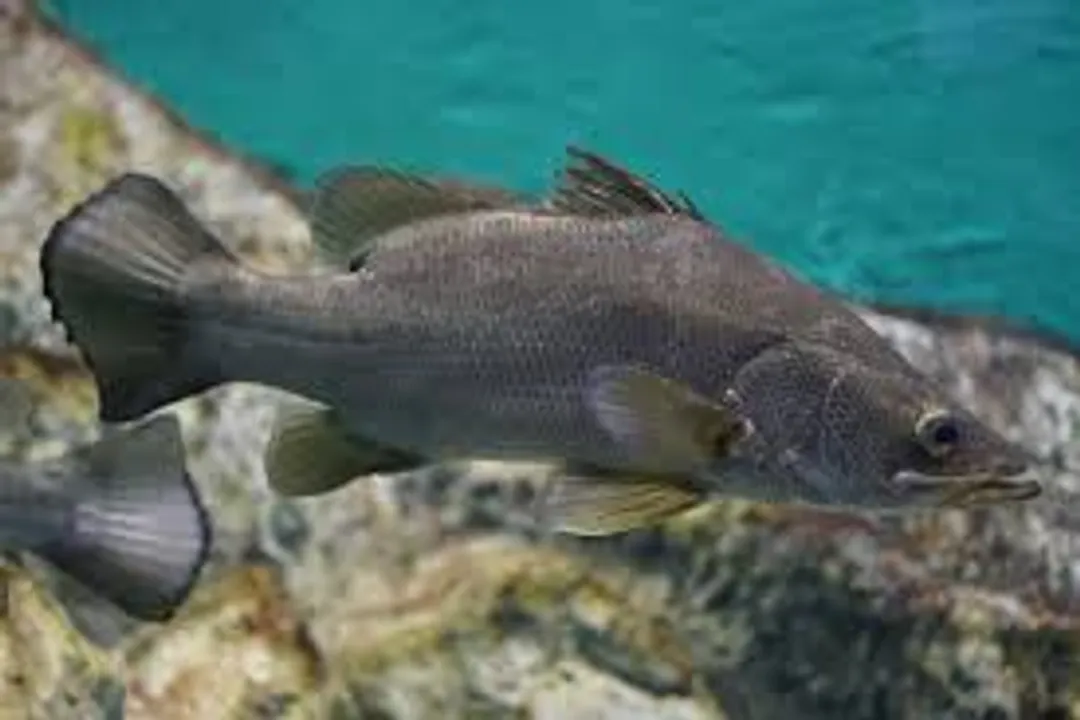
The large, mild-flavored Nile perch, a freshwater fish native to Africa’s great lakes and river systems, holds a significant position in both the regional economy and global food markets. When considering its place on the dinner plate, especially for health-conscious individuals, the primary discussion revolves around its macronutrient composition and the richness of its micronutrients, particularly essential fatty acids. [1]
# Lean Protein Content
One of the most compelling health attributes of Nile perch is its designation as a high-quality, lean protein source. A typical 100-gram serving offers a substantial amount of complete protein, often quoted around 19.1 to 22 grams, depending on the specific analysis. [1][3] This protein load provides all nine essential amino acids necessary for bodily functions, making it excellent for muscle repair, supporting immune system function, and general metabolic maintenance. [1] For those managing weight, high-protein foods like this fish are particularly beneficial as they promote satiety, helping to reduce cravings and the likelihood of unnecessary snacking. [1] Its high protein, low-carbohydrate profile also renders it suitable for low-carb or ketogenic dietary approaches. [2]
# Fat Profile Analysis
While Nile perch is classified as a lean fish, its fat content is where its true nutritional value often lies, specifically due to its omega-3 fatty acids. Data suggests that a 100-gram serving may contain as little as 1.80 grams of total fat, which is relatively low compared to oilier fish. [3] However, within that small fat allowance is a significant concentration of heart-healthy fats. [1] One source reports that 100 grams can contain approximately 710 mg of omega-3 fatty acids, claiming this level to be among the highest found in any seafood. [3] Other research on fish by-products—specifically the fat pads from viscera and belly flaps—indicates that 100 grams of the oil itself can contain about 7.5% omega-3-rich oils.
The health implications of these polyunsaturated fatty acids (PUFAs) are well-documented, covering support for brain development, cognitive function, joint mobility, and inflammation reduction. [1]
When examining this nutritional balance, a key realization emerges about the efficiency of Nile perch as a source of beneficial fats. If a 100-gram portion is very lean—say, under 2 grams of total fat—yet delivers over 700 mg of omega-3s, it means that nearly all the fat present is the desirable type. This contrasts sharply with fish like salmon, where high omega-3 intake often comes paired with a significant increase in total caloric fat. Consuming Nile perch allows an individual to meet or exceed daily targets for essential omega-3s, such as the WHO recommendation of 500 mg per day, without dramatically altering overall fat consumption or calorie count. This high ratio of beneficial PUFA to total fat makes it an exceptionally targeted nutritional choice for cardiovascular and neurological support. [1]

# Essential Micronutrients
Beyond protein and fats, Nile perch delivers a strong array of micronutrients crucial for overall vitality. It is noted for its good mineral content, particularly potassium, which is vital for fluid balance and blood pressure regulation. [2] A single cup serving might contain around 852 mg of potassium, providing a solid contribution toward the daily recommended intake. [2] Furthermore, the fish is cited as a source of:
- Vitamin B12: Essential for healthy nerve function and the production of red blood cells. [1]
- Selenium: A potent antioxidant that assists in cellular protection against oxidative stress. [1]
- Phosphorus and Magnesium: Important structural components for bone health and energy metabolism. [1]
While some nutrition panels list Vitamin D as negligible or zero in a 100-gram serving, the general consensus among descriptions of its nutritional profile suggests that it contributes to the support of bone health and immune function through its nutrient synergy. [1][2]
# Quality and Oxidation Assessment
A critical component of determining if any fish is healthy to eat is assessing its freshness and resistance to oxidation, particularly when consuming the fat, which is prone to turning rancid. This assessment is especially relevant for Nile perch because much of the commercially promoted omega-3 oil is extracted from by-products like fat pads. Researchers evaluate extracted fish oils using metrics like Peroxide Value (PV), Anisidine Value (AV), and Total Oxidation (TOTOX).
Studies focusing on oil extracted from Nile perch by-products, even when using cost-effective methods without specialized enzymes, have demonstrated that the resulting oils maintain high quality. Low PV and low Free Fatty Acid (FFA) content across the oil phases indicate that the oil was not significantly oxidized during the extraction process. The AV values were consistently below the acceptable standard of 20 meq/kg, suggesting minimal degradation into secondary oxidation products like aldehydes. This evidence points toward the inherent stability of the omega-3-rich oils found in Nile perch, confirming that the extracted components, when processed correctly, are suitable for human consumption, whether as an oil supplement or as a fortifier in foods like yogurt.

# Comparative Considerations
While specific nutritional breakdowns against every other fish species require extensive cross-referencing, it is often helpful to place Nile perch within the broader category of white fish. It shares characteristics with species like cod or haddock—namely, its flesh is mild and flaky, making it incredibly versatile in the kitchen. [2] Unlike Tilapia, another widely consumed freshwater species, Nile perch appears to score favorably in terms of omega-3 concentration, as indicated by the high values reported for its oil content. [3] The mild flavor profile of Nile perch flesh means it rarely overwhelms accompanying ingredients, unlike some stronger-flavored ocean fish.
One practical way to ensure you are maximizing the health benefits, especially when purchasing whole fish or less standardized cuts, relates to where the beneficial fats are concentrated. Since research highlights the richness of the viscera and belly flaps, the quality of the fillet might correlate with its proximity to the fatty underbelly area. When selecting a piece, a thicker fillet that retains a faint, perhaps slightly darker, line of fat near the skin or centerline might indicate a higher concentration of those beneficial omega-3s, as opposed to a uniformly pale, very lean filet taken from higher up the body. [3] This is a small detail that helps the informed buyer choose a cut likely to deliver more than just lean protein.
# Context of Sourcing and Sustainability
The discussion around the health of eating Nile perch must include context beyond just the nutrient label, touching upon sourcing and environmental impact, which influences consumer choice and trust. [1][2] The fish is iconic in East Africa, particularly Lake Victoria, where it supports thousands of livelihoods through harvesting and processing. [1]
However, the introduction of Nile perch into certain ecosystems has caused ecological debates, a factor consumers may consider when assessing the overall health and ethics of their food choices. [1] For the conscientious consumer, supporting sustainably sourced Nile perch is key, as it helps encourage local food security and responsible management of the aquatic resources. [1] Furthermore, recognizing that much of the omega-3 research focuses on processing the by-products—which might otherwise be discarded or underutilized—suggests a move toward a more complete utilization of the harvested fish, turning potential waste streams into value-added, nutritious products like fortified yogurt.
For those accustomed to purchasing fish oil or supplements, utilizing Nile perch directly offers a more whole-food approach to obtaining essential fatty acids. A single, properly prepared serving can deliver enough omega-3s to meet daily recommendations, bypassing the need for concentrated pills, which are sometimes costly or subject to variable quality standards.

# Preparing for Palatability
The white flesh of the Nile perch is highly regarded for its mild taste and flaky texture when cooked, making it adaptable to various international and local culinary traditions. [2][1] Because of its low fat content, it is best prepared using methods that retain moisture, such as baking, steaming, or light pan-searing. [1]
Even when utilizing the oil-rich by-products, research has shown that the fishy flavor can be successfully masked in fortified foods. For instance, in yogurt fortification trials, common fruit flavors like strawberry and passion fruit were highly preferred by taste panels over unflavored samples, suggesting that when incorporating this fish or its derived oils into recipes, robust flavor pairings are effective tools for ensuring high palatability across diverse consumer groups. This confirms that the fish's inherent mildness is a strength, as it readily accepts seasonings without clash.
# Final Nutritional Assessment
Overall, Nile perch presents a robust package for a health-focused diet. It is overwhelmingly high in muscle-building protein and contains a concentrated dose of critical omega-3 fatty acids packed into a very lean profile. [1][2][3] When quality checks confirm that the extracted oils are fresh (low PV/AV/FFA), the fish stands as a credible, nutrient-dense addition to one's regular eating plan, supporting cardiovascular, skeletal, and neurological systems. [1] Its accessibility, particularly within African markets, also plays a role in providing affordable animal protein to local populations. [1]
Related Questions
#Citations
Nile Perch: Nutritional Powerhouse from Africa's Great Lakes
Nile perch Nutrition - SnapCalorie
NUTRITION & RECIPES - npfl
Development and Sensory Evaluation of Omega-3-Rich Nile Perch ...