Are yellow perch worth eating?
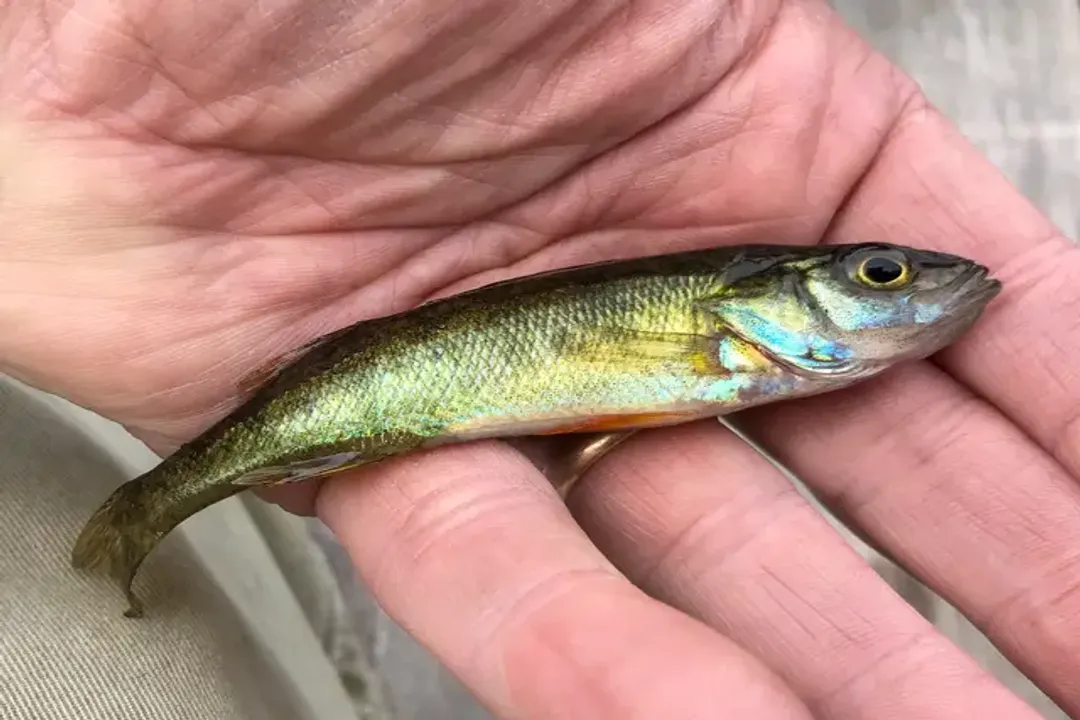
Yellow perch are undeniably one of the most celebrated catches when the goal shifts from the water to the dinner plate. For many anglers, the answer to whether they are worth eating is an emphatic yes, often positioning the humble perch near the top of the freshwater table fare hierarchy. [2][7] These fish consistently appear in discussions alongside other prized catches like Walleye and Crappie, celebrated for their delicate texture and mild flavor profile. [2]
# Taste Consensus
The consensus across various fishing communities is remarkably positive. Yellow perch meat is frequently described as white and flaky. [2] This characteristic places it firmly in the category of fish many anglers seek out for consumption, a group that also includes Walleye, Crappie, and even Rock Bass in freshwater settings. [2] Some devoted fans go so far as to call yellow perch the best tasting freshwater fish available, declaring that there is "no BS" about its quality. [3] For those who prefer a lighter, non-oily fish, perch delivers that clean profile. [2]
The popularity is not limited to casual dining; the demand for yellow perch is substantial enough to support a commercial fishery in some regions. [7] It's a staple in Midwest culture, frequently featuring on the menus at local restaurants and supper clubs. [7]
# Walleye Rivalry
The most common comparison for yellow perch is its close relative, the Walleye, as Walleye is scientifically part of the perch family. [2] Opinions diverge on which holds the crown. Some conversations rank Walleye as the undisputed second best, right behind perch. [1] Conversely, others state that yellow perch is far superior to Walleye, at least according to the sentiment of their local populations. [1] For those who love both, the difference often comes down to texture across different sizes, as they share that sought-after flaky white meat.
When compared to other species, the verdict is equally strong. One seasoned fish lover claims that yellow perch is definitively better tasting than trout, which they suggest has "no taste at all". [1] While flathead catfish meat might rival the best freshwater fish for some by tasting sweet and white like lobster, [1] others firmly assert that no catfish in the universe can compare with any Yellow Perch on a dinner plate. [1] For those who love simple preparations, the clean flavor allows the inherent quality of the meat to shine through without needing heavy masking. [1]

# Harvesting Plenty
A practical consideration for any table fish is the yield. While delicious, perch are often smaller than species like Walleye or larger bass, meaning a satisfying meal often requires catching a good amount of them. [3] If you only manage to land the smaller specimens, say around six inches, the amount of time spent cleaning might outweigh the reward. This leads to a common practice: anglers often release the smaller fish and only keep those that are worth the effort of filleting. [2]
If you are targeting fish that average about ten inches, which are certainly worth cleaning, you might find yourself with an overwhelming haul if the bite is hot, as evidenced by one report of catching two dozen perch in a single outing. [3] This points toward a practical consideration for the home cook: deciding on a target catch weight rather than just a number of fish. For example, if you aim for a family feast that requires about two pounds of boneless fillets, knowing the average fillet weight of a ten-inch perch—which might only be a few ounces—allows you to calculate how many fish you truly need to keep before you stop fishing for the day. [2] Taking a conservative approach, perhaps keeping only the fish over ten or eleven inches, ensures you maximize the reward for the time spent processing them.
If you manage to catch a few of the mongo-Perch—say, those nearing or exceeding thirteen inches—those larger specimens are certainly prized for the superior tug-of-war they offer on ultralight gear and the better fillet yield they provide. [2]
# Culinary Versatility
The widespread adoration for yellow perch is supported by the many ways they can be cooked. If you are looking for a classic, deep-fried experience, perch excels here. [2] They are frequently beer-battered and fried, a preparation method that some suggest puts them on par with cod. [3] Another approach is a simpler dust, such as cornmeal, pepper, and frying in a pan with a square of butter until golden brown.
However, dismissing perch as only good when fried is missing out on other fantastic preparations. You don't necessarily need breading and oil to enjoy them. [1]
One highly recommended technique, particularly popular in the Adirondacks, transforms perch into Poor Man's Shrimp. [3] This method involves quickly blanching the fillets—dropping them in boiling water for just a few seconds—and immediately plunging them into ice water. [3] This process helps the fillets hold their shape, allowing them to be served with cocktail sauce, much like shrimp. [3] This quick-boil method is noted to work well for perch, sunfish, and crappie, but not for bass fillets, which tend to fall apart. [3]
Other methods highlighted by experienced eaters include:
- Lightly broiling the fillets in the oven and dipping them in melted butter.
- Smoking the perch, which one person noted was excellent.
- Adding a touch of ground ginger to the frying oil to enhance sweetness when dusting the fillets with a Cajun mix.
If you prefer to taste the fish itself rather than the coating, remember that you can broil, blacken, or boil perch instead of opting for a heavy fry. [1]
# Processing Tips
Proper processing is just as important as the cooking method when dealing with freshwater catches. To truly unlock the potential of perch meat, focusing on immediate chilling after the catch is paramount. If a fish dies and the meat is allowed to warm, the chemical process that generates an off-putting, "fishy" taste begins immediately. Therefore, the practice of filleting the fish and immediately plunging those skinless, boneless fillets into a bowl of ice water is highly effective at reducing or eliminating that taste before they ever hit the pan.
Another consideration mentioned, though often dismissed by those who keep the fish well-cooked, is the presence of worms. Some anglers have heard concerns about eating perch in the summer due to worms, but the common advice is to either poke them out with the fillet knife or ensure the fish is well cooked. Since perch are active year-round, the time of year shouldn't inherently prevent consumption, provided hygiene and cooking standards are met. [7]
When it comes to filleting technique, an ultra-sharp, flexible knife is key. For efficiency, especially when cleaning dozens of fish, using an electric fillet knife can significantly speed up the process.
# Location and Environment Factors
Yellow perch are native across the northern U.S. east of the Rockies and through much of Canada, thriving in vegetated, relatively shallow waters, though they can be found deeper occasionally. [7] They are schooling fish, often arranged by size and age. [7] Their diet shifts from zooplankton when young to insects, crayfish, and small fish as adults. [7]
One interesting nuance that can affect the flavor of any fish, including perch, relates to their diet and environment. For instance, some noted that bass from highly clear, well-fed reservoirs tasted incredible, while bass from warmer Texas waters were considered second-class fare. [1] While the sources don't explicitly state that the diet of perch drastically alters its flavor profile like they suggest for trout (whose flesh color varies based on shrimp/bug consumption versus minnow consumption), it stands to reason that perch feeding heavily on clean insects versus more bottom-dwelling fare in murky water will offer a cleaner final product. If you notice a difference in the flavor of perch from different bodies of water, investigating the local food chain—the prey species available to the perch—can often reveal the reason behind the variance in taste, much like how the texture and flavor of flathead catfish were described as mirroring halibut or lobster based on what they ate. [1]
Ultimately, the experience of eating yellow perch seems tied not just to its inherent quality but to the context of the catch. Whether you are hauling them in through the ice or netting a dense school on an open-water trip, the reward—a plate of delicious, white, flaky fillets—confirms why these feisty panfish are considered one of the best freshwater tablesavers around. [2][7]
#Videos
What Taste Better? WHITE Perch VS YELLOW Perch (Catch Clean ...
Related Questions
#Citations
Do many people eat yellow perch? : r/Fishing - Reddit
Is Perch Good To Eat? – From the Lake to the Plate - Fish'n Canada
Everything You Need To Know About Yellow Perch
What Taste Better? WHITE Perch VS YELLOW Perch (Catch Clean ...
Isn't yellow perch the tastiest freshwater fish? - Smoking Meat Forums
Eating yellow perch ! | New Brunswick Fishing Forum
DOES ANYONE EAT BLUEGILL OR PERCH? - Trapshooters Forum