Which famous delicacy is produced in Toledo?
The historical city of Toledo, often called the "City of Three Cultures," possesses a gastronomy as layered and complex as its ancient walls. It is a place where the echoes of Jewish, Arab, and Christian culinary traditions have merged over centuries, resulting in a food scene that is both deeply rooted and surprisingly creative. While Toledo was recognized as the Spanish Gastronomy Capital in 2016, signaling its importance on the national stage, its most famous delicacies are often sweet treasures or hearty mountain fare, reflecting the sober, often rural origins of the broader Castilla-La Mancha region. To truly understand Toledo through its palate is to move from the spiced sweetness of its iconic dessert to the robust, gamey flavors of its ancestral stews.
# Sweet Perfection Marzipan
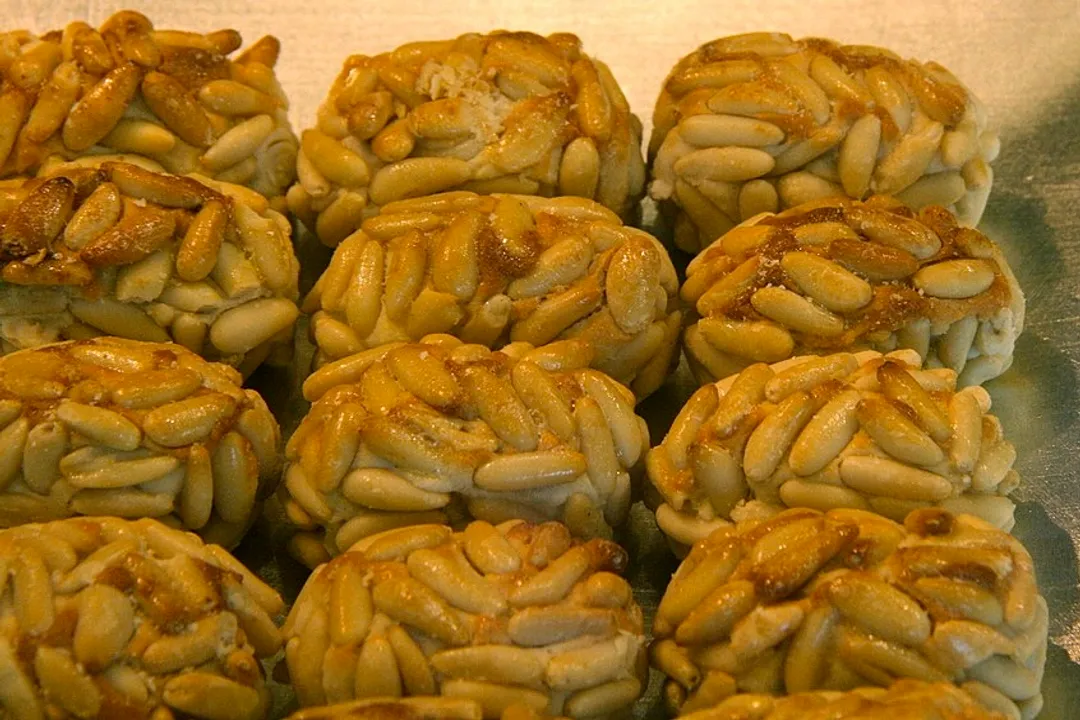
If one single product must be crowned the most famous delicacy produced in Toledo, it is undoubtedly Mazapán de Toledo, or marzipan. This confection is more than just a sweet treat; it is a tangible piece of the city's history, an artifact crafted from simple, precious ingredients: ground almonds, sugar, and egg white, formed into a smooth paste. The origin story itself speaks volumes about Toledo’s crossroads status; legend credits the nuns of the San Clemente Convent with creating the first iteration, combining almonds plentiful in the region with sugar introduced by the Arabs.
The tradition remains fiercely guarded. While many local confectionery shops offer their interpretations, perhaps the most unique way to acquire this historic sweet is directly from the nuns themselves. Visitors can purchase the traditional recipe from the Convento de San Clemente through a rotating wooden shelf—a silent transaction that connects the buyer directly to a medieval practice. For those seeking wider variety or intricate presentations, historic shops like Confitería Santo Tomé—producing sweets since 1856—provide an array of figurines, fruits, and beautifully packaged gift boxes. Other treats like polvorones and turrones share shelf space, but the almond paste remains the star. It’s fascinating to observe how this simple combination of ingredients evolved from a necessity dictated by convent life and trade routes into an artistic export; one can find marzipan molded into everything from traditional fruits to highly detailed, modern sculptures, representing a silent competition among confectioners to demonstrate their skill while respecting the ancient core recipe.
# Hearty Stews Game
To move beyond the sugar rush and into the main courses that define Toledan cooking, one must turn to the game and pork that dominate the local tables, dishes that speak to a history of hunting in the landlocked Castilian landscape.
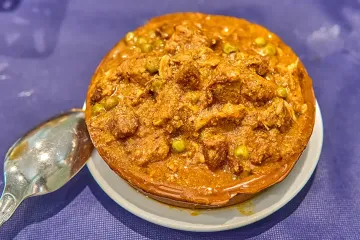
The undisputed savory icon of the city is Carcamusas. This is not a dish for the faint of heart or the delicate palate; it is a rustic, comforting stew built around cubes of tender pork loin, simmered slowly with tomatoes and peas until the flavors meld into a rich sauce. Its popularity is legendary, with specific establishments claiming to have perfected the original recipe over generations. Locals often enjoy it with crusty bread, essential for soaking up every last bit of the sauce.
Complementing the Carcamusas is the prominence of game meats, a reflection of the nearby mountains. Perdiz a la Toledana showcases this tradition; here, partridge is slow-cooked, often stewed with wine, garlic, and herbs to tenderize the robust meat. Similarly, Venado a la Toledana features venison cooked in a savory sauce, allowing the gamey flavor to become deep and mellow rather than harsh. For those preferring terrestrial, non-game options, Cochifrito—young lamb or goat fried until crispy and seasoned with garlic and herbs—offers another satisfyingly savory bite. These dishes showcase the region’s history of making the most of available resources, favoring long cooking times to ensure tenderness.
When planning a meal focused on these traditional savory items, a small local insight is worth noting: the best places to find authentic versions often include tabernas or restaurants that emphasize a menú del día (menu of the day), where daily specials often feature these slow-cooked regional recipes like Carcamusas or stuffed partridge, sometimes offering better value than the à la carte selections.
# Regional Terroir Wine Cheese
Toledo’s culinary identity is inseparable from the land surrounding it, particularly through its celebrated cheese and its dedicated wine production area. The cuisine of Castilla-La Mancha relies on staples best suited for a hard-working, rural population, prioritizing calorie-dense ingredients.
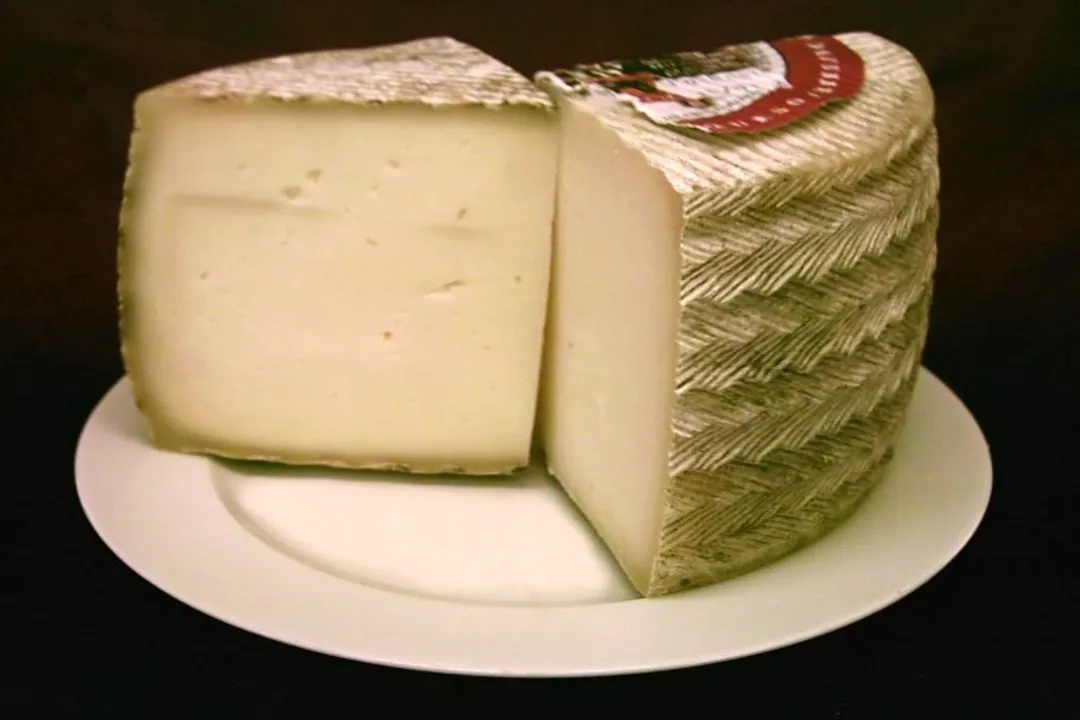
The most recognized ambassador from the region is, of course, Manchego Cheese (Queso Manchego). Made exclusively from the milk of the indigenous Manchega sheep breed, this cheese accounts for over 30% of all cheese production in Spain. Its texture is dense and fairly hard, with a color leaning toward ivory-white. The flavor profile shifts dramatically with age: young cheese presents a tart characteristic derived naturally from the sheep's milk, but as it cures, it develops a complex profile described as a "delicate balance of buttery, tart, sweet, and nutty". Whether enjoyed simply with bread or as a rich topping for dishes like roasted eggplant, its presence anchors many meals.
Furthermore, the region supports its own recognized wine production. While the vast D.O. La Mancha is widely known, the province of Toledo is specifically associated with the D.O. Méntrida designation. This local wine, whether red or white, is designed to complement the rich, often heavy, meat and legume-based dishes that characterize the local diet. A thoughtful pairing involves understanding the austerity that informed much of the region's historical cooking—simple ingredients cooked well—and recognizing how modern chefs now use that foundation to launch incredibly refined dishes. Today's culinary scene successfully navigates this duality: you can taste the austere, shepherd-style gachas de almorta (a pea flour paste) one day, and the next, experience a Michelin-quality tasting menu that elevates those rustic concepts using the same regional terroir. This contrast between the historical modesty of the peasant diet and the current ambition of its fine dining sector is a compelling element of Toledo's food narrative that a visitor should actively seek out.
# Other Notable Pairings
While Mazapán and Carcamusas hold the primary fame, a true immersion into Toledan gastronomy requires sampling other dishes that demonstrate the fusion of cultures and the use of local produce.
For a starter, Sopa Castellana offers warmth and flavor derived from simple components. This is a comforting garlic soup, built on a base of bread, enriched with paprika, and traditionally finished with a poached egg. It’s a perfect example of how the cuisine maximizes flavor from few ingredients.
The influence of historical communities is evident in dishes like Perdiz estofada (stewed partridge), which shows the inheritance of slow-cooking techniques from the Jewish community. Simultaneously, the Arab influence is apparent in the sophisticated use of spices, such as saffron, in various regional preparations.
For those enjoying freshwater catches, Truchas a la Toledana—trout prepared with a savory mix involving garlic, almonds, and white wine—highlights ingredients available from the nearby rivers. Another option reflecting the land's produce is Atascaburras, a regional favorite often combining salt cod with mashed potatoes.
Ultimately, tasting the food of Toledo is an exercise in historical geography. Whether it is the almond paste developed under Moorish influence, the hearty stews sustained by the region’s hunting traditions, or the cheese reflecting the native Manchega sheep, every delicacy tells a story of adaptation, faith, and heritage nestled within the Tagus river bend.
Related Questions
#Citations
Favorite Foods In Toledo - 10 Essential Dishes Locals Absolutely Love
What to Eat in Toledo, Spain: Local Delicacies Uncovered
Manchego cuisine - Wikipedia
7 things you mustn't miss if you visit Toledo