Is idli sambhar good for the gut?
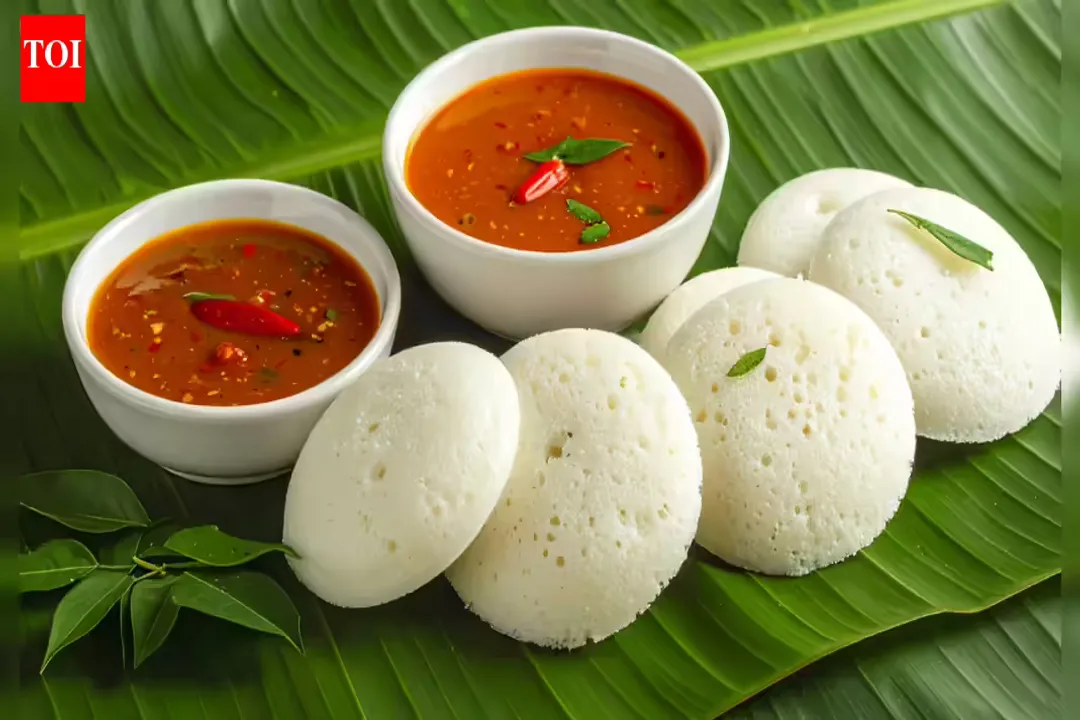
The pairing of idli and sambar is a staple across South India, often celebrated for its comforting nature, but its reputation extends deeply into digestive wellness. When we look closely at how these foods are prepared, particularly the process applied to the idli batter, the connection to gut health becomes clear. This traditional meal is not merely a combination of steamed rice cakes and lentil stew; it represents a time-honored method of enhancing nutrient bioavailability and promoting beneficial gut flora. [1][3]
# Fermented Advantage
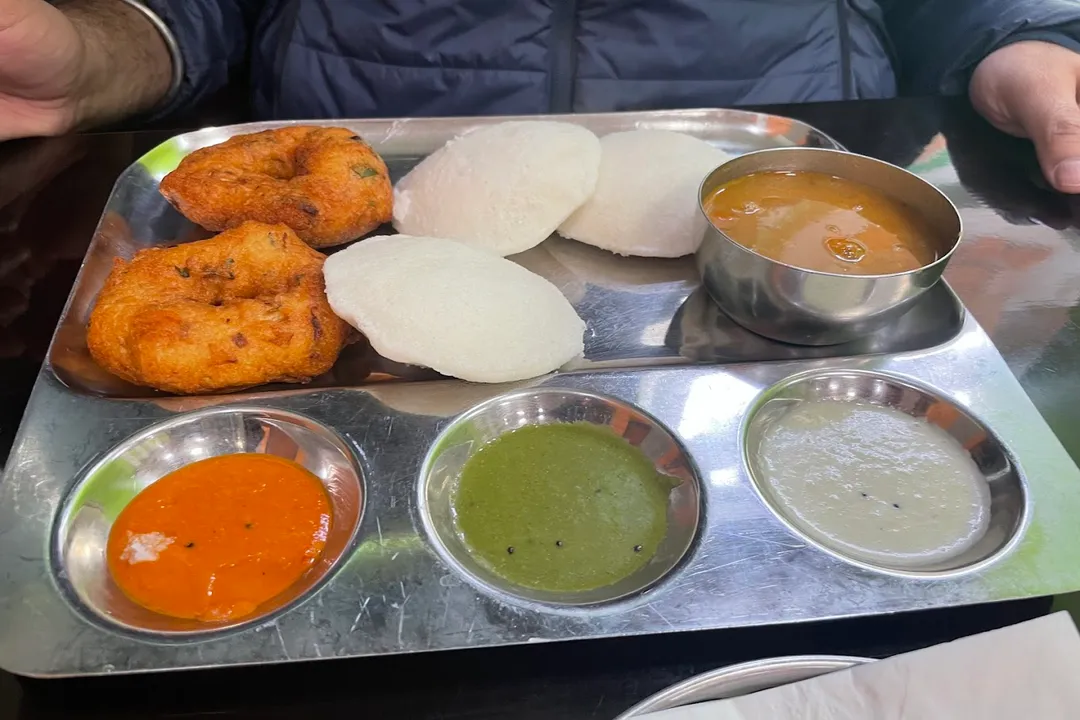
The primary reason idli, along with its cousin dosa, receives praise for gut support lies in the fermentation of the batter. [1][5] This is not a quick step but a biological process where microorganisms in the starter culture or the environment act upon the ground rice and urad dal mixture. [1][5] This microbial activity breaks down complex components, making the final product easier for our digestive systems to process. [1] Fermented foods, generally speaking, are renowned for introducing beneficial bacteria, often termed probiotics, into the digestive tract. [1][4] The bacteria that flourish during the extended fermentation time of idli batter are the same types that can help balance the gut microbiome. [5] Interestingly, while modern, quick-rise or instant mixes offer convenience, the traditional method—allowing the batter to ferment naturally for eight to twelve hours—often leads to a significantly higher density and diversity of these beneficial microorganisms, which is a key difference when assessing true gut benefits versus simple texture. [1]
# Light Digestibility
Idli itself is fundamentally light, especially when compared to other common breakfast items. It is predominantly made from fermented rice and black gram (urad dal) that has been steamed. [8] The steaming process ensures the final product is soft and easily broken down by the stomach acids and enzymes. [2] This characteristic means it puts very little strain on the digestive system, making it an excellent choice for an early morning meal when the digestive fire may still be kindling. [2] Furthermore, the fermentation itself predigests some of the starch and proteins present in the rice and lentils, a pre-digestion step that eases the burden on the body later on. [1] For those with sensitive stomachs or during periods of recovery, its mild nature is a significant plus. [2]
# Lentil Fiber
While the idli provides the fermented base, the sambar brings the necessary fibrous bulk and varied nutrients. Sambar is essentially a vegetable and lentil stew. [8] The lentils, typically toor dal (pigeon peas), are rich in both protein and dietary fiber. [8] Fiber is non-negotiable for maintaining regularity and feeding the existing good bacteria in the colon. [8] A well-made sambar incorporates a wide array of vegetables, which contribute essential vitamins, minerals, and different types of prebiotic fiber—the food that your existing gut flora thrives on. [8]
If you are aiming to maximize the gut-healing potential of your sambar, focus on the vegetable choices. For instance, utilizing vegetables with their skins intact, such as certain types of gourds or carrots, introduces more insoluble fiber, which aids in promoting movement through the digestive tract. [8] Think of the idli as the probiotic delivery system and the sambar as the prebiotic fuel station necessary for those probiotics to settle in and multiply. [8]
# Nutritional Synergy
The combination offers a more complete nutritional profile than either component alone. The idli supplies easily digestible carbohydrates, while the urad dal adds protein to the batter. [8] The sambar then layers on additional high-quality plant protein from the lentils, along with the vitamins and minerals from the numerous vegetables. [8][9] This pairing results in a balanced meal that provides sustained energy without the sharp spikes or heavy sluggishness sometimes associated with high-fat or overly processed breakfasts. [9] The balance of macronutrients—carbs, protein, and fat (often minimal in idli but present in the tempering/ghee added)—supports overall bodily functions while keeping the gut happy. [9]
# Quality Control
It is critical to acknowledge that the health value of idli sambar is heavily conditional on its preparation. [2] The potential harms mentioned are usually linked to deviations from traditional, clean preparation methods. [2] For instance, using poor quality, aged, or improperly stored lentils and rice can introduce undesirable elements. [2] Similarly, if the sambar is overloaded with excessive amounts of refined oil or is excessively spicy, it can irritate the digestive lining, counteracting the gentle benefits of the idli. [2] For instance, overly sour sambar made from poor quality tamarind or excessive amounts of chili powder can be harsh on sensitive stomachs. [2] Maintaining hygiene during the soaking, grinding, and fermenting stages is essential to ensure that beneficial bacteria thrive over spoilage organisms. [1]
# Maintaining Balance
While the fermentation process is generally beneficial, some individuals might experience temporary bloating or gas when first introducing fermented foods into their diet, particularly if their baseline gut health is compromised. [5] This is usually a sign of the microbiome shifting as new beneficial populations begin to establish themselves. [5] A gentle approach, perhaps starting with smaller portions of idli or ensuring the sambar is richer in mild, easy-to-digest vegetables like bottle gourd or ash gourd rather than overly fibrous greens, can ease the transition. [8] Considering that idli is mostly carbohydrate, pairing it with a generous bowl of sambar—aiming for a 1:2 ratio of idli to sambar by volume—ensures you get enough protein and fiber to create a truly well-rounded, gut-supportive meal rather than just a carb-heavy snack. [8] This careful calibration transforms the dish from simply good to actively digestive-system friendly.
Related Questions
#Citations
Why Fermented Foods Like Idli & Dosa Are Great for Your Gut
Decoded: 7 health benefits of eating a bowl of idli and sambar and 3 ...
Can Idlis and Dosas Improve Your Gut Health? - Continental Hospitals
Why Fermented Indian Foods Like Idli & Dhokla Are Gut-Healthy ...
Is Idli Good for Gut Health? Exploring the Benefits of This Fermented ...
Fortis Bengaluru nutritionist shares best Indian breakfasts for gut ...
Idli: The South Indian Superfood for Everyday Health | Dr Pal
Rice Idli And Sambhar: Nutritional Facts And Health Benefits
Idli Sambar: A Nourishing Combination of Health and Taste - LinkedIn