Health Benefits of Xà Lách
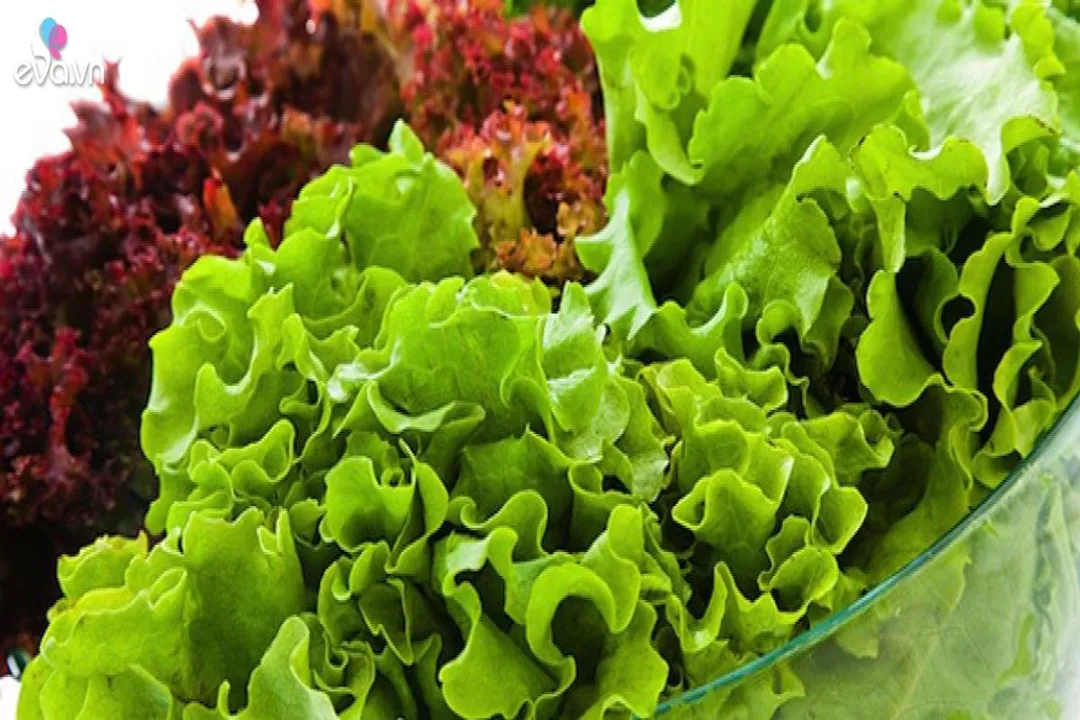
The unassuming leaf known as Xà Lách, or lettuce in the broader sense, is far more than just a crisp bed for main dishes or a textural addition to a Vietnamese gỏi cuốn. This common green, which botanically belongs to the Lactuca genus—a name derived from the Latin word for milk, referencing the white, milky sap that often exudes when the leaves are cut [1]—is packed with compounds that support a wide array of bodily functions. From supporting bone density to potentially safeguarding vision, understanding the full spectrum of benefits locked within these fresh leaves reveals why this vegetable has been cultivated for millennia, originating in the Mediterranean region and first documented in ancient Egypt.
# Fundamental Nutrients
At its most basic, Xà Lách offers high nutritional value for very low caloric cost. It is primarily composed of water, often exceeding 95% of its weight, making it an excellent component for daily hydration, even if it doesn't replace direct water intake. [1][2] Nutritionally dense, a 100-gram serving typically contains only about 15 calories and around 2.9 grams of carbohydrates. [1] However, what it lacks in density, it makes up for in micronutrients. Lettuce supplies a spectrum of essential vitamins, including various B vitamins like thiamin, riboflavin, niacin, and folate (Vitamin B9). [1] It is also a good source of Vitamin C, Vitamin E, and, notably, Vitamin A and Vitamin K. [1][2]
Mineral content is also significant, featuring potassium, magnesium, iron, calcium, phosphorus, and zinc. [1] Certain varieties shine brighter than others; for instance, green leaf lettuce is sometimes cited as carrying more protein, calcium, and a broader array of vitamins compared to other types. Regardless of the specific cultivar, integrating these greens ensures a regular intake of these fundamental building blocks for overall well-being.
# Bone Strength
One of the more tangible benefits linked to regular lettuce consumption revolves around skeletal integrity. This is primarily attributed to its Vitamin K content, which is vital for bone health. [1][2] Vitamin K, also known as Phylloquinone, assists in the process of transporting calcium throughout the body, a necessary step for the formation and maintenance of strong bone tissue. Adequate intake may help reduce the risk of bone fractures. [1] Considering that many types of lettuce contain this essential fat-soluble vitamin, swapping out less nutrient-dense components of a meal for Xà Lách is a simple way to support long-term skeletal resilience.

# Cardiovascular Support
The impact of Xà Lách extends to maintaining a healthy circulatory system, targeting several risk factors associated with cardiovascular disease (CVD). [2] Research, including a study conducted on mice, suggested that the consumption of lettuce could significantly lower levels of harmful LDL cholesterol, which is a key contributor to heart problems like strokes and heart attacks. [1] Beyond cholesterol management, lettuce contains compounds that actively protect the system. It provides Vitamin C and beta-carotene, which work synergistically to prevent the oxidation of cholesterol. Furthermore, the presence of polyphenols supports overall vascular health by helping to reduce inflammation and regulate blood lipid levels. [2] When you choose darker, leafier varieties, you are also gaining more antioxidants like beta-carotene and lutein, compounds shown to offer protection against cardiovascular damage. [2]
# Vision Protection
For eye health, Xà Lách is a notable dietary addition, mainly due to its Vitamin A content. [1][2] Vitamin A is a non-negotiable nutrient for maintaining good vision. [2] Consuming adequate amounts can reduce the likelihood of developing cataracts and help prevent age-related macular degeneration. [1][2] Furthermore, the presence of the antioxidant lutein, particularly concentrated in lettuce, is directly associated with protecting the eyes from damage. [2] This multifaceted nutritional profile means that this common green supports eye health from multiple angles: structural support via Vitamin A and active protection via antioxidants.
# Digestive and Metabolic Function
The role of lettuce in maintaining a healthy digestive tract is significant, largely thanks to its fiber content. Dietary fiber helps in smoothing the digestive process and aids in eliminating toxins from the body, which contributes to general detoxification. Since many common types of lettuce are also high in water, they naturally support gut regularity and keep the body hydrated, assisting the kidneys and liver in waste removal.
For those managing weight, lettuce is an excellent food choice. It is inherently low in calories while providing beneficial fiber and cellulose, which contributes to feelings of fullness and helps the body process fats and carbohydrates more efficiently. The presence of protein in lettuce also plays a part in energy production within the body, which is intrinsically linked to a functional metabolism. Moreover, its potassium levels are thought to increase blood flow to the brain, potentially improving concentration and sensory activities.
# Sleep and Mood Regulation
Historically, certain types of lettuce have been recognized for their calming properties. Research has suggested that lettuce extracts can possess anti-anxiety characteristics. [1] Furthermore, studies indicate that lettuce contains an isolation of a depressant chemical that has sedative effects, potentially lowering heart rate and aiding in falling asleep more soundly. While some findings relate to specific extracts, the general consumption of lettuce has been traditionally used as a sleep inducer. [1] The carbohydrate content can also contribute indirectly by prompting the body to produce insulin, which is itself involved in promoting sleep regulation.
# Skin and Hair Nourishment
The combined effect of hydration, detoxification, and essential vitamins contributes to healthier skin. By helping to clear out bodily toxins and supplying necessary minerals, regular consumption can lead to clearer, more radiant skin and may even aid in addressing acne concerns. The vitamins present can help revitalize skin cells, potentially giving it an anti-aging benefit. For hair, lettuce supplies silicon, phosphorus, and sulfur—minerals crucial for hair growth. The vitamins and essential nutrients it provides nourish the hair follicles, and the regular intake of its juice may even stimulate growth and help prevent premature graying due to its Vitamin K and Potassium content.
# Essential Precautions and Smart Preparation
While Xà Lách is generally safe for most individuals and is not a common allergen, the method of preparation is critical to realizing its benefits safely. [1] The biggest known risk associated with raw lettuce consumption in recent years is contamination by harmful bacteria like E. coli, Salmonella, or Listeria, often stemming from contaminated soil or irrigation water. [1][2] To mitigate this risk, one must move beyond a quick rinse.
Here is a necessary preparation sequence to ensure safety:
- Initial Cleaning: Gently remove any heavily soiled outer leaves that are clearly damaged or withered.
- Thorough Rinsing: The single most effective step is washing each leaf individually under a steady stream of running water. This mechanical action helps dislodge residues, pesticide traces, and potential worm eggs clinging to the leaf surfaces. [1]
- Soaking Stage: Submerge the rinsed leaves in a bowl of lightly salted or diluted vinegar water for about 10 to 15 minutes. [1] This helps draw out any deeply embedded contaminants.
- Final Rinse and Drying: After soaking, give the leaves another rinse under clean, running water. [1] Crucially, the leaves must be dried completely afterward—using a salad spinner or clean cloth—to prevent bacterial growth, which thrives in moisture. [1]
It is also important to practice good kitchen hygiene by keeping raw lettuce separate from raw meats, poultry, and seafood during preparation to avoid cross-contamination on cutting boards and utensils. [2] While most lettuce varieties are safe, caution is advised with wild lettuce, which can have different effects, including potential drowsiness in pregnant women.
When selecting your greens, remember that darker leaves generally concentrate more nutrients than lighter ones. If you are focused on maximizing iron, potassium, and folate, aiming for Butterhead or Romaine might offer a slight edge over standard Iceberg varieties. This simple decision at the grocery aisle can subtly adjust the nutritional return of your next salad. The decision to consume lettuce raw, as is common in salads and wraps, maximizes its nutrient profile, though it can also be included in soups or lightly cooked preparations. By respecting its need for careful cleaning, Xà Lách transitions from a simple vegetable to a powerful, low-calorie nutritional asset.
Related Questions
#Citations
How is lettuce good for your health? - Vietnam.vn
Rau xà lách: Công dụng và những lưu ý khi ăn để tránh nhiễm giun ...
Benefits of Lettuce (Salad Patta) And Its Side Effects - Lybrate