Health Benefits of Navy Bean
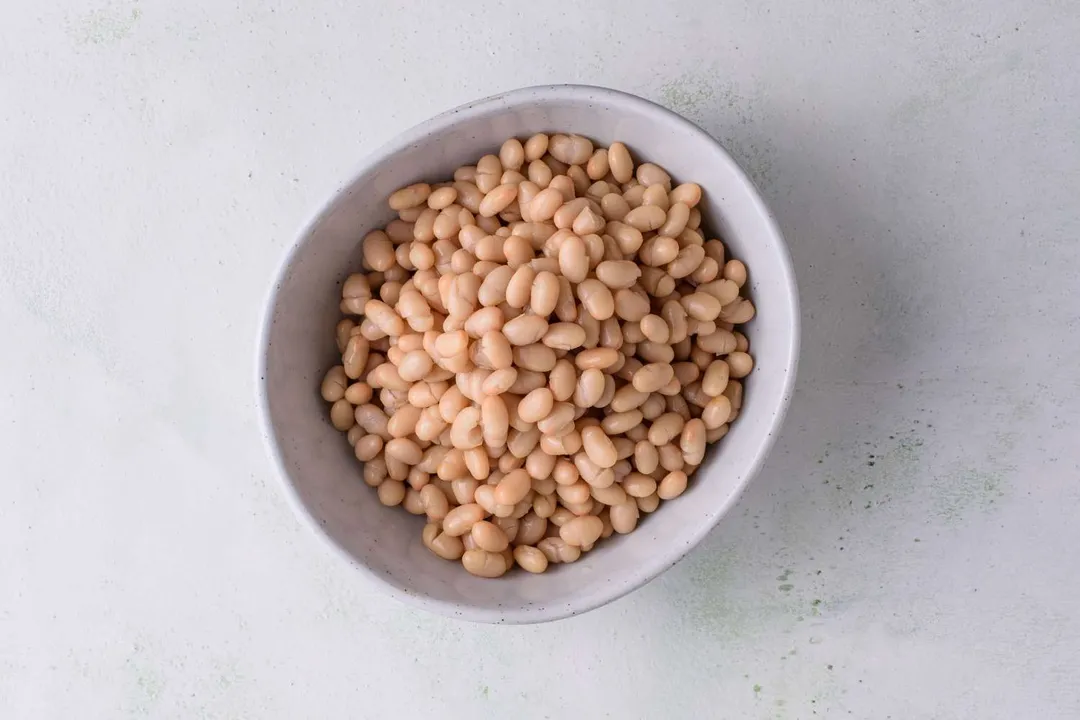
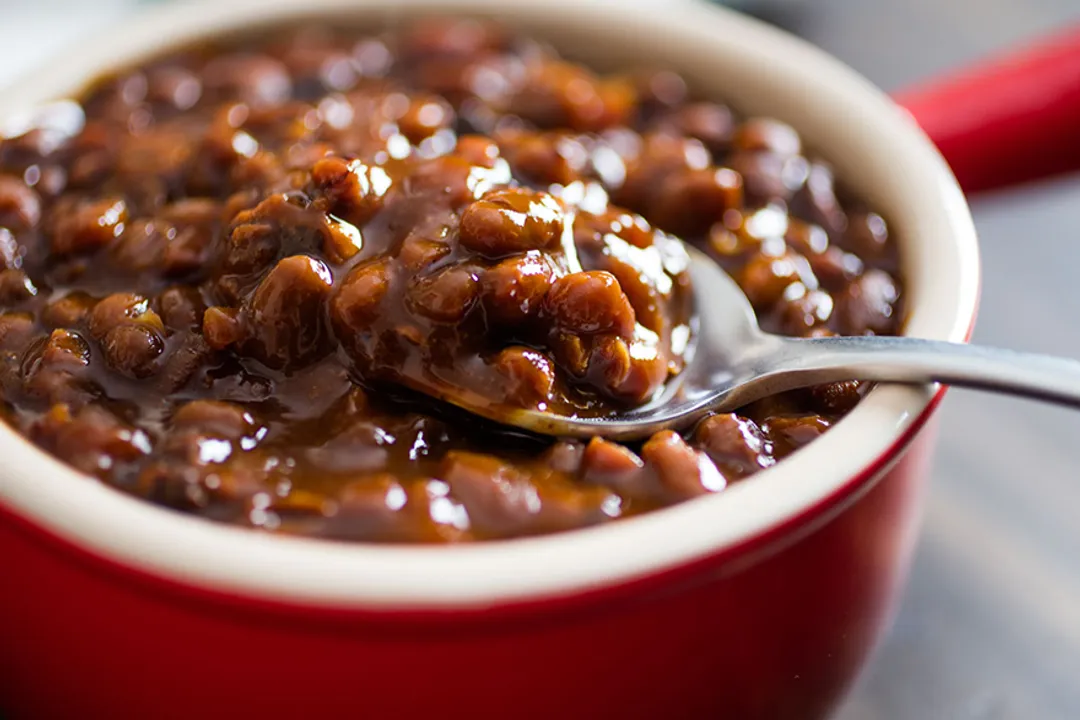
Navy beans, often known by names like the haricot, pearl haricot bean, or Boston bean, carry a culinary history closely tied to maritime life. [1][5] Their distinct name originates not from their color, but because they served as a dietary staple for sailors in the U.S. Navy, valued for their robust nutrition, affordability, and excellent shelf life. [1] Though they have deep roots in the Americas, having been cultivated there for centuries, they also became famous as the centerpiece of Boston baked beans. [7][1]
# Nutrient Density
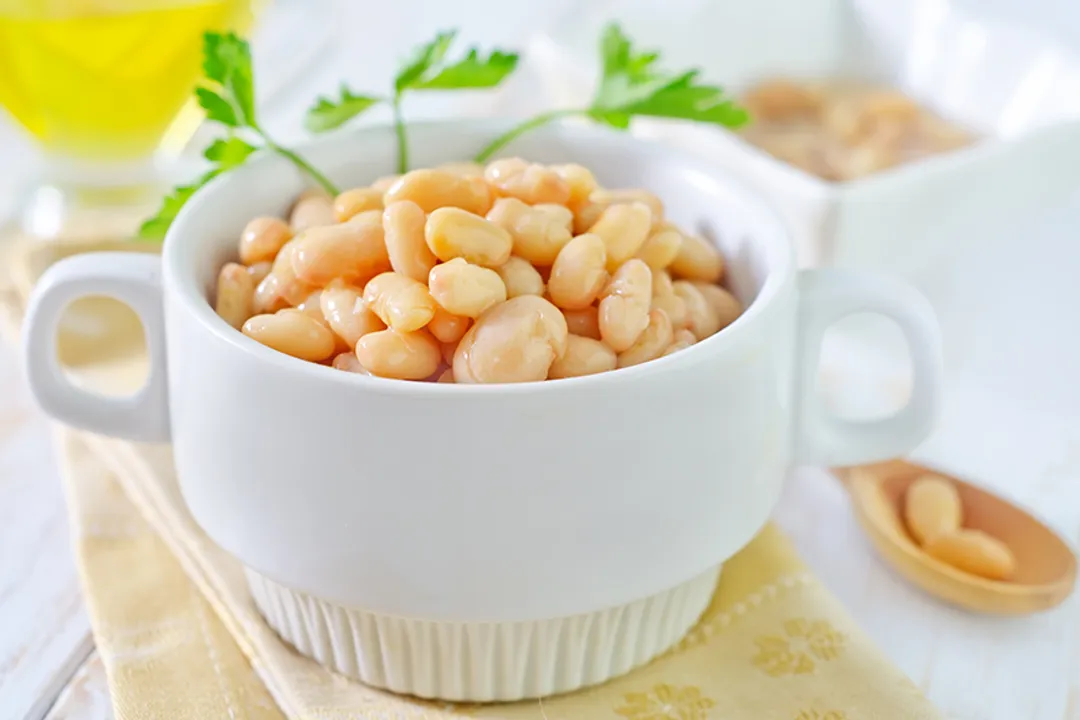
The small, oval, slightly flattened navy bean packs a significant nutritional profile, making it a valuable component of any balanced eating pattern, particularly for those seeking plant-based options. [4][5] A standard half-cup serving of cooked, unsalted navy beans provides about 128 calories. [4] They are primarily composed of complex carbohydrates—about $23.7$ grams per half-cup—with only trace amounts of sugar (around $0.3$ grams). [4] This complex structure means they release energy slowly, promoting stable blood sugar levels rather than causing a rapid rush, which keeps one feeling more consistent throughout the day. [1]
Protein is another major contribution, offering approximately $7.5$ grams per half-cup serving. [4] While most plant-based proteins, including navy beans, are considered incomplete because they may lack one or two of the nine essential amino acids—specifically methionine and tryptophan—they are foundational when part of a varied diet. [3][4] The inclusion of lysine, an amino acid vital for tissue repair and protein synthesis, is noteworthy in this profile. [4]
The micronutrient richness is substantial. Navy beans deliver high amounts of essential vitamins and minerals, standing out as excellent sources for several key nutrients. For instance, a single serving provides nearly a quarter of the daily requirement for iron, crucial for oxygen transport. [1][4] They are also rich in B vitamins, offering over $60%$ of the recommended daily intake of folate and over $25%$ of thiamin. [1] Furthermore, they supply a large dose of manganese (nearly half the daily need), which assists the body in metabolizing fats, cholesterol, and amino acids. [1][5] Other important minerals present include magnesium and potassium, along with trace amounts of healthy unsaturated fats. [4]
# Gut Health
One of the most celebrated aspects of navy bean nutrition is their extraordinary fiber content, often exceeding $9.5$ grams per half-cup serving. [3][4] This high fiber volume is key to appetite control and promoting satiety, helping to manage weight by making you feel fuller for longer. [1][4]
However, the composition of this fiber is particularly beneficial. Navy beans are especially high in resistant starch. [4] Unlike typical starches that are digested in the small intestine and can cause glucose spikes, resistant starch bypasses this area undigested. [4] It travels to the large intestine where it acts as a prebiotic, effectively feeding the beneficial bacteria in the gut microbiome. [4] This slow fermentation process appears to be gentler on the digestive system than other types of fiber, resulting in less associated gas and bloating. [4] The presence of both soluble and insoluble fiber also supports overall regularity; soluble fiber forms a gel to aid digestion, while insoluble fiber adds necessary bulk to stool. [4] In fact, research focusing on colorectal cancer survivors has shown that adding even a cup of navy beans daily can positively influence the gut microbiome. [3]
When considering a food that influences digestion so profoundly, it's worth noting that thorough preparation is non-negotiable. The goal is to cook them completely to deactivate toxic compounds like lectins, but to perhaps favor methods that keep the starches intact longer. While soaking dry beans overnight is traditional, the quick-boil method followed by draining also helps neutralize these issues. [3][7] If one is aiming for maximum prebiotic effect from resistant starch, achieving tenderness through a long, slow simmer after the initial cooking stage might be a prudent approach to maintain textural integrity better than very high-pressure cooking, all while ensuring safety.
# Heart Protection
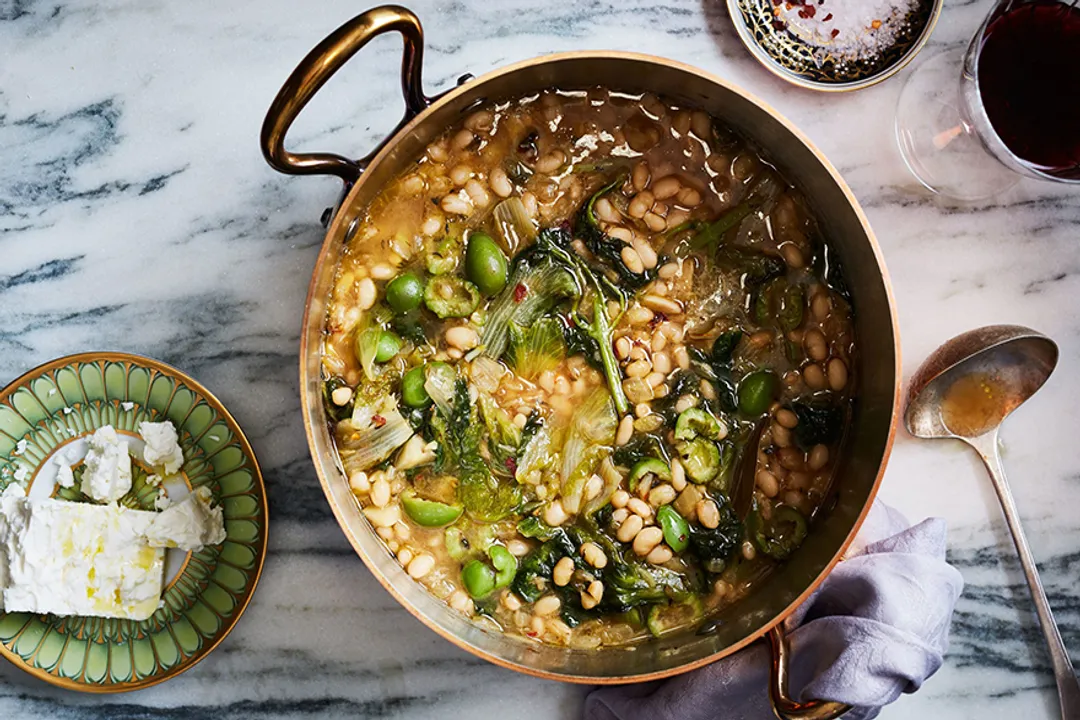
The cardiovascular benefits derived from navy beans are multifaceted, stemming from their fiber, mineral, and antioxidant composition. [4][5] The high amount of soluble fiber directly impacts cholesterol management by working to lower LDL (bad) cholesterol while simultaneously boosting HDL (good) cholesterol levels. [4] Maintaining a healthy ratio between these two is key to reducing the risk of coronary heart disease. [4]
Beyond cholesterol, navy beans contribute to blood pressure regulation through minerals like magnesium and folate. [4] Magnesium is instrumental in maintaining a steady heart rate and normal blood pressure. [4] Folate plays a critical role by helping to reduce levels of homocysteine, an amino acid whose elevated presence in the blood is recognized as a risk factor for heart disease. [4] The antioxidants, such as polyphenols, also help by reducing general markers of inflammation that can contribute to cardiovascular disorders. [5]
# Brain Function
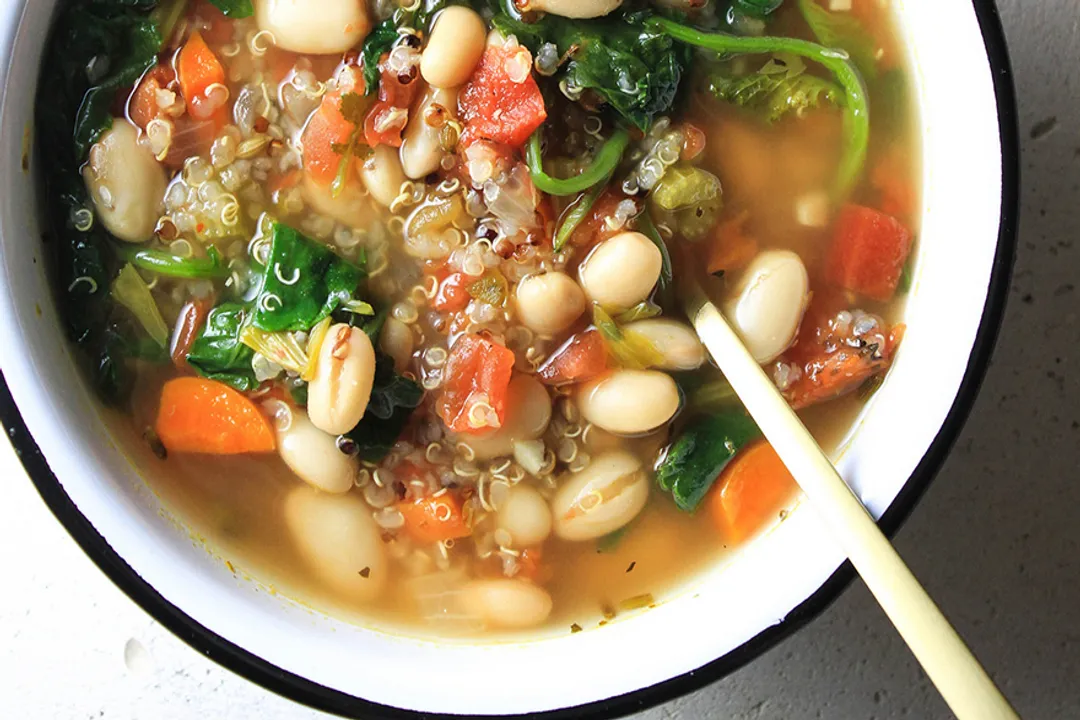
For cognitive health, navy beans offer unique benefits, partly due to their B vitamin content and specific lipid compounds. [4][5] The abundance of folate is well-documented as important for brain performance, with numerous studies linking adequate folate intake to improved memory and cognitive function, and a potentially reduced risk of Alzheimer's disease. [4]
However, an often-cited benefit specific to white beans, including navy beans, is the presence of phosphatidylserine. [5] This is a type of phospholipid that supports brain cell communication and helps increase crucial brain chemicals. [5] Research indicates that phosphatidylserine may play a part in slowing down age-related cognitive decline and has been studied for its potential to improve symptoms associated with Parkinson’s disease and combat depression. [5]
# Metabolism and Repair
The combination of protein and complex carbohydrates makes navy beans an excellent food source for supporting physical structure and energy levels. [4] They are effective for weight management because the high protein and fiber content contribute significantly to feelings of fullness, which naturally reduces overall calorie consumption. [4][5] This effect is further supported by the resistant starch mentioned earlier, which also boosts satiety. [4]
For those focused on fitness, the protein and complex carbs support muscle development and repair. [4] The presence of lysine is crucial here, as it is a building block necessary for protein synthesis and the maintenance of body tissues. [4] The slow-releasing energy from the complex carbohydrates ensures sustainable fuel for workouts, helping to prevent muscle breakdown post-exercise. [4]
Moreover, these beans contribute to metabolic health broadly. Regular consumption of legumes has been associated with a lower risk of developing Type 2 diabetes due to better blood glucose control. [4] In relation to metabolic syndrome—a cluster of conditions including abdominal obesity, high triglycerides, high blood pressure, and elevated fasting glucose—eating beans weekly has been linked to improvements across these factors. [5] Considering this broad impact, the navy bean stands out: few single food items can simultaneously support lowered LDL, stabilized blood sugar, reduced blood pressure, and increased satiety, making it a uniquely efficient inclusion for individuals proactively managing metabolic risk profiles.
# Preparation and Safety
While the nutritional yield is high, understanding how to safely and effectively prepare navy beans is essential. Navy beans cannot be safely consumed raw. [7] They contain phytohemagglutinin, which can cause red blood cell clumping, but proper cooking inactivates this toxin and negates the properties of lectins. [5][7]
For those starting with dried beans, a preparatory step is necessary:
- Inspect and rinse the beans thoroughly. [4]
- Employ the traditional method: soak them overnight (8-12 hours) then drain the soaking water. [4]
- Alternatively, use a quick-cooking method involving a rapid boil, covering, and letting them sit for about an hour. [4]
After soaking and draining, the beans should be simmered, usually covered, for $1.5$ to $2$ hours until tender. [4] If purchasing canned navy beans, they are more convenient, but it is strongly advised to rinse them well before use to eliminate excess sodium, which can otherwise be high. [3][4]
# Varietal Differences
Navy beans are one of several types of white beans. While they are often interchangeable with others like cannellini or Great Northern beans, there are slight distinctions. [7] Navy beans are generally the smallest of the white beans, with cannellini beans often being the most popular variety and Great Northern beans falling in size between cannellini and navy beans. Navy beans possess a mild flavor, making them perfect for absorbing the seasonings in dishes like baked beans or Senate Bean Soup. [1][7] Choosing to introduce variety by swapping out chickpeas for navy beans in dips or using them in salads and casseroles is an easy way to ensure a diverse intake of beneficial antioxidants and nutrients. [3]
#Videos
Navy Beans 101 - Nutrition and Health Benefits - YouTube
Related Questions
#Citations
Navy Beans Nutrition Facts and Health Benefits - Verywell Fit
Navy Beans Nutrition, Benefits, Recipes and Side Effects - Dr. Axe
What is the healthiest type of bean? - MD Anderson Cancer Center
Navy Beans 101 - Nutrition and Health Benefits - YouTube
Navy Bean - alchemyacademy.world
7 Reasons to Put on a Pot of Navy Beans - Lifetime Daily
Nutrition, Health Benefits, Baked Beans Recipe and Contraindications
White Beans: Nutrition, Benefits, and More - Healthline