Health Benefits of Kidney Bean
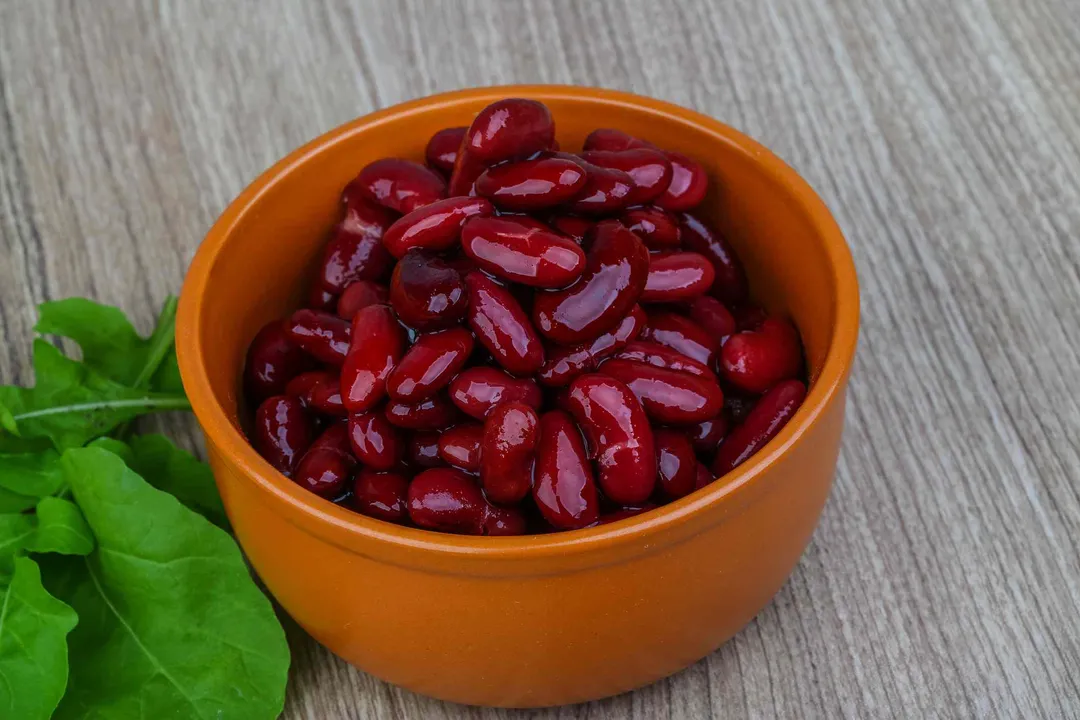
Kidney beans, with their distinctive deep red hue and hearty texture, are far more than just a staple for chili or a side for rice; they pack a substantial nutritional punch that supports numerous aspects of overall well-being. [1][2] These legumes are famous for being a high-protein, high-fiber choice, making them an excellent component of almost any balanced diet. [1][5] When looking at their nutritional breakdown, beans stand out. For instance, they are a good source of several essential vitamins and minerals, including folate, iron, magnesium, and potassium. [1][2] Folate, in particular, is vital for cell division and making DNA, which is critical for rapid cell growth and regeneration. [2]
# Mineral Richness
Diving deeper into their mineral content reveals why incorporating kidney beans regularly can be beneficial for systemic health. [1][2] A cup of cooked kidney beans offers a significant percentage of your daily recommended intake for several key nutrients. They provide a decent amount of iron, which supports oxygen transport in the blood, and magnesium, necessary for hundreds of biochemical reactions in the body. [1] Potassium is also present, an electrolyte crucial for maintaining healthy blood pressure levels by counteracting the effects of sodium. [2][3] Furthermore, kidney beans are notable for their high content of complex carbohydrates and essential vitamins, such as thiamine, which the body needs to convert food into usable energy. [2] This dense profile suggests that regular consumption contributes substantially to meeting daily micronutrient targets without relying heavily on less nutrient-dense foods. [5]
# Blood Sugar Balance
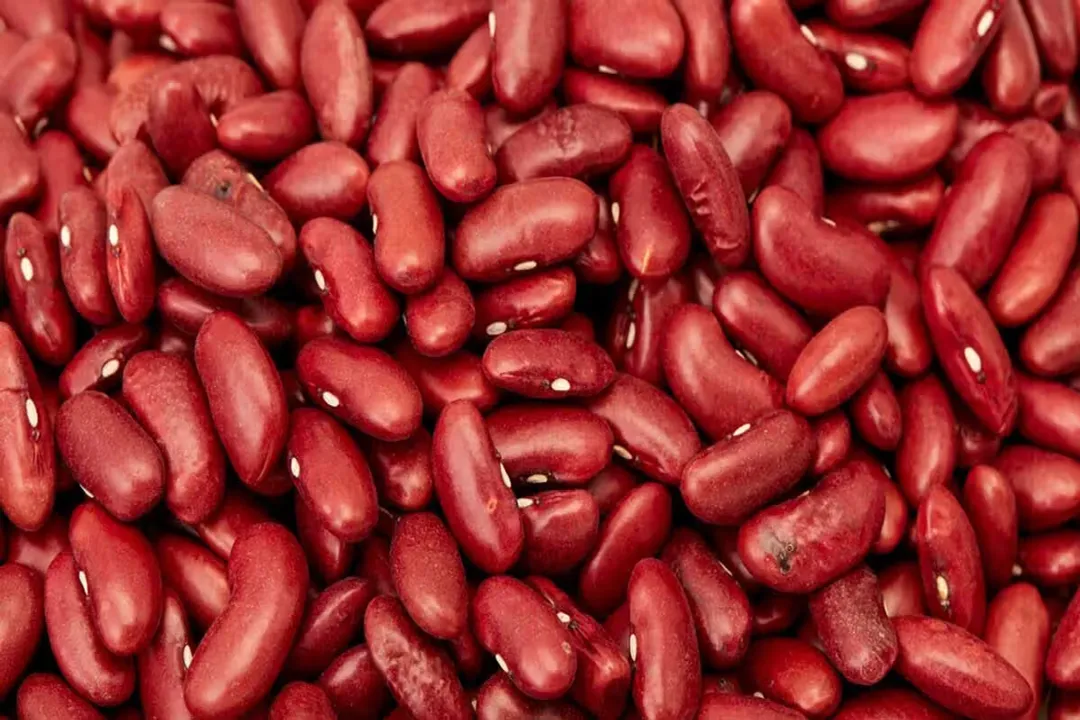
One of the most frequently cited advantages of including kidney beans in meals relates to blood sugar regulation. [1][3] This effect is largely attributed to their remarkable fiber content, specifically their mix of soluble and insoluble fiber, alongside their protein load. [1][2] Fiber slows down the digestion process, which in turn helps to moderate the rate at which glucose enters the bloodstream after a meal, leading to a more stable energy curve. [1][3] This characteristic makes them an excellent addition for individuals focused on managing or preventing type 2 diabetes. [1] When comparing the effect of kidney beans to refined carbohydrates, the difference in post-meal blood sugar spikes can be quite pronounced, offering a sustained energy release rather than a sharp peak followed by a crash. [4]
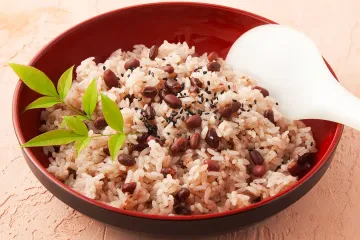
If you are preparing a meal that includes starches like white rice or potatoes, deliberately adding a significant portion of kidney beans—say, substituting half the rice serving with beans—can noticeably blunt the overall glycemic impact of that plate. This simple caloric swap shifts the macronutrient balance away from quick-release sugar toward slow-digesting fiber and protein, an easy modification for better metabolic control. [1][4]
# Heart Support
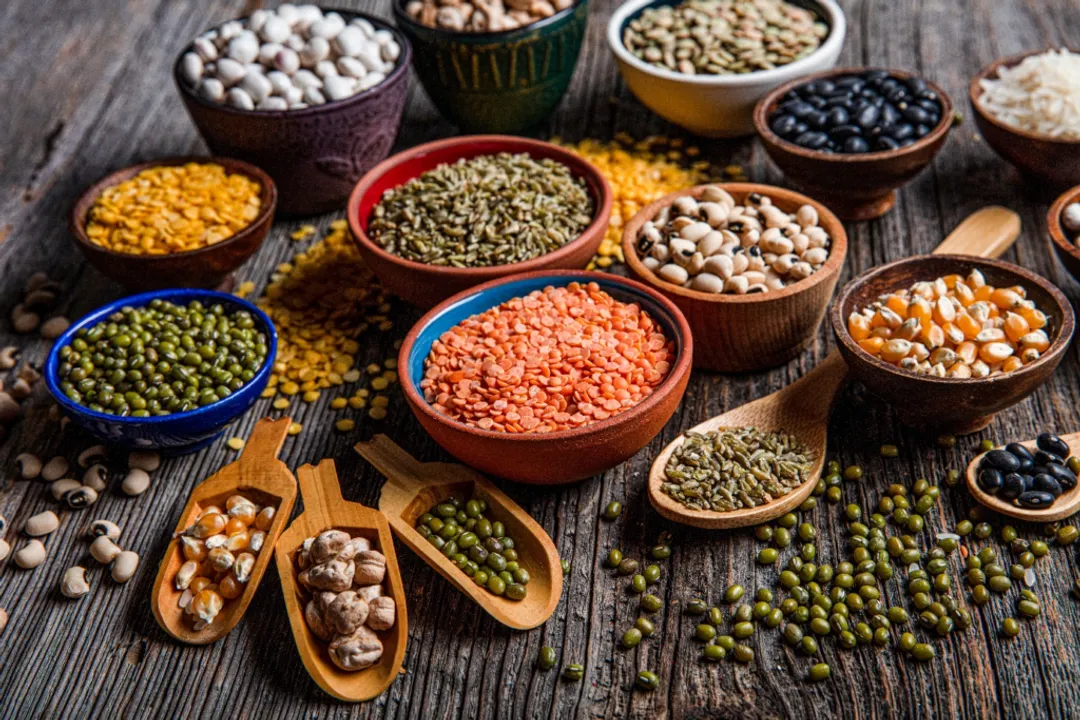
The nutritional structure of kidney beans lends itself well to supporting cardiovascular health through multiple pathways. [3] The high levels of soluble fiber are particularly effective in supporting the heart by binding with cholesterol in the digestive tract and helping to remove it from the body, potentially lowering LDL, or "bad," cholesterol levels. [1][3] Beyond fiber, the beans offer plant sterols and powerful antioxidants that aid in maintaining arterial health. [3] Moreover, the presence of potassium helps manage blood pressure, which is a major factor in long-term heart strain. [2][3] Given that many modern diets are high in saturated fats and low in heart-protective elements like soluble fiber, swapping out a serving of red meat for kidney beans a couple of times a week provides a direct dietary shift toward a more cardio-protective eating pattern. [3]
# Digestive Health
The significant fiber content in kidney beans is a major win for the digestive system. [1][5] Fiber adds bulk to stool, which aids in regularity and helps prevent constipation. [5] While insoluble fiber moves things along, soluble fiber feeds the beneficial bacteria residing in your gut. [1] This interaction makes beans a prebiotic food source; they nourish the gut microbiome, which is increasingly linked to everything from immune function to mood regulation. [1] It is worth noting that the transition to a high-fiber diet, like one incorporating beans frequently, should be gradual. Rapidly increasing intake can sometimes lead to temporary digestive discomfort, like gas or bloating, as the gut biome adjusts to the sudden influx of new fuel sources. [5] Start slowly, ensuring adequate water intake alongside the beans, to maximize the benefits without the side effects.
# Weight Management Aid
For those aiming to maintain a healthy weight or lose body fat, kidney beans are a functional ally due to their satiety factors. [1] The combination of protein and fiber makes them incredibly filling. [2] Foods that promote satiety reduce overall calorie intake later in the day because you feel satisfied for longer after the meal. [1] While kidney beans are energy-dense (calories per gram), they are nutrient-dense, meaning you get a lot of nutritional value for the calories consumed, unlike many highly processed snacks. [2]
If we consider the general rule that fiber adds approximately 2-3 calories per gram, while protein adds about 4 calories per gram, a serving of beans delivers substantial staying power without the high caloric cost associated with high-fat meats, making them an economical choice for bulk meals that keep hunger at bay. [1]
# Disease Fighting Compounds
Kidney beans are rich in various bioactive compounds that contribute to their health-promoting reputation, most notably antioxidants. [3] They contain polyphenols, which are compounds known for their ability to combat oxidative stress in the body. [3] Oxidative stress, caused by an imbalance of free radicals, is implicated in aging and the development of various chronic diseases. [3] Furthermore, the deep red color of the beans is indicative of specific phytonutrients that offer protective qualities, similar to those found in dark berries. [3] These compounds work to neutralize harmful molecules, offering a passive layer of defense within the body's systems. [3]
# Preparation Safety Essential
While the health benefits are substantial, there is a critical, non-negotiable step in preparing dried kidney beans that demands attention: proper cooking to eliminate toxins. [1] Raw or undercooked kidney beans contain high concentrations of a lectin called phytohaemagglutinin. [1][4] Consuming even a few undercooked beans can cause severe nausea, vomiting, and diarrhea. [1][4] This isn't just about avoiding an upset stomach; these reactions can be severe. [4]
The key is thorough cooking. Simply soaking is insufficient, as it only slightly reduces the toxin level. [1] For dried beans, the process must involve:
- Soaking for at least five hours, and discarding the soaking water. [1]
- Boiling vigorously for a minimum of ten minutes (some guidelines suggest 30 minutes for absolute safety) before simmering until tender. [1]
If you are using canned kidney beans, this step has already been completed by the manufacturer, making them safe to consume straight from the can or after a quick rinse. [1] This preparation requirement is where some home cooks might inadvertently skip steps or rely on underpowered cooking methods, so treating the preparation of dried beans as a precise safety measure, rather than just a softening step, is paramount. [1][4] It’s worth noting that while other beans contain lectins, the concentration in raw kidney beans is notably higher, necessitating this strict boiling procedure. [6]
# Culinary Choices
When shopping, consumers often encounter various types of beans, sometimes leading to confusion between similar-looking varieties. [6] For instance, common red beans (like small red beans) differ from true kidney beans. [6] Kidney beans are typically larger and more distinctly kidney-shaped than small red beans. [6] Nutritionally, they share many similarities, being rich in folate, iron, and fiber, but their starch and texture profiles vary slightly, which affects how they perform in dishes like chili or stews. [6] If you are after the classic, robust texture that holds up well without dissolving into a puree, the true kidney bean is generally preferred over smaller red beans. [6]
Whether you choose dried or canned, remember that canned beans are often packed in a salty brine. Rinsing them thoroughly under cold water before use can significantly reduce the added sodium content, which is a useful adjustment, especially for those monitoring their blood pressure. [2]
By understanding the powerful combination of fiber, protein, and micronutrients packed into these humble legumes, and respecting the necessary safety precautions during preparation, kidney beans easily earn their place as a foundational food for long-term health and vitality. [1][3][5]
#Videos
Kidney Beans 101 - Nutrition and Health Benefits - YouTube
Related Questions
#Citations
Kidney Beans 101: Nutrition Facts and Health Benefits - Healthline
Health Benefits of Kidney Beans - WebMD
Health Benefits Of Kidney Beans - Holland & Barrett
20 Health Benefits of Kidney Beans - Practo
Kidney Beans 101 - Nutrition and Health Benefits - YouTube
Red Beans vs. Kidney Beans: A Complete Nutrition Guide
The Magical Health Benefits of Beans - NFCR
Black beans and red kidney beans induce positive postprandial ...
Kidney Beans: Benefits, Nutrition, and Risks - Health
Beans | National Kidney Foundation