Health Benefits of Durian
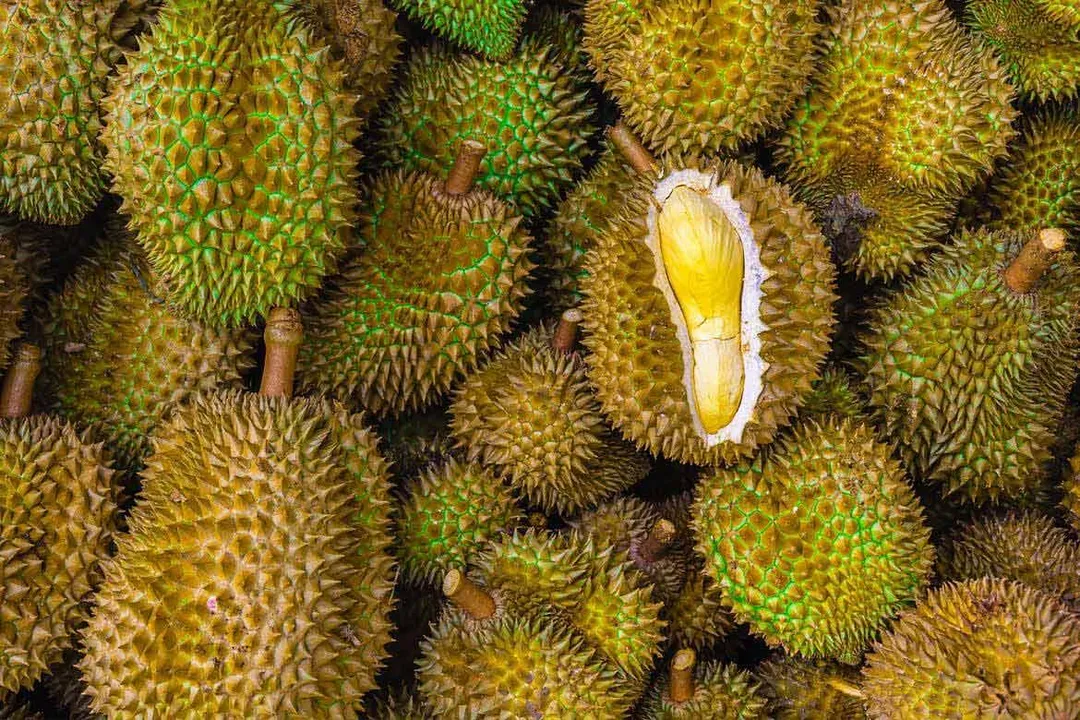
Durian, often called the "King of Fruits" in Southeast Asia, carries a reputation that precedes it—a famously pungent aroma juxtaposed with a rich, creamy texture that divides opinion. [1][2] Setting aside the polarizing smell, this tropical fruit offers a dense package of vitamins, minerals, and beneficial plant compounds that contribute positively to health when consumed mindfully. [1][4] Its nutritional density means it's far more than just a sweet treat; it functions as a significant source of dietary energy and various micronutrients essential for bodily functions. [6]
# Nutritional Density
The fruit's composition reveals why it has earned such reverence among fruit lovers. [1] Durian is notable for its high content of healthy fats, carbohydrates, and fiber, making it quite energy-dense compared to many other fruits. [1][5] A typical serving provides a substantial amount of calories, primarily from these carbohydrates. [6]
Among its micronutrient profile, durian stands out for its Vitamin C content, an important antioxidant that supports immune function and collagen production. [1][4] Furthermore, it is a good source of several B vitamins, including thiamine (B1), which is critical for energy metabolism—the process of converting food into usable energy. [1][8] For those monitoring mineral intake, durian supplies significant amounts of potassium, a mineral vital for maintaining healthy blood pressure through balancing the negative effects of sodium, and manganese, which aids in bone formation and metabolism. [1][4]
To put its caloric contribution into perspective, one cup of durian pulp contains roughly 357 calories and around 66 grams of carbohydrates, making it a fruit that demands portion awareness, especially for those managing blood sugar or weight. [1][6]
# Digestive Support
One of the more straightforward physical benefits of incorporating durian into the diet relates directly to the digestive system, thanks to its substantial dietary fiber. [1][4] Fiber is essential for promoting healthy bowel movements and preventing constipation. [1] The high fiber load helps bulk up stool and ensures regularity, which is a cornerstone of good gut health. [4][6]
While beneficial, this high fiber content also explains why consuming too much durian at once can lead to gastrointestinal discomfort, such as bloating or gas, particularly for those unaccustomed to a high-fiber intake. [4][5] It acts as a prebiotic, feeding the beneficial bacteria in the gut, but this fermentation process naturally produces gas. [4] Understanding this mechanism helps explain the traditional caution many cultures advise regarding overconsumption.

# Antioxidant Powerhouse
The vibrant health claims surrounding durian are often linked to its rich profile of antioxidants and other bioactive compounds. [1][3] These compounds work internally to neutralize harmful free radicals, which are unstable molecules that can cause oxidative stress, potentially leading to chronic disease and cellular aging. [1][8]
Durian contains a variety of these beneficial phytochemicals, including various polyphenols, flavonoids, and carotenoids. [3][9] Research suggests that some of these compounds may exhibit anti-inflammatory properties, which is significant because chronic inflammation underlies many modern health issues. [9] For instance, studies have noted the presence of ellagitannins and other unique antioxidants within the fruit's flesh. [9] While the fruit's famous sulfurous smell is due to volatile compounds, the nutritional benefits come from these non-volatile, health-promoting elements that fight against cellular damage. [1] This collective antioxidant action contributes to overall well-being by protecting the body’s delicate structures from daily environmental and metabolic wear and tear. [8]
# Mood and Energy Balance
Beyond the physical structure of the body, durian consumption can influence mood and energy levels due to its specific nutrient content. [6] It is a natural source of tryptophan, an essential amino acid that the body converts into serotonin. [1][4] Serotonin is often referred to as the "feel-good" neurotransmitter, playing a role in regulating mood, sleep, and appetite. [4] Consuming foods rich in tryptophan, like durian, can therefore indirectly support a more stable and positive mental state. [6]
Coupled with its high content of B vitamins, particularly thiamine which supports the nervous system, durian provides the building blocks for feeling alert and energized. [1] It functions as a quick source of fuel, which is why manual laborers in tropical regions have historically relied on it for sustained energy throughout a demanding day. [5] An interesting way to integrate this energy boost without overloading on sugar is to pair a small, measured portion of the fruit—perhaps one segment—with protein-rich foods like unsalted nuts or a small serving of plain yogurt. This combination helps moderate the immediate blood sugar spike from the fruit's natural sugars while still allowing the body to access the tryptophan and B vitamins for mood and energy.
# Skin and Hair Health
The presence of Vitamin C and other vitamins in durian also extends benefits to external appearance, particularly skin and hair health. [6] Vitamin C is indispensable for the synthesis of collagen, the structural protein that keeps skin firm and elastic. [1][6] Adequate intake can support skin repair and resilience. [6] Furthermore, the presence of healthy fats found in the fruit can contribute to moisturizing the skin from the inside out. [6] While not a miracle cure for aging, ensuring a steady supply of these nutrients through diet supports the body's natural regenerative processes for looking and feeling healthy. [1]
# Contextualizing Concerns and Myths
No discussion of durian is complete without addressing the common concerns regarding its consumption. The two main points of contention are its effect on body temperature (often described as "heaty") and its interaction with alcohol. [7][5]
# Heatiness and Body Temperature
In traditional Southeast Asian medicine, durian is often classified as a "heaty" food, meaning it is believed to increase internal body heat, potentially leading to symptoms like sore throat or feverishness. [7] This concept is not directly supported by modern biomedical science, but the fruit's high metabolic activity and calorie density might contribute to a perceived increase in internal warmth post-ingestion. [7] Furthermore, some research suggests that durian contains compounds that inhibit an enzyme called aldehyde dehydrogenase, which is necessary to break down alcohol. [5] Consuming durian with alcohol can lead to an accumulation of acetaldehyde, causing discomfort, nausea, and flushing—a potentially serious interaction that warrants caution. [5][7]
# Sugar and Caloric Intake
As highlighted by its nutritional profile, durian is calorie-dense and contains natural sugars. [1][6] For individuals managing diabetes or striving for weight loss, this requires careful consideration. [1] While it offers superior nutritional value compared to processed sweets, it must be factored into the daily caloric budget. [5]
For readers who find the high sugar and fat content of the flesh concerning but still wish to partake, consider seeking out the seeds. While they require proper preparation (often boiled or roasted), durian seeds are generally lower in sugar and higher in starch and protein than the creamy pulp, offering a different textural and nutritional profile for mindful snacking. [6] Always ensure seeds are fully cooked before consumption, as raw seeds may be difficult to digest or contain unwanted compounds. [6]
# Selection and Preparation
Appreciating the benefits of durian starts with selecting a quality specimen. [2] A ripe fruit will often have a strong, distinct aroma, and the stem should appear relatively fresh rather than withered. [2] The thorns should be slightly pliable when squeezed, indicating maturity. [2] Inside, the pulp should be creamy and yield easily. [2]
Durian is most commonly eaten fresh, straight from the husk. [2] However, it is also used in various desserts, pastes, and processed foods across its native regions. [6] Whether consumed fresh or processed, understanding its potency is key to integrating it healthily into one's diet. [5] Respecting the fruit's intensity—both in flavor and nutritional load—ensures that its advantages in terms of vitamins, fiber, and antioxidants can be enjoyed without the associated drawbacks of overindulgence. [1][4]
Related Questions
#Citations
Durian Fruit: Potent smell but Incredibly Nutritious - Healthline
Health Benefits of Durian
Bioactive Compounds, Nutritional Value, and Potential Health ... - NIH
6 Nutritional Benefits of Durian - Mount Elizabeth Hospitals
Durian: Calories, Foods to avoid eating with, Cautions
Durian Fruit: Health Benefits, Nutrition, Uses For Skin And ... - Netmeds
Durian: Health Benefits and Myths About the King of Fruits
Durian: The King Of Fruits + Its Benefits - Dr. Will Cole
Exploring the chemical composition, emerging applications ...