Health Benefits of Celeriac
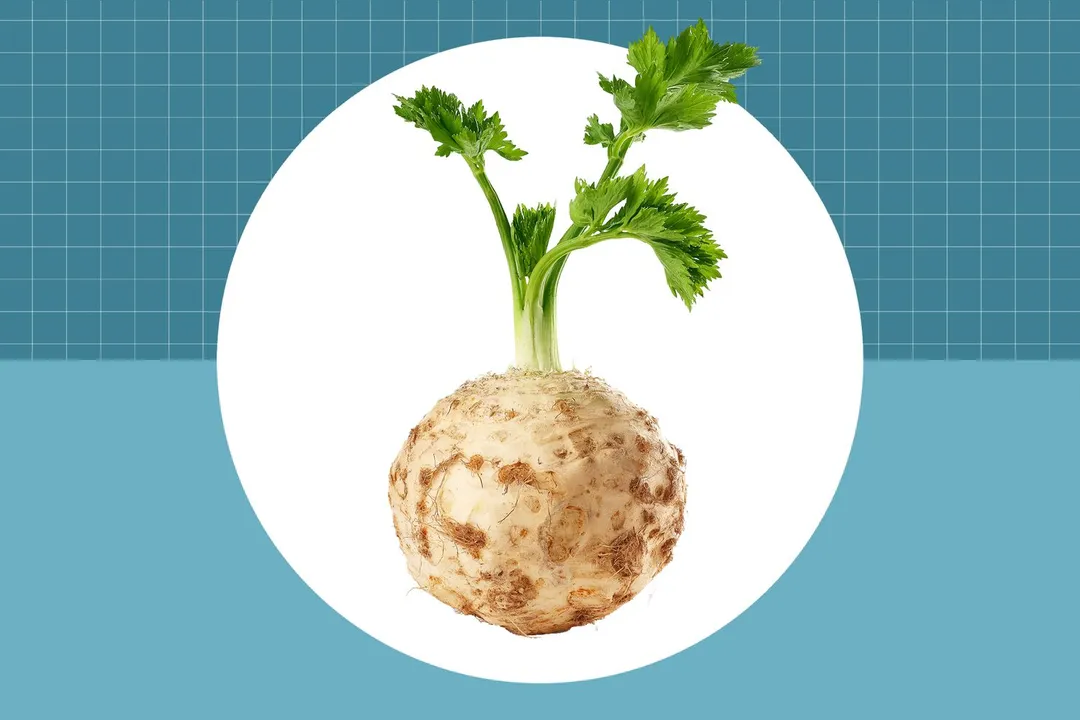
Many people are familiar with celery stalks, but fewer recognize the gnarled, knobby exterior of its root counterpart, celeriac, often referred to as celery root. [9] This unassuming vegetable, scientifically known as Apium graveolens var. rapaceum, offers a treasure trove of nutritional benefits hidden beneath its rough, soil-dusted skin. [4] It possesses a distinct, slightly sweet, earthy flavor often described as a mix between celery and parsley, making it a fantastic alternative or complement to more common root vegetables like potatoes or parsnips. [3][9] Far from being just a culinary curiosity, incorporating this bulbous root into one's diet can offer meaningful support for overall wellness, spanning digestive health to immune function. [1][7]
# Nutritional Powerhouse

Celeriac distinguishes itself with a surprisingly rich micronutrient profile despite its relatively low caloric density. [1][3] For those tracking their intake, a serving provides significant vitamins and minerals without contributing excessive energy. [3][8] It is particularly notable for its high concentration of Vitamin C, a vital antioxidant that supports the immune system and aids in collagen formation. [1][7] One cup of raw, diced celeriac can provide a substantial percentage of the recommended daily intake for this essential vitamin. [7]
Beyond Vitamin C, celeriac is a good source of Vitamin K, which plays a key role in blood clotting and bone health. [1][7] Furthermore, it contributes B vitamins, especially Vitamin B6 (pyridoxine), which is important for brain health and metabolism. [1][7] Looking at minerals, it packs a respectable amount of potassium, a mineral crucial for maintaining healthy blood pressure levels by balancing out the effects of sodium. [1][3][5] Other trace minerals like manganese and phosphorus are also present, contributing to the vegetable’s overall nutritional value. [7]
When comparing celeriac to its more common relative, the celery stalk, the root offers a different nutritional concentration. While the stalks are known for high water content and certain phytonutrients, the root form concentrates the energy and bulk, leading to higher levels of dietary fiber and specific minerals, making it a more nutrient-dense choice when considering carbohydrates and fiber per serving. [1][4]
# Digestive Support

One of the most significant health contributions of celeriac lies within its high dietary fiber content. [1][7] Fiber is essential for maintaining a healthy digestive tract, promoting regular bowel movements, and preventing constipation. [1][4]
Crucially, a large portion of the fiber found in celeriac is inulin. [3][4] Inulin is a type of soluble fiber that acts as a prebiotic. This means it is not digested in the upper gastrointestinal tract but instead travels to the large intestine where it serves as food for beneficial gut bacteria. [3][4] By nourishing these good microbes, inulin helps to promote a balanced and healthy gut microbiome, which is increasingly linked to everything from improved immunity to better mood regulation. [3] This prebiotic action sets celeriac apart from simple bulk-providing fibers, offering functional benefits to the gut ecosystem. [4]
Considering preparation, it is interesting to note that while cooking softens the root, which is pleasant for mashing or roasting, methods that retain the raw form, such as grating it into salads or slaws, might preserve the maximum prebiotic activity of the inulin, though cooking still offers significant nutritional benefits. [3]

# Antioxidant Activity

Celeriac is not just about vitamins and minerals; it also contains beneficial plant compounds known as antioxidants. [1][5] Antioxidants are compounds that help protect the body's cells from damage caused by unstable molecules called free radicals, which are implicated in aging and the development of chronic diseases. [1][5]
The root contains several notable phytochemicals, including compounds referred to as polyacetylenes. [1] These unique compounds, also found in other members of the Apiaceae family like carrots and parsley, are being studied for their potential protective properties. [1] While definitive clinical proof in humans requires more research, the presence of these bioactive agents adds to the overall health profile of celeriac as a food that supports cellular protection. [5] The Vitamin C content also contributes significantly to this antioxidative capacity. [7]
# Cardiovascular Influence
Maintaining healthy blood pressure is fundamental to long-term heart health, and celeriac offers support through its mineral composition, particularly potassium. [1][3][5] Potassium works to counterbalance the negative effects of high sodium intake, helping to ease tension in blood vessel walls and promoting healthier circulation. [5]
Furthermore, the fiber content, especially inulin, may offer secondary cardiovascular benefits. By promoting a healthy gut and aiding in weight management (discussed below), fiber indirectly contributes to better lipid profiles and reduced systemic inflammation, both of which are critical factors in heart wellness. [3] While celeriac is not a singular solution for heart disease, it is an excellent component of a heart-friendly diet rich in whole vegetables and low in processed foods. [7] If you find yourself frequently relying on potatoes for your starchy side, swapping half the volume for celeriac in your next roast or mash will significantly boost your potassium and fiber intake while slightly reducing the glycemic impact of the meal. [9]
# Weight Management Aid
For those aiming to maintain a healthy weight, celeriac presents an excellent food choice due to its dual characteristics: low calories and high volume. [1][3] Because it contains a high percentage of water and is packed with non-digestible fiber, eating celeriac can contribute to feelings of fullness, or satiety, without adding many calories to the overall meal. [1]
The fiber slows down digestion, which can help regulate appetite and prevent the sharp blood sugar spikes and crashes that sometimes lead to overeating. [3] When used as a substitute for higher-calorie, refined carbohydrates—such as using celeriac "noodles" instead of pasta, or a celeriac puree instead of a traditional potato mash—it allows for the enjoyment of familiar textures and comforting dishes with a much lighter nutritional load. [9]
# Culinary Adaptability
The true charm of celeriac lies in how easily it integrates into diverse cooking styles, which is key for ensuring consistent consumption and reaping its health rewards. [6] Its slightly nutty, earthy flavor profile means it rarely overpowers other ingredients. [3]
# Preparation Basics
Preparation usually begins with peeling away the tough, uneven outer layer to reveal the creamy white flesh beneath. [9] After peeling, the flesh is susceptible to quick oxidation, turning brown when exposed to air, much like an apple. [6] To prevent this, immediately submerge the peeled root in a bowl of water, perhaps with a squeeze of lemon juice or a small amount of vinegar added to the water. [6]
# Cooking Styles
- Roasting and Baking: Roasting celeriac brings out its inherent sweetness. Cut into wedges or cubes, tossed with a little oil, salt, and herbs like thyme, it caramelizes beautifully, creating a tender interior and slightly crisp exterior. [3]
- Mashed: Perhaps its most popular application is as a substitute for potatoes. When boiled until tender and mashed with a touch of butter or cream, it creates a wonderfully smooth and flavorful mash that is lighter than a standard potato version. [9] If you are testing out this substitution for the first time, try a 60% celeriac to 40% potato ratio; this helps bridge the flavor gap while you adjust to the subtler taste profile.
- Raw: The root can also be eaten raw. [6] Grated finely, it forms the base of classic French céleri rémoulade, often dressed with a sharp mustard vinaigrette. [9] Raw consumption is ideal for maximizing the intake of heat-sensitive nutrients like Vitamin C. [7]
- Soups and Stews: Adding diced celeriac to slow-cooked dishes, stews, or creamy pureed soups adds depth of flavor and body without the starchiness of white potatoes. [3][6] It pairs exceptionally well with ingredients like mushrooms, leeks, and savory stocks.
# Micronutrient Focus
While the macronutrients (fiber, carbohydrates) are important, the specific vitamins and minerals deserve closer attention for their targeted health roles.
# Vitamin K
The presence of Vitamin K in celeriac is a noteworthy feature. [1][7] This fat-soluble vitamin is essential for activating proteins involved in bone mineralization and normal blood coagulation. [7] For older adults or anyone concerned with bone density, ensuring adequate intake of Vitamin K, sourced from vegetables like celeriac, is a smart dietary strategy. [1]
# Vitamin B6
Celeriac provides a good source of Vitamin B6. [7] This vitamin is a cofactor in numerous enzymatic reactions within the body, playing roles in protein metabolism, red blood cell formation, and neurotransmitter synthesis, which affects mood and cognitive function. [1] A diet rich in B6 supports the body's energy production pathways effectively. [7]
# Sourcing and Selection
When purchasing celeriac, look for a firm, heavy root with tight, unblemished skin. [6] The size is less important than the firmness, as a heavy root indicates higher water content and freshness. [6] Avoid any roots that appear spongy, have soft spots, or show significant signs of mold or sprouting, as these indicate age or improper storage. [6] Celeriac stores well in a cool, dark, and relatively dry place, such as a root cellar or the crisper drawer of a refrigerator, for several weeks, making it an excellent choice for stocking up during colder months. [6]
In many temperate regions, celeriac is harvested later in the season, often becoming more readily available when other summer vegetables wane. [4] This seasonality makes it a valuable addition to the autumn and winter plate, offering fresh nutrients when other garden options are scarce. [4] When buying locally, you might find that roots grown in certain soil types exhibit slightly different flavor nuances, often described by local growers as more intensely earthy than commercially shipped varieties. This variation is part of the appeal of seeking out locally sourced produce. [4]
Celeriac, or celery root, provides far more than just a unique texture for a winter soup. [3] Its dense profile of fiber, potassium, Vitamin C, and Vitamin K offers demonstrable support for digestion, heart health, and immune function. [1][7] By embracing this often-overlooked root vegetable in various culinary preparations, from creamy mashes to sharp raw salads, you introduce a powerful, nutrient-rich component into your regular diet. [6][9]
Related Questions
#Citations
Celeriac (Celery Root): Nutrition, Benefits and Uses
Health Benefits of Celeriac
Celeriac: Health benefits, nutritional values & how to enjoy
Food of the Month: Celery Root | Denver Health Medical Plan
What Are The Health Benefits Of Celeriac?
Health Benefits of Celery Root: A New Addition to Your Diet
Celeriac: Benefits, recipes, and nutrition
What Is Celeriac? Benefits, Nutrition, Recipes and More
What Is Celeriac and How Do I Use It?