Health Benefits of Artichoke
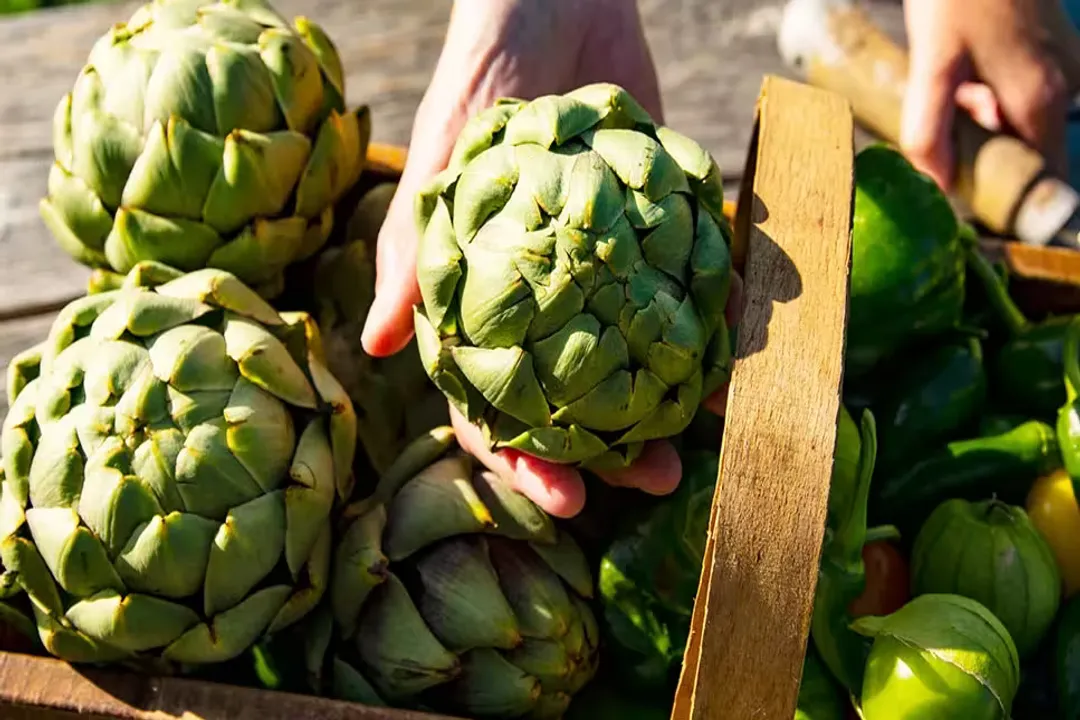
The artichoke, often recognized by its intricate, spiky exterior, is far more than just an impressive centerpiece on a dinner plate or a vehicle for melted butter. This vegetable, which is technically the immature flower bud of a thistle plant, boasts a deep history in Mediterranean cuisine and traditional medicine, backed by substantial modern analysis confirming its status as a true nutrient powerhouse. Eating artichokes, whether fresh, frozen, or canned, can contribute significantly to better health across several systems, including the gut, liver, and heart.
# Nutrient Powerhouse
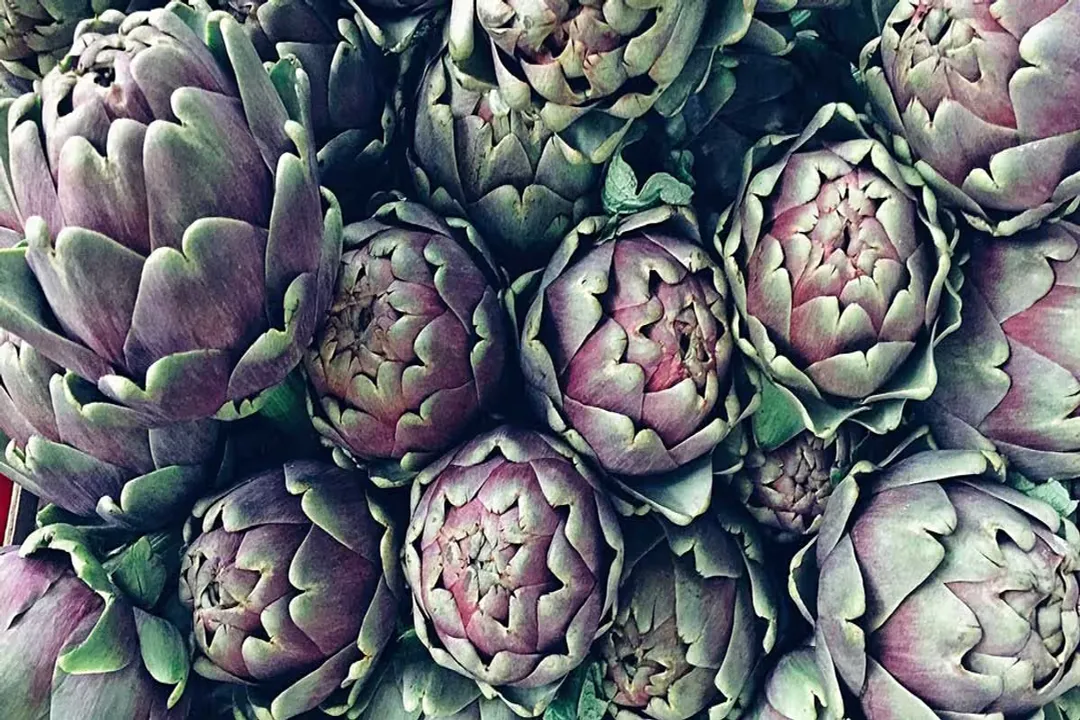
When considering the nutritional density of the artichoke, it’s remarkable how much value is packed into a relatively low-calorie package. A single medium artichoke typically contains around 60 calories and is virtually free of fat and cholesterol. Yet, it delivers substantial amounts of essential building blocks and micronutrients.
For instance, the fiber content is impressively high; one medium artichoke can offer about 6 grams of dietary fiber, which equates to roughly a quarter of the recommended daily intake—putting it ahead of common high-fiber choices like prunes based on volume. A large artichoke can offer up to 9 grams of fiber. Beyond fiber, artichokes are surprisingly rich in protein for a vegetable, providing around 4 to 5 grams per serving.
The vitamin and mineral profile is equally noteworthy. Artichokes are excellent sources of several key nutrients, making them a genuine contribution to dietary needs. A large specimen can supply significant percentages of the daily value for:
- Copper: Approximately 42% of your DV.
- Folate: Around 28% of your DV.
- Magnesium: Providing over 20% of the DV, which is crucial for muscle function and sleep regulation.
- Vitamin C: Delivering around 21% of the DV, a recognized age-fighting antioxidant.
- Potassium: A large artichoke can pack 600 milligrams, essential for heart and kidney function.
- Vitamin K: Contributing roughly 20% of the DV.
Furthermore, the different parts of the plant—the head, leaves, and stems—contain varying concentrations of these components. For example, leaves are noted for having higher levels of certain bioactive compounds, while the stems can be particularly rich in inulin. It is worth noting that while cooking is necessary for enjoyment, the process can reduce some water-soluble vitamins, like Vitamin C, especially when boiling.
# Gut Health Star
Perhaps one of the most celebrated benefits of artichokes relates directly to the digestive tract, a status largely conferred by their exceptional fiber composition. Artichokes are packed with both soluble and insoluble fiber, but the soluble type contains a specific, highly beneficial carbohydrate: inulin.
Inulin is recognized as one of the most promising prebiotics available in the food supply. Prebiotics are essentially the preferred food source for the beneficial, friendly bacteria residing in our gut microbiome. By feeding these good microbes, inulin helps keep the bowels regular, mitigating issues like constipation and diarrhea. Studies using inulin extracted from globe artichokes have shown it successfully modifies the composition of the intestinal microbiota, specifically by increasing the populations of Bifidobacteria and Lactobacillus species.
This fermentation process in the large intestine and colon leads to the production of Short-Chain Fatty Acids (SCFAs), such as acetate, propionate, and butyrate. These SCFAs are vital: butyrate acts as the main energy source for the cells lining the colon and is important for cell differentiation, while propionate helps in glucose synthesis in the liver.
Beyond inulin, the pectins found in artichokes also contribute anti-inflammatory benefits within the gut. Research indicates that artichoke pectins can help bolster the intestinal barrier by increasing the expression of genes like MUC-1, which, in turn, helps reduce the expression of pro-inflammatory markers. For those dealing with ongoing digestive discomfort, artichoke extract has been shown in older studies to ease symptoms of Irritable Bowel Syndrome (IBS), reducing cramping, bloating, and general upset stomach.
A practical takeaway for maximizing these gut benefits involves considering the cooking liquid. If you boil fresh artichokes, remember that water-soluble compounds, including some beneficial phenolics, will leach into the cooking water. Instead of discarding this liquid, save it to create a nutrient-rich broth or soup base to capture those leached components—a simple way to ensure you consume more of the plant’s water-soluble goodness.
# Liver Guardian
The protective qualities of the artichoke extend significantly to the liver, a central organ for detoxification and metabolism. Two primary compounds are credited here: cynarin and silymarin.
Silymarin, a flavonoid also found in milk thistle, has a documented history of use by ancient physicians for liver issues like jaundice. Modern research supports this traditional use, showing that silymarin protects against liver damage and may even help existing liver cells regenerate. Clinical trials involving individuals with Non-Alcoholic Fatty Liver Disease (NAFLD)—a condition marked by liver inflammation and potential cell death—have shown that consuming artichoke extract can lead to improved liver function and reduced levels of liver enzymes (ALT and AST) that signal damage.
Furthermore, cynarin supports liver function by aiding in the production of bile. Bile is essential for breaking down fats, helping absorb necessary vitamins, and assisting the liver in removing toxins from the body. This multifaceted action, combining antioxidant defense, anti-inflammatory signaling (via the Nrf2 pathway), and bile stimulation, positions the artichoke as a strong ally for maintaining hepatic health.
# Heart Support
Cardiovascular health is another major area where artichokes appear to offer tangible benefits, primarily by addressing key risk factors like elevated cholesterol and high blood pressure.
Regarding cholesterol, compounds like luteolin present in artichokes are believed to inhibit the body’s process of forming new cholesterol. Clinical reviews have consistently found that supplementation with concentrated artichoke leaf extract significantly reduces both total cholesterol and LDL (the "bad" cholesterol) levels. In animal models, artichoke extracts have even shown effects comparable to pharmaceutical interventions like simvastatin in lowering total cholesterol and oxidized LDL.
The potassium content is a direct contributor to managing blood pressure. Potassium helps the heart and kidneys function optimally, and adequate intake is linked to lower blood pressure. In fact, one systemic review indicated that artichoke supplements taken over 12 weeks lowered both systolic and diastolic blood pressure in individuals struggling with hypertension. Additionally, the artichoke exhibits a beneficial low sodium-to-potassium ratio compared to many other vegetables, which is favorable for cardiovascular maintenance.
# Antioxidant Army
Artichokes are frequently highlighted for their exceptional antioxidant capacity, often ranking at the very top compared to other vegetables. This power comes from a diverse array of bioactive compounds, chief among them being polyphenols.
These compounds, which include flavonoids like luteolin and apigenin, and hydroxycinnamic acids such as cynarin and chlorogenic acid, actively counteract the damaging effects of Reactive Oxygen Species (ROS), or free radicals. Free radicals are unstable molecules that contribute to cell damage, which researchers link to increased risks for chronic ailments like cancer and Alzheimer's disease.
The action of these antioxidants is sophisticated. Beyond simply scavenging free radicals, they can modulate critical signaling pathways in cells, notably by regulating the Nrf2 signaling pathway. This modulation leads to the increased production of the body’s own protective enzymes, such as catalase (CAT) and glutathione peroxidase (GPx). The leaves, in particular, are rich in these phenolic acids. Furthermore, anthocyanins, which give some artichokes their violet hue, can actively downregulate pro-inflammatory signals in the vascular system. The antioxidant capacity is confirmed across various in vitro and in vivo studies testing extracts against oxidative stress in different cell lines and animal models.
# Beyond the Basics
While digestion and cardiovascular support are primary benefits, the nutritional density of the artichoke suggests advantages in other areas of health maintenance.
One surprising benefit cited is the potential for improved sleep. This is linked to the significant magnesium content—a large artichoke can provide more than 20% of the recommended daily intake of this essential mineral, which is known to promote better rest, particularly for those with insomnia.
There is also emerging interest in the artichoke's influence on neurological health and blood sugar control. For neurological function, the anti-inflammatory effects seen in animal models suggest a protective role against neurodegenerative conditions by helping to regulate inflammatory markers in the brain. On the metabolic front, components like chlorogenic acid may help decrease intestinal glucose uptake, while the stabilizing effect of inulin on blood sugar absorption supports overall metabolic balance.

# Culinary Applications
Preparing the artichoke might seem daunting due to its appearance, but most methods simply involve steaming until the leaves pull away easily, which can take 20 to 40 minutes. Once cooked, the edible portion is the soft flesh at the base of the leaves, scraped off with your teeth, and the tender heart at the center.
When incorporating artichokes into your diet, aim for preparations that align with their health benefits. While traditional dips use cheese and butter, you can keep things heart-healthy by pairing the cooked leaves with hummus, pesto, or Greek yogurt instead. If choosing canned versions, be mindful that they often carry added sodium and have reduced Vitamin C levels; opting for low-sodium or water-packed varieties is a better choice. Frozen hearts are usually a lower-sodium alternative to canned.
Beyond eating the fresh or frozen vegetable, the by-products and extracts are finding novel applications. For instance, the proteolytic enzymes present in artichoke heads, known as cardosins or cyprosins, show potential as a natural alternative to animal rennet for coagulating milk in cheese production, with some studies finding no significant difference in the final organoleptic qualities compared to cheeses made with traditional calf rennet. This demonstrates that the benefit of the plant extends well past the fleshy heart. A creative way to use the whole plant, as discussed earlier, is repurposing the cooking liquid as a highly nutritious, mineral-rich component for soups or stocks.
This complex structure, rich in diverse bioactive compounds present across the head, leaves, and stems, solidifies the artichoke's standing as a functional food deserving of regular inclusion in the diet.
#Videos
ARTICHOKE and its health BENEFITS | What it is used ... - YouTube
Related Questions
#Citations
10 Health Benefits of Artichokes
Top 8 Health Benefits of Artichokes and Artichoke Extract - Healthline
Pharmacological Studies of Artichoke Leaf Extract and Their Health ...
[PDF] Health Benefits of Artichokes
4 Big Artichoke Health Benefits - Ocean Mist Farms
Bioactive Compounds, Health Benefits and Food Applications of ...
Artichokes - WebMD
Artichokes & Antioxidants | NFCR Cancer Fighting-Foods
ARTICHOKE and its health BENEFITS | What it is used ... - YouTube