Health Benefits of Jerusalem Artichoke

The Jerusalem artichoke, often known by its nickname sunchoke, might sound like it comes from the Middle East and tastes like an artichoke, but it is actually the root tuber of a species of sunflower native to North America. [8][10] This knobby vegetable packs a surprisingly potent nutritional punch, making it much more than just a curiosity in the root vegetable aisle. [3] While it shares some characteristics with the common potato, its unique composition, particularly its high concentration of a specific type of dietary fiber, sets it apart in terms of health advantages. [8] Understanding this root requires looking closely at what it delivers to the digestive system and the wider body.
# Key Components
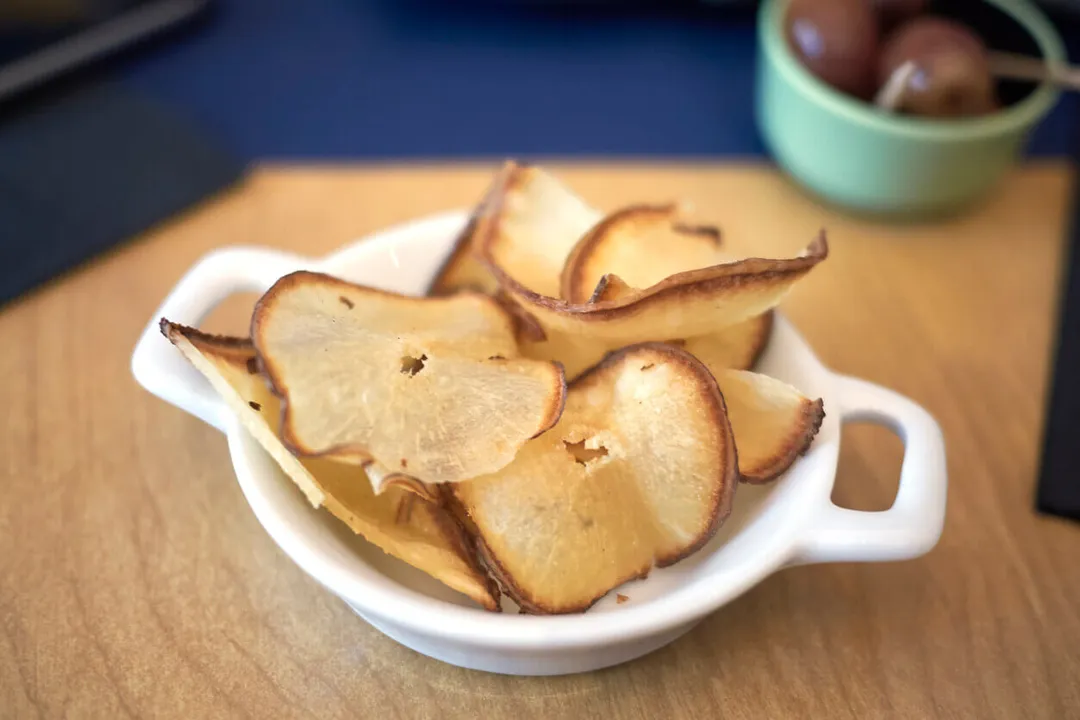
A raw sunchoke provides a good source of several essential nutrients. [9] They are particularly noted for containing substantial amounts of iron and potassium, two minerals important for bodily functions like oxygen transport and blood pressure regulation, respectively. [9] However, the most famous constituent of the Jerusalem artichoke is inulin, a type of soluble fiber that acts as a fructan, . [1][6] Estimates often place the inulin content quite high, sometimes making up to 70–80% of the total carbohydrate content when the tuber is dry. [1] When looking at a 100-gram serving of raw sunchokes, you might find around 7.6 grams of fiber, which is a considerable amount compared to many other vegetables. [1] This high fiber content is the primary driver behind most of the observed health benefits associated with this root. [3]
# Prebiotic Action
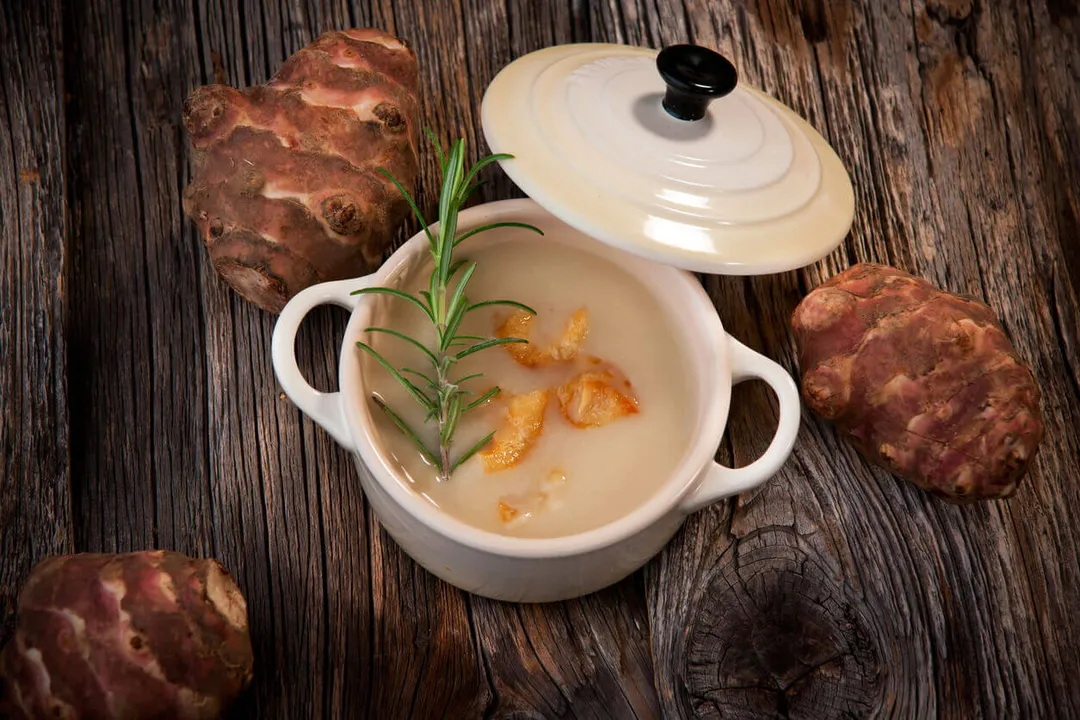
The concentration of inulin in sunchokes is what makes them particularly interesting to those focusing on gut health. [6] Inulin functions as a prebiotic, meaning it is a non-digestible compound that selectively feeds beneficial bacteria residing in the large intestine, such as Bifidobacteria and Lactobacilli. [1][6] Unlike simple sugars that are absorbed higher up in the digestive tract, inulin passes through the stomach and small intestine largely intact before reaching the colon where it is fermented by the resident microbiome. [1]
While many foods contain dietary fiber—like oats, beans, or even certain fruits—the effect of sunchokes can be quite pronounced because of how the fiber works. [1] Fiber from many sources primarily provides bulk or slows digestion; in contrast, inulin from sunchokes acts as a specific, preferred food source for key beneficial bacterial species. [6] This targeted feeding promotes the growth of a healthier, more diverse microbial population. [6] When you look at common fiber intakes, an average person might consume 25 grams of total fiber per day, but the quality and type matter significantly for microbial composition. A diet incorporating sunchokes introduces a potent, readily available fuel source that can quickly shift the balance in favor of beneficial gut flora, an effect often more immediate than that achieved by merely increasing overall bulk fiber through less targeted sources. [1]

# Glucose Control
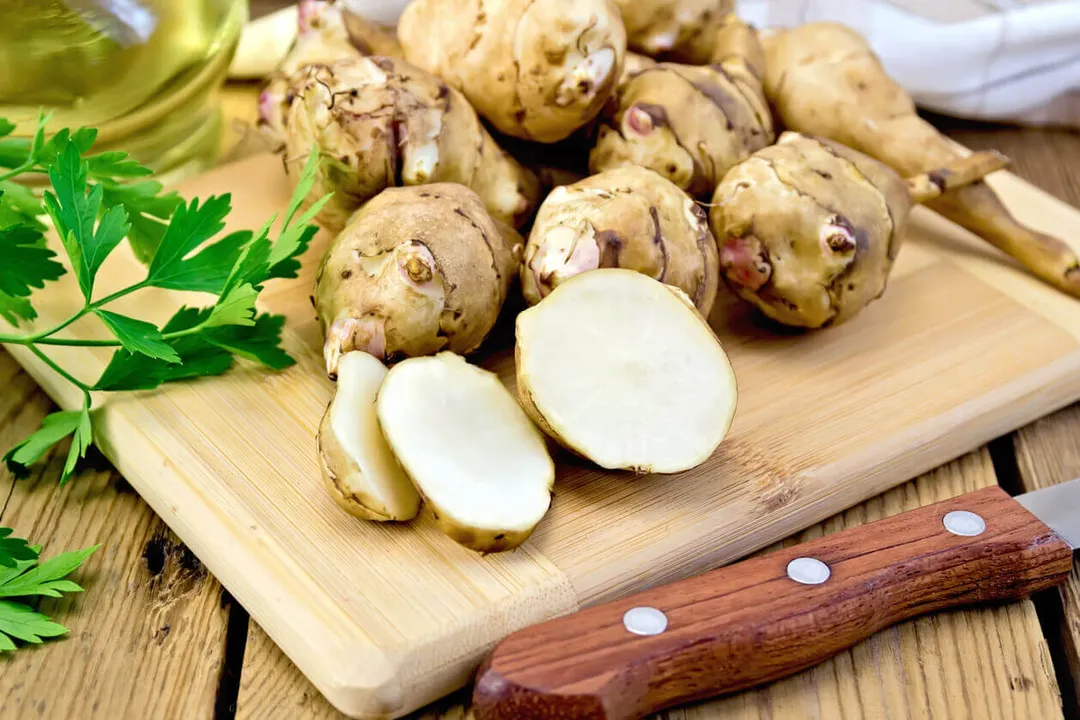
The impact of inulin extends directly to how the body manages blood sugar. [1] Because inulin is not broken down into absorbable simple sugars in the upper digestive tract, consuming Jerusalem artichokes does not typically cause the sharp spikes in blood glucose levels associated with starchy foods. [8] This low glycemic impact is a significant advantage. [1] The fiber itself, being soluble, can also help slow the absorption of other carbohydrates eaten alongside it, leading to a more gradual release of energy. [9] For individuals monitoring their glucose levels, this characteristic makes the sunchoke a much safer alternative to many other tubers. [8] It is worth noting that while the whole tuber has a low glycemic impact due to the inulin, processing or overcooking could theoretically alter this, though generally, its reputation for blood sugar management remains strong. [1]
# Satiety Factor

Weight management is another area where the fibrous nature of the sunchoke offers support. [9] Fiber generally contributes to feelings of fullness, or satiety, by taking up space in the stomach and slowing down gastric emptying. [9] Since Jerusalem artichokes are relatively low in calories while being high in inulin—which swells and creates bulk—they can be a filling addition to a meal without adding excessive energy density. [1][9] If you are looking to manage portion sizes or reduce overall calorie intake without feeling deprived, incorporating a side dish of roasted sunchokes provides substantial volume and fiber to signal fullness to the brain sooner than a low-fiber alternative might. [1]
# Kitchen Use
When it comes to culinary application, the sunchoke presents a fascinating texture and flavor profile. [2] Raw, they are often described as crisp and slightly sweet, sometimes compared to water chestnuts or crisp apple slices. [2] Cooking transforms them, softening the texture to something creamy, similar to a potato, but they retain a distinctly nutty, earthy sweetness. [2]
A key practical challenge when preparing these tubers is their tendency to oxidize quickly after peeling, similar to an apple or potato left exposed to air. [7] To maintain their best appearance and flavor, it’s best to work quickly once the skin is removed. A simple trick to manage this browning is to place the peeled and cut pieces immediately into a bowl of water acidified with a squeeze of lemon juice or a splash of vinegar while you prepare the rest of your ingredients or heat your cooking vessel. This brief acid bath effectively halts the enzymatic browning process, ensuring your dish remains visually appealing, whether you are roasting them to bring out their sweetness or blending them into a creamy soup base. [2]
# Digestive Effects
While the inulin content is the source of the tuber's greatest health benefits, it is also the source of its most commonly discussed drawback: potential digestive distress. [4] Since inulin is fermented by colonic bacteria, this process naturally produces gas. [1] For many people, this fermentation is beneficial, leading to the production of beneficial short-chain fatty acids (SCFAs). [6] However, if an individual is unaccustomed to high intakes of inulin or if they have a sensitive gut, this fermentation can lead to noticeable bloating, flatulence, or cramping. [4]
This sensitivity is often related to the high content of fermentable oligo-, di-, and monosaccharides and polyols (FODMAPs) in the sunchoke. [1] If you are new to incorporating Jerusalem artichokes into your diet, the actionable advice here is to introduce them slowly and in small portions. Start with perhaps a quarter cup of cooked sunchokes a few times a week, rather than consuming a large bowl immediately. This gradual introduction allows the gut microbiota time to adapt and begin utilizing the prebiotic fiber more efficiently, potentially minimizing uncomfortable side effects while still reaping the long-term benefits of a well-fed microbiome. [1][6] The effect is very different from eating a large quantity of simple starch, which can cause generalized digestive upset; this is more specific to the fermentation process initiated by the fructan structure itself. [1]
#Videos
The Amazing Benefits of Jerusalem Artichokes (Sunchokes)
Related Questions
#Citations
Jerusalem Artichoke Nutrition Facts and Health Benefits - Verywell Fit
Health Benefits of Sunchokes - AnnaMaria's Foods
Why Jerusalem artichokes are good for you | Food - The Guardian
Jerusalem Artichoke (Sunchoke) Nutrition Facts: 73 kcal/100g
Topinambour: Nutritional & Medical Properties of Jerusalem Artichoke
Jerusalem Artichoke Guide: Benefits, Uses & More - OLIPOP
The Amazing Benefits of Jerusalem Artichokes (Sunchokes)
Everything You Need to Know About Jerusalem Artichokes
Jerusalem Artichoke Health Benefits & How to Use Them
Growth, Harvest, and Serving of Jerusalem Artichoke (Sunchoke)