Health Benefits of Aonori
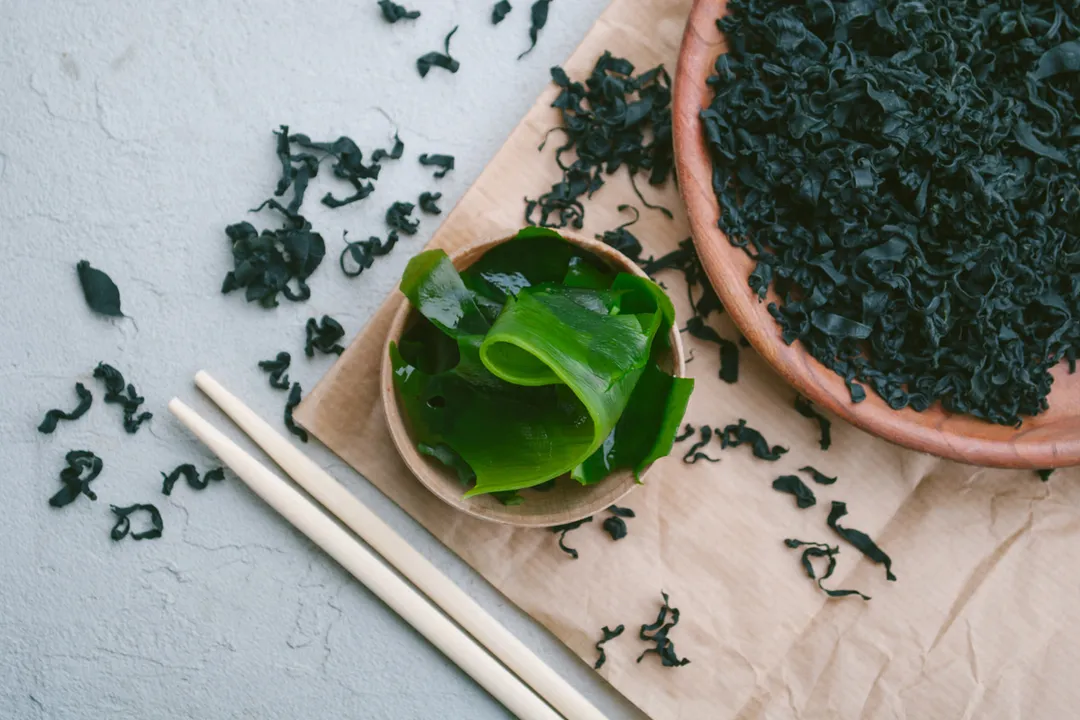
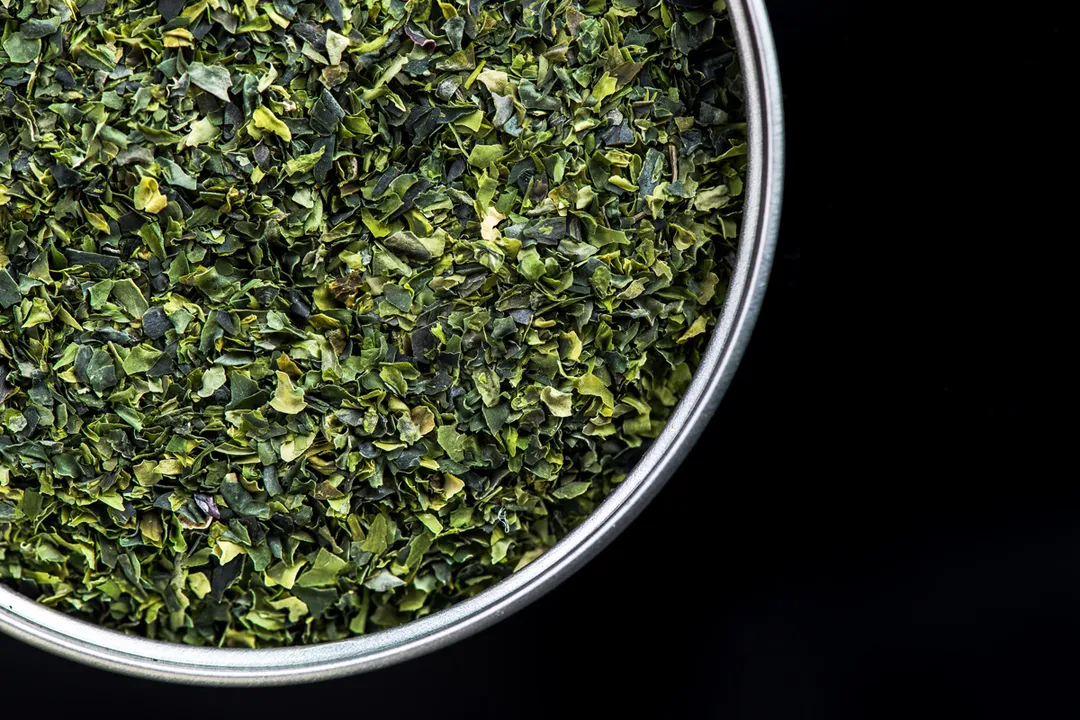
Aonori, often recognized as the fine, vibrant green sprinkle adorning Japanese street foods like takoyaki or okonomiyaki, is a type of edible seaweed commonly called green laver or sea lettuce. While many varieties of sea vegetables exist—red, brown, and green—Aonori distinguishes itself with a delicate texture and potent nutritional profile, particularly when one considers the premium Suji-Aonori grade. Integrating this ocean vegetable into your diet, even in small, consistent measures, can offer a surprising array of health advantages derived from its unique blend of vitamins, minerals, bioactive compounds, and fiber.
# Green Laver
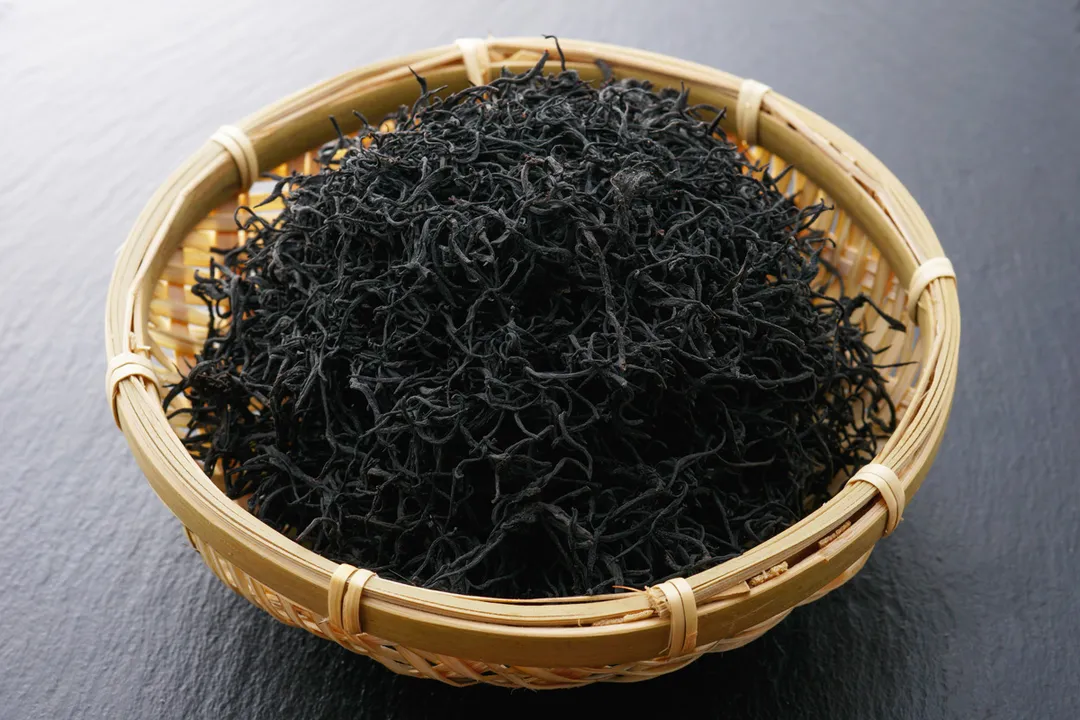
The term Aonori generally refers to a green seaweed species, sometimes differentiated from Aosa or Hitoegusa by experts. These seaweeds belong to the broader category of edible seaweeds (macroalgae), which have been a staple in Asian diets for millennia, though their inclusion in Western diets is only now gaining wider traction, often spurred by interest in functional foods. What makes Aonori particularly compelling from a culinary perspective is its flavor contribution. The highest grade, Suji-Aonori, is famously dubbed the "king of aroma" because its concentration of aromatic compounds can be significantly higher—up to $3.82$ times—than its close relatives. This powerful scent adds a luxurious sensory dimension to dishes that a simple pinch can transform.
# Nutrient Density
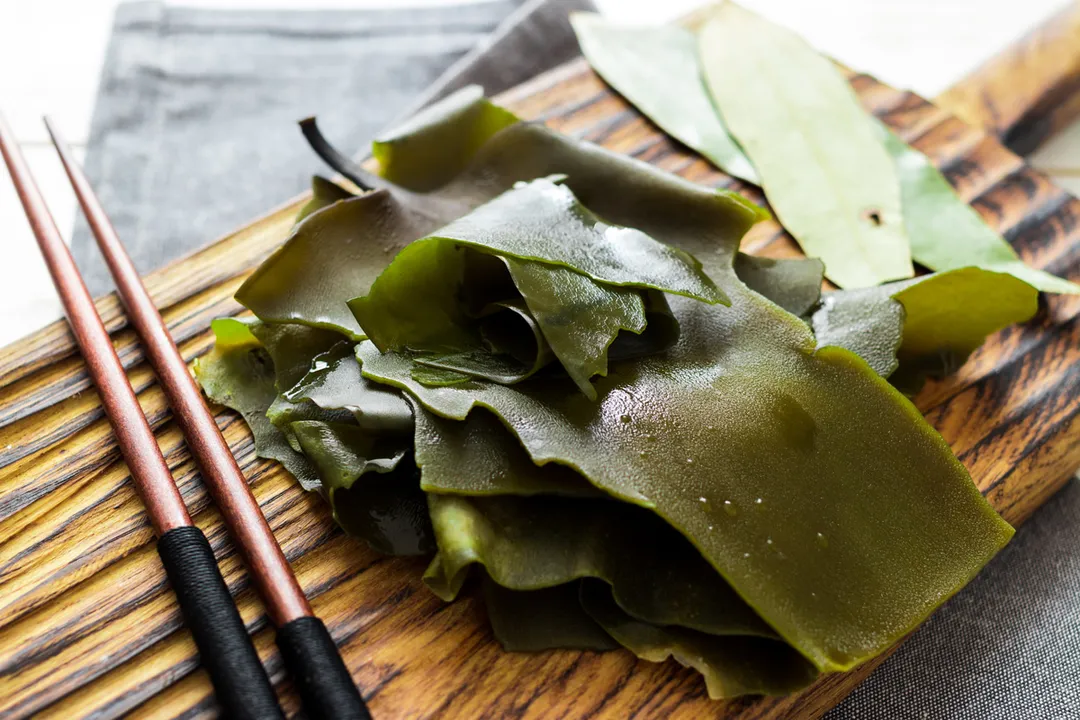
Seaweed is frequently celebrated as a "vegetable of the sea" due to its high concentration of micronutrients absorbed directly from the marine environment. The nutritional makeup of Aonori reflects the general richness of sea vegetables, offering an easy route to boost mineral and vitamin intake.
# Iron and Calcium
The mineral content in Suji-Aonori is especially noteworthy, providing significant amounts of iron and calcium, two elements often under-consumed in many modern diets. For instance, Suji-Aonori reportedly contains a staggering of iron per . To put this into perspective for readers concerned about anemia, especially premenopausal women who have a higher recommended daily intake (), a mere serving of this premium Aonori supplies approximately of iron, which is more than the found in a small dish of boiled spinach (). This indicates that even modest, regular additions can meaningfully bridge dietary gaps. Similarly, its calcium level is impressive, boasting per , which equates to over six times the calcium found in an equivalent measure of milk. Considering that the average daily calcium intake for many populations falls short of the for women, incorporating calcium-rich seaweeds like Aonori becomes a strategic dietary choice.
# Vitamins and Trace Elements
Beyond these major minerals, seaweeds are generally recognized for a wide array of vitamins. Aonori varieties are noted for containing Vitamins , , , and , as well as iron, calcium, and magnesium. Specifically, the Suji-Aonori variety is reported to be rich in Vitamin and compared to other Aonori types. Green seaweeds, which include Aonori (sea lettuce), are known to be particularly high in folate (). Seaweed is also a rare non-animal source of Vitamin , important for those on vegan diets, though the actual bioavailability and activity of this vitamin in seaweed remain a subject of debate and processing methods, like drying, can affect it.

# Gut Support
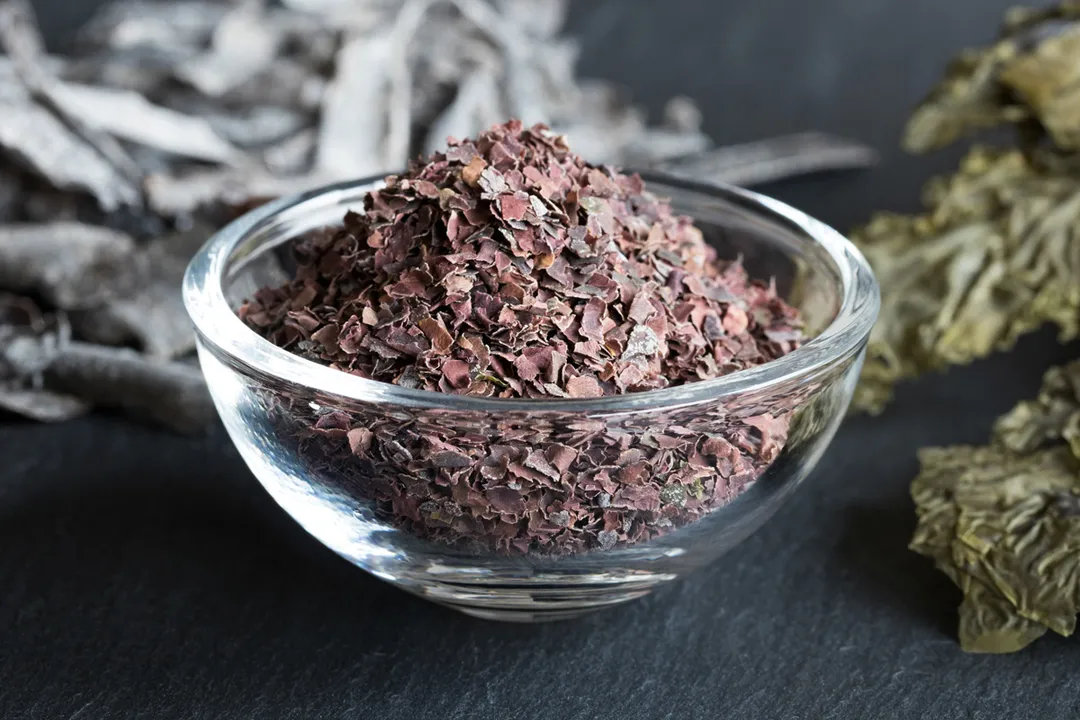
A key area where seaweed, including Aonori, contributes to health is the digestive system, primarily through its substantial fiber and unique carbohydrate content.
# Fiber as Prebiotic
The fiber content of seaweed can constitute $35%$ to $60%$ of its dry weight, often exceeding the fiber found in many terrestrial fruits and vegetables. This fiber resists digestion in the upper tract and serves as a food source—a prebiotic—for the beneficial bacteria residing in the large intestine. This modulation of the gut microbiota is increasingly linked to systemic health benefits, including improved immune function and overall gastrointestinal wellness. Furthermore, the fermentation of this fiber by gut microbes leads to the production of beneficial short-chain fatty acids (), which nourish the cells lining the colon.
# Alginate's Role
Aonori, like other seaweeds, contains alginate, a type of dietary fiber and polysaccharide. Alginate is recognized for its functional properties, such as binding water in the digestive tract. In the context of gut health, studies suggest alginate specifically can promote the growth of "good" gut bacteria and help reduce inflammation in the digestive system. This mechanism is distinct from its potential role in satiety and glycemic control, which is discussed elsewhere.
# Metabolic Control
The nutritional density and specific compounds within seaweeds position them as candidates for supporting weight management and blood sugar regulation.
# Appetite and Weight
The high fiber content in Aonori contributes to weight management by increasing satiety—the feeling of fullness—which can delay hunger and reduce overall calorie intake. Fiber achieves this, in part, by slowing the rate at which the stomach empties. While the whole food benefits are clear, it is the isolated compounds that show targeted anti-obesity potential, though much evidence is derived from animal models. For example, fucoxanthin, a carotenoid prevalent in brown seaweeds, has shown promise in reducing body fat accumulation in mice. A specific human trial involving a fucoxanthin-containing product did show reduced body weight, , and visceral fat in mildly obese adults over four weeks, but this result must be interpreted with care, as the capsules also contained omega-3 fatty acids and punicic acid, confounding the effect of fucoxanthin alone.
# Glycemic Stability
Managing blood sugar is another noted potential benefit. Alginate, present in Aonori, has been shown in animal models to prevent sharp rises in blood sugar after a high-sugar meal, likely by reducing how quickly sugar enters the bloodstream. Furthermore, polyphenols found in seaweeds are being studied for their ability to inhibit digestive enzymes like -amylase and -glucosidase, which are key targets for anti-diabetic agents. This inhibition could slow the breakdown of carbohydrates, leading to a smoother absorption curve for glucose. A meta-analysis found that general brown seaweed consumption significantly improved several key markers related to type 2 diabetes risk, including postprandial blood glucose and .

# Aroma Flavor
For the everyday cook interested in making healthier choices without sacrificing flavor, Aonori's sensory contribution is perhaps its most accessible benefit. Sea vegetables are naturally rich in glutamic acid, a fundamental savory compound responsible for umami. This deep, savory flavor profile offers an intelligent path to reducing reliance on sodium.
It's scientifically established that replacing some of the salt in a dish with an equal taste contribution from umami compounds, like glutamic acid, can lower the overall sodium content while preserving or even enhancing the dish's savoriness. Suji-Aonori, with its superior aromatic character and high glutamic acid concentration, excels here. To truly maximize this effect, remember that umami is intensified when glutamic acid is combined with inosinic acid (found in meat and fish, like bonito flakes) or guanylic acid (found in mushrooms). If you are preparing a soup or stew, consider topping it with Aonori flakes instead of adding an extra pinch of salt; the resulting synergistic umami burst will satisfy the palate while supporting a lower sodium intake.
# Safety Concerns
While the nutritional bounty of Aonori is evident, it is crucial to balance these benefits against potential risks associated with high consumption, primarily concerning iodine and heavy metals.
# Iodine Load
Seaweed is the best dietary source of iodine, which is essential for producing thyroid hormones that regulate metabolism, growth, and cellular repair. Aonori contains iodine, as does its cousin, nori (Porphyra spp.), which has been associated with healthy Vitamin status in vegan children. However, the concentration of iodine in seaweed is highly variable depending on the species, harvest location, and season. Some seaweeds, like kombu, can contain iodine levels vastly exceeding the tolerable upper limit () of for adults. Excessive iodine intake can disrupt thyroid function, potentially leading to hypothyroidism, with symptoms mimicking deficiency.
Fortunately, Aonori (green laver) generally has much lower iodine concentrations than brown seaweeds like kombu or wakame. Even so, vigilance is necessary. A practical step consumers can take is to apply heat: boiling seaweeds has been shown to significantly leach out iodine. For example, boiling Alaria esculenta can reduce its iodine content substantially. When using seaweed regularly, small, controlled portions are the key to benefiting from the iodine without overloading the system.
# Metal Toxicity
Another primary safety consideration is the capacity of seaweeds to accumulate heavy metals, such as arsenic, cadmium, lead, and mercury, from the surrounding waters. The contamination risk is heavily dependent on the environment where the seaweed was grown; farmed or ocean-sourced seaweed generally exhibits lower toxic metal levels than those grown in contaminated coastal areas or near industrial runoff. While most commercially available seaweed in Western markets is farmed and tests within safe limits, regular, heavy consumption raises the theoretical risk of bioaccumulation over time.
Arsenic requires special attention, as it exists in organic (less toxic, like arsenosugars) and inorganic (toxic carcinogens) forms. While most edible seaweeds show low inorganic arsenic, certain types like hijiki are notorious for high levels, leading to consumption warnings in several countries. Since Aonori is a green laver, it is generally considered safer than hijiki; for instance, some seaweeds like nori have been shown to contain inorganic arsenic concentrations below , which is encouraging for food ingredient applications. If possible, sourcing organic seaweed may mitigate some risk by ensuring cleaner growing conditions.

# Final Consideration
For the consumer seeking tangible, consistent benefits from Aonori, the key lies in acknowledging its strengths: its high mineral density (especially iron and calcium, Suji-Aonori in particular), its unique -promoting fiber profile, and its powerful umami flavor. While research continues to validate the medicinal potential of extracted components like peptides and fucoxanthin, integrating whole, high-quality Aonori flakes into everyday cooking provides an immediate nutritional uplift. Viewing it as a potent seasoning that replaces less healthy additions, such as excessive table salt, offers the most direct and sustainable path to enjoying this ancient and flavorful ocean vegetable.
Related Questions
#Citations
7 Surprising Health Benefits of Eating Seaweed - Healthline
Health Benefits of Seaweed - WebMD
What are the benefits of Aonori? - The Ancient Ayurveda - Quora
Risks and benefits of consuming edible seaweeds - PMC
5 Benefits of Eating Seaweed
What Are The Health Benefits of Nori? - Kelly Loves
Suji-Aonori: The King of Aroma with Nutritional Benefits
Dive Into the Ocean of Flavour and Health Appeal in Seaweed