According to Traditional Chinese Medicine descriptions, what is the characteristic nature of Xin Yi Hua (Magnolia Flower Bud)?
Answer
Warm and pungent
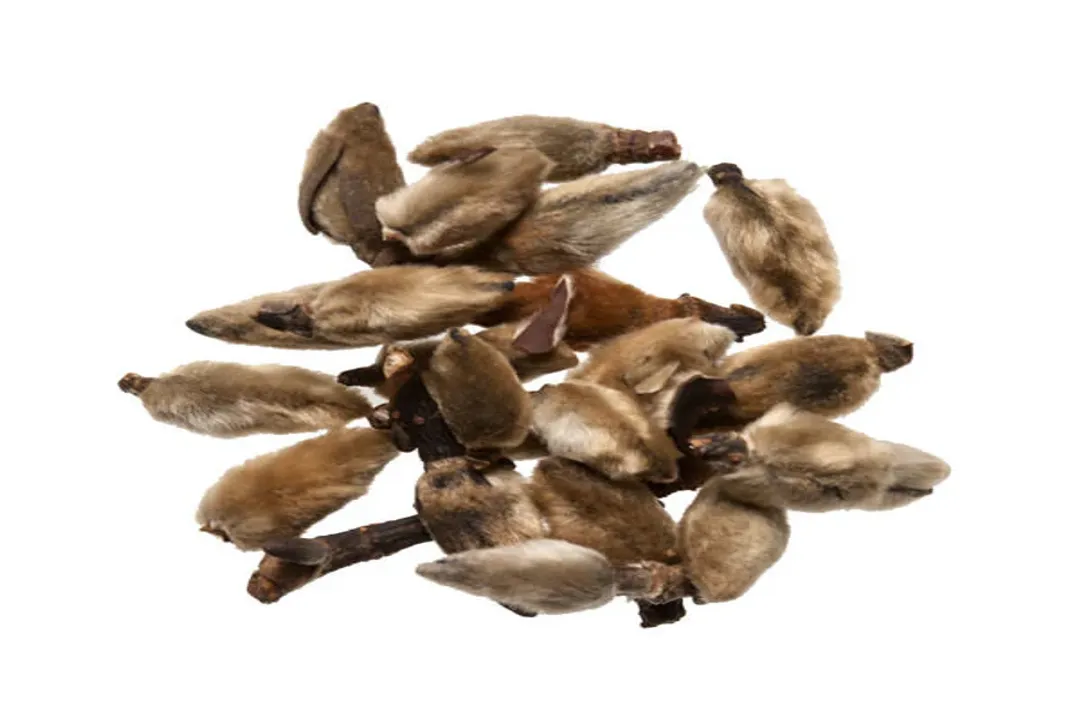
The description of Xin Yi Hua within Traditional Chinese Medicine details specific energetic properties that dictate its therapeutic use. This flower bud is characterized as possessing a warm and pungent nature. This specific categorization informs practitioners about how the herb interacts with the body's internal environment and channels. Furthermore, these properties direct it to enter the Lung and Stomach meridians, aligning its use with treatments aimed at dispelling exterior pathogens like Wind-Cold, which aligns perfectly with its primary function of unblocking severe nasal obstructions.
Related Questions
Which chemical compound found abundantly in Yu Lan Hua blossoms is noted for carrying both antidepressant and anxiolytic benefits?What is the primary medicinal function for which Xin Yi Hua (Magnolia Flower Bud) is emphasized in Traditional Chinese Medicine practice?What is the optimal steeping time range recommended when preparing a consumable tea from Yu Lan Hua?The compound magnolol, found in Magnolia flower constituents, is believed to assist long-term brain health by stimulating which specific neurotransmitter diminished by amyloid plaque?According to Traditional Chinese Medicine descriptions, what is the characteristic nature of Xin Yi Hua (Magnolia Flower Bud)?What specific metabolic benefit is associated with magnolia's active compounds in relation to the liver function described?Beyond aiding in anxiety reduction, what function is the compound honokiol linked to regarding overall brain function and long-term health?How does the Magnolia flower component achieve its beneficial effect when treating challenging respiratory conditions like asthma?Which conditions represent specific contraindications for the internal use of Xin Yi Hua?When preparing Yu Lan Hua as a simple infusion, which action is advised against due to the potential for an overly bitter taste?What does the evolutionary hardiness of the Magnolia tree, having predated the evolution of bees, suggest about its organic compounds regarding human health?