Health Benefits of Xi Yang Ca
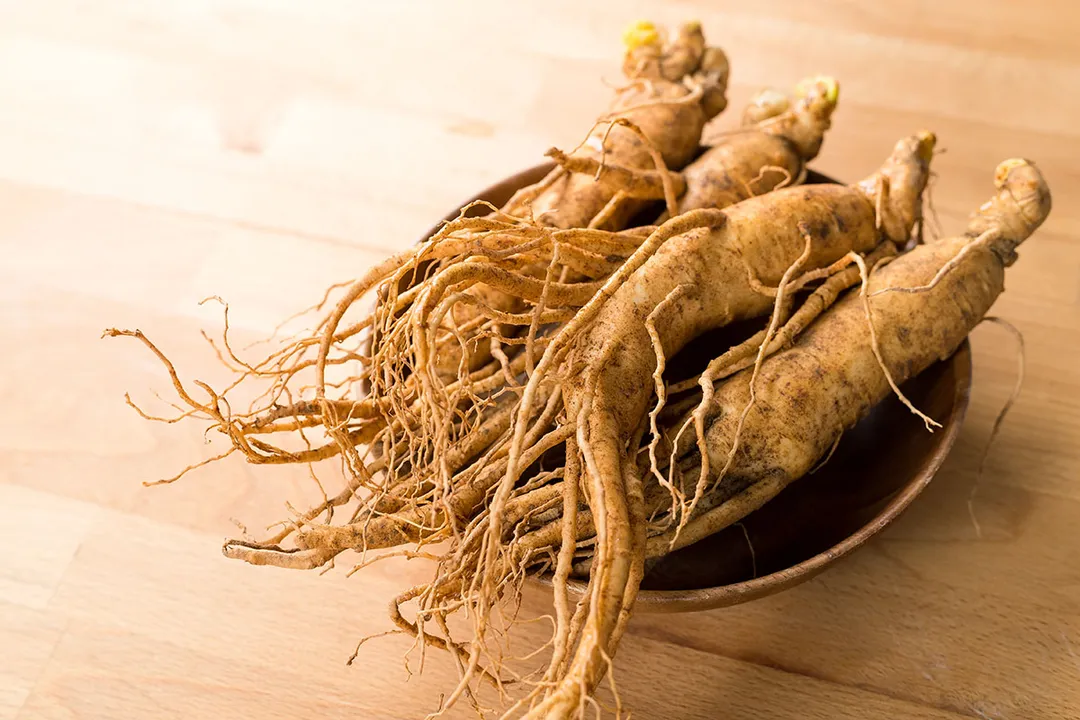
The plant known in traditional contexts as Xi Yang Ca, or more formally in clinical settings as Panax quinquefolius, is widely recognized as American Ginseng. This root has earned a significant place in both Western herbalism and Traditional Chinese Medicine (TCM), where it is often referred to as Xi Yang Shen. Its fame stems from its potential to support general well-being and act as an adaptogen—a substance that helps the body resist various forms of stress. Understanding its unique profile requires looking beyond simple energy boosting, into the specific ways this root interacts with the body's systems.
# Root Identity
American Ginseng (Panax quinquefolius) belongs to the Panax genus, the same family as Asian Ginseng (Panax ginseng). However, their characteristics and traditional applications diverge significantly, which is essential for anyone considering its use. While both are valued roots, the fundamental difference lies in their inherent thermal nature according to TCM principles. Asian Ginseng, or Ren Shen, is typically characterized as warming, often used to supplement Qi (vital energy) when coldness or exhaustion is present. In contrast, American Ginseng, Xi Yang Shen, is traditionally considered cooling and moistening. This cooling nature often makes it a preferred choice for tonifying Yin deficiencies or when conditions present with signs of heat, such as night sweats or dry mouth. The geography of its origin—North America—is embedded in its name, differentiating it from its Asian counterparts.
# Cognitive Support
One area where American Ginseng consistently shows promise is in supporting mental acuity and function. It is often investigated for its nootropic effects, suggesting an ability to fine-tune cognitive performance. Specific studies and traditional uses point toward benefits related to memory, concentration, and the ability to manage mental fatigue during prolonged tasks. Ginseng compounds, particularly the ginsenosides, are believed to interact with neurotransmitter systems, potentially influencing mood and attention.
For individuals managing demanding schedules or long study periods, the impact on focus can be noticeable. For instance, a person might find that integrating a standardized dose of American Ginseng extract helps sustain clarity during the latter hours of a workday, an effect that differs from a sharp, immediate caffeine jolt; it seems to promote a more enduring mental stamina. This is an interesting point of contrast: where some stimulants provide acute energy spikes, the benefit cited here relates to maintaining equilibrium and function under duress, a hallmark of adaptogenic herbs.
# Immune Modulation
The immune system is another primary target for the beneficial actions attributed to American Ginseng. Research suggests that the active components in the root may help balance immune responses. This doesn't necessarily mean simply boosting immunity indiscriminately, but rather modulating the system so it responds appropriately to threats.
When we look at the compounds responsible, the ginsenosides are central. These saponins appear to influence various immune cells and cytokines. For example, some studies have looked at its potential to reduce the duration or severity of cold and flu symptoms when taken regularly, suggesting a preventative or mitigating role rather than just an acute treatment. This is particularly relevant for people who frequently experience seasonal illnesses, offering a gentler, long-term support strategy compared to acute interventions.
# Metabolic Balance
American Ginseng also interacts with the body's ability to regulate blood sugar, though this area requires careful consideration and professional guidance. Some evidence suggests that Panax quinquefolius may help lower blood glucose levels. This mechanism involves potentially improving insulin sensitivity or reducing the absorption of glucose in the gut.
It is important to draw a distinction here: while this is a documented potential benefit, it is not a replacement for standard diabetes management. Anyone already on medications for blood sugar control must communicate this usage to their healthcare provider, as combining them could lead to hypoglycemia—blood sugar dropping too low. The way it supports energy and metabolism generally might also tie into its adaptogenic reputation, helping the body maintain homeostasis when faced with metabolic challenges.
# Preparation and Forms
The way American Ginseng is processed significantly influences its final properties and traditional applications, similar to how cooking changes vegetables. The root is available in several forms, most commonly raw, dried (White Ginseng), or steamed (Red Ginseng, though this is more common for Asian varieties, the principle of processing exists).
White Ginseng is simply the dried root, often peeled. Steaming or heat treatment, which turns the root red, alters the chemical profile of the ginsenosides, creating different compounds. In TCM, the processing method is critical; for instance, steaming Panax quinquefolius would change its cooling properties towards a more neutral or warming effect, thus changing when it should be used.
For modern consumers, accessibility comes in many forms:
- Whole dried root slices (for decoctions or teas)
- Standardized capsules or tablets
- Liquid extracts or tinctures
When selecting a product, if one is specifically seeking the cooling, Yin-nourishing properties of Xi Yang Shen, choosing a non-steamed or raw preparation is key. If opting for commercial capsules, checking the label for the species (Panax quinquefolius) rather than just the generic term "Ginseng" ensures you are getting the correct type.
# Sourcing Insight
A practical consideration for sourcing this herb, particularly for those interested in TCM practices, is to look for roots that have been wild-harvested or cultivated under strict, slow-growth conditions, mirroring historical practices. American Ginseng takes many years—often six or more—to mature sufficiently for harvest. Sourcing from established, reputable suppliers who can trace the origin and age of the root often correlates with higher concentrations of the desired active saponins. Rushing the growth process, similar to trying to rush any deep restorative process in life, usually yields a less potent result.
# Traditional Applications Summary
The history of Ginseng use stretches back centuries, with American Ginseng being utilized by Native American tribes before European settlers adopted it and introduced it to Asian markets where it became highly valued. Its applications in TCM span a wide range of needs, reflecting its perceived ability to normalize bodily function.
The primary TCM functions associated with Xi Yang Shen include:
- Tonifying Yin and Moistening Dryness: Addressing conditions where bodily fluids are depleted.
- Clearing Heat: Helping to manage symptoms associated with excess heat or inflammation.
- Generating Fluids: Aiding in restoration during states of dehydration or dryness caused by fever or chronic illness.
- Calming the Spirit (Shen): Promoting mental tranquility alongside physical support.
Compare this to the general Western view, which often groups Ginseng under the umbrella of "energy and vitality". While the TCM view is highly nuanced based on temperature and deficiency patterns, the Western view often focuses more directly on measurable outcomes like endurance, immune response, and cognitive metrics. Both perspectives converge on the idea that it supports the body in reaching a state of greater balance.

# Safety Profile and Interactions
While generally considered safe when taken appropriately, American Ginseng is a potent herb, and awareness of potential side effects and drug interactions is mandatory.
Side effects are usually mild but can include insomnia, headache, or digestive upset. Given its stimulating properties in some individuals, avoiding use late in the day is a good practice to prevent sleep disruption.
Crucially, the herb can interact with several classes of medications:
- Diabetes Medications: As mentioned, due to its blood sugar-lowering potential, caution is necessary to avoid hypoglycemia.
- Anticoagulants (Blood Thinners): Ginseng may potentially decrease the effectiveness of drugs like warfarin.
- MAO Inhibitors: Combining Ginseng with these antidepressants may lead to side effects such as tremor and mania.
- Stimulants: Combining it with other stimulants may increase the risk of jitters or elevated heart rate.
# Practical Application Tip
For those new to Ginseng, a helpful starting point, especially if targeting general wellness without specific TCM diagnosis, involves a staggered approach. Begin with a low, standardized dose (e.g., 200mg of a 4% ginsenoside extract) taken only in the morning for the first week. Then, monitor for any adverse effects like restlessness or digestive changes. If well-tolerated, this level can be maintained or slightly increased. If the goal is strictly to support Yin or manage "heat," consider taking it with a cooling agent, such as mixing the powdered root into a light, unsweetened yogurt or a cool herbal infusion, rather than a hot decoction, to help preserve its inherent cooling property. This layering of traditional understanding with modern dosing habits helps manage expectations and side effects.
# General Health Effects
Beyond the specific systems discussed, the overall picture of American Ginseng points toward generalized support for well-being and vitality. It is often categorized as a supplement that contributes to an overall feeling of being healthier and more resilient.
The definition of Panax Ginseng generally includes its use for fatigue, though again, the Xi Yang Shen variant provides a cooling alternative to the warming Asian varieties. This distinction is vital for practitioners and users alike: applying a warming herb to a "hot" condition, or a cooling herb to a "cold" condition, defeats the intended purpose of the therapy. Therefore, when researching uses, the distinction between Panax ginseng and Panax quinquefolius is not merely academic; it dictates the outcome in practice.
The components responsible for these varied effects are the ginsenosides, which are triterpene saponins unique to this plant genus. The precise composition and ratio of these saponins vary based on where the plant grows, how it is processed, and its age, leading to the complex array of observed benefits. The evidence gathered across various studies continues to build a case for its classification as a powerful natural remedy that warrants careful, informed integration into health routines.
Related Questions
#Citations
Biological Activities of Ginseng and Its Application to Human Health
8 Facts About Ginseng You Probably Didn't Know
The Facts on Ginseng - Benefits and Risks - Avicenna Health
Panax Ginseng - Uses, Side Effects, And More - WebMD
White Ginseng / Xi Yang Shen - Elix
Unveiling Ginseng's Power: Enhance Brain Function and Overall ...
American Ginseng: Health Benefits, Side Effects, Uses ... - RxList
A Survey of the History and Applications of American Ginseng (西洋参)
Herbs & Botanicals | Acupuncture Today