Why is Hokkaido butter so good?
The reputation of Hokkaido butter precedes it, often whispered with reverence among gourmands who have had the distinct pleasure of tasting it. It stands apart from the everyday butter found in many global markets, possessing a depth of character and a luxurious mouthfeel that elevate simple toast to an event. To understand this superior quality, one must look north, to Japan's second-largest island, where the environment itself seems engineered for dairy perfection.
# Climate And Purity
The foundation of Hokkaido butter’s excellence lies not in a secret churning technique, but in the very air and land where the cows graze. Hokkaido boasts a naturally cool and relatively dry climate year-round. This temperature profile is crucial for dairy cows, as they are highly susceptible to heat stress, which can begin when temperatures reach as low as 72°F with 50% humidity. Heat stress directly impacts milk quality, leading to lower production rates and an increased risk of illness in the herd. Because Hokkaido rarely sees temperatures soaring much higher than 80°F, the cows remain comfortable, leading to consistent, high-quality milk output.
This pristine environment extends to the air quality. Reports indicate that Hokkaido generally maintains good air quality, with AQI levels frequently well below 50. Clean air, coupled with comfortable temperatures, translates directly into less stress for the animals. Dairy farmers in the region consciously work to maintain this stress-free living environment, providing ample roaming space and comfortable bedding. When cows are relaxed and healthy, their milk reflects that tranquility—it tastes pure, clean, and fresh.
# Superior Feed Sources
Beyond the comfortable living conditions, what a cow eats profoundly influences the flavor profile of its milk, and subsequently, the butter derived from it. The diet of Hokkaido dairy cows is carefully managed, consisting of high-quality grass from the land supplemented by feed mixed with grains, often supplied locally by the dairy farmers themselves. Research consistently shows that a diet rich in pasture feeding correlates with higher levels of beneficial compounds like omega-3s, CLA, and -carotene in the milk. A nutrient-packed, natural diet results in milk that is not only healthier but inherently more delicious tasting.
This regional specialization has made Hokkaido dairy products, including ice cream, cheese, and butter, widely regarded as the crème de la crème within Japan. Furthermore, one brand, Yotsuba, founded by local Hokkaido farmers in 1967, specializes in using 100% raw milk sourced from this rich natural environment, maintaining strict controls throughout their production process.
# Flavor Profile Distinctions
When tasting Hokkaido butter, like the highly rated Yotsuba variety, the immediate impression is often one of richness and a remarkably creamy texture. The ingredients are fundamentally simple—fresh milk and sometimes a touch of salt—but the resulting flavor is complex. Descriptions note subtle notes of vanilla, a silky texture that coats the mouth, and a clean finish.
It is worth noting that in some cultural contexts, including snack foods, the expectation for "Hokkaido Butter" flavor leans slightly sweet. However, for the butter itself, the defining characteristic is its profound, pure buttery flavor, often possessing a richer fat concentration than standard commercial butters. This higher fat content contributes significantly to that sought-after creamy mouthfeel that melts beautifully on the palate.
While butter consumption in Japan is historically lower than in Western nations—about a tenth of what Germans or the French eat—the butter that is consumed in specialty forms, like that from Hokkaido, represents the absolute pinnacle of domestic production.
If we were to compare, for instance, a standard commercial butter block (often around 80% fat) to some high-end European or Hokkaido cultured butters, the latter often boasts a richer concentration, which naturally amplifies the flavor and textural experience when spread or melted. The clean taste profile means the butter doesn't carry the funky or sour notes that can sometimes plague dairy products from overly stressed or poorly fed herds.
# Culinary Application and Fame
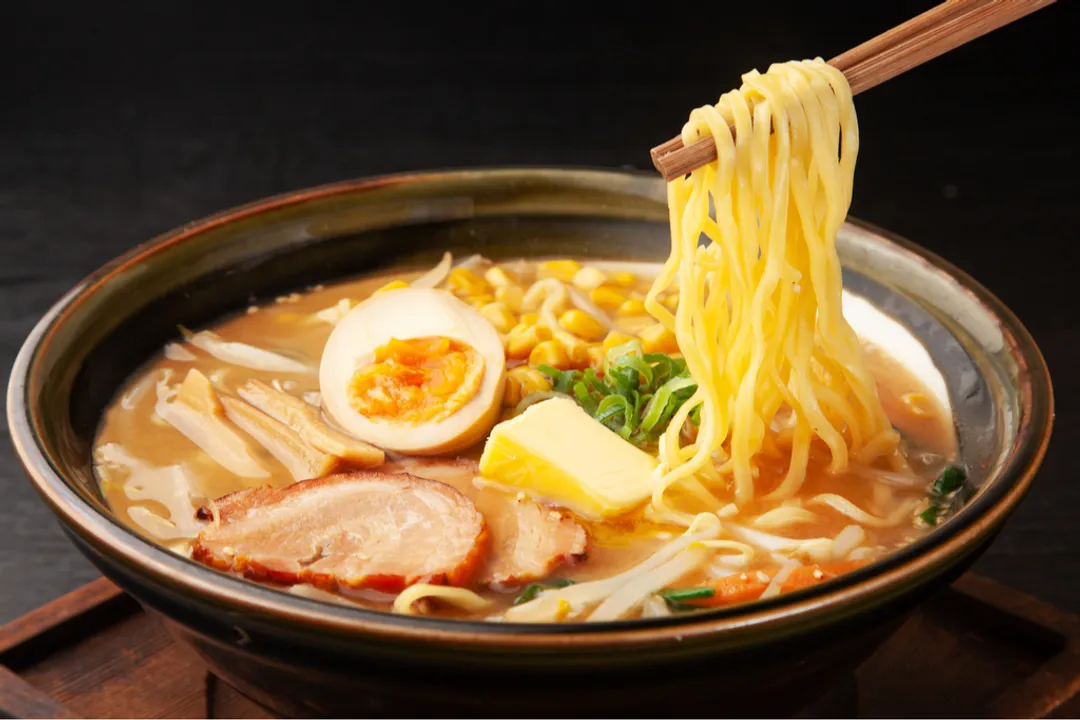
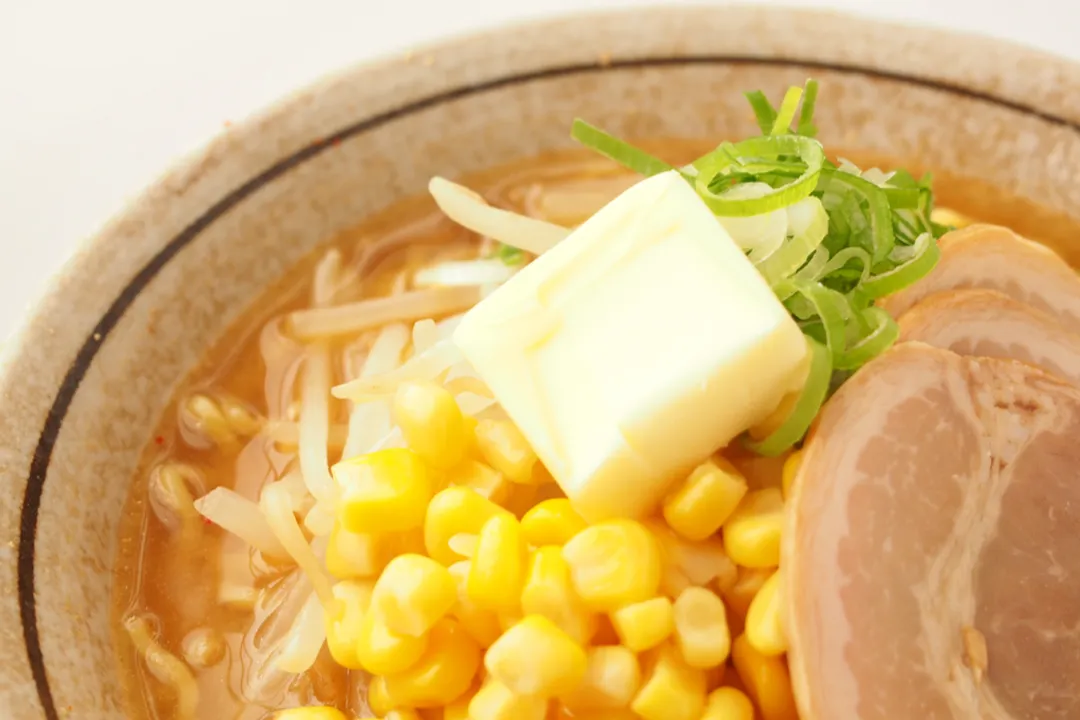
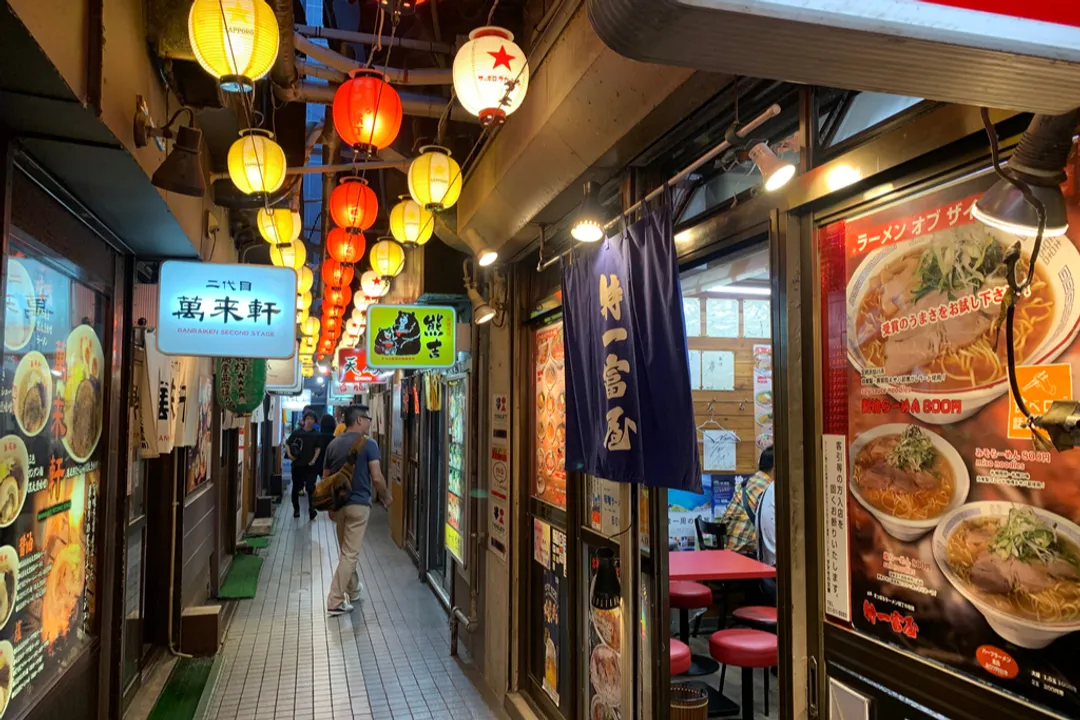
The quality of Hokkaido butter is so highly regarded that it has become a signature ingredient in regional cuisine, moving beyond simple spreads. In Sapporo, the capital, this ingredient features prominently in the famous Hokkaido butter ramen. The addition of butter to ramen serves two distinct functional purposes in this cold region: flavor enhancement and heat retention. By incorporating the high-quality dairy fat, the broth stays warmer for longer, which is a welcome feature during Hokkaido's long winters. The combination of corn and butter topping on miso ramen exemplifies the use of local specialties to define a regional dish.
This high regard extends even into confectionery. For example, Butter Candy (batā ame), a popular souvenir from the region, is built entirely around capturing that rich, creamy, buttery taste in a hard candy form, often evoking the sweetness of caramelized sugar and buttered popcorn. The enduring popularity of such products underscores the cultural association of the island with dairy excellence.
When consumers outside of Japan seek out this product, they are often looking for that specific, unadulterated dairy richness, which is why it attracts attention even in international discussions about premium dairy products.
# Experience Matters
For anyone seeking to truly appreciate what sets Hokkaido butter apart, the experience itself is key. Many sources confirm that enjoying Hokkaido dairy in products like soft-serve ice cream or cheesecake offers a crisp, clean, and undeniably fresh flavor experience.
When assessing a premium product like this, context is everything. Since the primary difference is the milk’s inherent quality derived from climate and diet, the simplest applications often reveal the most. Consider performing a simple comparative tasting: spread a small slice of Hokkaido butter on a plain, unflavored cracker or a slice of shokupan (Japanese milk bread, itself known for its soft texture). Then, immediately taste a similar portion of the standard butter you typically use. Notice how the Hokkaido sample coats the mouth more fully and leaves a lingering, clean sweetness rather than a heavy, fatty residue. This subtle difference in texture and the purity of flavor, which avoids the need for heavy salting or complex culturing (though some styles are cultured), is the direct result of prioritizing the cow's well-being and environment above all else. It’s a testament to the idea that exceptional ingredients require minimal manipulation to shine.
Related Questions
#Citations
Yotsuba Hokkaido Butter - Best Gourmet Products | TasteAtlas
What is Hokkaido Butter Ramen? History & Where to Buy - Sakuraco
The Japanese Snack Food Review » Hokkaido Butter Pretz
Talk to me about butter : r/MTLFoodLovers - Reddit
What's the Deal with Hokkaido Dairy? - The Frugal Foodies
Butter in Japan - Webexhibits
Candy from Hokkaido made of Butter and Sugar - Food in Japan