How to calculate food composition?
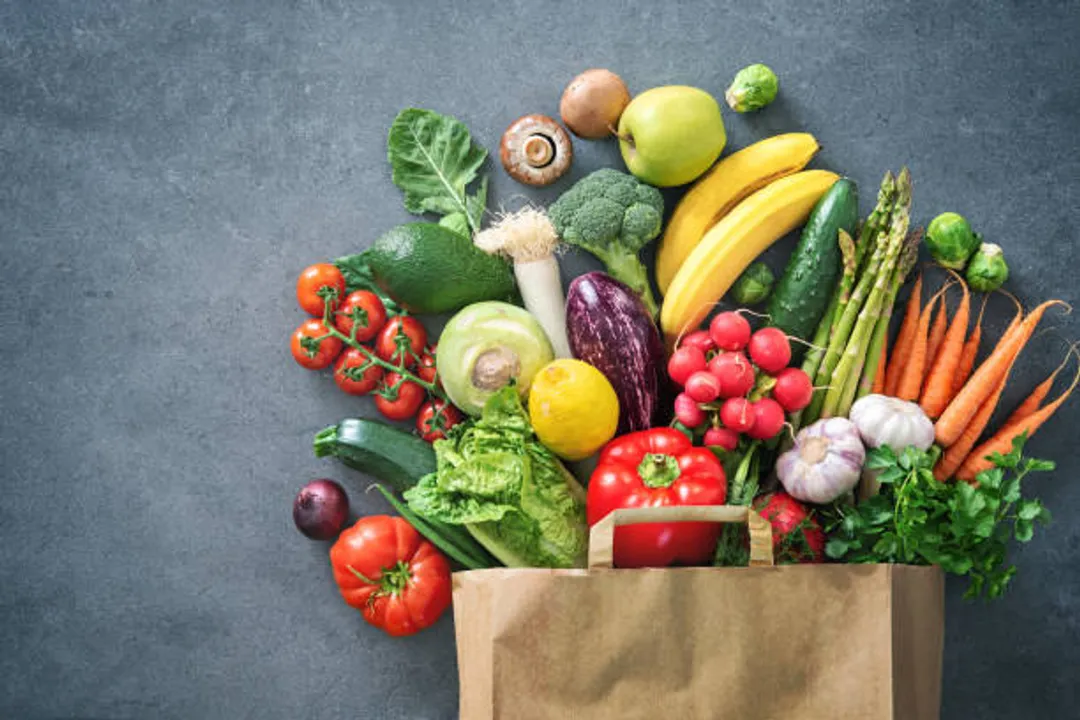
Determining the exact nutritional makeup of food, from a simple apple to a complex casserole, involves several methodical approaches ranging from utilizing established reference data to performing detailed laboratory work. Getting this composition right is fundamental for everything from managing dietary needs and creating accurate food labels to advancing nutritional science. [2][4] The process generally hinges on identifying the ingredients, quantifying them, and then summing up their respective nutrient contributions based on reliable sources.
# Database Lookups
For everyday tracking or quick estimates, relying on established food composition databases is the most accessible route. [1][10] These databases compile vast amounts of data on thousands of raw, processed, and prepared foods, detailing their macronutrient content (protein, fat, carbohydrates), vitamins, minerals, and sometimes even fiber or cholesterol levels. [2][5] Many online tools or smartphone applications function by tapping into these standardized references to provide rapid estimations for ingredients or simple meals. [1][10]
When you use an online recipe nutrition analyzer, for instance, the program asks you to input the ingredients and their amounts, and it then automatically pulls the composition data from its integrated library to generate a total nutrient profile for the entire recipe and often a per-serving breakdown. [1]
However, the quality of the output is entirely dependent on the quality of the source data and how the tool handles variations. [2] For example, using the United States Department of Agriculture (USDA) FoodData Central—a primary repository of food composition data—provides a high degree of trust because the data often comes from direct laboratory analyses or validated references. [2] It is crucial to understand that different databases may present slightly different figures for the same food item due to regional variations, different sampling methods, or the age of the data. [2][5] When precision is paramount, understanding which database a calculator is referencing becomes an important part of trusting the result. [2]
# Recipe Summation
Calculating the composition of a mixed dish, such as soup or a baked good, requires a more involved summation process than looking up a single ingredient. [8][9] This method is essential for food manufacturers, dietitians creating specific therapeutic diets, or anyone needing to know the exact nutritional value of a self-made recipe. [8]
The core principle is additive: you must determine the total weight of each nutrient contributed by every single component of the recipe and then aggregate those amounts. [9]
Here is a standardized workflow for calculating the nutrition of a composite food item:
- Ingredient Inventory: List every ingredient used in the recipe, ensuring you use the exact raw weight or volume measure as it went into the dish.
- Data Retrieval: For each ingredient, find its precise nutritional profile using a verified composition database. This step is critical; make sure the data corresponds to the form of the ingredient (e.g., raw versus cooked, canned in water versus oil). [2][8]
- Weight Adjustment (If Needed): If the database value is given per 100 grams, you must calculate the total contribution based on the specific weight you added. For example, if you add 250 grams of chicken breast and the database states protein is 31g per 100g, the contribution is of protein. [9]
- Total Nutrient Summation: Add up the contributions of that specific nutrient (e.g., total fat, total sodium) from all ingredients to get the final nutrient total for the entire batch. [8]
- Yield Determination: Accurately weigh the final cooked product to determine the total edible yield in grams. This accounts for moisture loss or gain during preparation, which can concentrate or dilute nutrients. [9]
- Per-Serving Calculation: Divide the total nutrient amount by the number of servings the recipe yields, or calculate the nutrient density per 100g of the final product. [8]
A common point of failure in home recipe calculations is incorrectly accounting for moisture changes during cooking. For instance, baking bread or roasting meat causes significant water evaporation, meaning the final product weighs less but contains the same absolute amount of protein and fat as the raw ingredients (though the concentration per gram increases). [9] When using an automated tool, one must ensure it accounts for this weight change, often by asking for the final cooked weight. [1][8] If you are doing this manually, failing to adjust the final weight will lead to an overestimation of nutrient density per serving.

# Ingredient State Matters
The state of an ingredient profoundly affects its recorded composition. For instance, when calculating a soup recipe, using the nutrient data for raw carrots is scientifically inaccurate if you are using canned, pre-cooked carrots. [2] Similarly, data for plain rice should not be used for rice cooked in added butter and broth.
When comparing data sources, you often see differences based on processing. A study looking at food composition data noted that precise handling during data collection is necessary because, for example, peeling vegetables or removing skin from meat alters the final nutrient profile significantly. [2] This highlights why data retrieved from research-grade sources, such as those compiled by national agencies, often specifies the state of the food item very clearly. [2][5]
For example, one might find separate entries for:
- Potatoes, raw, with skin
- Potatoes, boiled, flesh only
- Potatoes, instant, dehydrated
Choosing the wrong entry can throw off your final calculation by significant margins, especially for minerals like potassium or fiber content. [4]
# Label Reading Context
For consumers, the calculated composition data is often summarized on the Nutrition Facts label, which is mandated by regulatory bodies like the U.S. Food and Drug Administration (FDA). [6] Understanding how the calculated, batch-specific composition relates to the standardized label is useful for interpretation.
The FDA label provides mandatory information on calories, total fat, saturated fat, cholesterol, sodium, total carbohydrate (including dietary fiber and sugars), and protein, along with key vitamins and minerals. [6] This label represents the average nutrient content of the product as sold. [6] For manufactured foods, the manufacturer calculates this using established analytical methods or approved nutrient databases, which often rely on the same summation principles described above. [6]
However, an important distinction exists between the calculated composition of a homemade meal and the declared composition on a label. Labels often use Reference Amounts Customarily Consumed (RACC) to determine serving size, which might not perfectly align with how an individual chooses to portion their homemade dish. [6]

# Analytical Methods
While database lookups and recipe calculations are practical for daily use, high-level accuracy, especially for research or quality control in food production, requires direct analytical chemistry. [4] This involves physically testing the food sample in a laboratory setting.
The analytical process typically measures specific components directly. For macronutrients, this might involve techniques like the Kjeldahl method for protein or solvent extraction for fat. [4] Analyzing minerals often requires more complex steps, such as ashing the sample followed by atomic absorption or emission spectrometry. [4] Micronutrient analysis, particularly for vitamins, is often the most challenging and expensive due to their inherent instability and lower concentrations in food matrices. [4]
This laboratory approach is essential when:
- A food item is new or novel and lacks existing data.
- The food processing method significantly alters nutrient levels in an unknown way (e.g., a new preservation technique).
- Regulatory compliance demands certified, tested values rather than estimates.
The scientific literature emphasizes that the methods chosen for analysis must be validated and specific to the nutrient of interest to ensure the data is trustworthy. [2][4] For example, modern methods often focus on determining bioavailable nutrients rather than just total content, which is a level of detail rarely captured in standard consumer databases. [2]
# Practical Application Tips
When you are managing your diet closely, even small calculation discrepancies can add up over a week. One overlooked aspect in home cooking is accounting for the weight of added water in ingredients that absorb it, such as dried beans or pasta, versus ingredients that release water, like vegetables when sautéed. If you calculate the nutrition based on the weight of dry beans but then add the weight of the cooking water to your final yield, you will underestimate the final concentration of protein and starch in the edible portion. [9] A simple technique to manage this is to only include the weight of the dry starting material in your nutrient sum and then only weigh the final drained product to get your serving size denominator.
Furthermore, consider the precision of your measuring tools. A standard kitchen scale measuring to the nearest gram is suitable for tracking total calories in a 1000-gram meal, providing an accuracy of about 0.1%. [9] However, if you are trying to precisely control intake of a mineral like sodium or a specific trace vitamin where the daily requirement is only a few milligrams, using measuring cups for ingredients like salt or spices introduces significant error. [6] For these trace components, always measure by weight using a small, high-precision scale if accuracy beyond general estimation is required. This level of attention is often what separates casual tracking from clinical dietary management. [7]
In essence, calculating food composition is a spectrum of accuracy. At one end are quick estimates from commercial counters based on general averages. [10] In the middle is the summation method for recipes, relying on aggregated database values. [8] At the peak of precision is direct laboratory analysis tailored to specific components. [4] The right method depends entirely on the goal: consumer awareness, label compliance, or scientific research. [2]
#Videos
How Calculate Nutrients Using FCT || Food Composition Tables
Related Questions
#Citations
Try Our Recipe Nutrition Calculator - Verywell Fit
[PDF] Procedures for Estimating Nutrient Values for Food Composition ...
How Calculate Nutrients Using FCT || Food Composition Tables
Guidelines for Recipe Information and Calculation of Nutrient ...
Calculation of the composition of dishes prepared from recipes
How to Understand and Use the Nutrition Facts Label - FDA
Daily nutrient requirements calculator - Eat For Health
Recipe Calculation - Compilers' Toolbox™
[PDF] How to calculate nutrition values of foods
Food Calculator: Carbs, Calories, Fat, Protein and More - WebMD