Health Benefits of Turnip
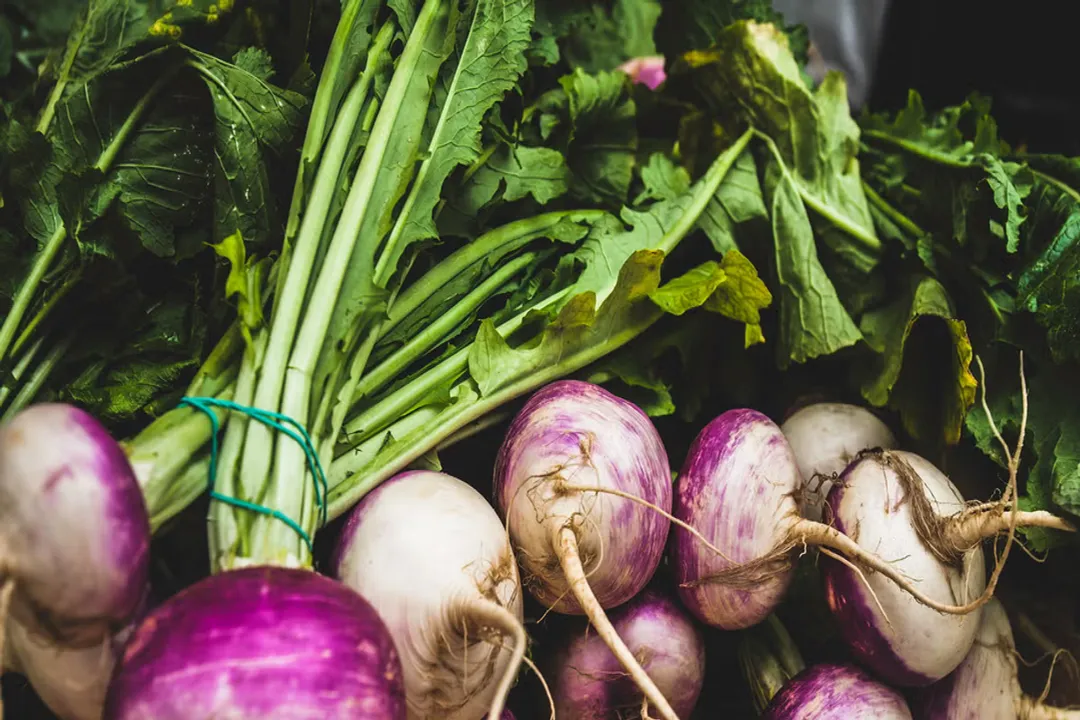
Turnips, often overlooked in the root vegetable aisle compared to their sweeter or starchier cousins, are a remarkably nutrient-dense addition to any diet, offering benefits that span from strengthening bones to supporting heart function. [1][2] These versatile brassicas, which include both the pale white root and the dark green, edible tops (turnip greens), provide a wealth of vitamins, minerals, and unique compounds that contribute to overall wellness. [3][5]
# Core Vitamins
When examining the nutritional makeup of turnips, one quickly sees why they deserve more attention. A significant benefit is their high concentration of certain key micronutrients, especially when considering their low calorie count—a single cup of raw turnip contains only about 28 calories. [2]
Vitamin C is a standout component, acting as a potent antioxidant that supports the immune system and aids in collagen production. [1] Furthermore, turnips are an excellent source of Vitamin K, a fat-soluble vitamin essential for proper blood clotting and maintaining strong bone structure. [1][3] For those looking to support cellular maintenance and growth, folate (Vitamin B9) is present in good measure, which is especially important during periods of rapid cell division. [2]
Potassium is another mineral worth noting. This essential electrolyte helps manage fluid balance and plays a critical role in regulating blood pressure by counteracting the negative effects of sodium. [1][7] Manganese, necessary for bone formation, metabolism, and enzyme function, is also readily available in these roots. [2]
# Gut Health
Fiber is a cornerstone of turnip nutrition, benefiting the digestive system significantly. [3] Both the root and the greens contribute dietary fiber, which is vital for maintaining regularity and preventing constipation. [1]
Beyond simply keeping things moving, the fiber within turnips acts as a prebiotic, feeding the beneficial bacteria in your colon. [3] A thriving, diverse gut microbiome is increasingly linked not just to better digestion, but also to improved immune response and even mood regulation. [3] While many people automatically peel turnips, a good scrubbing followed by cooking allows you to retain much of this crucial fiber, which resides heavily in or just beneath the skin. If you are preparing turnips for roasting, try cutting them into smaller, one-inch cubes rather than peeling and halving them; this slightly increases the surface-area-to-volume ratio, which helps them absorb seasonings better during the roasting process while keeping more fiber intact compared to aggressive peeling techniques. [3]

# Cardiovascular Support
The profile of minerals found in turnips lends itself well to supporting long-term heart health. As mentioned, potassium is a primary factor here, helping to relax the walls of blood vessels and thereby easing hypertension. [1][7]
Turnips are also notable for being naturally low in sodium. [7] In modern dietary patterns where sodium intake is often excessive, choosing low-sodium whole foods like turnips can naturally assist in keeping blood pressure within a healthy range. [1] Furthermore, turnips contain no cholesterol, and their fiber content can contribute to lowering LDL ("bad") cholesterol levels by binding with cholesterol particles in the digestive tract, preventing their absorption. [7]
# Skeletal Integrity
Maintaining strong, dense bones throughout life requires a steady intake of specific nutrients, and turnips deliver on several fronts. [1] Vitamin K is arguably the most critical component sourced from turnips for skeletal health, as it is necessary for the production of proteins that help anchor calcium within the bone matrix. [1]
While not as high in calcium as dairy products, turnips do contribute to the daily intake of calcium and phosphorus, both fundamental building blocks for bone mineral density. [1] For older adults or those focused on preventative care, integrating both the root and the greens is beneficial, as the greens often contain higher concentrations of these bone-supporting minerals than the root portion alone. [1]
# Disease Defense
Turnips belong to the cruciferous vegetable family, alongside broccoli, cauliflower, and cabbage, meaning they contain beneficial sulfur-containing compounds known as glucosinolates. [2][3]
When you chop, chew, or digest turnips, these glucosinolates break down into biologically active compounds such as isothiocyanates. [2] Research suggests these isothiocyanates have potent antioxidant and anti-inflammatory properties. [2] This powerful defensive action helps neutralize free radicals in the body, reducing oxidative stress that contributes to chronic diseases, including certain types of cancer. [2][3] By incorporating these vegetables regularly, you are providing your body with biochemical tools to manage cellular damage.
# Metabolic Balance
For individuals monitoring blood sugar levels, turnips present a favorable option due to their composition. [2] They are relatively low in carbohydrates and calories, and the high fiber content helps slow down the absorption of sugars into the bloodstream, preventing sharp spikes in glucose levels after eating. [2]
If you frequently rely on mashed potatoes as a side dish, consider substituting half the potato volume with mashed turnips or rutabaga—this swap significantly lowers the overall glycemic load of the meal while maintaining a similar comforting texture and adding a slightly peppery flavor note. [2] This substitution strategy allows for better long-term metabolic management without sacrificing familiar comfort foods.

# Culinary Application
The way you prepare turnips dramatically influences both their texture and their nutrient availability. The roots themselves possess a slightly sharp, peppery taste when raw, making them excellent thinly sliced in salads for a crunchy texture contrast. [5]
However, cooking them tends to mellow this sharpness, bringing out a subtle sweetness. [5] Common preparation methods include roasting, steaming, or boiling, after which they can be mashed, similar to potatoes. [5] Turnip greens, meanwhile, require different preparation. They can be sautéed with garlic and a splash of vinegar or cooked down slowly with smoked meat, absorbing flavors beautifully while delivering massive amounts of Vitamin A and Vitamin K—often far exceeding the root in micronutrient concentration. [1][5] Understanding that the greens are a nutritional powerhouse distinct from the root allows for a more complete benefit from the single vegetable purchase.
It is important to remember that excessive cooking, particularly boiling for long periods, can cause water-soluble vitamins like Vitamin C to leach out into the cooking water, so steaming or roasting until just tender is often the best way to preserve the most nutrient value. [1]
Related Questions
#Citations
Health Benefits of Turnips - WebMD
Turnips: Nutrition, Calories, and Benefits - Healthline
Turnips: Health benefits, nutrition, and dietary tips
[PDF] Turnips Fresh Household Food Fact Sheet
Did you know turnips are a nutrient-packed root veggie ... - Facebook
9 Surprising Health Benefits Of Turnips - Women's Health
The Health Benefits of Turnips: Cooking the Purple Vegetable
Life's-an-adventure-eat-a-turnip
A Critical Review on Phytochemical Profile and Biological Effects of ...