Health Benefits of Taro
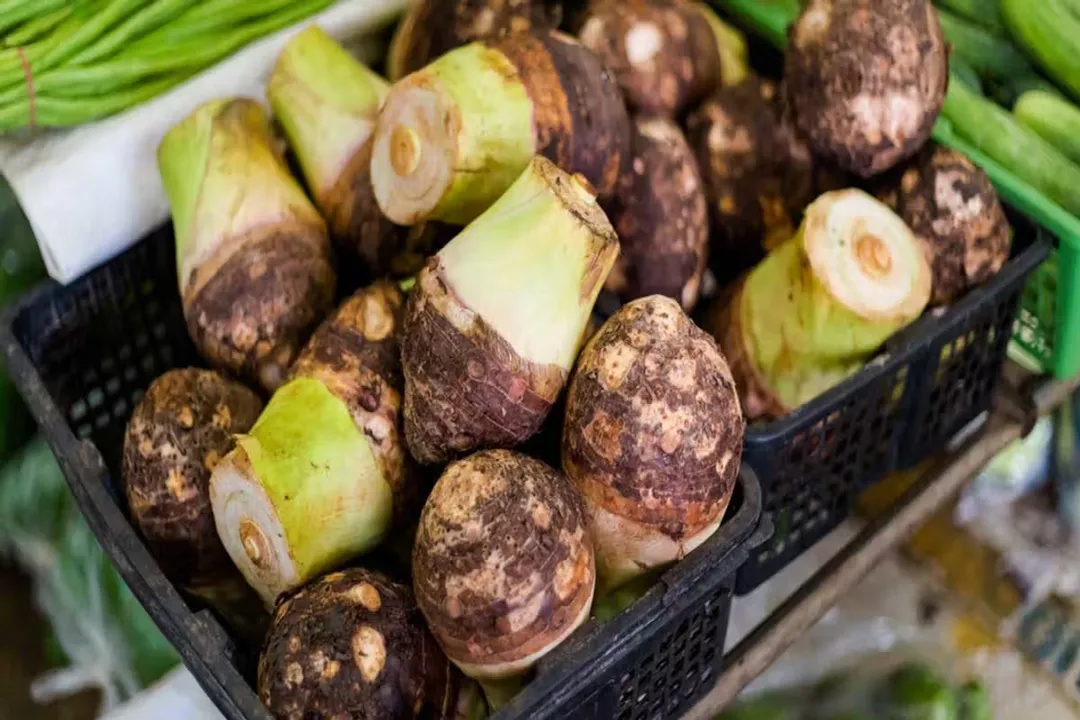
Taro, scientifically known as Colocasia esculenta, is one of the globe's most ancient cultivated crops, predating written history in many regions. Originating in Southeast Asia, this starchy root vegetable, or corm, has sustained cultures across Oceania, Africa, and Asia for millennia. Known by various names, including kalo in Hawaiian tradition and arbi in others, taro offers a complex nutritional profile that modern dietary science is beginning to fully appreciate, often positioning it as a superior starchy alternative to more mainstream staples like the potato.
# Core Nutrition
The nutritional density of taro root provides significant value, especially when compared to polished white rice, which offers energy but very few vitamins and minerals; even brown rice falls short of taro’s micronutrient profile. A standard one-cup serving (approximately 132 grams) of cooked taro root delivers around 187 calories, primarily derived from carbohydrates.
Key components that stand out in a typical serving include:
- Dietary Fiber: Around 6.7 grams, which is more than double the amount found in an equivalent serving of potatoes.
- Manganese: This root supplies about 30% of the recommended Daily Value (DV), a mineral critical for proper metabolism, blood clotting, and bone maintenance.
- Vitamin B6: Contributing about 22% of the DV.
- Vitamin E: Providing roughly 19% of the DV.
- Potassium: Delivering around 18% of the DV.
- Copper and Magnesium: Each contributing about 10–13% of the DV.
- Vitamin C: Supplying around 11% of the DV.
Taro is naturally low in fat—less than one gram per cup—and contains zero cholesterol. This mineral and vitamin density suggests that regular consumption of taro, particularly when integrated into meals with protein sources as practiced traditionally, can help bridge common nutrient gaps in contemporary diets.
# Starch Structure
Taro’s carbohydrate composition is a major driver of its health advantages. While it is a starchy vegetable, it contains two specific types of carbohydrates beneficial for metabolic regulation: dietary fiber and resistant starch (RS). Fiber, being undigested, does not impact blood sugar levels directly. Instead, it functions by slowing the overall digestion and absorption of other carbohydrates consumed alongside it, thereby mitigating sharp blood sugar spikes following meals.
Resistant starch is particularly interesting; it is a portion of the starch that escapes digestion in the small intestine and travels onward to the colon. In cooked taro root, roughly 12% of the total starch content is of this resistant variety. Because RS is not absorbed as a simple sugar, it bypasses the immediate blood sugar response. This dual mechanism—fiber slowing overall absorption and RS remaining inert to immediate glucose conversion—makes taro a beneficial carbohydrate source, especially for those managing blood sugar.
If we consider the textural difference between mashed taro (like traditional poi) and mashed potatoes, the higher percentage of structural fiber and resistant starch in taro likely results in a starch matrix that binds differently to moisture and, potentially, fats during cooking. This physical difference might contribute to a sustained feeling of fullness that lasts longer than one might expect from the initial caloric load of the root, reinforcing its role in satiety.
# Gut Health
The beneficial effects of fiber and resistant starch extend directly into the lower digestive tract. Since the body cannot digest these components, they reach the colon intact, where they serve as a vital food source for the resident gut microbiota. The fermentation process carried out by these beneficial microbes converts the RS and fiber into short-chain fatty acids (SCFAs).
These SCFAs are crucial; they act as nourishment for the cells lining the intestines, helping to maintain the integrity and health of the digestive system. Evidence from studies, including one in pigs, showed that diets rich in RS improved colon health by increasing SCFA production and reducing cellular damage in the colon. Furthermore, some research indicates that individuals with inflammatory intestinal disorders, like ulcerative colitis, often exhibit lower levels of these protective SCFAs in their guts, suggesting that consuming foods rich in RS and fiber, like taro, could be a protective dietary strategy.
# Metabolic Regulation
The compounds present in taro show promise in supporting a healthy metabolic state, impacting both blood glucose and lipid profiles.
# Glucose Control
The combination of high fiber and resistant starch supports blood sugar management. Clinical studies have observed that diets rich in fiber—up to about 42 grams daily—can result in a reduction of blood sugar levels by approximately 10 mg/dl in individuals with type 2 diabetes. Moreover, taro has been shown in animal models to possess anti-hyperglycemic properties. For example, administering taro flour to rats with experimentally induced hyperglycemia helped restore normal glucose levels after several weeks. This effect is partly attributed to the presence of specific inhibitors, such as proteins A-1 and B-2 found in defatted taro flour, which inhibit the activity of -amylase, an enzyme that breaks down starches. Furthermore, mucilage extracted from taro flour has been shown to inhibit -glucosidase, which regulates glucose release, thereby slowing carbohydrate digestion and controlling post-meal glucose spikes.
# Cholesterol and Lipids
The impact on heart health is multifaceted, involving potassium, fiber, and specific lipid-modulating compounds. Taro is rich in potassium, a mineral that assists in regulating high blood pressure by helping the body process excess sodium, thus reducing strain on the cardiovascular system. Fiber intake is also strongly linked to lower heart disease risk; one study noted that every additional 10 grams of fiber consumed daily corresponded to a 17% decrease in the risk of mortality from heart disease. This effect is believed to be partly due to fiber's ability to lower cholesterol.
Research on taro flour derivatives also points to direct anti-hyperlipidemic potential. In rats, diets containing taro flour reversed signs associated with diabetes complications, including lowering total cholesterol, LDL cholesterol, and triacylglycerols, while simultaneously raising protective HDL-cholesterol levels. Specific lipids isolated from taro, including monogalactosyldiacylglycerols (MGDGs) and digalactosyldiacylglycerols (DGDGs), have shown an ability to inhibit human lanosterol synthase in vitro. Lanosterol synthase is a key enzyme in the cholesterol synthesis pathway, a molecular target often addressed by drugs used to manage high cholesterol. The ability of natural compounds in taro to interfere with this process suggests a natural pathway for supporting healthy lipid management.
# Antioxidant Activity
Taro root is abundant in various plant-based compounds known as polyphenols, which function as powerful antioxidants. Antioxidants are vital because they protect cellular components—like DNA, proteins, and lipids—from damage caused by free radicals, which are reactive molecules produced by normal metabolism or exposure to environmental stressors.
The total antioxidant capacity (TAC) of taro is attributed to a wide array of molecules, including flavonoids, tannins, saponins, carotenoids, phenols, and vitamins such as Vitamin E. Quercetin, a primary polyphenol found in taro, is a well-known antioxidant. In preclinical tests (test-tube and animal studies), quercetin has demonstrated the capacity to trigger the breakdown of cancer cells and slow the growth of several cancer types. Taro extracts have also demonstrated protective effects against specific human cancer cell lines in laboratory settings.
It is important to note that while antioxidants are generally protective, studies suggest that their use during certain cancer treatments may require careful consideration regarding the type and dosage, as their action can sometimes interfere with the cell-death mechanisms triggered by chemotherapy.
# Immune Support and Cancer Potential
Beyond direct antioxidant action, taro contains bioactive molecules that exhibit immunomodulatory and antitumoral properties, largely confirmed through preclinical models.
A key player identified in taro is tarin, a specific lectin (a carbohydrate-binding protein). Tarin has been shown to possess antitumoral and immunomodulatory effectiveness. In laboratory tests, crude taro extract containing tarin inhibited the proliferation of several human and murine cancer cell lines, including breast and glioblastoma cells. Intriguingly, when tarin was encapsulated in liposomes, its anti-proliferative effect on glioblastoma cells was reported as being comparable to the effect of cisplatin, a standard chemotherapy drug, yet the free or encapsulated forms of tarin showed no toxicity toward healthy cells at effective concentrations.
Tarin’s mechanism appears to involve binding to specific carbohydrate chains often overexpressed on cancer cells. This binding is associated with:
- Anti-inflammatory Action: Tarin modulates the immune response by reducing the release of prostaglandin E2 (), an inflammatory mediator known to promote tumor growth and inhibit the immune system’s ability to fight cancer. It achieves this by down-regulating the expression of cyclooxygenase-2 ().
- Immune Activation: Taro components stimulate the immune system indirectly. For instance, compounds within taro can activate natural killer (NK) cells and promote the proliferation of T-cells and B-cells—critical components of the body’s defense against malignancy. Furthermore, taro polysaccharides have been shown to activate the complement system, a key part of the innate immune response.
These findings suggest that the regular inclusion of taro in the diet may serve as a supportive dietary intervention, not just by managing cancer risk factors like obesity and diabetes, but also by actively engaging mechanisms that could control tumorigenesis and accelerate recovery from immunosuppression, such as mitigating leukopenia following chemotherapy.
# Weight Management
Taro’s contribution to managing body weight is largely linked back to its high fiber and resistant starch content. Fiber slows the rate at which the stomach empties, which research suggests helps maintain feelings of fullness for a longer duration, potentially leading to a lower overall calorie intake throughout the day and supporting long-term weight management.
Resistant starch may contribute similarly. One study noted that men supplementing with 24 grams of RS before meals consumed about 6% fewer calories afterward compared to those in a control group, and also exhibited lower insulin levels post-meal. Animal models further indicated that diets high in RS led to less total body fat and abdominal fat.
It is important to view taro as an enhancer for a weight loss routine, not a standalone solution; sustained change requires a balanced diet and consistent exercise.
# Taro Leaves and Traditional Uses
While the corm is globally recognized, the heart-shaped leaves of the taro plant are also edible and highly nutritious. Taro leaves are low in calories (about 35 per cooked cup) but offer substantial nutrients, including 3 grams of fiber, 4 grams of protein, and notable vitamins like Vitamin A (supplying 34% of the DV) and Vitamin C (supplying 57% of the DV). The iron and folate content also make them beneficial, particularly for supporting a baby’s development during pregnancy due to folate's importance for the nervous system.
The leaves also contain nitrates, which are noted for aiding in blood pressure regulation, further contributing to heart health.
A critical consideration when preparing taro, whether leaves or corms, is the presence of calcium oxalate crystals. In their raw state, these compounds can cause an unpleasant tingling or burning sensation in the mouth and throat. The primary goal of cooking is to deactivate these compounds, making the food safe and palatable. Traditional preparation methods across cultures reflect this necessity; for example, Hawaiian poi is made by steaming and mashing the corms, a process that breaks down the oxalates.
Given that traditional Polynesian groups consume taro regularly as a staple, their methods have likely optimized nutrient retention while ensuring safety. For instance, while boiling is common, the process of fermentation used to create sour poi over several days suggests that time, combined with initial heat treatment, may further modify the root's matrix, perhaps optimizing the release or stability of certain compounds for improved absorption over immediate consumption.
# Modern Culinary Adaptation
Taro’s versatility allows it to be incorporated into many recipes, spanning savory and sweet applications due to its naturally mild, slightly sweet, nutty flavor profile. Common preparations include frying into chips, baking, mashing, or incorporating the root (or its flour) into pancakes, soups, and baked goods.
In contemporary society, taro has found a niche in beverages, notably in taro milk tea. This drink typically combines tea with a taro paste or powder, often sweetened. While the boba pearls themselves are primarily a textural addition, the base of taro mixed with black tea retains the root's inherent advantages, like blood sugar modulation from fiber and antioxidants from the tea itself. Preparing this beverage at home allows for greater control over added sugars and can blend the taro’s benefits with those of other healthy ingredients, such as pairing it with specific tea blends known for their own antioxidant properties.
# Safety and Preparation Protocols
The paramount rule when consuming taro root or leaves is that they must be cooked thoroughly. Cooking deactivates the naturally occurring proteases and oxalates. For the leaves, research suggests that soaking for a minimum of 30 minutes or even overnight can partially reduce oxalate content, though boiling is considered the more effective method for deactivation. When handling the raw tubers or leaves, wearing gloves can also be wise, as some individuals may experience skin irritation from the calcium oxalate content. Ensuring the root is firm, unblemished, and heavy for its size when selecting it at the market are good indicators of quality before beginning the required cooking process.
# Potential Applications
The extensive preclinical evidence suggests taro is more than just a staple carbohydrate; it is a food matrix containing therapeutic potential. Its ability to interfere with key processes associated with chronic disease—like inhibiting -amylase (for glucose control) and inhibiting lanosterol synthase (for cholesterol control)—mirrors the mechanisms of action of certain modern pharmaceutical agents. The research highlights a compound profile that interacts with signaling cascades related to cell proliferation, inflammation, and metabolic dysfunction. While clinical trials in Western populations are still needed to fully translate these findings, the long history of traditional use, combined with modern laboratory confirmation of its anti-hyperglycemic and anti-hyperlipidemic effects in animal models, strongly supports its inclusion in health-conscious dietary choices. It is a historically valued "orphan crop" that deserves greater attention for its capacity to contribute positively to overall systemic health management.
Related Questions
#Citations
Health Benefits of Taro Root - WebMD
7 Surprising Benefits of Taro Root - Healthline
7 Surprising Benefits of Taro Root | Vinmec
Anticancer and Immunomodulatory Benefits of Taro (Colocasia ...
Taro Milk Tea: What It Is, How It's Made, and the Benefits
Taro Health Benefits – Hawaiʻi ʻUlu Cooperative
What Are the Benefits of Taro Leaves, and Are There Side Effects?