Health Benefits of Soybean
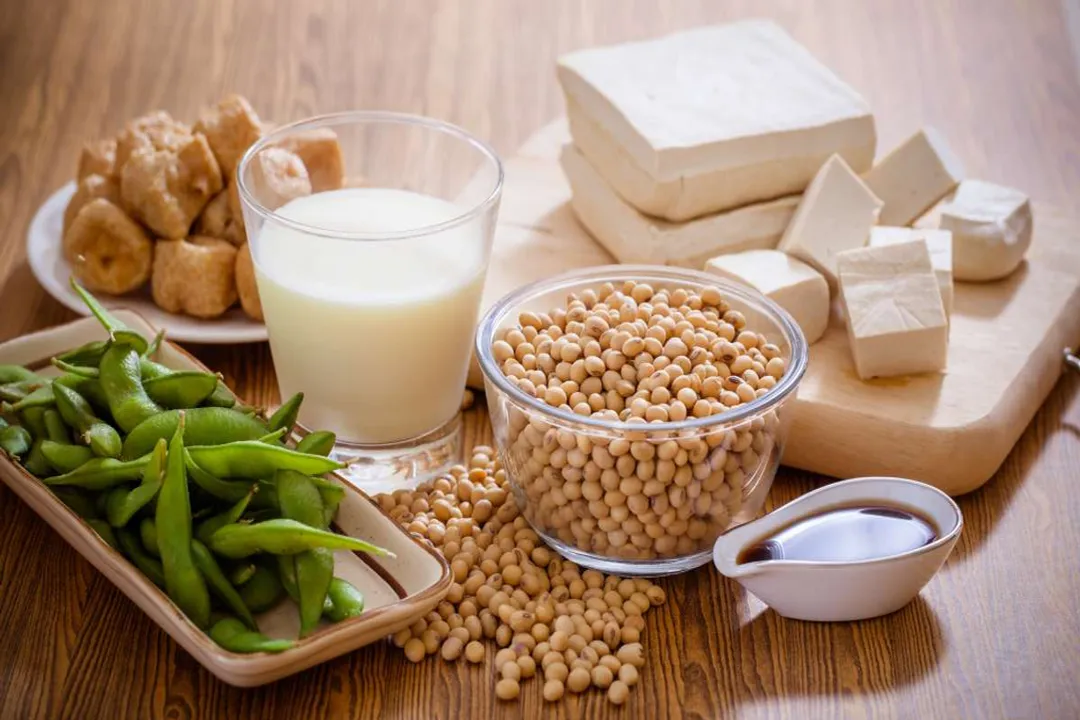
Soybeans are one of the most studied and versatile legumes available, offering a dense package of nutrition that has made them a staple across many cultures for centuries. [2] Far more than just a source of plant-based milk, these beans — often consumed as edamame, tofu, or tempeh — deliver a wide array of compounds recognized for their potential positive effects on human health, ranging from cardiovascular support to managing menopausal symptoms. [5][6] Understanding the specific components that drive these benefits helps place soy products correctly within a balanced diet. [9]
The sheer nutrient density of soybeans is impressive, particularly when comparing them to other pulses and grains. [2] A key selling point, and often the first discussed, is their complete protein profile. [10] Unlike many plant sources, soybeans contain adequate amounts of all nine essential amino acids that the human body cannot produce on its own. [9][10] This makes soy an excellent foundation for vegetarian and vegan diets, offering a protein quality comparable to that found in meat, eggs, and dairy. [10] Beyond the protein, soybeans are a rich source of dietary fiber, healthy unsaturated fats, and several critical micronutrients, including iron, magnesium, phosphorus, B vitamins, and manganese. [2][5] For instance, just one cup of cooked soybeans can supply a significant percentage of the recommended daily intake for several of these vital elements. [2]
# Heart Wellness
One of the most consistently supported health claims for soy centers around cardiovascular health. [6][8] Regular inclusion of soy protein in the diet has been linked to favorable changes in blood lipid profiles. [1] Specifically, replacing animal proteins high in saturated fats with soy protein can contribute to lowering levels of low-density lipoprotein (LDL) cholesterol, often referred to as the "bad" cholesterol. [1][6] This beneficial effect is attributed not only to the quality of the protein but also to the soybean's high content of unsaturated fatty acids, including both polyunsaturated and monounsaturated fats. [2][9] Furthermore, soybeans provide soluble fiber, which aids in cholesterol management by binding to cholesterol particles in the digestive tract, preventing their absorption. [2] When planning daily meals, a practical adjustment involves being mindful of how soy is prepared; while a block of plain tofu is inherently low in sodium, many pre-marinated or smoked soy products can quickly add excessive salt, potentially counteracting the positive impact on blood pressure that is also sometimes associated with soy consumption. [8]
# Hormone Balance
Soybeans are well-known for containing isoflavones, which are naturally occurring plant compounds that possess mild estrogen-like properties. [2][9] These compounds, primarily genistein and daidzein, are classified as phytoestrogens. [2][5] Because their structure is similar to the hormone estrogen, they can interact with estrogen receptors in the body, though with much weaker effects. [9] This mechanism is central to their purported benefits for women, particularly in managing symptoms associated with menopause. [6] Studies suggest that isoflavone intake might help alleviate common complaints like hot flashes, although the degree of relief can vary widely among individuals. [1][6] It is also worth noting that populations that traditionally consume a higher proportion of soy throughout their lives, often starting in childhood, may experience different physiological responses to these compounds compared to those in Western populations who introduce them later or in smaller quantities. [7]

# Disease Protection
The interest in soy often extends into its potential role in chronic disease prevention, particularly certain types of cancer. [6] The isoflavones, acting as selective estrogen receptor modulators (SERMs), may play a role in breast cancer risk reduction, especially when consumption begins early in life. [1][7] For women who consume soy regularly, some research suggests a lower risk of developing breast cancer later on. [6] Similarly, the compounds found in soybeans have been investigated for their effects on prostate health. [1][6] The antioxidant properties inherent in soybeans, stemming from various phytochemicals, contribute to fighting oxidative stress, which is a fundamental process involved in the development of many chronic diseases. [3] It’s important, however, to maintain perspective; soy is best viewed as one beneficial food within a broader, health-promoting diet, rather than a singular cure or preventative agent. [9]
# Skeletal Strength
Maintaining strong bones is vital throughout life, and soy appears to offer support in this area as well. [6] Research indicates that soy isoflavones may positively influence bone mineral density, especially in postmenopausal women, who are at higher risk for osteoporosis due to declining natural estrogen levels. [1][5] This effect is thought to be related to the phytoestrogens helping to slow the rate of bone loss. [1] Beyond the isoflavones, soybeans naturally contain minerals essential for bone matrix formation, such as calcium and magnesium. [2][5] For individuals consuming fortified soy milk, the calcium contribution can be substantial, making it a direct substitute for dairy in supporting skeletal maintenance.
# Weight Management
For those aiming for weight control, incorporating soy products can be beneficial due to their high protein and fiber content. [2] Protein is well-known for promoting satiety—the feeling of fullness—which can naturally lead to reduced overall calorie intake throughout the day. [10] When eaten as whole foods like edamame or minimally processed tofu, the combination of protein and fiber slows digestion, stabilizing blood sugar levels and curbing unnecessary snacking between meals. [2] Considering the source data, a typical serving of soy provides a significant protein punch without the high saturated fat typically associated with many animal protein sources, offering a more calorically efficient route to meeting protein needs. [10]
# Food Forms
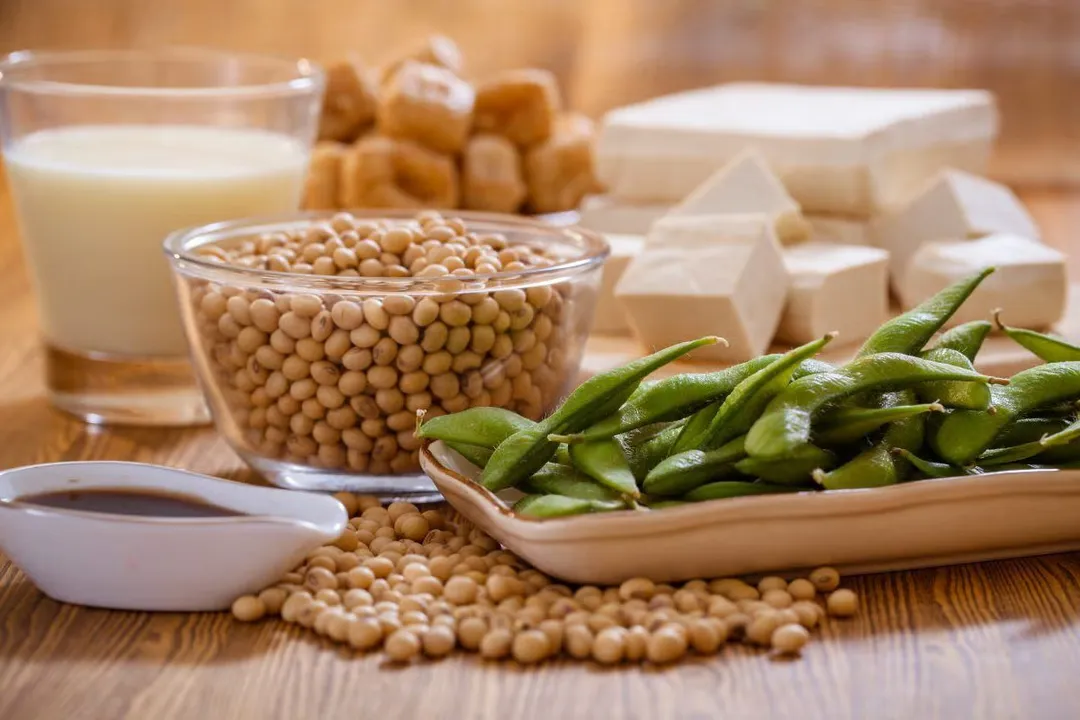
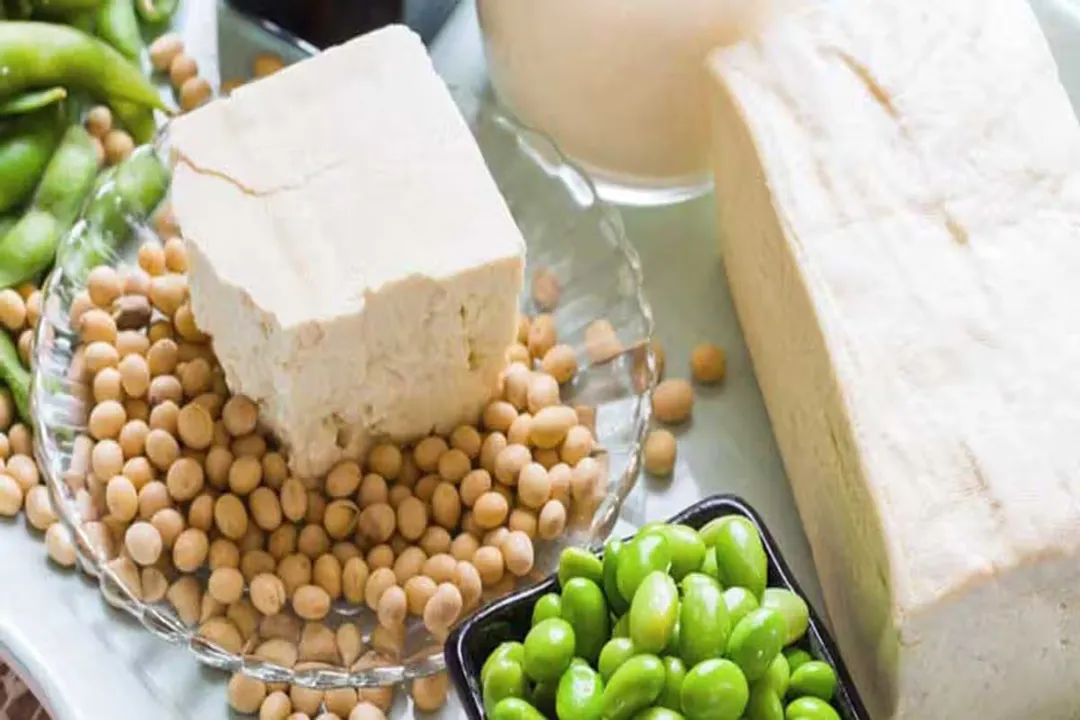
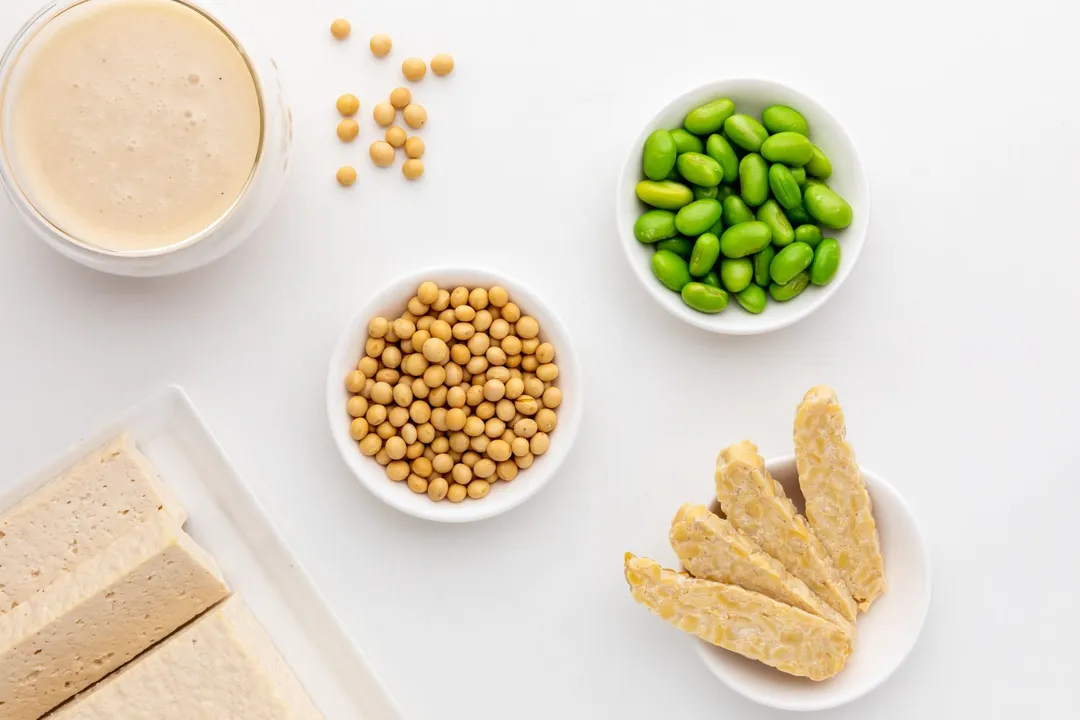
The health impacts of soy are inextricably linked to how it is prepared and consumed, as different processing methods yield different nutritional profiles. [4]
- Edamame: These are immature green soybeans, often boiled or steamed in the pod, making them an excellent snack high in protein and fiber. [4] They are consumed as whole beans, retaining nearly all native nutrients. [5]
- Tofu (Bean Curd): Made by coagulating soy milk and pressing the resulting curds into blocks. [4] Tofu absorbs the flavors of whatever it is cooked with, making it incredibly versatile. Its nutritional content varies slightly based on the firmness (water content) of the final product. [4]
- Tempeh: This product involves fermenting whole soybeans into a firm, cake-like consistency. [4] The fermentation process inherent in making tempeh can enhance the bioavailability of certain nutrients, such as iron, and can also break down some of the indigestible components present in the raw bean. [3] This natural microbial action often makes tempeh easier to digest for some individuals compared to less-processed soy foods.
- Soy Milk: A liquid beverage produced by soaking and grinding soybeans, filtering the residue, and boiling the remaining liquid. [4] Fortification is common here, often with vitamins like and . [5]
The choice between these forms significantly affects the final meal. While tofu is easy to integrate into stir-fries, choosing tempeh means you are getting the added advantages derived from the fungal culture used in its creation, potentially offering superior mineral absorption, whereas edamame provides the simplest, least-altered nutritional package. [4]
# Safety and Considerations
For the general population, soybeans and soy foods are considered safe and nutritious additions to the diet when eaten in moderation. [5] Concerns regarding thyroid function or hormonal disruption in healthy individuals consuming standard amounts of soy have largely been alleviated by current scientific consensus. [9] However, one crucial area for consumers to monitor is allergy. Soy is one of the major food allergens, and individuals with a diagnosed soy allergy must strictly avoid it and all its derivatives. [5] Furthermore, the intake of whole soy foods (like tofu, tempeh, and edamame) is generally preferred over highly processed soy isolates or derivatives when the goal is maximizing whole-food nutritional intake. [9] The majority of evidence supporting the noted health benefits is drawn from studies where participants consumed traditional, minimally processed soy products regularly. [4]
Related Questions
#Citations
The health benefits of soy - UCLA Health
Soybeans 101: Nutrition Facts and Health Effects - Healthline
The health effects of soy: A reference guide for health professionals
Soybeans and soy foods | Better Health Channel
Benefits of Soybeans and Soy Products - Verywell Health
Health Benefits of Soy - WebMD
THE HEALTH IMPACT OF CHILDHOOD SOY CONSUMPTION
Health benefits of soy and soy phytochemicals - AME Medical Journal
Straight Talk About Soy - The Nutrition Source
Soy 101: Is It Healthy? - NASM Blog