Health Benefits of Oregano
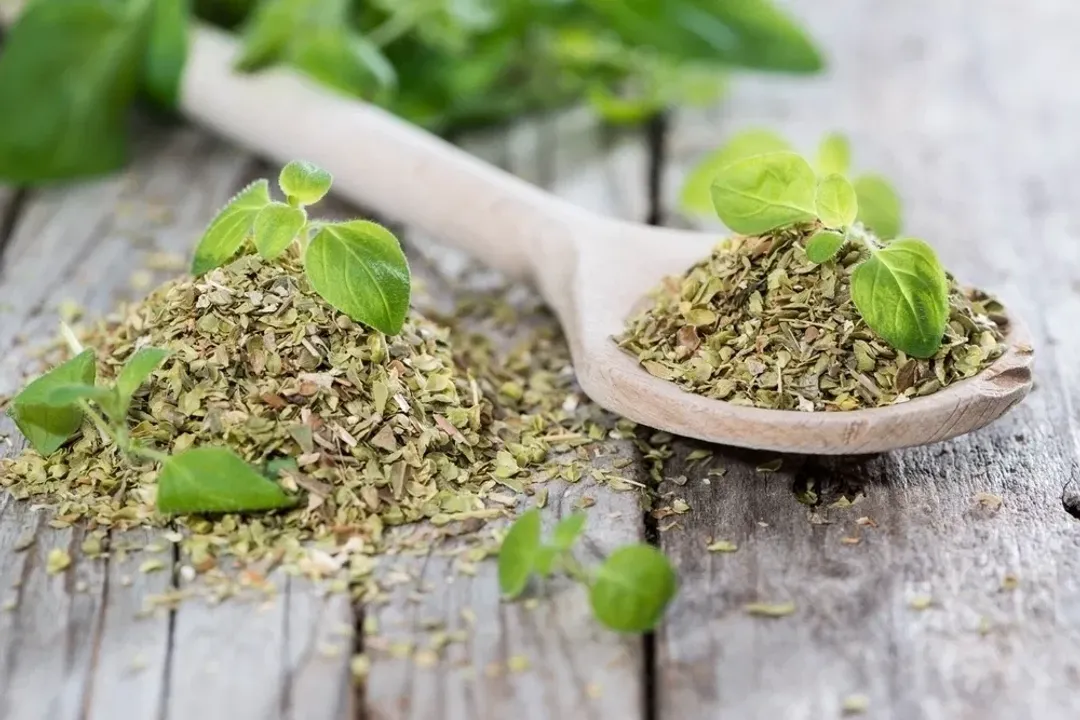
The pungent aroma of oregano is instantly recognizable, a hallmark of sun-drenched Mediterranean cooking, often calling to mind pizza or rustic tomato sauces. While its culinary power is undeniable—with the dried form sometimes possessing an aroma up to ten times stronger than its fresh counterpart—this herb carries a deep history as a potent traditional remedy. Modern science is now catching up, confirming that the volatile oils and compounds within oregano offer a surprising array of potential health advantages, far beyond mere seasoning.
The secret to oregano’s potency lies in its chemical makeup. Its essential oils are complex mixtures where terpenes dominate, with carvacrol and thymol frequently appearing as the primary components across various species. These two compounds, along with other constituents like -terpinene and p-cymene, are believed to be responsible for many of the reported health effects. The presence of various flavonoids and phenolic acids, such as rosmarinic and chlorogenic acids, further bolsters its bioactivity profile.
# Chemical Profile
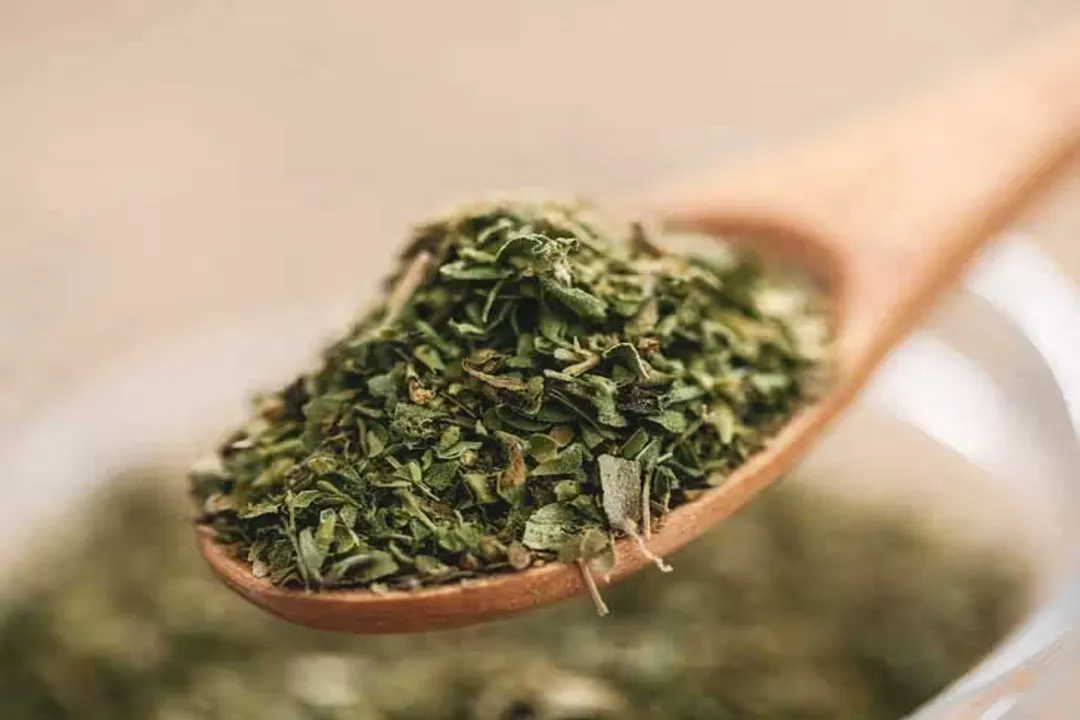
It is important to recognize that "oregano" is a collective name covering many different plant species, and their specific chemical profiles can shift dramatically based on geography, soil conditions, climate, and even the method used to dry or extract the oil. For instance, some species are rich in carvacrol, while others lean toward thymol, and yet others might show high levels of trans-sabinene hydrate or -citronellol. This inherent chemical variability means that the precise health outcome attributed to oregano can depend entirely on which specific variety you are consuming or using medicinally. If you purchase a standardized oregano oil supplement, the label should ideally indicate the percentage of carvacrol and thymol, as these active ingredients drive much of the research findings.
# Cell Defense
One of the most consistently noted attributes of oregano is its high concentration of antioxidants. Antioxidants are crucial because they neutralize damaging molecules called free radicals—unstable compounds generated by both natural body processes and environmental factors—that contribute to oxidative stress. When free radicals overwhelm the body’s defenses, the resulting stress is linked to the progression of chronic diseases, including certain cancers and heart conditions.
The phenolic compounds within oregano, particularly carvacrol and thymol, are powerful scavengers of these reactive species. In one study involving soldiers who completed intensive physical fitness testing, those who consumed powdered oregano showed increased levels of antioxidants in their blood and reduced markers of muscle damage compared to a placebo group. Furthermore, oregano’s antioxidant capacity has been measured against synthetic standards, showing strong radical-scavenging ability, with some oils exhibiting activity comparable to Vitamin C in certain assays.
This robust antioxidant action hints at potential benefits in cancer prevention. Test-tube research has indicated that oregano extract can inhibit the growth of, and even kill, human colon cancer cells. Similarly, carvacrol, the primary component in some oregano essential oils, has shown an ability to suppress the proliferation and spread of those same cancer cells in laboratory settings. While these findings are promising, they largely stem from in vitro work using concentrated amounts, emphasizing that we need more human clinical data to translate these cellular findings into practical cancer prevention advice.
# Germ Warfare

For centuries, oregano has been lauded for its ability to ward off sickness, which science now attributes to its significant antimicrobial effects. The essential oils possess antibacterial, antifungal, and antiviral properties. This is particularly relevant today given the ongoing challenge of antibiotic-resistant strains of bacteria.
Laboratory tests demonstrate that oregano essential oil can effectively block the growth of problematic bacteria like Escherichia coli and Pseudomonas aeruginosa. In one comparative study, oregano essential oil proved highly efficient against various bacteria, second only to thyme oil in its immediate effect. Furthermore, carvacrol and thymol, the star compounds, have shown direct antiviral action in lab settings, inactivating norovirus (a common cause of gastrointestinal distress) and the herpes simplex virus within an hour of exposure.
It is critical to distinguish between the culinary herb and the concentrated oil here. While incorporating oregano into your food contributes to your overall intake of beneficial compounds, the potent antimicrobial activity seen in research usually involves highly concentrated essential oil extracts.
# System Soother
Chronic inflammation is now understood to be a key driver in the development and progression of several major ailments, including diabetes and heart disease. Oregano’s chemical makeup allows it to potentially intervene here, too.
The antioxidant compounds that neutralize free radicals also contribute to reducing overall systemic inflammation. Specifically, studies on animal models suggest strong anti-inflammatory action: terpenes from Mexican oregano reduced markers of inflammation (ROS and NO) in stimulated immune cells. Carvacrol, when tested in mice with induced paw swelling, significantly diminished pro-inflammatory mediators like and , while simultaneously boosting the anti-inflammatory cytokine . This balancing act—reducing the "bad" signals while increasing the "good" ones—is what makes compounds like carvacrol of particular interest for managing inflammatory conditions.
The link between inflammation and cardiovascular disease (CVD) is direct, as atherosclerosis, the hardening of the arteries, is fundamentally an inflammatory condition. Research using Origanum vulgare essential oil showed a decrease in pro-inflammatory cytokines (, , and ) in activated immune cells, suggesting an indirect protective mechanism against conditions like atherosclerosis. Individual components, like carvacrol, have also been studied for potential anti-hypertensive effects by influencing calcium channels involved in blood vessel relaxation.
# Balance Management
Beyond inflammation, oregano shows promise in managing key metabolic markers. The herb is frequently studied for its anti-diabetic potential, often attributed once again to carvacrol and thymol. In laboratory models focused on carbohydrate digestion, oregano extract demonstrated an ability to both improve how cells take up glucose from the blood and inhibit enzymes (-glucosidase and -amylase) that break down starches into simple sugars. Rodent studies have even indicated that oregano extract can improve insulin resistance and help regulate the expression of genes tied to fat and carbohydrate metabolism.
For those concerned with heart health beyond inflammation, some essential oil research points toward a benefit in lowering total plasma cholesterol and triglyceride levels, factors contributing to plaque formation. Additionally, for everyday comfort, the traditional use of oregano tea for digestion is supported by suggestions that it acts as an anti-spasmodic, helping to relax the digestive tract muscles, and may stimulate digestive juices, potentially easing gas and cramps.
If you are someone who enjoys oregano daily as a seasoning, know that you are passively benefiting from its nutritional profile. Dried oregano is a good source of Vitamin K1, essential for proper blood clotting and bone health, and provides respectable amounts of iron and manganese. However, this is where integrating the herb into your routine requires a mindful approach. Because the tannins present in oregano can interfere with the body's absorption of minerals like iron, copper, and zinc, if you take a mineral supplement, it is a prudent idea to take it at least two hours apart from a concentrated oregano supplement. Think of the daily, light sprinkle on your pasta as your baseline health addition, but view higher-dose supplements as something requiring a bit more scheduling coordination to ensure you are not hindering your absorption of vital mined minerals.
# Practical Use
Oregano comes in several forms, each with different safety considerations.
- Dried/Fresh Herb: Used in cooking, this form is considered Generally Recognized as Safe (GRAS) by the FDA for flavoring food and provides mild antioxidant benefits.
- Oregano Oil: This is a liquid that can sometimes be taken in capsule form. It is different from the essential oil.
- Oregano Essential Oil (EOO): This is highly concentrated. It should never be eaten or ingested, as it can be toxic. If used topically for muscle discomfort or skin support, it must be diluted—one drop of essential oil mixed with five or six drops of a carrier oil like olive or coconut oil is recommended to prevent skin irritation.
For general safety, anyone with allergies to plants in the mint family (like basil, mint, or sage) should exercise caution. Due to its Vitamin K content, those on blood-thinning medications should avoid high supplemental doses. Furthermore, because oregano may naturally lower blood sugar, using supplements alongside prescribed diabetes medication requires careful monitoring, as the combined effect could lead to blood sugar dropping too low. Pregnant and breastfeeding individuals are generally advised to stick to culinary amounts and avoid medicinal doses.
# Final Thoughts
Oregano is undeniably a dynamic herb, showcasing significant potential across various health dimensions, from fighting free radicals and microbes to potentially modulating inflammation and metabolic processes. Its core components, carvacrol and thymol, are central to these documented in vitro and animal study results. However, the current body of evidence remains heavily skewed toward laboratory dishes and animal models using highly concentrated preparations. While continuing to enjoy oregano generously in your meals is a flavorful way to support your diet, anyone considering using high-dose supplements, teas, or essential oil preparations for therapeutic reasons must consult a healthcare provider first to discuss potential interactions with existing conditions or medications.
Related Questions
#Citations
6 Science-Based Health Benefits of Oregano - Healthline
8 Potential Health Benefits of Oregano
Oregano - Uses, Side Effects, and More - WebMD
Oregano: Health benefits, uses, and side effects - Medical News Today
The Medicinal Benefits of Oregano – A Powerful Herb with Flavor ...
Oregano health benefits. - YouTube
Essential Oils of Oregano: Biological Activity beyond Their ...
Surprising Health Benefits of Oregano | Britannica
Health Benefits of Oregano, According to a Dietitian
Oregano Benefits: 9 Science-Backed Health Effects & How to Use