Health Benefits of Nettle
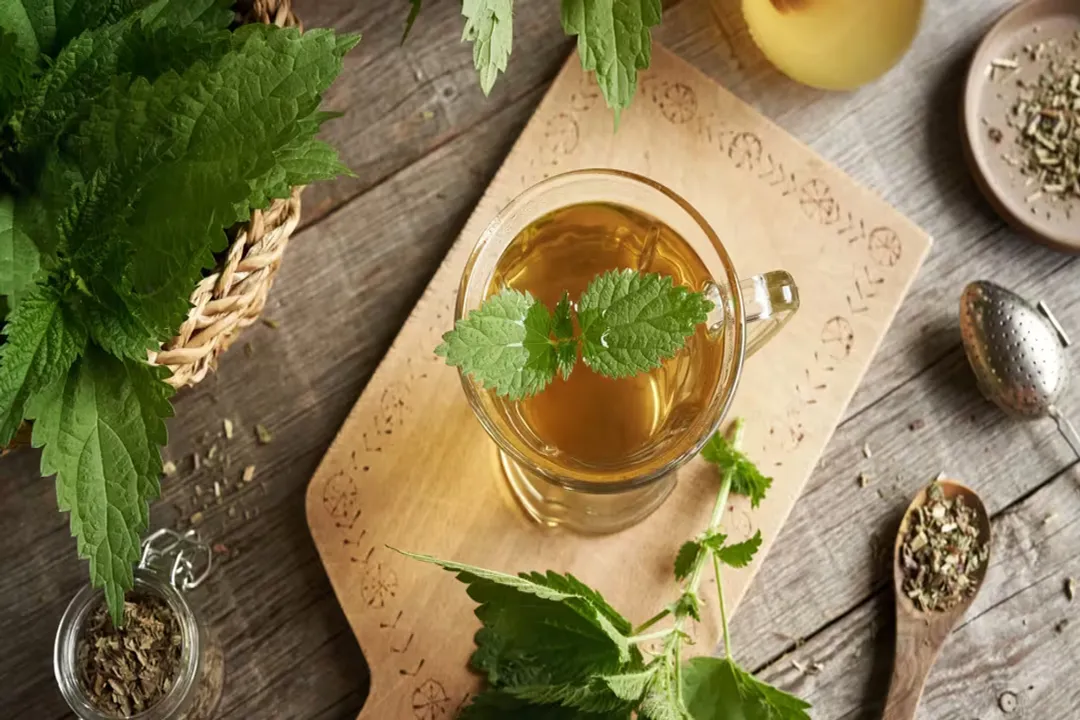
Stinging nettle, derived from the Urtica dioica plant, has been a staple in traditional medicine systems for centuries, appreciated for its surprising array of health attributes despite its common name. While the fresh leaves certainly require careful handling due to the stinging hairs, once cooked or dried, this common weed transforms into a powerful source of nutrition and potential therapeutic agents. Its reputation extends across various systems in the body, from managing seasonal discomfort to supporting metabolic function.
# Nutritional Profile
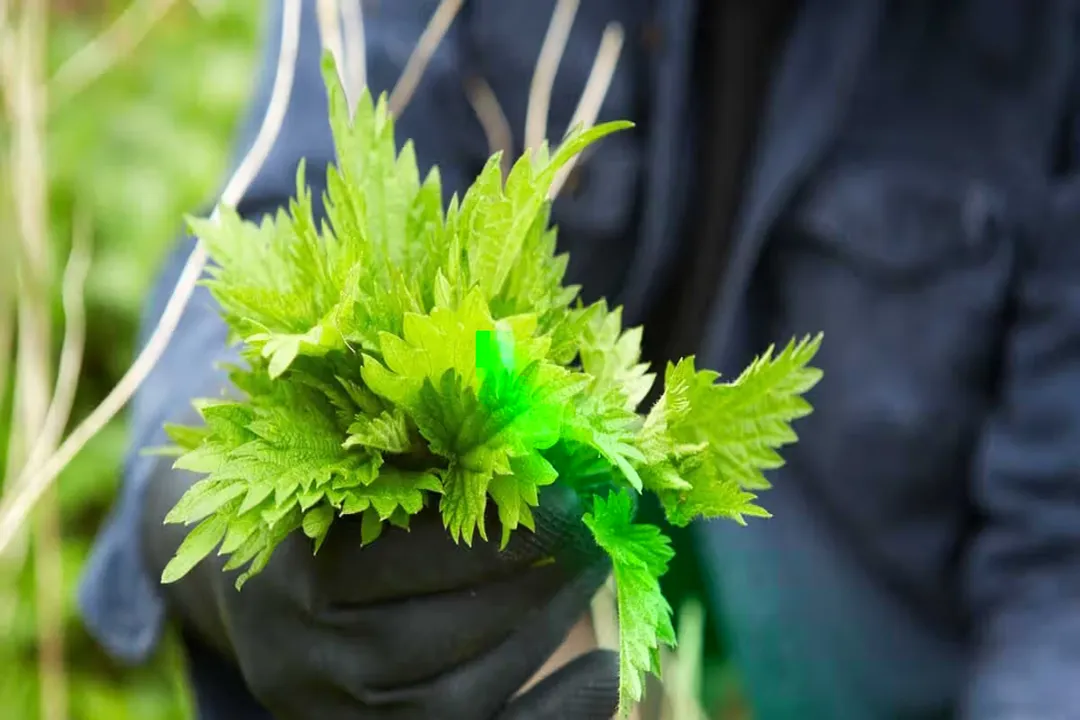
The sheer density of vitamins and minerals packed into nettle leaves contributes significantly to its recognized health value. It is frequently mentioned as a nutrient-dense food source, often compared favorably to other common greens.
Key constituents often highlighted include:
- Vitamins: High levels of Vitamins A, C, and K are commonly reported. Vitamin C, in particular, is a well-known antioxidant that supports immune function.
- Minerals: The plant supplies essential minerals such as iron, calcium, magnesium, and potassium. The presence of calcium and magnesium together is notable for supporting bone structure and muscle function.
- Phytonutrients: Nettle is rich in various compounds that exhibit antioxidant activity, which helps combat oxidative stress in the body.
It is interesting to note that the nutritional content can shift depending on how the plant is processed. For instance, while cooking reduces the presence of certain heat-sensitive compounds, it also neutralizes the stinging mechanism, making the bulk of the minerals and stable vitamins readily available for absorption. When considering a tea preparation versus an encapsulated dried leaf extract, the relative concentration of fat-soluble vitamins (like Vitamin K) versus water-soluble compounds (like Vitamin C) will vary significantly, meaning the intended health goal should guide the preparation choice.
# Allergy Support
One of the most frequently researched applications for nettle involves managing symptoms associated with hay fever and other seasonal allergies. Anecdotal and preliminary clinical evidence suggests that stinging nettle can interfere with the inflammatory processes that trigger allergic reactions.
Specifically, nettle extract has been shown to inhibit the release of histamine, the chemical responsible for many classic allergy symptoms like sneezing, runny nose, and itchy eyes. One source indicates that nettle acts by blocking the receptors that histamine binds to, effectively dampening the reaction cascade.
If you find that standard over-the-counter allergy relief leaves you feeling overly drowsy, incorporating a standardized nettle preparation might offer a gentler approach to managing milder symptoms, provided you start treatment before the peak allergy season begins to allow the body time to adjust to the compound's effect. This preventative timing is often suggested for therapies aimed at modulating the immune response, rather than just treating acute flare-ups.

# Joint Health
The anti-inflammatory potential of nettle extends its use into supporting joint comfort, particularly for individuals dealing with chronic conditions like arthritis. The compounds within the plant appear to suppress inflammatory pathways that lead to pain and stiffness in the joints.
There are often two distinct ways people approach using nettle for joint issues: ingestion and topical application. Ingesting the herb, often through teas or tinctures, aims to reduce systemic inflammation. Conversely, some traditional practices involve applying nettle leaves (often briefly pressed or lightly crushed to release sap, but still carefully handled) directly to the affected area to cause a mild counter-irritation, which can temporarily distract from deeper joint pain—a technique relying on different biochemical pathways than simple internal consumption. Both methods focus on providing relief, but their mechanisms differ significantly, which is an important distinction for a user trying to decide on an application method.
# Prostate Function
For aging men, nettle root extract has gained attention as a natural remedy for symptoms associated with an enlarged prostate, a condition medically known as Benign Prostatic Hyperplasia (BPH). BPH can lead to bothersome symptoms such as difficulty starting urination or the need to urinate frequently, especially at night.
Research suggests that nettle root helps manage these symptoms by potentially interfering with the hormones that cause the prostate gland to grow or by blocking certain signaling pathways within the prostate cells. While it may not necessarily shrink the prostate itself, it has been noted to reduce the associated urinary discomfort. Clinical studies examining the combination of nettle root with other herbs, such as saw palmetto, have shown promise in improving urinary flow rates in men suffering from BPH.
# Blood Pressure Management
Nettle's role as a natural diuretic is another benefit frequently cited in its use, which can have positive implications for cardiovascular health, particularly concerning blood pressure regulation. Diuretics increase urine production, helping the body eliminate excess salt and water. This reduction in fluid volume can, in turn, lower blood pressure when high blood pressure is associated with fluid retention.
It is important to approach this effect cautiously. Because nettle can promote diuresis, anyone already taking prescription diuretics or medications to manage blood pressure should consult their healthcare provider before adding nettle regularly, as the combined effect could potentially lead to an excessive drop in fluid levels or electrolyte imbalance.
# Blood Sugar Effects
Preliminary investigations suggest that stinging nettle might possess properties capable of assisting with blood sugar regulation. While the exact mechanism requires further clarification, some studies indicate that components in nettle may influence insulin secretion or the way the body utilizes glucose. This area remains one of the less solidified benefits compared to its use for allergies or prostate health, yet it points toward potential metabolic advantages.
# Skin and Hair Applications
Beyond internal consumption, nettle has historical and contemporary uses for skin and scalp health. It has been applied topically to help manage conditions like eczema, likely due to its anti-inflammatory and anti-itch properties. Furthermore, infusions made from nettle leaves are sometimes used as hair rinses. The belief here is that the minerals and vitamins in the rinse can help condition the hair and perhaps stimulate the scalp. This topical application is often favored by herbalists who prefer using the freshly brewed, cooled tea directly on the hair after shampooing, leaving it in for several minutes before a final rinse.
# Preparation Methods
The way nettle is prepared dictates the final health benefit derived. Different parts of the plant—the root versus the leaf—are typically used for different purposes.
Nettle leaves are most commonly consumed as an infusion (tea) or dried and encapsulated. The root, conversely, is usually prepared as a standardized extract for prostate support.
When preparing nettle tea, many users opt to steep the dried leaves for a longer duration, sometimes up to ten minutes, to ensure maximum extraction of beneficial compounds. This contrasts with a typical green tea steeping time. A general guideline suggests using about one teaspoon of dried nettle leaf per cup of boiling water. If you are gathering fresh leaves yourself, remember that they must be handled with thick gloves, and they lose their sting immediately upon drying, steaming, or boiling. For a quick, gentle treatment for mild, localized skin irritation, applying a cooled nettle infusion directly to the skin with a cloth can provide temporary soothing relief, leveraging its mild astringent qualities.
# Safety Considerations
While generally regarded as safe when consumed in food amounts or in typical medicinal doses, awareness of potential side effects is necessary. Due to its effect on fluid balance, nettle can act as a mild diuretic. This is rarely a serious issue but should be noted if you are monitoring fluid intake closely.
In rare instances, individuals sensitive to certain plants might experience mild stomach upset. More importantly, because nettle can affect blood clotting, individuals scheduled for surgery should cease using nettle supplements at least two weeks prior to the procedure to avoid interference with normal clotting mechanisms. Furthermore, anyone taking medications for blood pressure, diuretics, or blood thinners should always consult with a professional before starting regular nettle supplementation to ensure safety and prevent unintended interactions.
Related Questions
#Citations
6 Benefits of Stinging Nettle (Plus Side Effects)
Nettle Leaf: Health Benefits, Nutrition, Prep
Health Benefits of Nettle Tea
Nutritional and pharmacological importance of stinging nettle ...
Discovering the Health Benefits of Nettle
16 Benefits of Stinging Nettle (Plus 7 Side Effects)
Benefits, Uses, and Growing Nettle