Health Benefits of Jicama
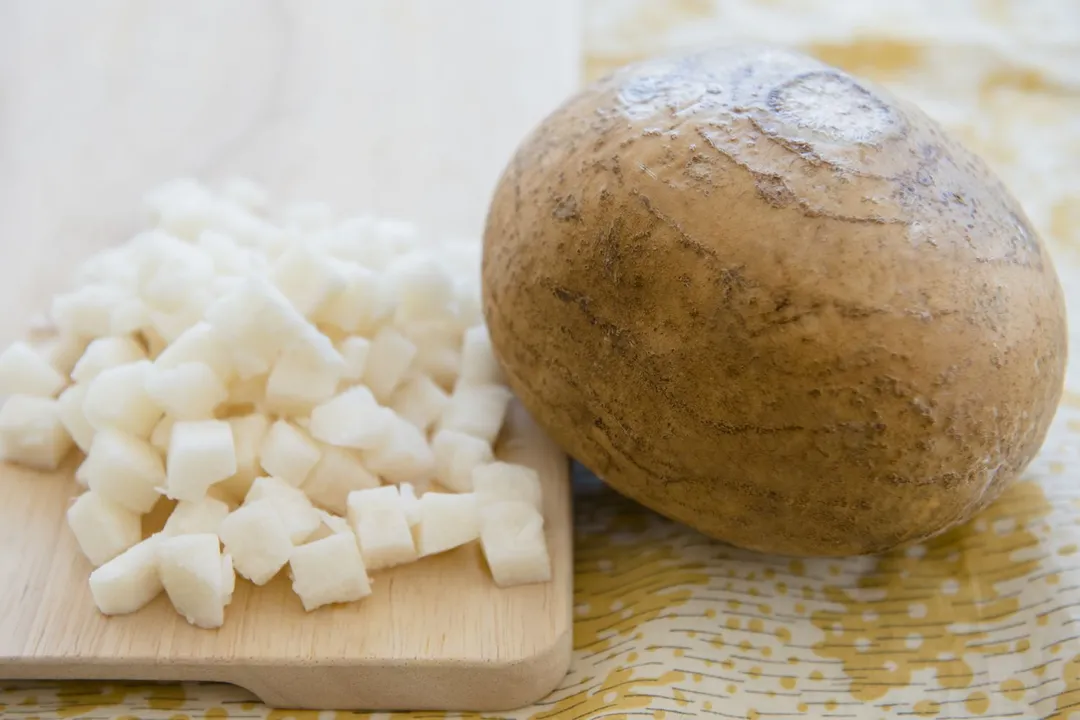
The jicama, often recognized by its rough, light-brown exterior reminiscent of a turnip, is an incredibly versatile root vegetable hiding a crisp, white, slightly sweet interior. Sometimes called the Mexican yam bean, this tuber is not just a crunchy addition to salads or slaws; it brings a surprising amount of nutritional power to the table. [1][3] Its appeal often lies in its unique texture—think a cross between a water chestnut and a slightly sweeter apple, but with the satisfying crunch of a raw potato—making it an excellent snack or vehicle for dips without the nutritional baggage of more common starchy vegetables. [7][5] While many people are familiar with its use in Mexican cuisine, such as sprinkled with chili and lime, understanding its full spectrum of health benefits reveals why it deserves a more regular spot in the modern diet.
# Nutrient Profile

When you break down jicama's composition, its real value becomes clearer. It is notably low in calories, with about 49 calories per half-cup serving of the raw root. [3] This low-calorie density, combined with its nutrient load, makes it an appealing choice for many dietary strategies. [1][6]
One of the most compelling aspects of jicama is its fiber content. A half-cup serving supplies approximately 3 grams of dietary fiber. [3] To put that into perspective for someone aiming for a standard intake of 25 to 30 grams daily, incorporating just one cup of jicama into your day can account for nearly 15-20% of that necessary fiber, offering substantial digestive support without overloading on calories. [1]
Beyond fiber, jicama provides essential micronutrients. It is a good source of Vitamin C, an antioxidant critical for immune function and collagen synthesis. [1][3] Folate, another B vitamin important for cell division and growth, is also present. [3] Mineral-wise, it contains potassium, which aids in maintaining healthy blood pressure, and small amounts of magnesium and manganese. [1]
Here is a quick comparison snapshot of a standard serving size:
| Component (per ½ cup raw) | Amount (Approximate) | Primary Benefit |
|---|---|---|
| Calories | 49 | Weight management [3] |
| Fiber | 3 grams | Digestive health [1][3] |
| Vitamin C | ~11 mg | Immune support [1] |
| Carbohydrates | ~11 grams | Energy source [3] |
| Sugar | ~2.5 grams | Low natural sugar content [1] |
It is worth noting that while jicama offers more fiber than many common root vegetables, its carbohydrate profile differs significantly from potatoes. For example, a potato often contains more starch and considerably fewer grams of fiber per serving compared to jicama. [7]
# Gut Health Catalyst

The impressive fiber content in jicama is predominantly in the form of inulin, a type of prebiotic fiber. [1][6] Prebiotic fibers are specialized plant fibers that the human body cannot digest, but which serve as food for the beneficial bacteria living in your gut microbiome. [1][6] This feeding action helps the "good" bacteria thrive, which is linked to improved nutrient absorption and better overall digestive regularity. [1][6]
Jicama contains both soluble and insoluble fiber. [6] Soluble fiber forms a gel-like substance in the digestive tract, which can help slow down digestion, contributing to feelings of fullness. [6] Insoluble fiber adds bulk to the stool, which is key for promoting regular bowel movements and preventing constipation. [6] The presence of this prebiotic inulin is particularly valuable because it supports a healthy gut environment, which many modern diets often neglect. [1] If you frequently experience digestive sluggishness after meals, trying a large jicama-based slaw instead of a processed cracker snack could be a simple, structural change to introduce better roughage into your system.
# Blood Sugar Stability

For individuals watching their carbohydrate and sugar intake, jicama presents an attractive option due to its naturally low sugar content—only about 2.5 grams per half-cup serving. [1] Furthermore, the fiber content significantly influences how the body processes the carbohydrates present. [1]
Because fiber slows the rate at which food empties from the stomach, it helps prevent rapid spikes in blood glucose levels after eating. [1] This characteristic gives jicama a lower glycemic index (GI) compared to many other starchy roots. [7] When you consider that white rice or many types of bread cause rapid glucose elevation, opting for a crunchy, high-fiber snack like raw jicama is a smart maneuver for maintaining steady energy throughout the day. [1] Its low glycemic load means it enters the bloodstream gradually, providing sustained fuel rather than a quick burst followed by a crash. [7]
# Antioxidant Properties
While jicama is celebrated for its texture and fiber, its role as a source of antioxidants should not be overlooked. [1] Antioxidants are compounds that help protect your cells against damage caused by free radicals, which are unstable molecules linked to aging and chronic disease. [1][5]
Vitamin C is the most recognized antioxidant in jicama, contributing significantly to the daily recommended intake. [3] Beyond Vitamin C, jicama contains other plant compounds that exhibit antioxidant activity. [1] These components work together to support the body's natural defense mechanisms. [5] Consuming foods rich in these protective elements, like jicama, supports long-term cellular health. [1]
# Hydration and Minerals
As a root vegetable, jicama has a high water content, which contributes to hydration, especially when eaten raw. [5] This means that when you are enjoying a large portion of it, you are also contributing to your daily fluid needs. [5]
While it is not extremely high in any single mineral, jicama contributes moderate amounts of several important electrolytes and trace minerals. [1] For instance, it offers potassium, which is crucial for fluid balance and nerve signaling, and small amounts of magnesium, which is involved in hundreds of bodily processes, including muscle and nerve function. [1] Eating jicama, especially as a replacement for high-sodium snacks, can be an indirect way to support better mineral balance. [5]
# Preparation and Safety Notes
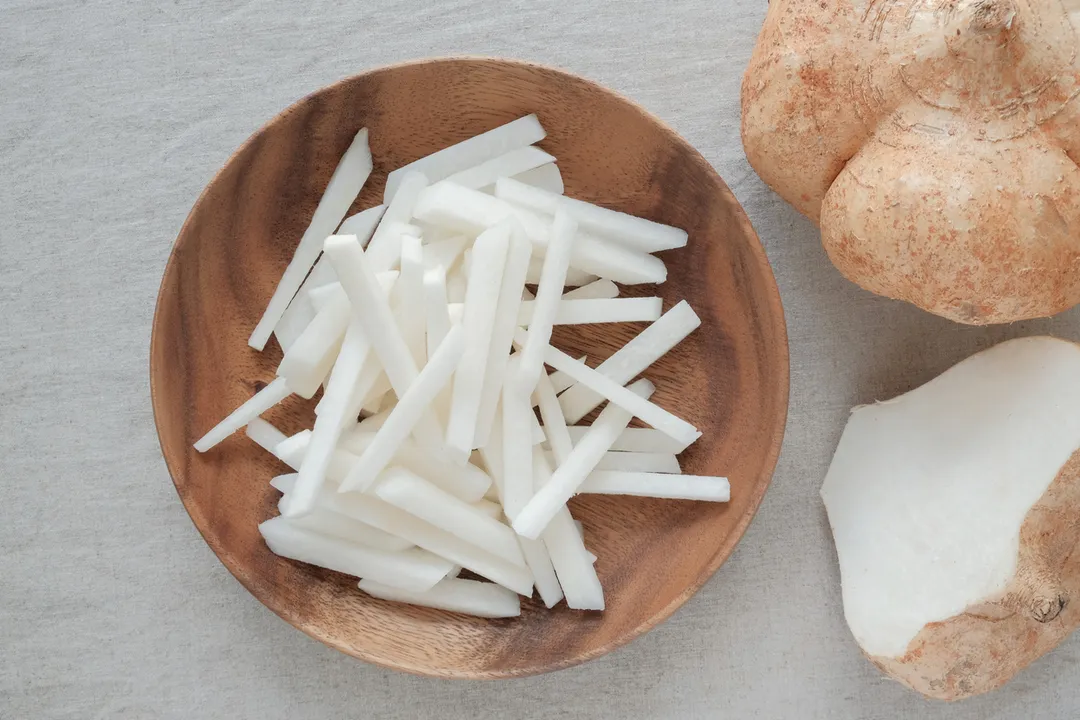
To reap the benefits, knowing how to prepare jicama is key. The tough, papery outer skin and the thin, papery layer just beneath it must be peeled away before eating, as they are not digestible and can be difficult to chew. [5] Once peeled, the crisp white flesh can be sliced, diced, or grated. [5]
Jicama is most commonly enjoyed raw, where its crunch is at its peak. [5] It works wonderfully in slaws, salads, or simply cut into sticks and seasoned with lime juice, chili powder, or salt. [5] While generally safe, there are a few points regarding preparation and consumption to keep in mind.
# Raw Versus Cooked
Most nutritional information pertains to the raw root, which is the standard way to eat it. [5] However, jicama can also be cooked. Cooking will soften the texture, similar to how boiling changes a carrot, and may slightly reduce the heat-sensitive nutrients like Vitamin C, though the fiber content remains. [6]
# Safety Considerations
It is important to know that jicama, like many other members of the nightshade family, contains small amounts of a compound called pucherin. [4] Consuming large quantities of unripe or raw jicama seeds or skin can potentially cause illness. [4] The edible white flesh, however, is safe for consumption. [4] If you notice any unusual digestive distress after trying jicama for the first time, especially if you ate an unusually large amount, reducing the serving size is advisable, though documented severe side effects from eating the normal fleshy part are rare. [4] If you ever suspect a negative reaction, discontinuing use is the safest step, as is the case with introducing any new, high-fiber food into the diet. [4]
If you are sensitive to high-fiber foods, introducing jicama slowly is a good strategy. Jumping straight from a low-fiber diet to eating large quantities of jicama in one sitting could result in bloating or gas, as your gut bacteria adjust to processing the influx of inulin. [6] Start with a small handful of sticks and observe how your system responds before doubling down on your serving size. This mindful introduction ensures you gain the digestive benefits without the temporary discomfort.
Related Questions
#Citations
8 Health and Nutrition Benefits of Jicama - Healthline
7 Benefits of Jicama, Plus Facts and Nutrition - Health
Jicama: Nutrition Facts and Benefits - Health Cleveland Clinic
Nutritional Benefits and Potential Risks of Jicama - Everyday Health
Jicama: Nutrition and Health Benefits - WebMD
[PDF] Health Benefits of Jicama
Jicama vs. Potatoes Health Benefits
What Is Jicama — and Is It Good for You? - Food Revolution Network
Jicama Health Benefits and How to Prepare and Eat It
Jicama (Pachyrhizus erosus) fiber prevents excessive blood glucose ...