Health Benefits of Great Northern Bean
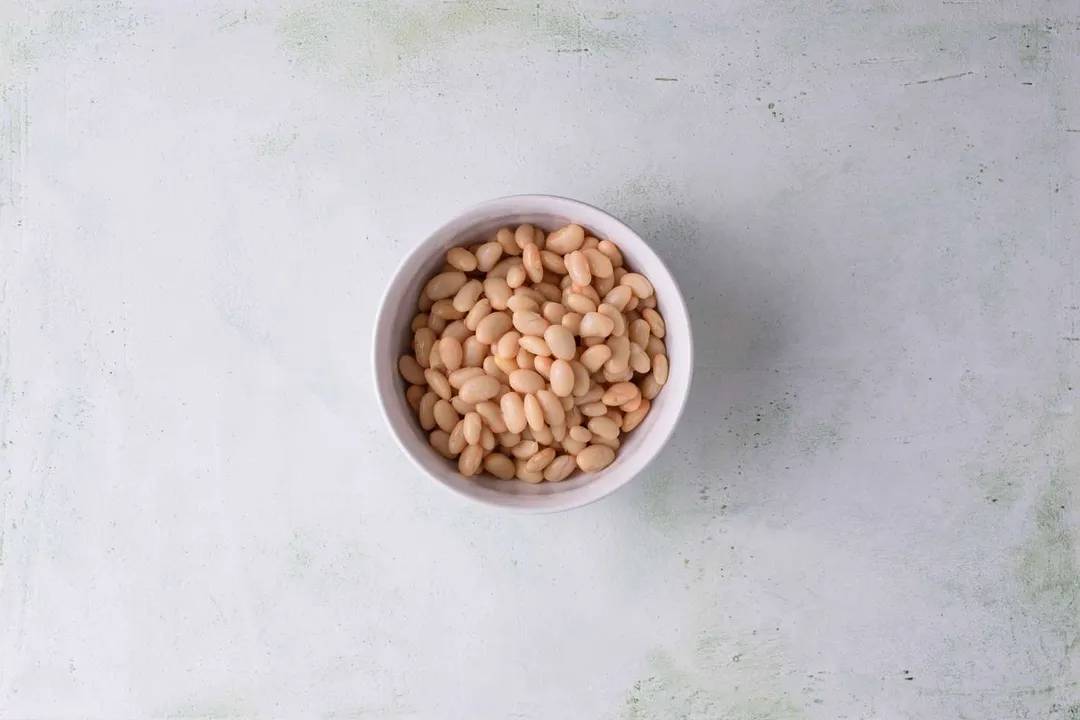
Great Northern beans are often overlooked in favor of their more famous cousins, but these medium-sized white legumes are nutritional standouts deserving of a prime spot in any pantry. Native to the Americas and historically a staple for indigenous populations, Great Northern beans offer a mild, slightly earthy, and nutty flavor profile that blends beautifully into diverse meals without overpowering other ingredients. [2][4] Their versatility is matched only by their impressive nutrient density, making them an economical way to significantly boost the health quotient of everything from hearty soups to fresh salads. [1][4]
# Macronutrient Foundation

The basic nutritional makeup of Great Northern beans reveals why they are so beneficial. A standard 100-gram serving of these beans, cooked without added salt, contains a modest 118 calories. [1] What is truly notable is the balance of macronutrients. They provide a substantial amount of protein—around 8.3 grams per 100-gram serving—and are largely carbohydrate-based, offering just over 21 grams of complex carbohydrates. [1] For those following plant-based diets, these beans serve as an excellent source of protein, providing necessary components that support muscle repair and immune function. [2][4] It is important to remember, however, that like most legumes, Great Northern beans are not a complete protein source, meaning they lack all nine essential amino acids; pairing them with grains such as rice or corn throughout the day helps create a complete amino acid profile. [1][3]
# Fiber Power
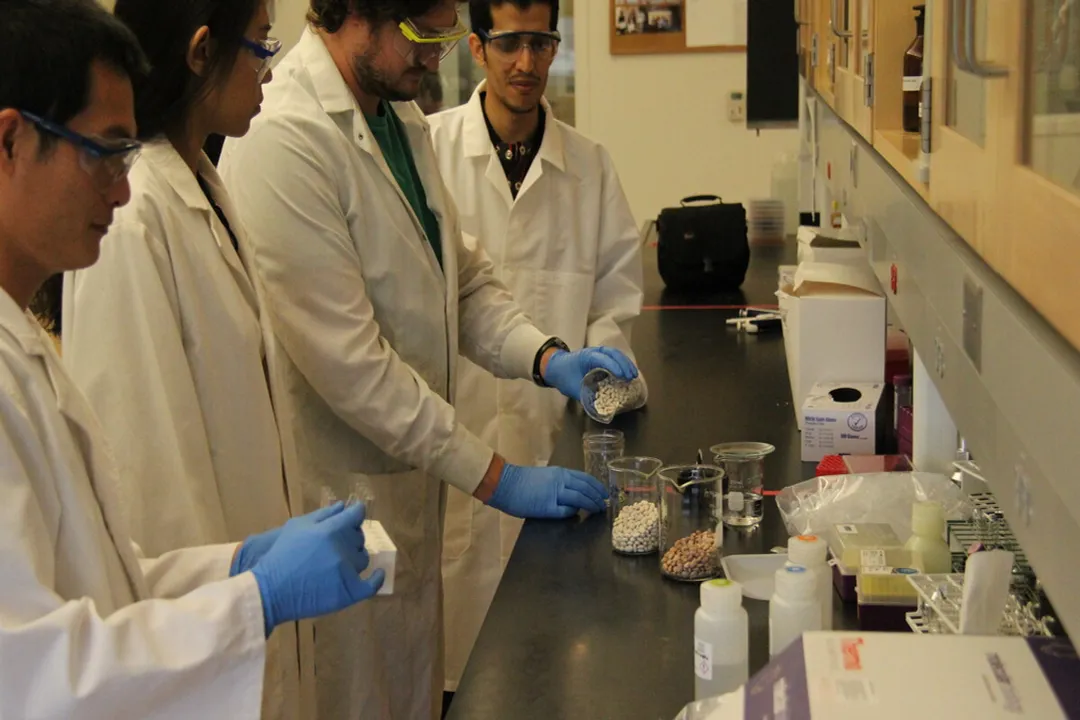
The most compelling aspect of the Great Northern bean’s nutritional profile is its remarkable fiber content. A typical single serving supplies nearly half of the recommended daily fiber intake for women and about a third for men, offering around 7 grams per 100 grams or 12.4 grams per cup. [1][2] This fiber is a mix of both soluble and insoluble types. [2] The soluble fiber dissolves to form a gel that helps manage the absorption of sugar and cholesterol in the bloodstream, whereas the insoluble component adds necessary bulk to stool, promoting regularity and preventing constipation. [2][4] Furthermore, this fiber includes a fermentable component that acts as a prebiotic, feeding the beneficial bacteria in the large intestine and resulting in the creation of short-chain fatty acids (SCFAs), compounds essential for colon health and metabolism regulation. [3][7] Studies involving millions of participants have linked high dietary fiber intake not only to better digestive health but also to lower mortality rates from causes including cancer and cardiovascular disease. [1]
# Mineral Density
Beyond protein and fiber, Great Northern beans act as a small treasure chest of essential micronutrients, contributing significant percentages toward daily requirements. A single serving can deliver more than 25% of the daily recommended intake for key vitamins and minerals. [1] They are particularly rich in folate, which is vital for red blood cell production and is crucial for preventing neural tube defects during pregnancy. [1][2][4] Mineral contributions are extensive, including:
- Manganese: Supporting brain health and the nervous system. [1][2]
- Phosphorus: Essential for bone health and energy metabolism. [2]
- Iron and Copper: Necessary for oxygen transport and energy creation, respectively. [1][3]
- Magnesium and Potassium: Important for nerve function and blood pressure management. [1][4]
The beans also supply other B-vitamins like thiamin (B1), B2 (riboflavin), and B3 (niacin), the latter of which specifically assists in lowering LDL, or "bad," cholesterol levels. [2] They are also noted as a good source of calcium, making them a useful dietary addition for those avoiding dairy. [2]
# Metabolic Shielding Potential
The collective action of the nutrients packed into Great Northern beans provides strong support for long-term health, especially concerning metabolic conditions. Research indicates that regularly incorporating legumes can lead to lower levels of total and LDL cholesterol, contributing to better heart outcomes. [1] Moreover, these beans aid in managing blood sugar. Their low glycemic load, estimated at 7 for a single serving, suggests they minimally impact blood glucose levels, an effect attributed to their fiber content. [1][2] This makes them helpful for those managing diabetes or looking to prevent Type 2 diabetes incidence. [2]
What is especially compelling is the research coming out of the University of Nebraska–Lincoln, which suggests Great Northern beans may offer an active defense against the negative impacts of a less-than-ideal diet. In an animal model consuming a high-fat diet, adding just five percent Great Northern beans to the diet resulted in weight maintenance similar to a standard low-fat diet. [5] This same study noted that bean consumption also lowered plasma lipoprotein cholesterol and triglycerides. [5] The findings suggest that the combination of fiber and phenolic compounds within the bean works synergistically—more effectively than either component alone—to recycle cholesterol into the intestine for excretion, effectively creating a metabolic buffer against dietary excesses. [5] This ability to actively neutralize some of the adverse effects of a high-fat intake moves the bean beyond simple nutrition and into the realm of a functional food with preventative properties. [5]
# Texture and Culinary Niche
While many white beans are similar enough to be used interchangeably, Great Northern beans occupy a specific culinary niche due to their physical characteristics. [3] They are larger than navy beans but smaller than cannellini beans, and their key advantage is that they retain their shape remarkably well after cooking. [2][4] This firm texture prevents them from breaking down into mush, which is a common issue when cooking softer varieties like navy beans. [2]
This structural integrity makes them the preferred choice in applications where the bean needs to remain distinct, such as in hearty, slow-simmered stews, cassoulets, or bean salads where you want a recognizable bite. [2][5][7] If your goal is to make a smooth, velvety dip, sauce, or creamy soup base, then blending the cooked beans to bulk up a mixture—perhaps replacing some cashews or tofu in a vegan cream sauce—is an excellent technique to employ, taking advantage of their inherent creaminess when processed. [3] If, however, you are aiming for a marinated bean salad where distinct pieces are necessary, Great Northern beans will hold up much better to vigorous tossing and dressing than a more delicate variety.
# Preparation for Maximum Benefit
Whether you start with dried or canned beans, proper preparation is key to unlocking their benefits and ensuring digestibility. [2][7] Uncooked dry beans contain natural compounds that can interfere with nutrient absorption or cause digestive upset, but these are almost entirely eliminated through adequate soaking and thorough cooking. [1][7]
For dried beans, presoaking is highly recommended. You can soak them overnight or use a quick-soak method by boiling them briefly, covering them, and letting them stand for an hour. [7] This softens them significantly and reduces the overall cooking time, which can range from one to three hours on the stovetop, depending on the age and freshness of the bean. [7] For those sensitive to gas or bloating, soaking and rinsing before cooking is an essential step to temper potential digestive side effects. [3]
If convenience is paramount, canned Great Northern beans are readily available. [2] The crucial point here is sodium content; always check the label, or opt for low-sodium versions. [2][3] Even with low-sodium cans, a simple rinse under cold water can wash away excess salt and starches that might affect the texture of your final dish. [2][3] Once cooked, GNBs readily absorb surrounding flavors, making them ideal candidates for seasoning with herbs like garlic, onion, parsley, or thyme during the final stages of cooking. [2][4] Storing them properly, whether dried in an airtight container for up to a year or cooked and refrigerated for a few days, ensures this nutritional staple is always on hand. [1]
Related Questions
#Citations
Great Northern Bean Nutrition Facts and Health Benefits - Verywell Fit
Great Northern Beans Health Benefits - 1000 Springs Mill
White Beans: Nutrition, Benefits, and More - Healthline
Why Great Northern Beans Are a Must-Have in Your Diet: Top Benefits
New research suggests great northern bean could prevent weight ...
Health Benefits of Great Northern Beans - NutStop
Healthy meals with dried beans - Mayo Clinic Health System
Talk to me about white beans : r/PlantBasedDiet - Reddit