Health Benefits of Chickpeas
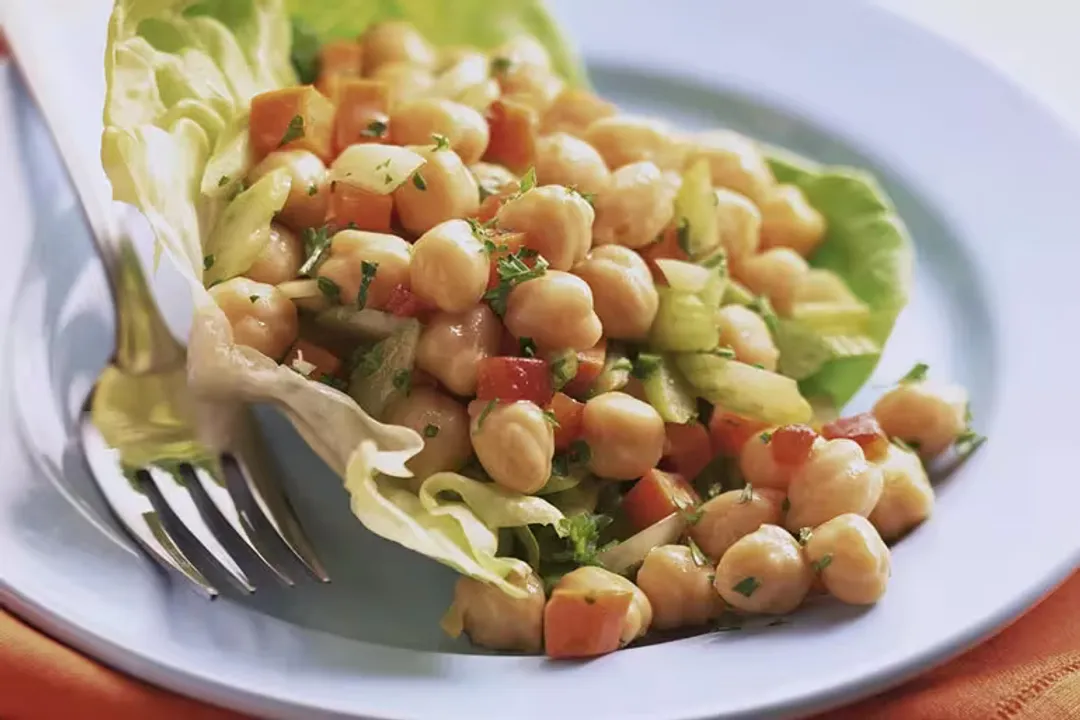
Chickpeas, often recognized globally by their alternate name, garbanzo beans, are a nutritional powerhouse tucked inside a small, pale legume. They have earned their place as a staple ingredient across various cuisines, from the creamy richness of hummus in the Middle East to savory stews throughout South Asia. [1][7] Their appeal stems not just from their satisfying texture and mild, nutty flavor but significantly from the dense package of nutrients they deliver, offering substantial benefits for overall well-being. [1][3] Integrating these humble beans into your regular diet is a straightforward way to enhance your intake of essential macronutrients and micronutrients that support major bodily functions, including digestion, heart health, and blood sugar management. [2][8]
# Nutrient Profile
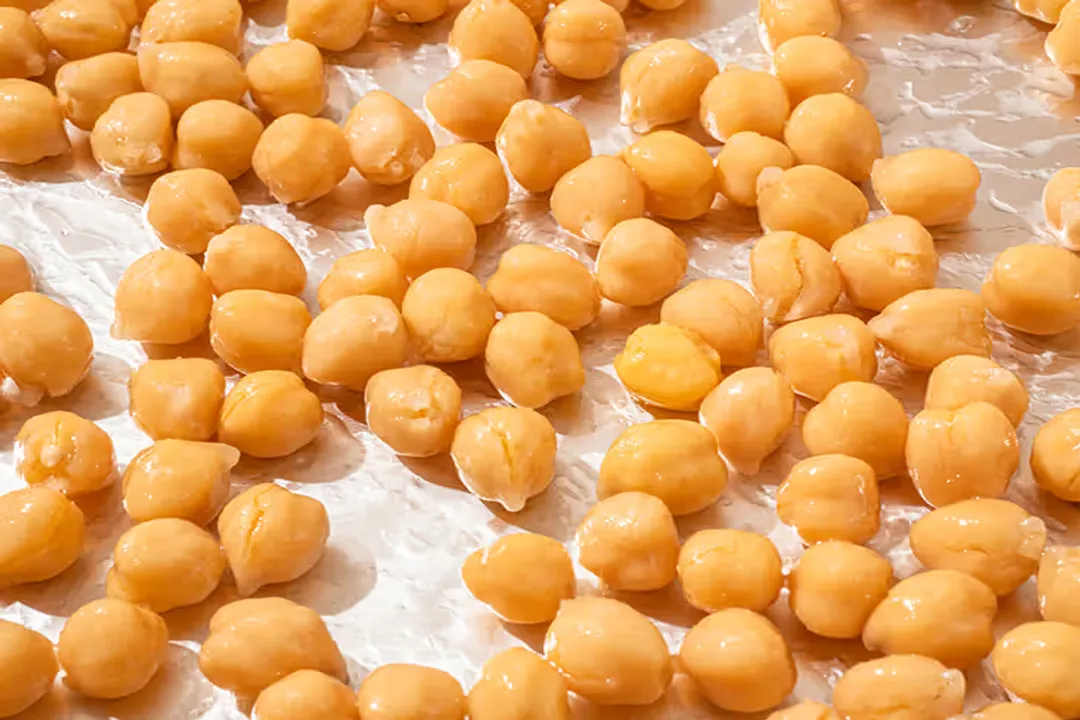
When examining the nutritional makeup of chickpeas, the balance of protein and fiber immediately stands out, setting them apart from many other common carbohydrates. [1][8] A typical one-cup serving of cooked chickpeas provides around 15 grams of protein and nearly 13 grams of fiber. [1] This combination is particularly valuable because protein aids in muscle maintenance and satiety, while the high fiber content addresses digestive regularity. [1][3] Furthermore, chickpeas are relatively low in fat, containing only about 4 grams per cup, most of which are considered heart-healthy unsaturated fats. [2][8]
Beyond the macronutrients, chickpeas are rich sources of several critical vitamins and minerals. [1] They contribute significantly to the daily recommended intake of folate, which is vital for cell division and preventing birth defects. [1][7] They are also a noteworthy source of iron, necessary for oxygen transport in the blood, and manganese, which plays a role in bone formation and metabolic processes. [1] Adding to their mineral profile, they contain phosphorus, zinc, and magnesium. [1][7] It is interesting to note the slight nutritional variation depending on preparation; while canned chickpeas offer convenience, consuming dried chickpeas that have been properly soaked and cooked can sometimes yield a slightly different nutrient profile, particularly regarding the concentration of minerals, which can be affected by the leaching process into the soaking water. [6] Keeping this in mind, those who rely solely on canned varieties should still recognize the immense value, though optimizing preparation methods, such as rinsing canned beans well, can reduce sodium content. [9]
# Fiber Function
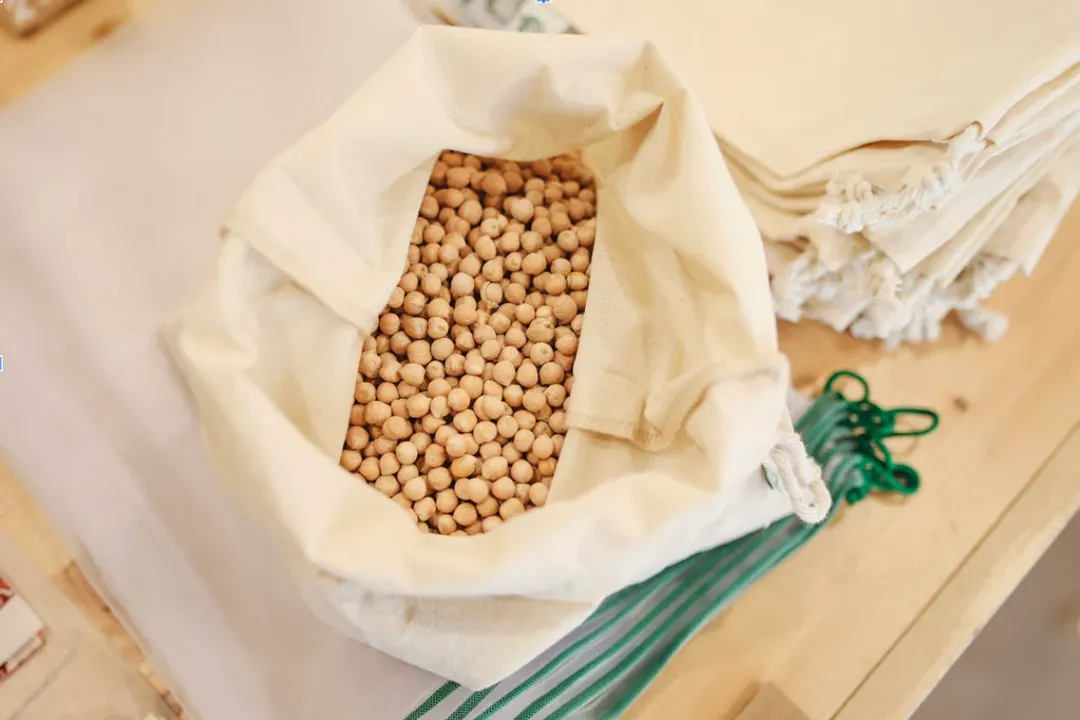
The fiber content in chickpeas is one of their most celebrated attributes, impacting digestive health profoundly. [1][3] Chickpeas contain both soluble and insoluble fiber, each performing distinct, necessary tasks within the body. [1][7] Insoluble fiber acts as a bulking agent, supporting regular bowel movements and helping to prevent constipation. [1][7] Conversely, the soluble fiber component forms a gel-like substance when mixed with water in the digestive tract. [1]
This gel-forming action is key to several systemic benefits. Firstly, it slows down digestion, which contributes to a sustained feeling of fullness. [1] Secondly, this slower transit time is directly linked to better blood sugar control, as it modulates the rate at which glucose enters the bloodstream. [1][5] By nurturing the gut microbiota, the fermentation of this fiber also produces short-chain fatty acids (SCFAs), which nourish the colon cells and may play a role in reducing inflammation. [3][7] If you are unused to a high-fiber diet, introducing chickpeas gradually is a practical consideration; a sudden, large increase in fiber without adequate water intake can initially lead to bloating or gas, a common adaptation period as the gut biome adjusts to the new influx of fermentable material. [6]
# Cardiovascular Support
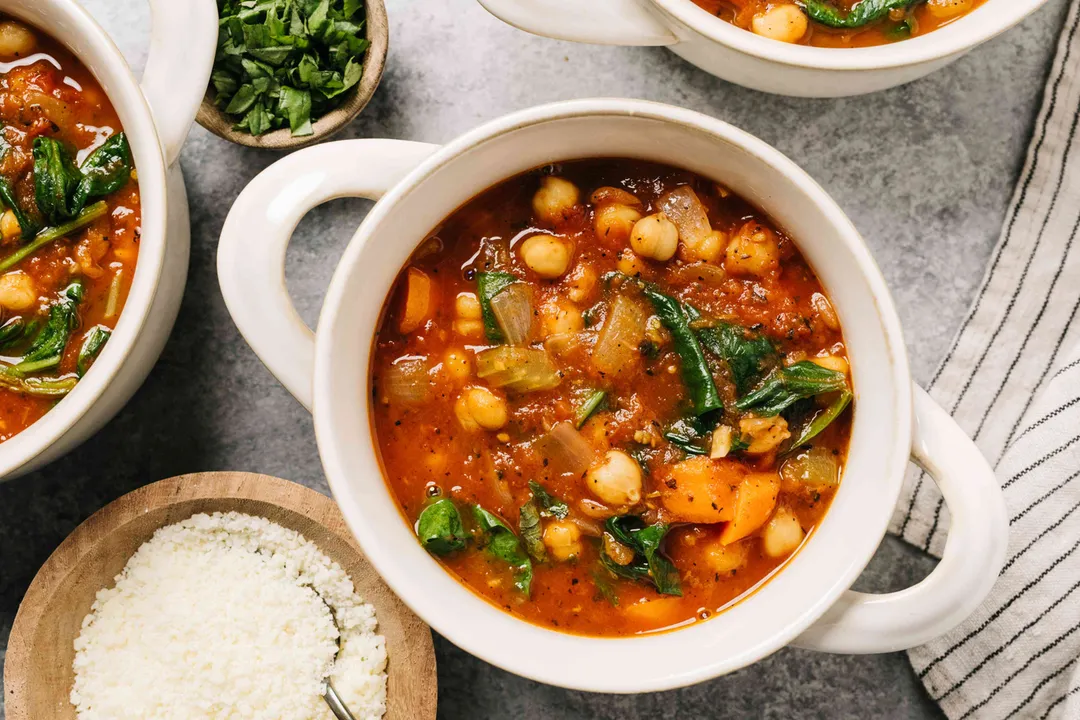
The regular consumption of chickpeas shows considerable promise in supporting a healthy heart, largely driven by their fiber and mineral composition. [2][3][8] Research indicates that incorporating chickpeas into the diet can help reduce levels of low-density lipoprotein (LDL) cholesterol, often referred to as the "bad" cholesterol. [3][5][8] Soluble fiber binds with cholesterol particles in the digestive system, preventing their absorption and prompting their excretion. [1][7]
In addition to managing cholesterol, chickpeas contribute to healthy blood pressure regulation. [3] They are a good source of potassium and magnesium, two minerals essential for maintaining proper fluid balance and relaxing blood vessel walls. [1][8] For instance, one study noted that consuming just half a cup of chickpeas daily may provide a meaningful contribution to daily mineral needs that directly impact vascular health. [5] This multi-pronged approach—addressing both cholesterol levels and blood pressure—positions chickpeas as an excellent dietary addition for long-term cardiovascular maintenance. [2][8]
# Glucose Regulation
For individuals concerned with maintaining stable energy levels or managing blood sugar, chickpeas present a favorable nutritional choice due to their very low glycemic index (GI). [1][5] The glycemic index measures how quickly a food raises blood sugar levels after consumption. [1] Chickpeas typically have a low GI rating, meaning they cause a slow, steady rise in blood glucose rather than a sharp spike. [1][5]
This effect is a direct result of the high concentration of both protein and fiber working synergistically. [1] Both components resist rapid breakdown by digestive enzymes, which slows the release of sugars into the bloodstream. [1] This characteristic is highly beneficial, not just for those with diabetes, but for anyone seeking sustained energy throughout the day without the energy crash that follows high-GI foods. [5] The complex carbohydrate structure, paired with the protein and fiber matrix, effectively buffers the glycemic response. [3]
# Satiety Factor
Weight management often hinges on controlling appetite and managing calorie intake effectively, areas where the nutritional structure of chickpeas shines. [1][3] Because they are packed with both protein and fiber, chickpeas are highly satiating. [1][3] Eating foods that promote fullness means you are less likely to reach for additional snacks shortly after a meal. [1]
This high satiety factor translates into a practical benefit: people who include chickpeas in their meals may naturally consume fewer calories overall throughout the day. [1][3] The combination slows gastric emptying, keeping the stomach feeling full for longer periods, which is a crucial mechanism for appetite control. [1] Think of a simple salad: adding a half-cup of chickpeas transforms it from a light side dish into a substantial, meal-worthy component that keeps hunger at bay until the next scheduled eating time. [9]
# Essential Vitamins
While the macronutrients and bulk fiber grab attention, the micronutrient profile of chickpeas provides essential, specialized support for bodily processes. [1][7]
# Folate and Cell Health
Folate, a B vitamin, is one of the most abundant micronutrients in chickpeas. [1] This nutrient is indispensable for the synthesis and repair of DNA, making it critical for rapid cell division, such as during pregnancy. [1][7] Adequate folate intake helps reduce the risk of neural tube defects when consumed before and during early pregnancy. [7]
# Mineral Contributions
Chickpeas are also significant contributors to several key minerals that are often under-consumed in standard Western diets. [1][8]
- Iron: Important for preventing anemia, chickpeas provide a plant-based source of iron. [1][8]
- Manganese: This trace mineral supports enzyme function and bone health. [1]
- Phosphorus: Essential for the formation of strong bones and teeth. [1]
It is worth noting that plant-based iron is classified as non-heme iron, which is absorbed less efficiently than heme iron found in meat. [1] To maximize the body's uptake of this iron from your chickpea dishes, pairing them with a source of Vitamin C—such as a squeeze of lemon juice over hummus or adding bell peppers to a chickpea curry—can significantly enhance absorption. [1] This simple culinary pairing represents a key strategy for optimizing the nutritional return on your legume intake. [6]
# Culinary Versatility
The broad application of chickpeas across different global food traditions speaks to their adaptable flavor and texture profile. [4] They are naturally gluten-free, making them an excellent substitute for grains or starches in various dietary restrictions. [8]
# Preparation Forms
Chickpeas can be used in numerous ways:
- Whole or Mashed: Used in salads, soups, chilis, or curries. [4]
- Ground into Flour (Besan): This flour is often used in batters or for making flatbreads, providing a protein boost to baked goods. [4]
- Processed into Spreads: The most famous example is hummus, where cooked chickpeas are blended with tahini, lemon juice, and olive oil. [4]
When considering preparation, the texture difference between using dried beans versus canned beans affects the final dish. Dried beans, when cooked until tender, retain their shape better for salads, whereas canned beans, often softer, break down beautifully when pureed for dips or thickened for stews. [9] Whether you roast them until crispy for a snack or simmer them into a stew, their inherent quality remains consistent. [4]
# Homemade Hummus Optimization
While commercial hummus is convenient, preparing it at home allows for precise control over ingredients, especially salt and oil content. [9] A tip for achieving the creamiest homemade hummus involves a small but significant technique: once the dried chickpeas are boiled, skimming off the foam that rises, and then sometimes adding a pinch of baking soda to the cooking water, can help break down the skins, resulting in an exceptionally smooth final product that surpasses many store-bought versions in texture and freshness. [6] This small step maximizes the creamy experience derived from the fiber and starch within the bean.
# Digestive Considerations
While fiber is overwhelmingly beneficial, it requires attention to fluid intake for proper function. [1] Because soluble fiber needs water to form its beneficial gel structure, not drinking enough water alongside a high-fiber diet can paradoxically lead to discomfort. [1] Therefore, when increasing your consumption of chickpeas, beans, and lentils, ensuring consistent hydration throughout the day is essential to reaping the regularity benefits without experiencing digestive sluggishness. [6] Balancing the high fiber with sufficient liquid allows the insoluble fiber to move waste efficiently and the soluble fiber to perform its metabolic support functions correctly. [1]
Related Questions
#Citations
10 Health and Nutrition Benefits of Chickpeas - Healthline
Health Benefits of Chickpeas - WebMD
5 Health Benefits of Chickpeas - Health Cleveland Clinic
All About Chickpeas and Their Health Benefits - Kibo Foods
Chickpeas—composition, nutritional value, health benefits ... - PubMed
The Health Benefits of Chickpeas - UConn Extension
Chickpeas: Health benefits and nutritional information
5 Health Benefits of Eating Chickpeas Regularly - Nutrition
Chickpeas for healthy eating - Mayo Clinic Health System