Health Benefits of Chard
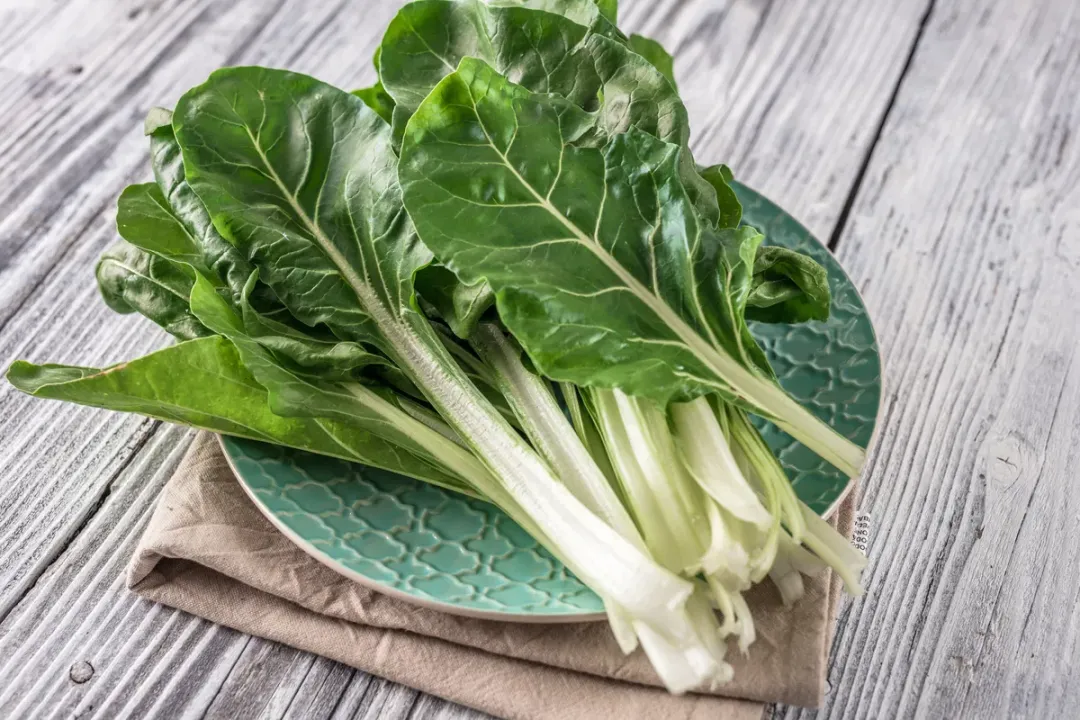
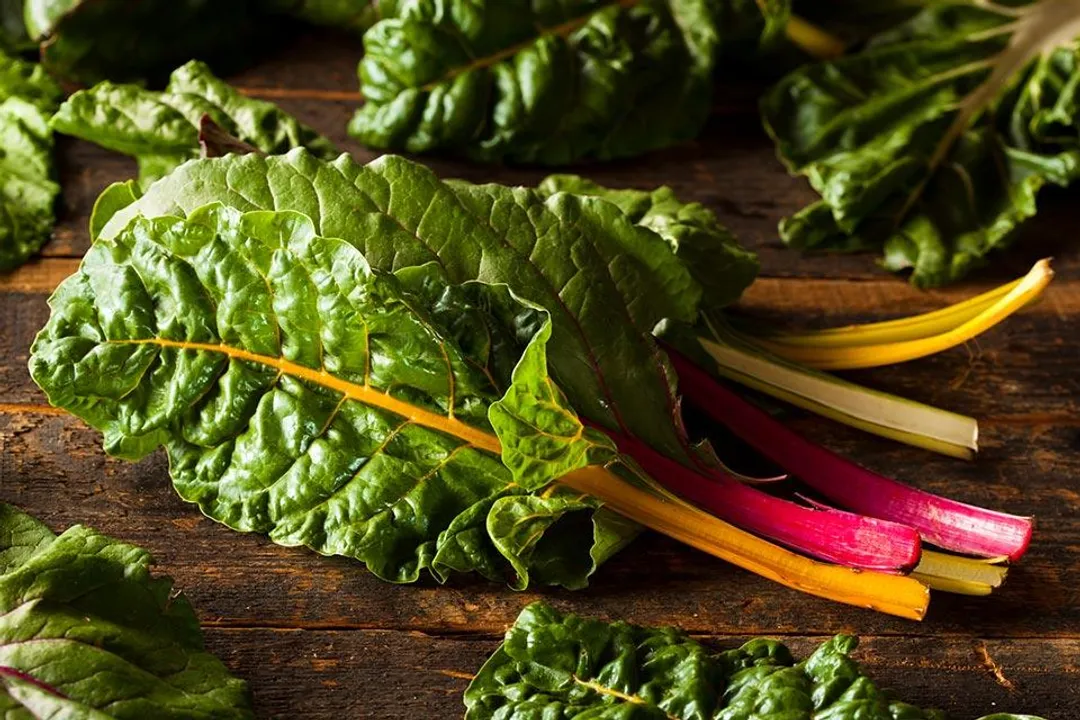
Swiss chard, a vibrant relative of spinach and beets that hails from the Mediterranean region, often gets overshadowed by its more famous leafy green cousins, kale and spinach. [2][6] Yet, this vegetable, prized for its jewel-toned stalks—which can range from deep red and yellow to white—offers an impressive nutritional profile that makes it a true powerhouse for health maintenance. [2][4] While kale brings its own set of benefits, particularly from glucosinolates, chard stands firm with an array of unique phytochemicals and a density of essential vitamins that deserve closer attention. [6]
# Nutrient Density Explained

A simple one-cup serving of cooked Swiss chard delivers an astonishing amount of nutrition for very few calories, typically clocking in around just 35 calories. [1][2][4] This low-calorie density combined with substantial fiber content is an immediate win for anyone looking to manage weight through nutrient-rich foods. [1][2]
The mineral and vitamin contributions are where chard truly shines. It is an exceptional source of Vitamin K, with one cooked cup providing nearly 477% of the Daily Value (DV) or more, depending on the data consulted. [1][2][4] Vitamin K is not merely for blood clotting; it is essential for activating osteocalcin, a key protein required for building and maintaining strong bone structure. [2][5] Low intake has been linked to increased risk of osteoporosis and fractures. [1]
Chard is also flush with Vitamin A, delivering around 60% of the DV in a cooked serving, crucial for the maintenance of organs like the heart and lungs, as well as for vision and immune function. [1][5] Alongside this, you receive significant boosts of Vitamin C (around 35% DV) and Magnesium (around 36% DV). [1] Magnesium is foundational, contributing to protein and DNA creation, and critically, helping to regulate blood sugar and blood pressure levels. [1][5] Compared to spinach, chard is similar in many key areas, but the overall spectrum of antioxidants and minerals like iron, potassium, and Vitamin E solidify its place among the most nutrient-dense options available. [1][6]
# Heart Support Mechanisms
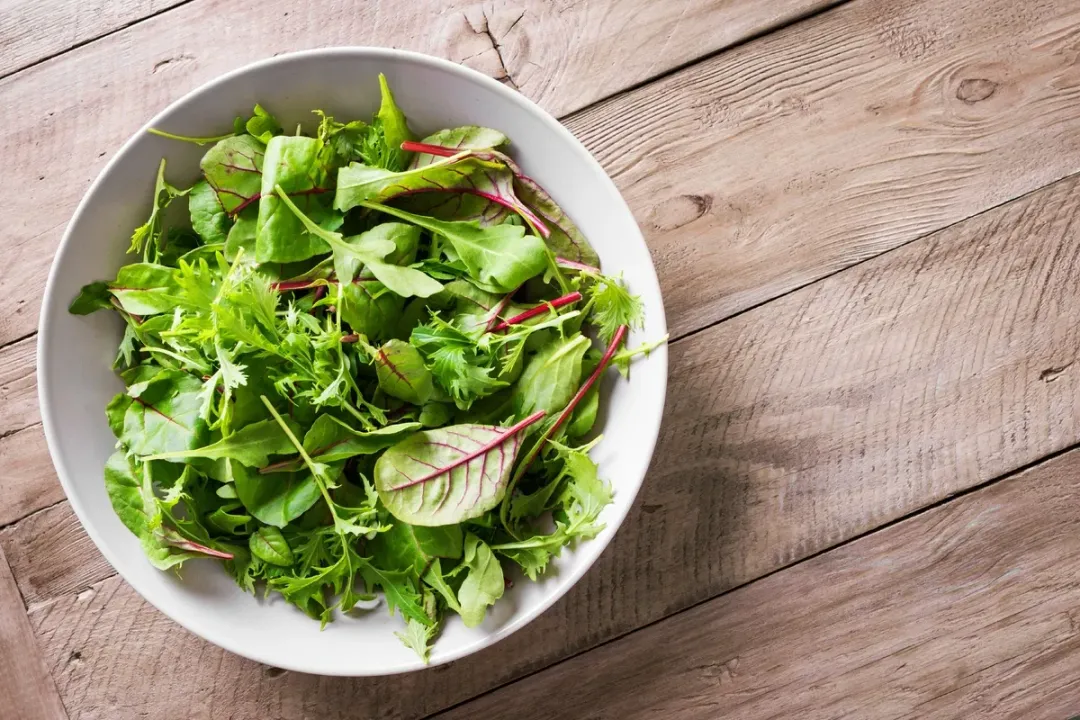
The protective qualities of Swiss chard extend significantly toward cardiovascular wellness. Its high concentration of Potassium and Magnesium works actively to help maintain healthy blood pressure levels. [1][5] Furthermore, the dietary fiber present in chard supports heart health by potentially lowering cholesterol production in the liver and aiding in its excretion before it enters the bloodstream. [1] Research consistently suggests that diets rich in leafy greens, including chard, correlate with a notably decreased risk of heart disease. [1][2]
Chard is also rich in specific plant compounds that contribute to circulatory health. For instance, it contains the flavonoid vitexin, which studies suggest can help prevent heart disease by reducing inflammation and potentially blocking the formation of blood clots. [2] Furthermore, chard, much like beetroot, contains high levels of dietary nitrates. [3][4] These nitrates are converted into nitric oxide (NO) in the body, a gas that widens arteries, thereby lowering blood pressure and improving overall blood flow. [4] This mechanism is beneficial not only for general heart function but also for improving the oxygen transport to muscles during physical activity. [3][4]
# Metabolic Health Factors
Managing blood sugar is a central theme in chard’s benefits profile, largely thanks to its fiber content and specific antioxidants. The fiber slows down the digestion process, which naturally reduces the rate at which sugar is absorbed into the bloodstream, promoting a more stable glucose level rather than a rapid spike. [1][2] This stabilizing effect is vital in reducing insulin resistance, a key precursor to Type 2 diabetes. [1]
Chard contains the antioxidant alpha-lipoic acid (ALA), which research indicates can improve insulin sensitivity and potentially mitigate diabetes-related complications, such as nerve damage. [1][5] Flavonoids within the vegetable may also inhibit the enzyme alpha-glucosidase, which breaks down carbohydrates into simple sugars, further aiding steady blood sugar maintenance. [6] When looking at population studies, those whose diets included higher amounts of green leafy vegetables showed a lower incidence of developing Type 2 diabetes. [2]
# Cellular Defense and Antioxidation
Chard is recognized as a veritable library of antioxidants, containing carotenoids like beta-carotene, as well as numerous polyphenols, including quercetin and kaempferol. [1][6] These compounds defend the body’s cells against damage from free radicals, which are implicated in aging and chronic disease development. [2][6]
Kaempferol, in particular, is noted for its anti-inflammatory potential, having shown the ability to induce cell death in pancreatic cancer cells in laboratory settings. [1] Furthermore, chard contains chlorophyll, which may help counteract the formation of carcinogenic heterocyclic amines generated when cooking meats at very high temperatures, such as grilling. [3][4] The presence of betalains, water-soluble pigments that give some chard varieties their color, also contributes significantly to the vegetable’s anti-inflammatory and anti-cancer properties. [6] Interestingly, this antioxidant richness also supports skin health by helping to protect against free radical damage associated with UV light exposure. [6]
# Bone Strength and Circulation
Beyond the obvious link to Vitamin K for clotting, the mineral matrix within chard is foundational for skeletal integrity. Both calcium and magnesium work alongside Vitamin K to maintain bone health and density. [4][5] While chard supplies calcium, its Vitamin K content is perhaps the most celebrated feature for bone maintenance, activating the proteins that govern bone growth and metabolism, thereby protecting against age-related mineral loss. [6]
Another key aspect of chard's vascular contribution comes from its high nitrate content. By promoting the production of nitric oxide, chard not only lowers blood pressure but also improves endothelium health—the inner lining of blood vessels—and inhibits platelet aggregation (clotting). [3][4] This improved circulation can translate into enhanced quality of life for individuals dealing with respiratory or metabolic conditions where efficient oxygen delivery is compromised. [3]
# Culinary Use and Preparation Notes
Swiss chard is highly versatile, suitable for raw applications when the leaves are young and tender, or cooked to bring out a milder, sweeter flavor. [1][6] The tougher, celery-like stalks require a longer cooking time than the delicate leaves, making a common preparation technique to separate and cook them first before adding the greens. [1][4] Sautéing with ingredients like garlic and olive oil is a quick method, or one can blanch the leaves briefly before freezing for later use. [1][6]
A point for the home cook to consider when transitioning from raw to cooked chard is the potential for nutrient degradation. While light cooking preserves much of the nutritional value, boiling for extended periods can significantly strip away water-soluble vitamins; for example, one source noted an 80% reduction in Vitamin C after boiling for just ten minutes. [5] This suggests that rapid wilting via steaming or quick sautéing offers the best balance between palatability and maximum nutrient retention. [1][5] If you find raw chard too bitter, a squeeze of lemon juice can effectively counter that edge, whether it’s used in a salad or tossed over sautéed stems. [4][6]
For an added layer of culinary nuance, think of the stalks not as waste, but as a separate vegetable component. Rather than tossing them after mincing, consider pickling the stems for a crisp, tangy snack, or sautéing them first until they are nearly as tender as celery before introducing the leaves. This approach allows you to fully enjoy the different textures and cooking requirements of the entire plant without compromising the quick cook time of the greens. [1][4]
# Factors for Moderation
While chard offers extensive benefits, certain individuals should approach consumption mindfully. As a leafy green, it contains oxalates, which can contribute to the formation of calcium oxalate kidney stones in susceptible people. [1][5] Hydration and adequate calcium intake are generally recommended countermeasures for those concerned about oxalates. [1]
The second major consideration involves its high Vitamin K content for those on specific medications. [4] Individuals prescribed blood thinners, such as warfarin, must maintain a consistent daily intake of Vitamin K-rich foods. [1][5] Sudden, drastic changes in consumption—either adding large amounts or cutting them out entirely—can interfere with medication efficacy. The goal for these individuals is not necessarily elimination, but rather reliable consistency so that a healthcare provider can properly adjust dosages. [4] Furthermore, while rare, allergic reactions are possible, and some individuals sensitive to grass pollen should exercise caution with chard consumption. [1][5]
Ultimately, Swiss chard’s impressive profile—from its anti-inflammatory betalains to its circulation-boosting nitrates and bone-supporting minerals—makes it a worthy addition to the plate. Remember that good health stems from a variety of foods; integrating chard alongside other colorful produce ensures you are building a well-rounded dietary foundation rather than relying on any single superfood. [1][2]
Related Questions
#Citations
Swiss Chard: Nutrition, Benefits, and How to Cook It - Healthline
Health Benefits of Swiss Chard
Swiss chard: Possible health benefits, uses, and risks
Food of the Month: Swiss Chard | Denver Health Medical Plan
[PDF] Health Benefits of Swiss Chard
Chard: 10 Health Benefits, How to Eat & Recipes - Tua Saúde
The Nutritional Powerhouses: Kale and Swiss Chard
What Does Swiss Chard Do for the Body? 10 Benefits, 4 Side Effects
Swiss Chard | Superfood - Allergy Associates of La Crosse
Swiss Chard Nutrition, Benefits, Recipes and Side Effects - Dr. Axe