Health Benefits of Celery
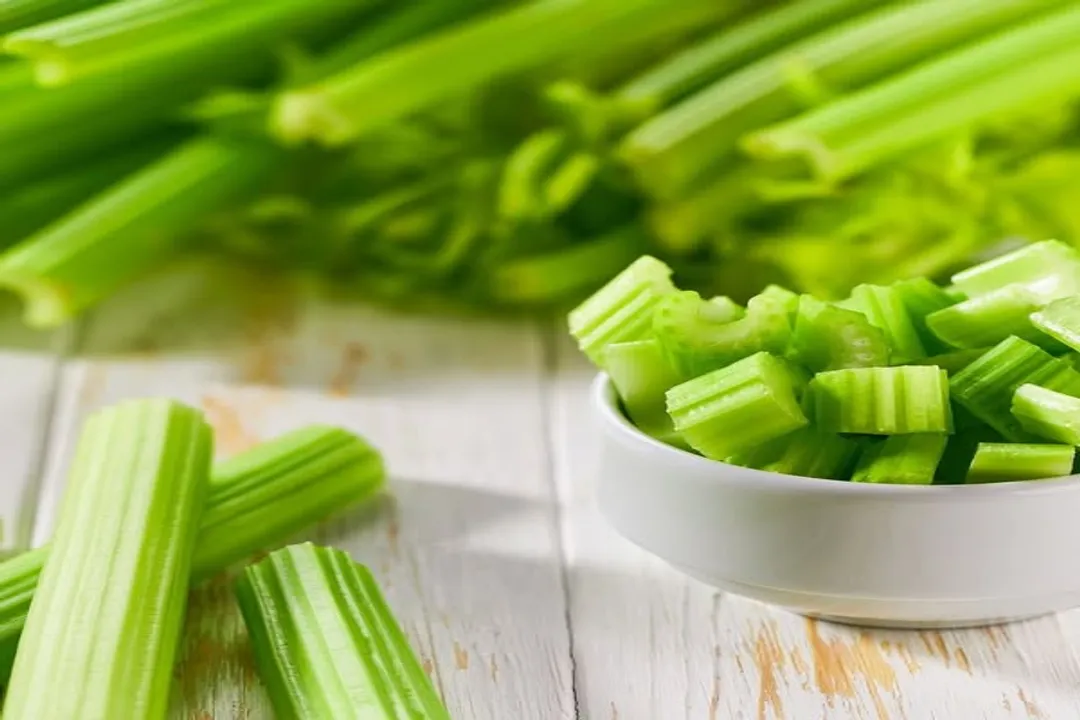
Celery, often relegated to the side of a crudité platter or serving as a mere vehicle for dips, is far more than just a crunchy, low-calorie filler. This familiar green stalk boasts an impressive nutritional profile that suggests a deeper role in daily wellness than its humble presentation implies. [2][3] For decades, many have simply associated it with dieting due to its high water content, yet modern understanding reveals compounds that actively support the body, from managing inflammation to aiding digestive regularity. [1][5] Embracing celery means incorporating a vegetable that is both hydrating and packed with essential micronutrients, offering tangible benefits across several key areas of health.
# Hydration Support
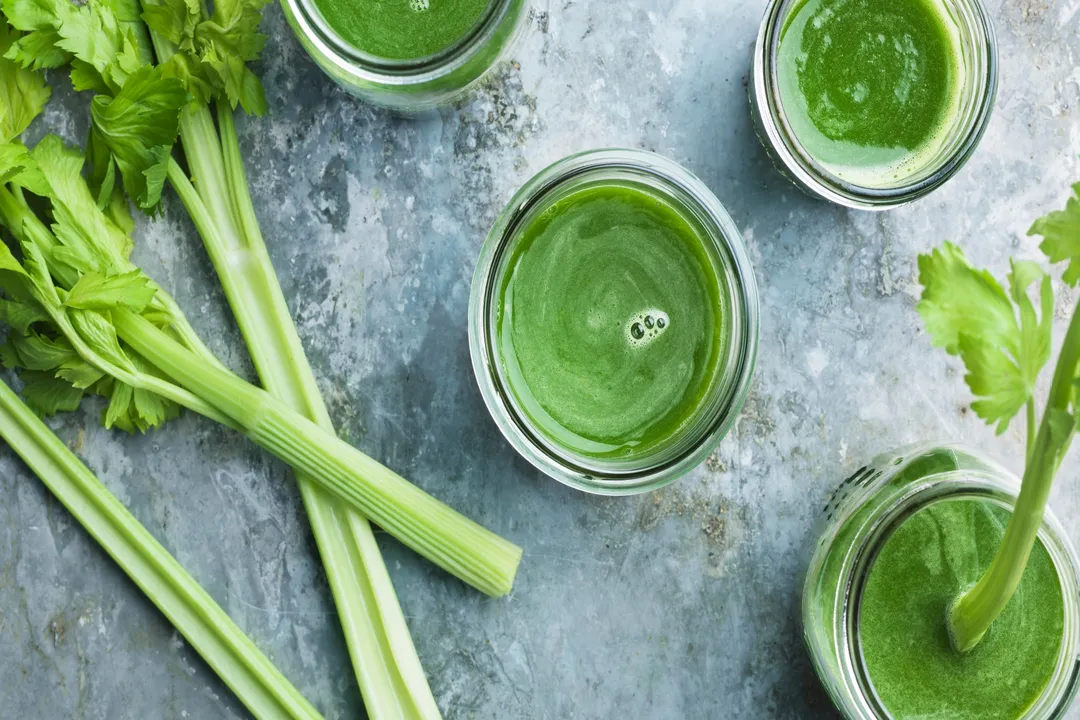
One of the most straightforward benefits of adding celery to your diet is its exceptional contribution to fluid intake. [1] The stalk is predominantly made up of water, often cited as being over 95% water. [1][2] This high water content makes it an easy, edible way to boost daily hydration, which is critical for nearly every bodily function, including temperature regulation, nutrient transport, and waste removal. [1] For individuals who struggle to meet their recommended water intake through beverages alone, reaching for a few celery sticks provides a palatable alternative that simultaneously delivers some vitamins and minerals. [3]
In addition to the sheer volume of water, celery contains important electrolytes and minerals that help the body retain and effectively use that fluid. [1] When looking at the composition, it’s clear that while it is light on calories—often quoted as being extremely low, perhaps around 6 calories per large stalk—it’s not devoid of substance. [2][5] This excellent water-to-nutrient ratio is what makes it a powerful base for many health-focused routines, including juicing, although the whole stalk remains the superior choice for fiber content. [7]
# Digestive Health
The structure of celery itself is a major contributor to gastrointestinal well-being, primarily through its fiber content. [1][5] Fiber, whether soluble or insoluble, is essential for maintaining a healthy digestive tract, promoting regular bowel movements, and preventing constipation. [5] Celery provides a good source of this dietary necessity, adding necessary bulk to stool and supporting gut motility. [1]
It is interesting to observe how the consumption method impacts the fiber benefit. When celery is eaten whole, you benefit from its both water and fibrous texture. [7] Juicing, while concentrating certain nutrients, strips away this beneficial insoluble fiber. [7] Therefore, for supporting regularity and gut health directly, munching on the whole stalk is the recommended approach, something nutrition experts often stress when discussing the difference between consuming whole vegetables versus their extracted liquids. [4][7]
Furthermore, celery contains a beneficial compound called phthalides which may play a part in digestive ease. [1] While specific mechanisms are still being detailed, these compounds are thought to help relax the tissues of the digestive tract, potentially easing cramping or discomfort after meals. [1] Integrating celery into pre-meal snacks or alongside heavier meals can thus provide a mild, natural aid to digestion. [3]

# Inflammation Management
Chronic, low-grade inflammation is implicated in numerous long-term health issues, making dietary strategies to mitigate it highly valuable. [5] Celery contains several powerful antioxidants and phytonutrients that exhibit notable anti-inflammatory properties. [1][5] Research points specifically to compounds like apigenin and luteolin as key players in reducing inflammation within the body. [1][5]
These antioxidants work by neutralizing free radicals, which are unstable molecules that contribute to cellular damage and trigger inflammatory responses. [1] By actively scavenging these radicals, celery helps dial down the body's overall inflammatory load. [5] For individuals dealing with joint stiffness or those seeking general proactive health maintenance, consistent consumption of celery, whether raw or cooked, contributes to this protective effect. [2]
When comparing vegetables, it's worth noting that while many dark leafy greens are lauded for their anti-inflammatory effects, celery offers a unique profile centered around these specific flavonoids. [5] You can think of it as a foundational vegetable in an anti-inflammatory diet, easily paired with other high-antioxidant foods like berries or turmeric to create a synergistic effect. [1] This subtle, continuous input of protective compounds is where the long-term value of eating celery daily truly lies, rather than in a single dramatic effect. [5]
# Cardiovascular Support
The impact of celery on heart health is multifaceted, involving blood pressure regulation and cholesterol management. [1][2] One significant factor in its cardiovascular benefit is its mineral balance, particularly the ratio of sodium to potassium. [1] While celery does contain sodium—it’s not salt-free—it is rich in potassium, a mineral known to counteract the negative effects of excess sodium by promoting its excretion through urine. [2] This natural diuretic and balancing action can assist in maintaining healthy blood pressure levels. [1][2]
Additionally, celery's phthalides are believed to benefit the circulatory system beyond just their anti-inflammatory role. [1] Some studies suggest these components may aid in relaxing arterial walls, which also contributes to smoother blood flow and lower pressure readings. [1]
For those monitoring their lipid intake, celery contributes no cholesterol and is very low in fat. [2] While it won't single-handedly resolve high cholesterol, its low-calorie, high-fiber nature supports an overall diet pattern that is beneficial for cardiovascular wellness. [5] If you are actively tracking your blood pressure, note that consuming celery alongside a diet high in processed sodium is necessary to see the full beneficial interplay between its potassium and other circulatory aids. [2] A simple way to incorporate this is to swap a high-sodium snack for celery sticks with a squeeze of lemon instead of a commercial salty cracker. [3]
# Vitamins and Essential Compounds
Celery is a decent source of several vital micronutrients that support overall bodily function. [1][3] It provides measurable amounts of Vitamin K, which is essential for blood clotting and bone health. [1][3] It also contains Vitamin C, an important antioxidant that supports immune function, though it is not as concentrated in celery as in citrus fruits. [1]
Perhaps less frequently highlighted is its contribution of folate (Vitamin B9) and Vitamin A, which are necessary for cell division and vision, respectively. [1][2] When consuming celery, particularly the inner, lighter-colored stalks, remember that nutrient density can vary slightly, but the broad spectrum of vitamins remains consistent across the plant. [3]
A common area of discussion surrounding celery is its purported role in weight loss due to its very low-calorie density. [2] While it won't magically melt fat, its high water and fiber content promote satiety, meaning you feel fuller on fewer calories. [5] This satiety effect is a practical tool for those managing their caloric intake; eating a large serving of celery before a main meal can naturally reduce the amount you consume afterward. [7] This is a key behavioral trick derived from its physical properties: the energy required to chew and digest the high volume of fibrous material helps signal fullness to the brain. [5]
# Considering Celery Juicing Trends
The trend of consuming celery juice daily has gained significant traction, often being promoted as a cure-all beverage. [7] It is important to differentiate between the benefits of eating the whole vegetable and drinking the juice. [7]
Juicing does concentrate the water and some of the more soluble vitamins and minerals, making it a very quick delivery system for these components. [7] However, as mentioned earlier, the process removes most of the insoluble dietary fiber. [7] Fiber is crucial for blood sugar management, as it slows the absorption of sugars, and for long-term gut health. [5]
When you juice, you are consuming the liquid benefits without the structural benefits that keep the digestive system running smoothly. [7] While proponents of juicing suggest it aids detoxification, it’s more accurate to say that the liver and kidneys detoxify the body, and celery provides the hydration and antioxidants necessary to support those organs in their work. [1][5] If you choose to juice, balance this habit by ensuring you are still consuming plenty of whole vegetables throughout the day to maintain adequate fiber intake. [7] A practical comparison: a glass of celery juice might offer a quick hit of hydration and certain micronutrients, but a bowl of raw celery sticks provides superior satiety and fiber for digestive regulation. [2][7]

# Incorporating Celery Beyond the Basics
Moving celery from the background to the foreground of your diet opens up numerous culinary avenues. [3] While classic uses like soup bases (mirepoix) or vegetable platters are well-known, experimentation can maximize its health benefits through varied preparation. [3]
For maximum nutrient preservation, raw or lightly steamed celery is ideal, as intense heat can degrade some of the more sensitive vitamins and phytochemicals. [2]
Here are a few ways to naturally integrate more celery:
- Snack Swaps: Instead of chips or pretzels, use celery sticks filled with hummus or cottage cheese for added protein and healthy fats, creating a more balanced snack that stabilizes energy. [3]
- Salad Base: Roughly chop celery and use it as a primary crunchy element in tuna, chicken, or egg salads, increasing the vegetable volume of the meal significantly. [3]
- Smoothie Boost: Add a few stalks to your morning green smoothie. The taste is generally mild and easily masked by fruit, but you gain the water and nutrients without significantly altering the texture if you use a high-powered blender. [4]
Remember that the slightly salty, earthy flavor profile of celery makes it a wonderful counterpoint to sweet or rich flavors. [3] By incorporating it thoughtfully across different meals, you move beyond simply consuming a "negative-calorie" food and start appreciating it as a genuinely functional vegetable supporting hydration, digestion, and cellular protection. [1][5] Its accessibility and low cost only add to its standing as a worthwhile addition to nearly any eating pattern. [2][8]
#Videos
The Benefits and Side Effects of Celery - YouTube
Related Questions
#Citations
Benefits of Celery: For Your Health - Healthline
Celery: Health Benefits, Nutrients, Preparation, and More - WebMD
The Benefits and Side Effects of Celery - YouTube
Discover the health benefits of celery, according to nutrition experts ...
A Review of the Antioxidant Activity of Celery (Apium graveolens L)
Celery: Discover the benefits - Mayo Clinic Health System
Celery Juicing: Superfood or Super Fad? - UnityPoint Health
Top 6 health benefits of celery - BBC Good Food