Health Benefits of Broccolini
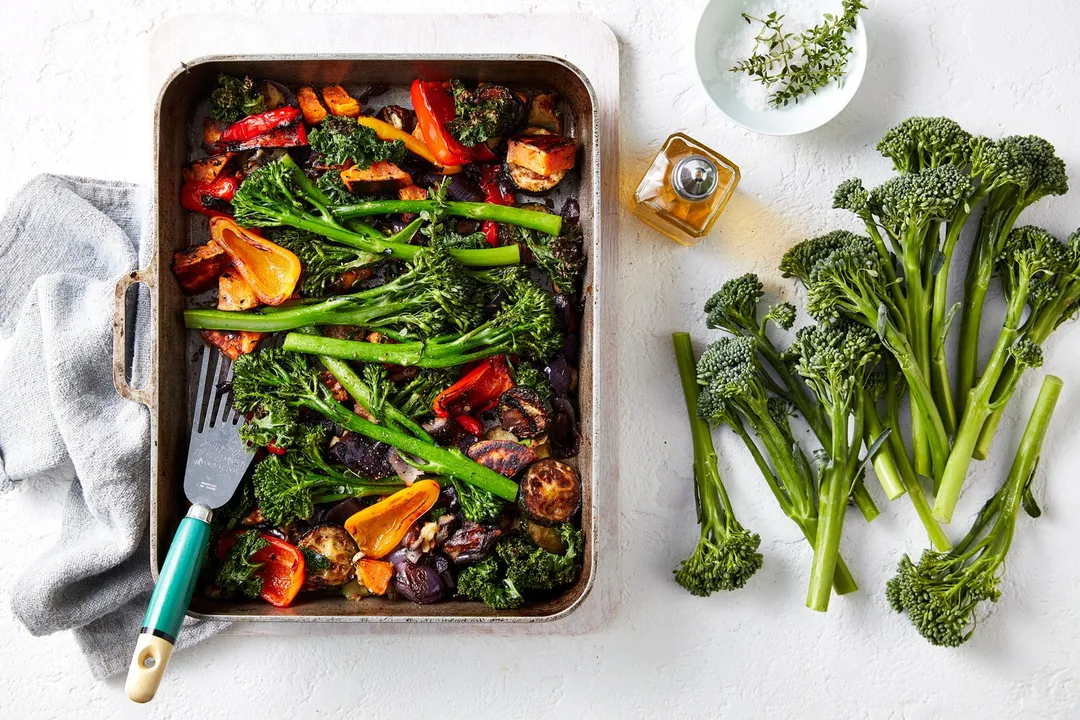
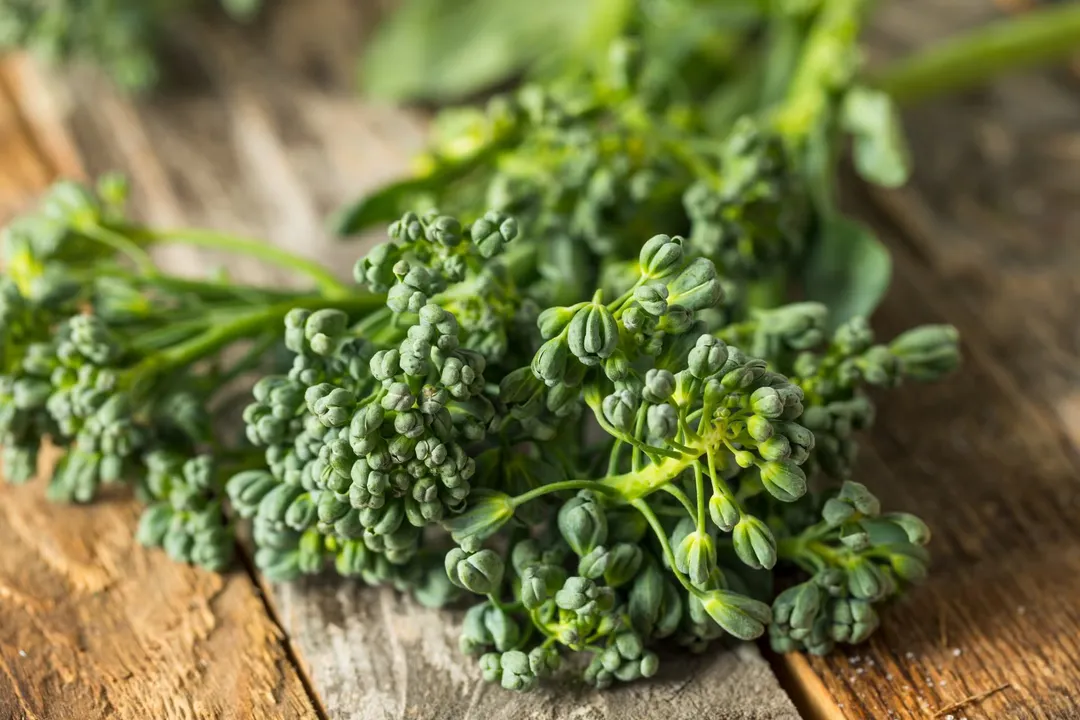
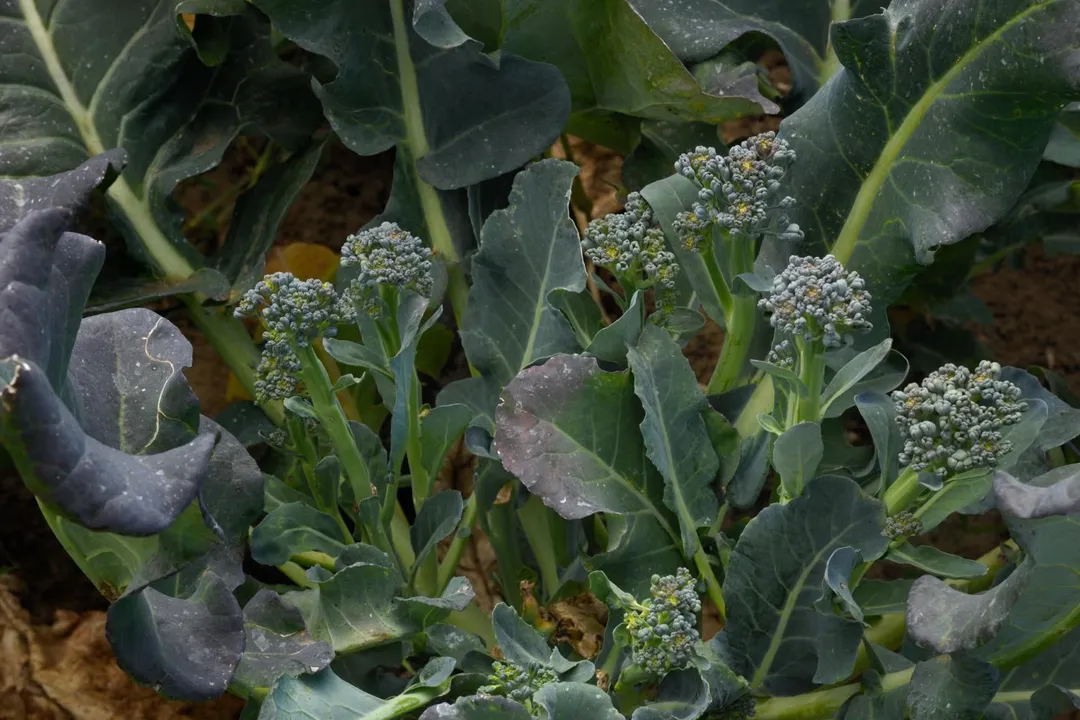
This often-misunderstood member of the Brassica oleracea family, broccolini, is frequently mistaken for baby broccoli, but it actually represents a deliberate cross between standard broccoli and Chinese broccoli, also known as Gai Lan. [5][7] This pairing gives it a distinctive profile: longer, more slender stalks than traditional broccoli, coupled with smaller florets and a slightly sweeter, milder flavor compared to its more pungent parent, Gai Lan. [5][7] It emerged from plant breeding efforts in Japan in the late 1990s and quickly found favor globally for its palatable taste and high nutrient density, making it an easy addition to many weekly meal plans. [5]
# Nutrient Powerhouse
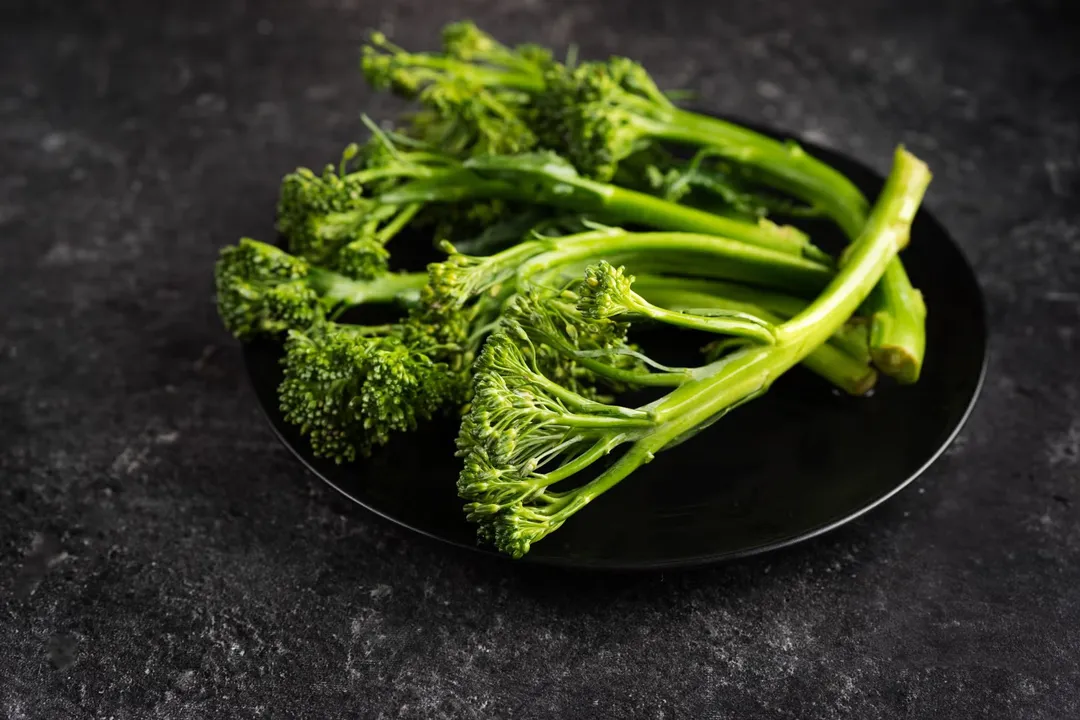
Analyzing broccolini reveals a potent concentration of essential vitamins and minerals packed into a low-calorie vegetable. [1][10] It is exceptionally rich in Vitamin C, often supplying more than the recommended daily allowance in a single serving, which is vital for immune system function and collagen production. [1][3] Alongside this, Vitamin K levels are high, playing a crucial role in blood clotting and bone metabolism. [1][6] The presence of Vitamin A, primarily in the form of carotenoids, supports vision and skin health. [1][3]
Beyond these headline vitamins, broccolini delivers meaningful amounts of several B vitamins, notably folate (B9), which is necessary for cell division and DNA synthesis. [1][6] Minerals are also well-represented; significant contributions come from potassium, important for blood pressure regulation, and iron, necessary for oxygen transport. [6][10] Furthermore, the vegetable provides a respectable dose of dietary fiber and is naturally low in calories and virtually fat-free. [1]
| Key Nutrient (per serving estimate) | Primary Benefit | Citation Support |
|---|---|---|
| Vitamin C | Immune Support, Antioxidant | [1][3] |
| Vitamin K | Bone Health, Blood Clotting | [1][6] |
| Fiber | Digestive Regularity | [1][10] |
| Glucosinolates | Detoxification Support | [3][4] |
# Antioxidant Defense
The protective qualities of broccolini stem significantly from its high antioxidant content. It is a good source of antioxidants like carotenoids, which help combat harmful free radicals in the body. [1][3] These compounds contribute to reducing oxidative stress, a key factor in the aging process and the development of chronic diseases. [3]
A particularly interesting group of compounds found in cruciferous vegetables like broccolini are the glucosinolates. [4] When broccolini is chewed or chopped, these sulfur-containing compounds break down into active substances, such as isothiocyanates. [3][4] Research suggests that these isothiocyanates possess potent anti-cancer properties by aiding the body's natural detoxification processes. [4] While many cruciferous vegetables share this mechanism, the specific concentration and bioavailability in broccolini make it a worthy inclusion in an anti-inflammatory diet. [3]
# Bone and Blood Support
The synergy between Vitamin K and minerals like calcium and magnesium in broccolini makes it an excellent food choice for maintaining skeletal integrity. [6][10] Vitamin K is essential for activating certain proteins required for bone mineralization. [1] Consuming adequate amounts of this vegetable can therefore contribute positively to bone density over time, which is especially relevant as we age. [4]
Furthermore, its nutritional makeup supports cardiovascular health indirectly. The combination of fiber, potassium, and its low sodium profile assists in maintaining healthy blood pressure levels. [6] While it is not a standalone cure, consistently integrating nutrient-dense vegetables into the diet is a cornerstone of long-term heart wellness. [10]
# Digestive Wellness
For those seeking to improve gut health or manage weight, broccolini offers tangible benefits primarily through its fiber content. [1][10] Dietary fiber, both soluble and insoluble, is crucial for maintaining regular bowel movements and preventing constipation. [1] Insoluble fiber adds bulk to stool, while soluble fiber can help stabilize blood sugar levels and may contribute to feeling full longer, which supports sensible calorie management. [10] Because broccolini is naturally low in calories and high in volume-providing fiber and water, it can be a satisfying addition to meals without significantly increasing energy intake. [1]
# Culinary Simplicity
One of the main advantages of broccolini is its ease of preparation, which encourages frequent consumption. Unlike standard broccoli, which requires careful timing to ensure the thick stems cook through without turning the florets to mush, broccolini’s thin stalks cook relatively quickly and evenly. [7] This versatility means it adapts well to numerous cooking methods.
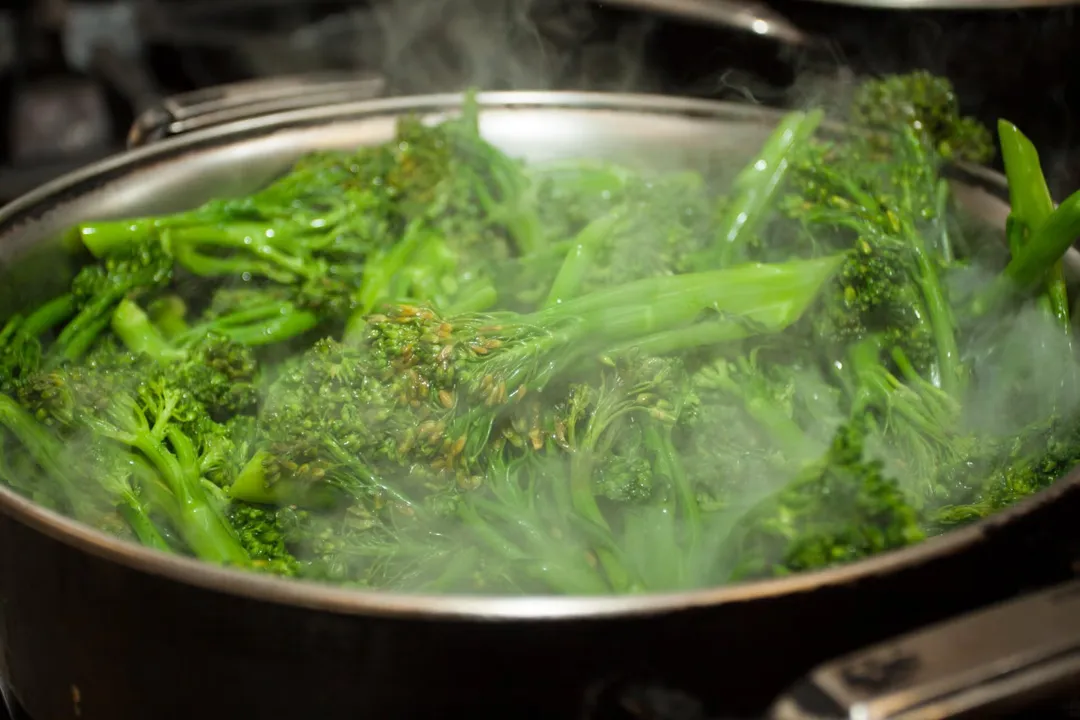
Steaming is often cited as a gentle way to preserve nutrients, particularly water-soluble vitamins like Vitamin C. [2] For a quick preparation, tossing the stalks with olive oil, salt, and pepper, and roasting them until they achieve a slight char on the florets is highly effective for concentrating their flavor. [9] Stir-frying, perhaps with garlic and a touch of soy sauce, is another popular technique that leverages its fast cooking time. [7]
For optimal nutrient retention, especially regarding heat-sensitive Vitamin C, aim for the shortest effective cooking time. Lightly blanching or quickly steaming for three to four minutes before a final, brief sauté ensures both tenderness and maximum nutrient preservation, as extended boiling can leach water-soluble vitamins into the cooking liquid. [2]
A practical tip for anyone buying this vegetable is to treat it similarly to fresh herbs. If you bring home a bunch that looks slightly wilted, it does not necessarily mean it is ruined. Trim the very bottom of the stalks and place them upright in a glass with about an inch of water, then cover the top loosely with a plastic bag and refrigerate. This simple hydration trick can often revive the crispness of the stalks within a few hours, which is far better than letting them languish in the crisper drawer where moisture loss is accelerated. [9]
# Comparing Brassicas
While often discussed alongside its relatives, understanding where broccolini sits within the cruciferous category can be helpful for dietary planning. Broccoli, for instance, tends to have denser, larger florets, meaning you often get a higher volume of the most nutrient-packed part (the floret) per bite, though the stems of standard broccoli are often discarded or require peeling. [5] Gai Lan, the other parent, has leaves that are generally more prominent and a slightly more bitter flavor profile. [7]
Broccolini effectively balances these traits: you get the sweet, tender crunch of the stalk from Gai Lan, while retaining the recognizable, nutrient-rich small floret from broccoli. [5] This hybrid nature means that home cooks often find it more palatable raw in salads or slaws than one might expect from traditional broccoli, adding a new texture dimension to raw vegetable dishes. [2]
# Anti-Inflammatory Potential
The consistent presence of sulfur compounds and various vitamins reinforces broccolini’s role in supporting the body's natural defense against chronic inflammation. [3][4] While inflammation is a necessary immune response, chronic, low-grade inflammation is linked to numerous health issues. [10] By providing a steady source of antioxidants and glucosinolates, regularly including broccolini in your diet contributes to an overall anti-inflammatory dietary pattern. [3][4] The potassium it contains also assists in balancing the body's fluid levels, which can indirectly affect inflammatory markers. [6] Including this vegetable a few times a week, perhaps as a side to leaner proteins, helps create a diet rich in protective micronutrients without the downside of excessive fats or sodium found in many processed side dishes. [1]
Related Questions
#Citations
Broccolini: Nutrients, Benefits, and How to Cook It - Healthline
Recipe + Health Benefits of Broccolini - Delta Dental of Arkansas
Broccolini: Health Benefits of Eating Your Greens - WebMD
4 reasons to add more broccolini to your diet - MiNDFOOD
Broccolini is filled with these 4 important vitamins - USA Today
10 Impressive Broccolini Nutrition facts and Health benefits
What is Broccolini? Health Benefits and How to Eat Them
Broccolini® The Super Simple Superfood | Perfection Fresh Australia.
Roasted Broccolini - Bearwallow Valley Farms
Broccolini Health Benefits- Nutritional Value for Healthy Body