Health Benefits of Breadfruit

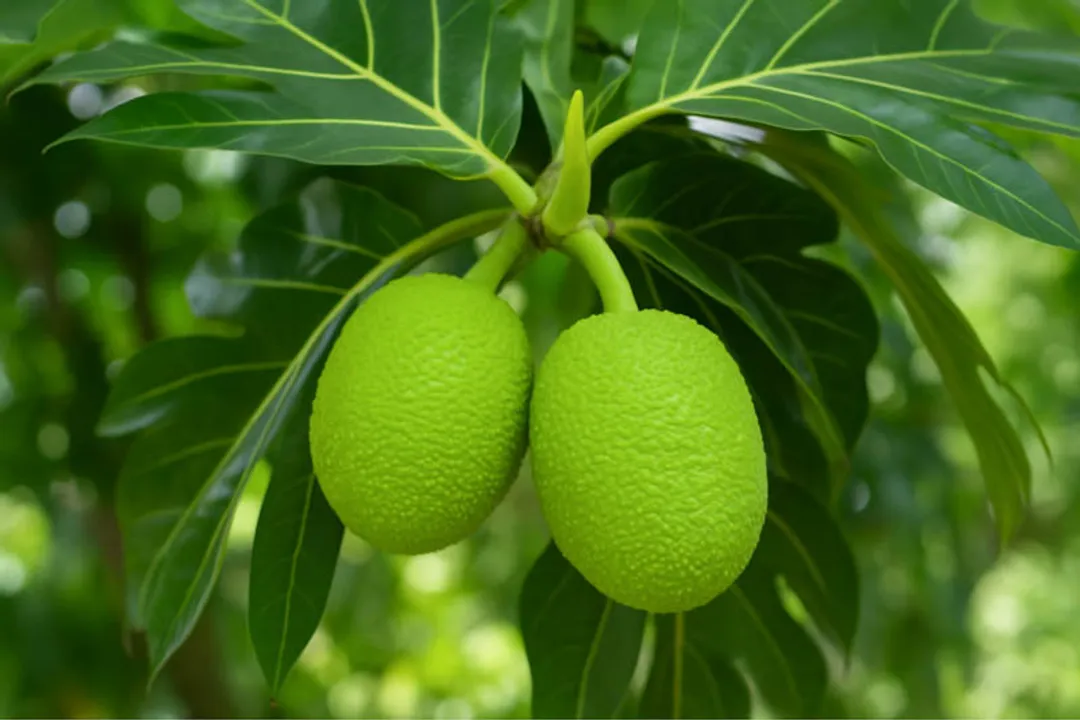
Breadfruit, known scientifically as Artocarpus altilis, is far more than just a tropical novelty; it is a substantial, starchy staple crop with a surprisingly dense nutritional profile that warrants a closer look from anyone interested in diversifying their diet. [3][5] Originating in the Indo-Malayan region and the West Pacific, this fruit has sustained island populations for centuries, earning its place as a recognized "superfood" in various contexts due to its potential health advantages. [2] Unlike many fruits prized only for their sweetness, breadfruit offers a unique blend of complex carbohydrates, essential micronutrients, and dietary fiber, making it a functional food ingredient whether consumed green and starchy or ripe and sweet. [3][7]
# Nutrient Density

The composition of breadfruit shifts significantly depending on its maturity, but even in its unripe state, it provides an important source of energy and key nutritional building blocks. [7] Raw, ripe breadfruit contains a substantial amount of carbohydrates, which serve as the body's primary fuel source. [7] While it is a starchy fruit, its nutritional makeup is often compared favorably to traditional root vegetables and tubers when evaluating its micronutrient contribution. [2]
Examining a standard serving, such as one cup of raw breadfruit, reveals a good baseline for dietary planning. [7] It provides notable amounts of Vitamin C, an essential nutrient for immune function and collagen production. [1][7] Furthermore, it supplies several B vitamins, including thiamin, niacin, and folate, which are vital for metabolic processes. [3][7] The mineral content is also noteworthy, particularly in terms of potassium, which is crucial for maintaining healthy blood pressure and fluid balance. [3][7]
To illustrate how breadfruit compares when viewed through a general nutritional lens, consider this comparison based on typical values for 100 grams of the raw fruit: [7][3]
| Nutrient Category | Breadfruit (Raw) | Common Comparison (e.g., Potato, cooked, without skin) | Significance |
|---|---|---|---|
| Calories | Moderate (~103 kcal) | Slightly higher or lower depending on preparation | Energy source |
| Carbohydrates | High | High | Primary energy provider |
| Fiber | Significant source | Moderate | Digestive health |
| Potassium | Good source | Good source | Blood pressure support |
| Vitamin C | Excellent source | Moderate | Immune function |
It is important to recognize that consuming breadfruit contributes to the intake of various essential trace minerals, including magnesium and phosphorus, which support bone health and energy production. [3][10] While the exact quantities can vary based on cultivar and growing conditions, the consistency in its mineral contribution establishes it as a reliable component of a balanced diet. [4]
# Digestive Support
One of the most frequently cited benefits associated with incorporating breadfruit into the diet relates directly to digestive wellness, largely attributable to its fiber content. [3][6] Breadfruit contains both soluble and insoluble fiber, which work synergistically to promote a healthy gut environment. [3][6]
The insoluble fiber acts as a bulking agent, helping to move food efficiently through the digestive tract, which can aid in preventing constipation. [3] Conversely, the soluble fiber plays a role in promoting satiety—the feeling of fullness—which can assist in weight management efforts by reducing overall caloric intake between meals. [3][9] Moreover, dietary fiber serves as a prebiotic, feeding beneficial gut bacteria. [6] A thriving population of gut microbiota is increasingly linked not just to better digestion, but also to improved immune function and even mental well-being. [6] For those transitioning their diet to include more whole, unprocessed foods, breadfruit offers a substantial, easily integrated source of this crucial roughage. [3]

# Blood Sugar Management
For individuals monitoring their carbohydrate intake or managing blood sugar levels, breadfruit presents an interesting alternative to refined grains or some other starchy staples. [3][5] Studies suggest that the fiber content in breadfruit can play a beneficial role in moderating post-meal blood glucose spikes. [6]
The structure of the carbohydrates present in breadfruit, especially when consumed in its less ripe, starchy form, tends to digest more slowly compared to simple sugars. [3] This slow release of glucose into the bloodstream helps prevent the sharp peaks and subsequent crashes that can characterize diets high in refined starches. [5] By contributing to steadier energy levels throughout the day, breadfruit may assist in maintaining metabolic equilibrium. [9] Furthermore, research indicates that the antioxidants and specific compounds within breadfruit may also contribute positively to glucose metabolism, though more human clinical trials are always beneficial for definitive conclusions. [6]
If you are accustomed to using white rice or highly processed flour products as your main carbohydrate base, substituting even one portion a week with baked, boiled, or roasted green breadfruit offers a simple way to instantly increase fiber and nutrient density while potentially slowing carbohydrate absorption. [5] This substitution moves the meal's nutritional impact away from quick energy toward sustained release, a key factor in long-term metabolic health. [9]
# Cardiovascular Health
The benefits of breadfruit extend to supporting the cardiovascular system, primarily through its mineral profile and the presence of bioactive compounds. [3][5] A key player here is potassium. [3][7]
Potassium works to balance the negative effects of sodium on blood pressure by promoting vasodilation—the widening of blood vessels—and increasing the excretion of excess sodium through urine. [3] Adequate potassium intake is therefore a recognized strategy for helping to maintain blood pressure within a healthy range. [7] Considering that many Western diets are high in sodium and low in potassium, foods like breadfruit that are naturally rich in the latter become valuable dietary additions. [3]
Beyond potassium, breadfruit contains various antioxidants and phytosterols that are known to support heart health. [5] While not exceptionally high in fats, the fats it does contain are generally unsaturated, which are favorable for cardiovascular function. [3] The anti-inflammatory properties suggested by its antioxidant load may also contribute indirectly to vascular health by mitigating chronic, low-grade inflammation associated with heart disease risk factors. [6]
# Immune Function
Maintaining a strong defense system relies heavily on consistent intake of key vitamins, and breadfruit delivers particularly well on Vitamin C. [7] As a potent antioxidant, Vitamin C is critical for stimulating the production of white blood cells, which are the body's primary defense cells. [1][7] It also helps protect existing immune cells from oxidative damage caused by free radicals generated during normal metabolic processes or in response to environmental stressors. [5]
While Vitamin C often takes the spotlight, the presence of other micronutrients, like Vitamin A precursors and trace minerals such as zinc and iron (depending on processing and preparation), also contribute to overall immune competency. [3][10] When considering breadfruit in the context of traditional medicine or modern supplementation, its role as a whole-food source of these necessary cofactors cannot be overlooked. [1] Consistent, food-based nutrition is often superior to relying on isolated supplements for broad-spectrum immune support. [5]
# Skin and Tissue Repair
The role of Vitamin C in the body is not limited to immunity; it is an absolute necessity for the synthesis of collagen. [1] Collagen is the most abundant protein in the human body, forming the structural basis for skin, tendons, ligaments, and blood vessels. [1]
Because breadfruit offers a good source of this vitamin, regular consumption supports the body's natural repair mechanisms. [5] Whether recovering from a minor scrape or simply supporting the ongoing turnover of skin cells, having sufficient Vitamin C precursors readily available in the diet accelerates and improves the quality of tissue regeneration. [1] This ties back into the general antioxidant capacity; protecting the skin from daily environmental damage is a primary function of dietary antioxidants. [5]

# Culinary Versatility and Application
One of the most exciting aspects of breadfruit is its adaptability in the kitchen, which directly influences how much of its nutritional potential one can actually realize. [4] The flavor and texture profile changes dramatically as it ripens, offering two distinct culinary experiences from the same fruit. [4][5]
# Green Breadfruit Preparation
When young and immature (green), the fruit is firm, starchy, and relatively flavorless, closely resembling a potato or yam. [3][4] In this stage, it is best prepared by boiling, steaming, baking, or frying, where it absorbs flavors well. [4] This starchy form is the preferred one for those seeking the lower sugar, higher fiber benefits associated with complex carbohydrates. [3]
# Ripe Breadfruit Preparation
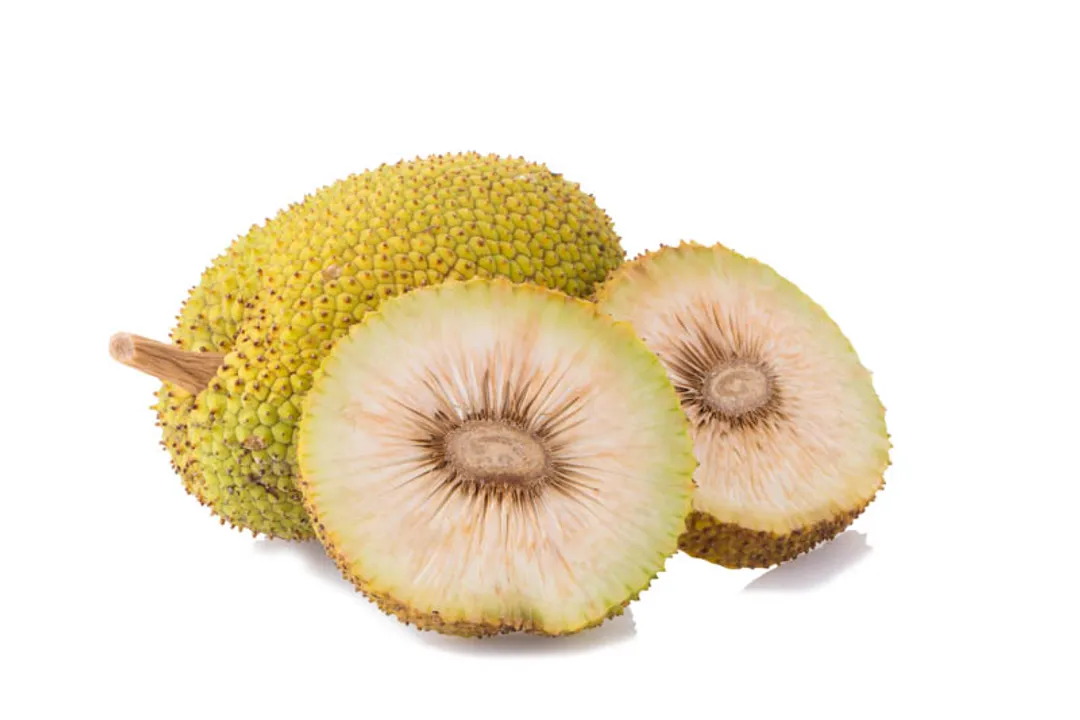
As the fruit matures, the starches convert to sugars, giving it a soft, creamy texture and a sweet flavor reminiscent of bread or sweet potato. [4][5] Ripe breadfruit can be eaten raw in small quantities, though it is frequently baked or roasted to bring out its sweetness, often used in desserts or sweet side dishes. [4]
To maximize the textural contrast and flavor profile in a meal, one might consider a main course featuring slow-cooked pulled pork or jerk chicken served alongside a mash made from green breadfruit, similar to a mashed potato substitute, perhaps enhanced with a squeeze of lime and fresh herbs like thyme and scallions to complement its mild starchiness. [2] This approach allows the nutrient-dense fruit to serve as the foundational energy source for the meal. [3]
# Cultivation and Global Importance
The significance of breadfruit extends past individual health benefits into broader agricultural and humanitarian spheres. [2] In many tropical regions, it is a tree of life, providing not just food but also potential for income and environmental stability. [2][4]
Trees That Feed Foundation highlights how planting breadfruit trees can be an effective, long-term strategy for combating hunger and malnutrition, especially in school feeding programs. [2] A single mature tree can yield hundreds of fruits annually, providing a renewable, localized source of essential calories and nutrients that are less susceptible to the volatile market fluctuations that affect imported grains. [2]
Furthermore, the plant itself offers ecological advantages. As a long-lived tree, it contributes to soil health and provides shade, which can support biodiversity in local farming ecosystems. [4] Promoting the cultivation and consumption of local staples like breadfruit, rather than solely relying on imported, often highly processed foods, is a pathway toward greater community resilience and improved population health outcomes. [2] Recognizing breadfruit as a climate-resilient crop also adds another layer of importance to its continued study and integration into modern agricultural planning. [4]
Related Questions
#Citations
Breadfruit - Uses, Side Effects, and More - WebMD
Breadfruit, A Superfood - Trees That Feed Foundation
Breadfruit Benefits, Nutrition Facts and How to Use - Dr. Axe
Breadfruit: Health Benefits, Uses, Growing Tips - Gardenia.net
Breadfruit Nutritional Benefits - How to Feel Your Best!
Breadfruit (Artocarpus altilis): Processing, nutritional quality, and ...
Breadfruit Nutrition Facts and Health Benefits - Verywell Fit
Breadfruit, History & Health Benefits - YouTube
Breadfruit Nutritional Benefits – How to Feel Your Best! - ulu coop
Breadfruit: Uses, Nutritional Facts And Health Benefits - Netmeds