Do they eat pasta in Slovenia?
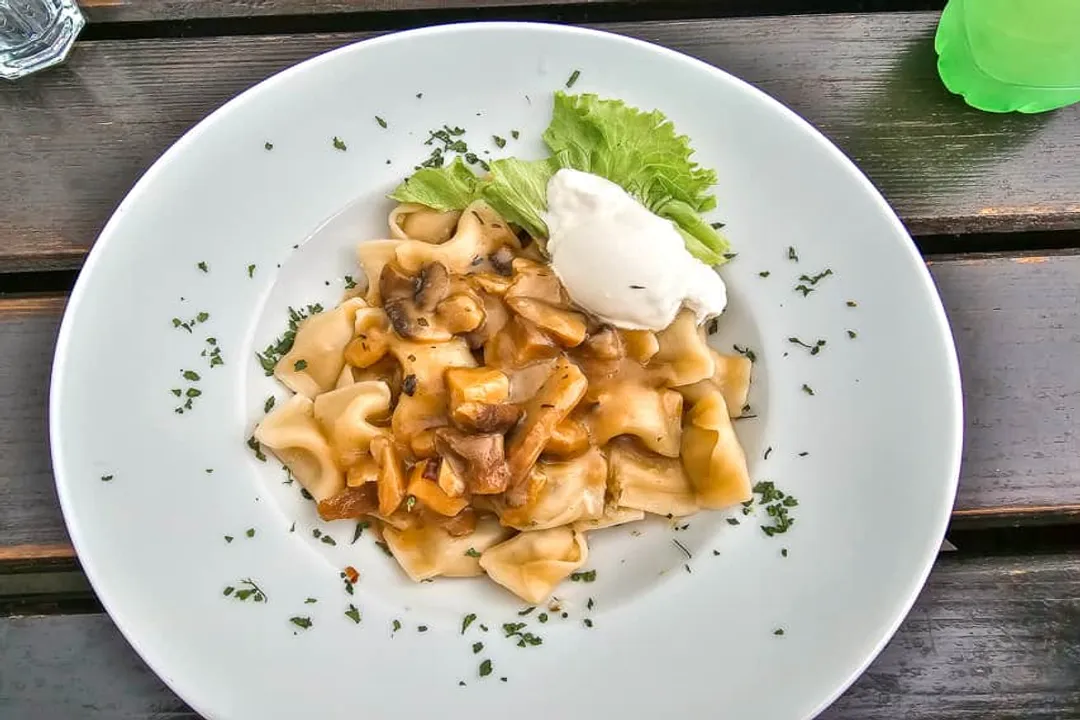
Slovenian cuisine is a rich mosaic shaped by its Central European location, drawing flavors and techniques from its neighbors, Italy, Austria, Hungary, and the Balkans. [1][2] When looking at this culinary landscape, the presence of pasta might seem like an Italian import, yet the reality of what Slovenians eat day-to-day reveals a more nuanced relationship with noodles and dough. While one might not immediately categorize pasta as the defining element of the national diet in the way that štruklji (rolled dumplings) or certain hearty grain dishes are, it certainly finds its place on tables across the country. [5]
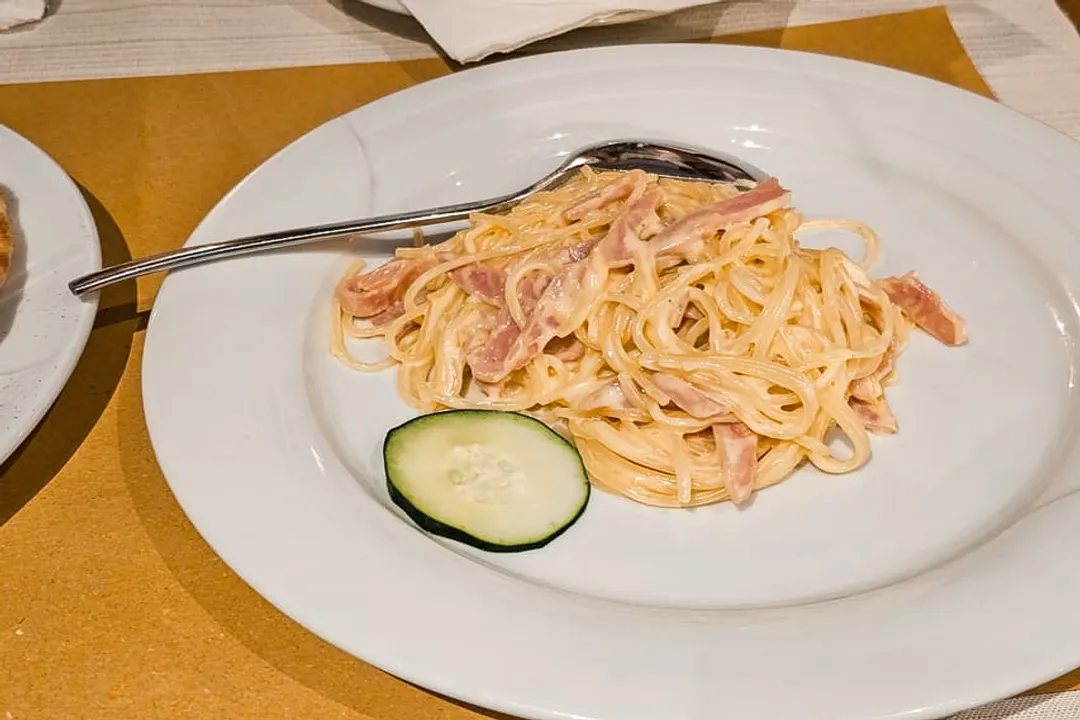
The foundation of traditional Slovenian cooking often leans heavily on ingredients from colder climates and agricultural staples like buckwheat, cornmeal, root vegetables, and various forms of dough-based preparations that predate the widespread adoption of durum wheat pasta. [5] For instance, dishes rooted in the pre-Alpine or Pannonian regions frequently feature preparations involving sour milk, sauerkraut, or rich meat bases served alongside dumplings or thick, savory porridges. [2] It is important to recognize that the traditional Slovenian starch often takes the form of a dumpling, like krapi (a type of ravioli, though often classified separately) or the myriad forms of štruklji, which serve a similar purpose to Italian pasta by acting as a vehicle for sauces or fillings. [1]
# Starch Variety
The central starch component in many classic Slovenian meals differs significantly from the boiled, slender shapes we associate with Italian cuisine. Consider ričet, a barley stew, or žganci, a type of porridge made from cornmeal or buckwheat. [5] These dishes represent the historical backbone of the diet, particularly in rural and colder areas, providing dense, satisfying calories. [2]
If we were to map the culinary territory, traditional Slovenian cooking seems to prioritize fillings and textures achieved through folding or rolling dough, rather than the simple boiling and saucing of extruded pasta shapes. For example, while idrijski žlikrofi are small dumplings, often mistaken for ravioli, their specific preparation, filling (often potato-based), and serving method make them distinctly Slovenian, even if the concept of a filled pocket of dough is universal. [1] This contrast highlights an interesting structural difference: when a traditional Slovenian dish looks like pasta (like a filled dumpling), it is usually treated and prepared with local methodology, serving the function of a main carbohydrate accompaniment. [5]
# Italian Influence Proximity
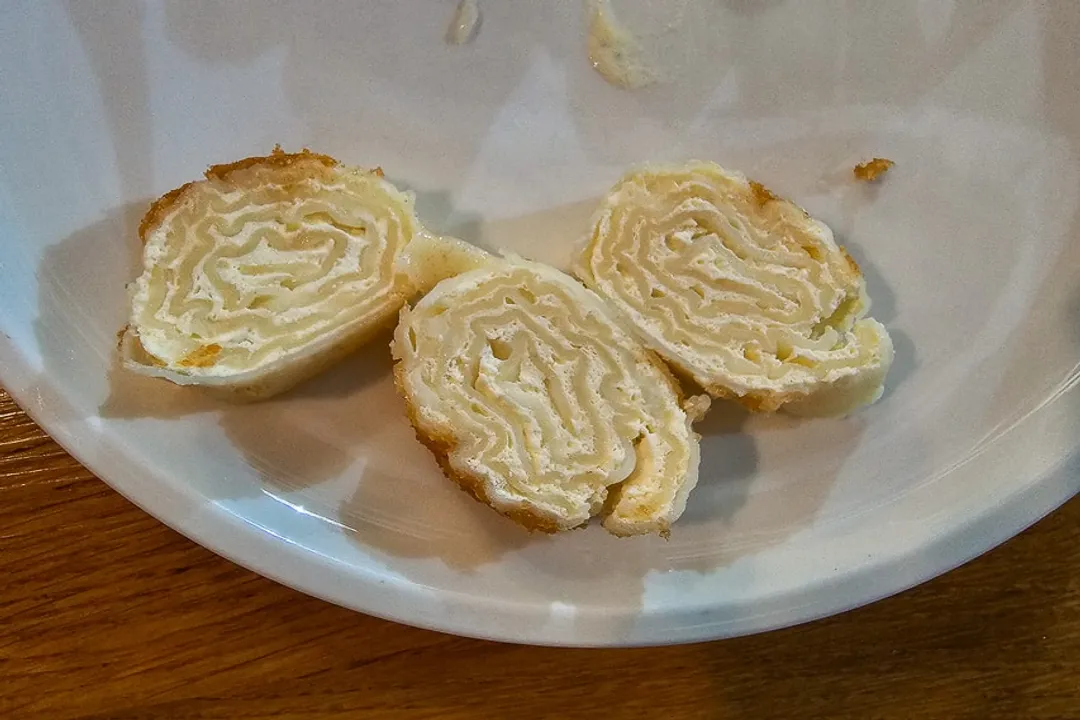
Geographical reality plays a huge role here. Slovenia shares a significant border with Italy, particularly in the western regions. This proximity means that Italian culinary habits have naturally seeped into Slovenian gastronomy, especially in areas like the Littoral. [1] When compared to landlocked countries further east, Slovenians have had greater and more direct exposure to Italian culinary trends over centuries. [2]
This proximity means that ordering pasta in Slovenia is not an anomaly; it is an expected part of the modern dining landscape. A casual query online about Slovenian food often yields recommendations that include Italian staples alongside native ones, suggesting integration rather than exclusion. [3]
It's worth noting that while pasta is certainly consumed, the frequency might differ based on regional identity and personal preference. For many Slovenes, a meal featuring Italian pasta might be seen as a lighter lunch or a modern weeknight option, whereas a truly "Slovenian" celebratory or traditional meal is more likely to revolve around the aforementioned dumplings, hearty soups, or dishes like bograč goulash. [2][9] This pattern of culinary adoption is common in borderlands; the imported cuisine becomes normalized but rarely completely displaces deeply ingrained, historically significant starch bases. [1] If you look at a table of common dishes eaten by Slovenians, you might see Slovak counterparts like halušky (potato dumplings) listed alongside Slovenian staples, but the sheer ubiquity of Italian-style pasta in the modern global diet ensures it is present in Slovenian supermarkets and menus. [9]
# Dining Scene
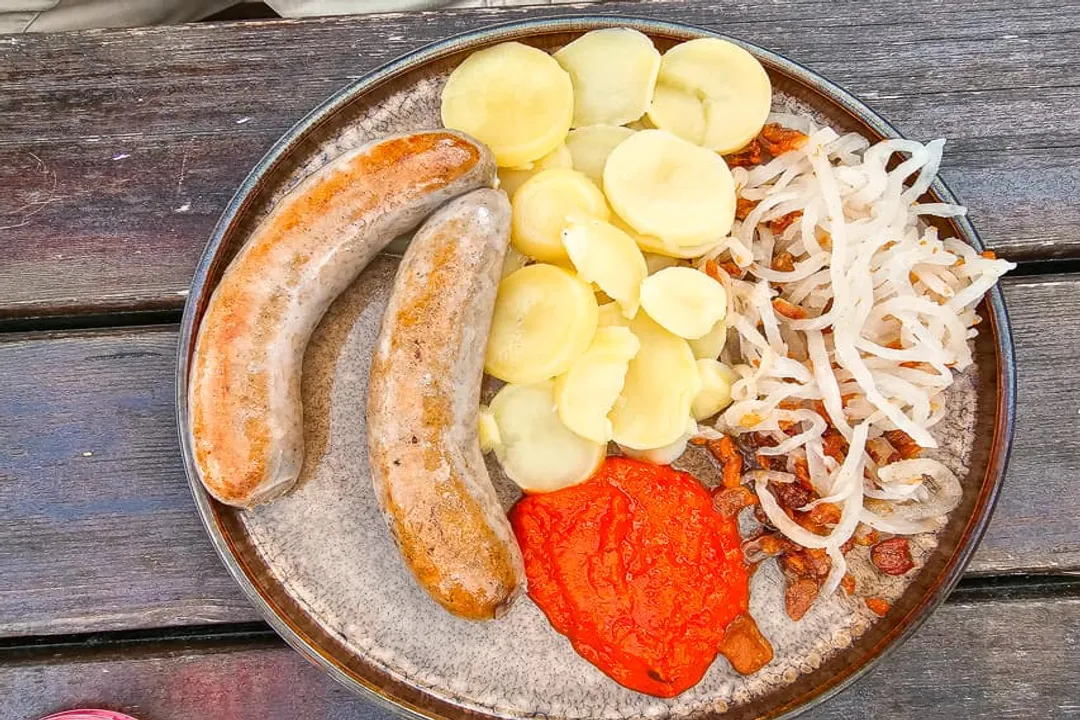
The clearest evidence that pasta is eaten in Slovenia comes from the sheer availability of establishments dedicated to it. A search for restaurants specializing in pasta in Slovenia confirms that this is a recognized and catered-to food category. [6] This suggests that pasta is treated less as an "ethnic curiosity" and more as an accepted part of the broader, modern European diet available to consumers.
When diners seek out pasta, they are often looking for specific preparations—spaghetti, penne, or perhaps gnocchi (which bridges the gap between true pasta and traditional dumplings). [1] Restaurants dedicated to pasta preparation indicate a market demand that goes beyond simple home cooking or adoption of a single foreign recipe; it points to the establishment of Italian-style dining as a standard offering. [6]
If one were to look at social media discussions among locals seeking advice on cuisine, the responses frequently oscillate between firmly defending very specific traditional dishes and acknowledging the modern reality. For example, someone might enthusiastically suggest Idrijski Žlikrofi as the national pride, while another might counter that on a given Tuesday, a simple penne dish is just as likely to be on the family dinner table. [3][7]
# Local Adaptation Insight
An interesting observation when comparing traditional Slovenian starches to Italian pasta is the texture and absorption rate. Traditional starches like ričet or buckwheat žganci are designed to absorb heavy, slow-cooked liquids and fats, often creating a cohesive, almost porridge-like final product. Italian pasta, especially when cooked al dente, maintains structural integrity to be tossed in lighter, faster-moving sauces. This difference in starch behavior dictates how the carbohydrate is treated—the former is often slow-simmered with the main ingredients, while the latter is finished with the sauce. This fundamental difference in cooking philosophy means that while Slovenians eat pasta, they likely maintain distinct cooking techniques for their indigenous grain and dumpling dishes. [5]
# Modern Consumption Patterns
The consumption of pasta in Slovenia today is likely characterized by dualism: adherence to tradition at holidays or family gatherings, and convenience/international flair during the week. [2] Think of it like this: a visit to a gostilna (traditional inn) in the countryside might prominently feature pork roast with ajdovi žganci, whereas a bistro in Ljubljana might have three pages dedicated to various pasta dishes, some purely Italian and some perhaps fused with local ingredients like mushrooms or pumpkin seed oil. [1][3]
The modern Slovenian palate has fully integrated the versatility of dried pasta shapes. They are inexpensive, quick to prepare, and can pair with anything from a quick tomato sauce to the richer, meat-based gravies common in Central Europe. [2] This adaptability is why pasta has successfully crossed cultural boundaries globally, and Slovenia is no exception to this trend. [9]
# Actionable Tip for Visitors
When visiting Slovenia, if you want to truly understand the local relationship with noodles and dough, try ordering both a designated traditional dish and a pasta dish in separate meals within the same region. For example, in the Julian Alps region, compare štruklji served with browned butter and breadcrumbs against a locally-sourced ravioli dish. You will likely notice that the traditional item is richer, denser, and uses local dairy or herbs more heavily, while the pasta preparation might lean on the Italian tradition of olive oil or tomato acidity, even if the filling incorporates a local cheese. This direct comparison illustrates the cultural layering present in the modern Slovenian kitchen. [1][2]

# Comparing Regional Foods
The culinary map of Slovenia is often divided into four main regions: Pomurska, Podravska, Central Slovenia, and the Coastal/Karst area. [2] The influence of pasta is probably strongest in the west, bordering Italy, as noted, but also present in urban centers where international influences mix freely. [3]
Conversely, the eastern and northern regions, which historically had stronger ties to Hungarian or Austrian cooking styles, might see dishes that lean more towards noodle soups or even the integration of noodles into heavier stews, rather than distinct, sauce-driven Italian pasta courses. [1][9] This regional variation is key: pasta is not a monolith across Slovenia, but rather its acceptance level shifts depending on the historical gravity of its Italian neighbor versus its Pannonian or Alpine heritage. [2]
Ultimately, the answer to whether Slovenians eat pasta is an undeniable yes. However, it exists alongside, rather than replacing, a deep and proud tradition of indigenous starch preparations. The contemporary Slovenian plate reflects a happy, pragmatic combination of what their ancestors cultivated and what their Italian neighbors shared. : [3][6][1] Thereandbackagaintravel.com/slovenian-food/: [2] Enrichingpursuits.com/slovenian-food/: [3] Reddit.com/r/Slovenia/comments/15hpdib/i_need_advice_on_slovenian_cuisine/: [4] Youtube.com/watch?v=WgvwRopub5Y: [5] Theunknownenthusiast.com/traditional-slovenian-foods/: [6] Tasteatlas.com/slovenia/pasta/restaurants: [7] Facebook.com/groups/437366979958942/posts/2436204626741824/: [8] Youtube.com/watch?v=n6yg_A7PaKg: [9] Quora.com/What-are-some-common-dishes-eaten-by-Slovenians-and-Slovaks
#Videos
What Do SLOVENIA People Eat? Traditional Slovenia Food
Pasta Grannies visits Slovenia!
Related Questions
#Citations
Traditional Slovenian Food – What to Eat in Slovenia
Best Slovenian Food: 12 Must Try Local Dishes
I need advice on Slovenian cuisine : r/Slovenia
What Do SLOVENIA People Eat? Traditional Slovenia Food
18 Traditional Slovenian Foods You Must Eat in Slovenia
The best traditional restaurants serving pasta in Slovenia
What are must-have Slovenian dishes to try in Bled, Bovec ...
What are some common dishes eaten by Slovenians and ...