Can you eat Cornu aspersum?
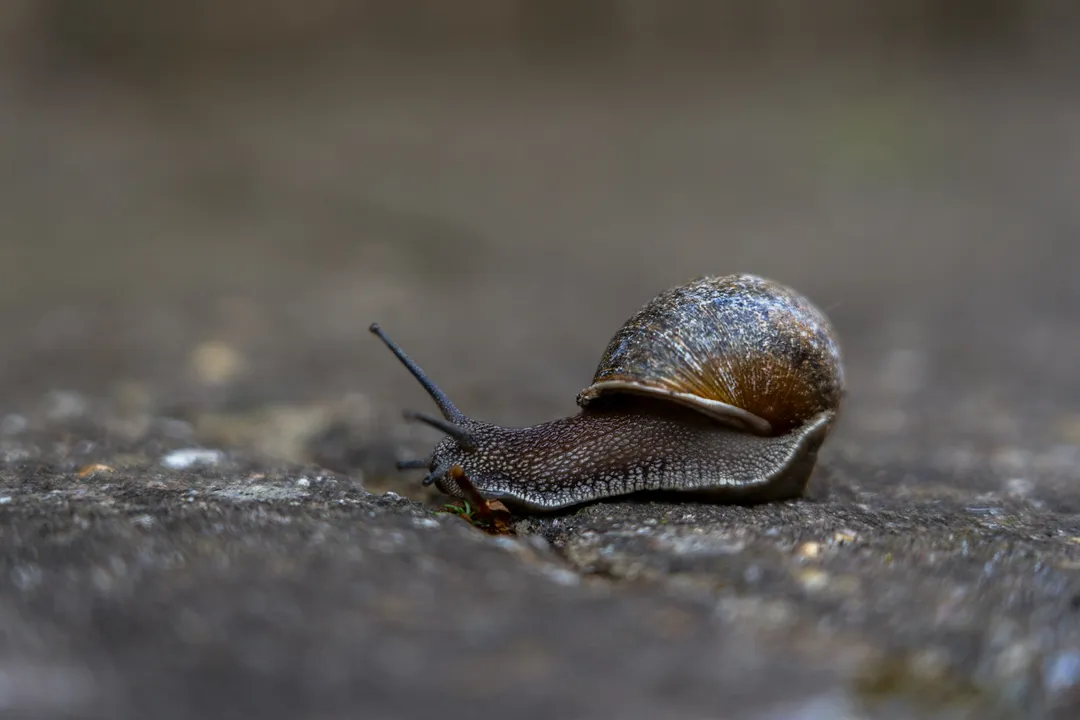
The question of whether one can safely consume the common garden snail, scientifically known as Cornu aspersum, brings together culinary tradition, pest control efforts, and significant food safety concerns. This particular mollusk, widely recognized across many regions as the European brown snail, is certainly eaten by people, often being referred to as a type of escargot. [1][7] While the classic French preparation usually involves the larger Roman snail (Helix pomatia), Cornu aspersum has found its way onto dinner plates worldwide, sometimes out of necessity when managing garden infestations, and sometimes by culinary design. [1][2][7] One individual who documented consuming a garden snail reported finding the experience surprisingly positive. [9]
# Species Identity
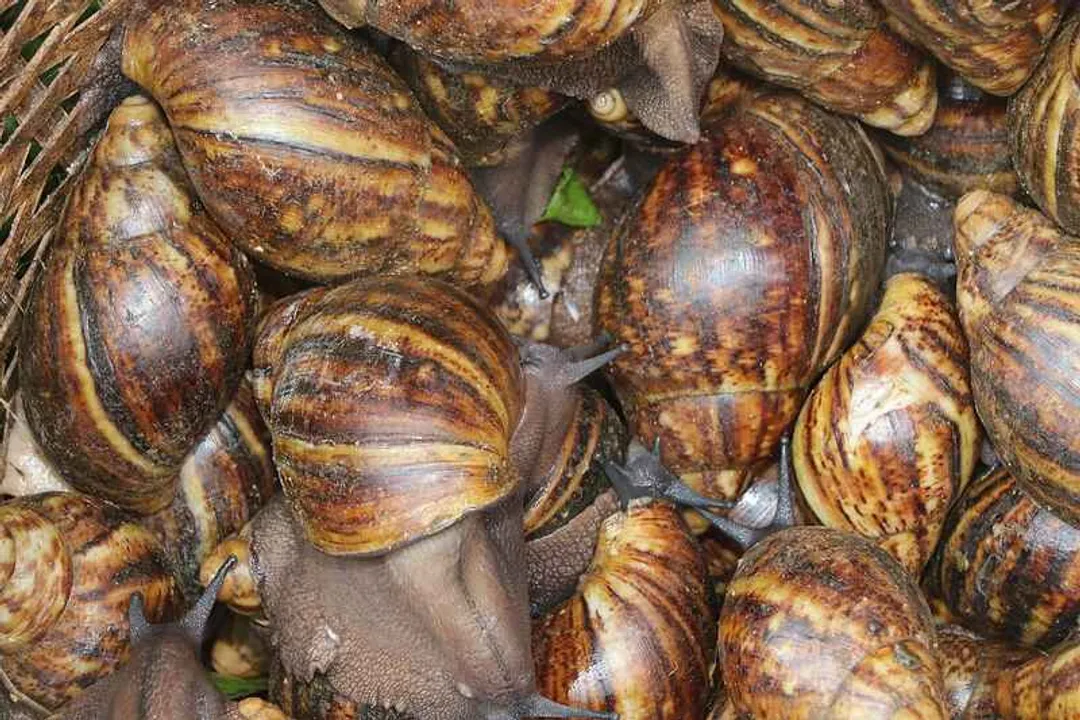
The European brown snail, or Cornu aspersum, is a terrestrial gastropod mollusk native to Europe and the Mediterranean basin. [7] Due to its adaptability and successful introduction elsewhere, it has established itself globally and is perhaps the most recognized snail species in gardens across the world. [7] It is frequently called the brown garden snail. [2][7] As a herbivore, its diet consists primarily of plants, making it a significant pest for gardeners who see their vegetable patches and ornamental flowers decimated. [1][2] In many locales, managing their population is an active chore for homeowners. [2] Outside of gastronomy, these snails have a modern application in the cosmetic industry, where their mucin secretions are valued in skincare products. [7]
# Culinary Context
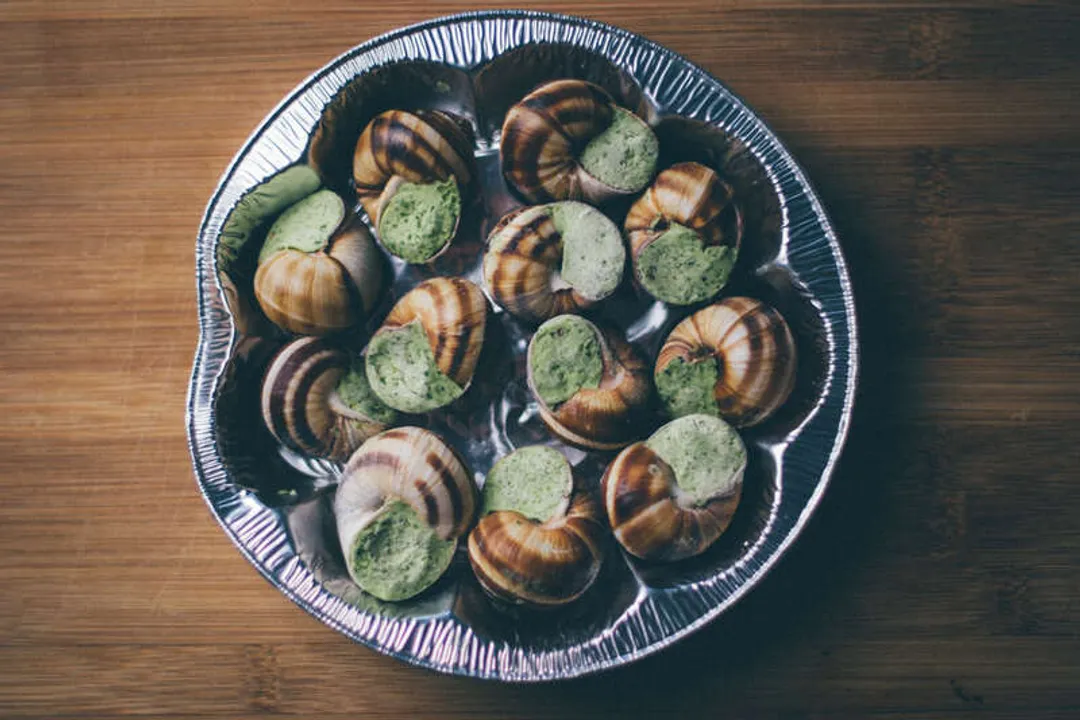
The practice of eating snails is not new; mollusks have been a part of the human diet in many cultures for centuries. [1] When people discuss eating Cornu aspersum, they are typically engaging with two separate motivations: utilizing an invasive species as a food source, or attempting to replicate traditional escargot dishes. [1][7] In regions where these snails are abundant and damaging to crops, consumption becomes a practical method of population control. [1] Those raising snails for food, known as heliciculture, often focus on species like Cornu aspersum because they are easy to breed and adapt well to controlled environments. [7]
When approaching this snail as food, the primary distinction from commercially raised escargot relates to sourcing. One might find discussions online regarding the best way to feed backyard snails to prepare them for eating, [4] sometimes suggesting feeding them specific greens like lettuce or mushrooms. [4] However, this process immediately highlights the inherent difference between wild-caught and farmed specimens. While a home harvester manages the purging process themselves, an established commercial farm already controls the environment and feed from birth, theoretically minimizing exposure to unknown contaminants. [7] This difference in origin drastically impacts the perceived safety profile of the final product, making a conscious choice about where the snail originated crucial before it ever reaches the kitchen. [1]
# Health Risks
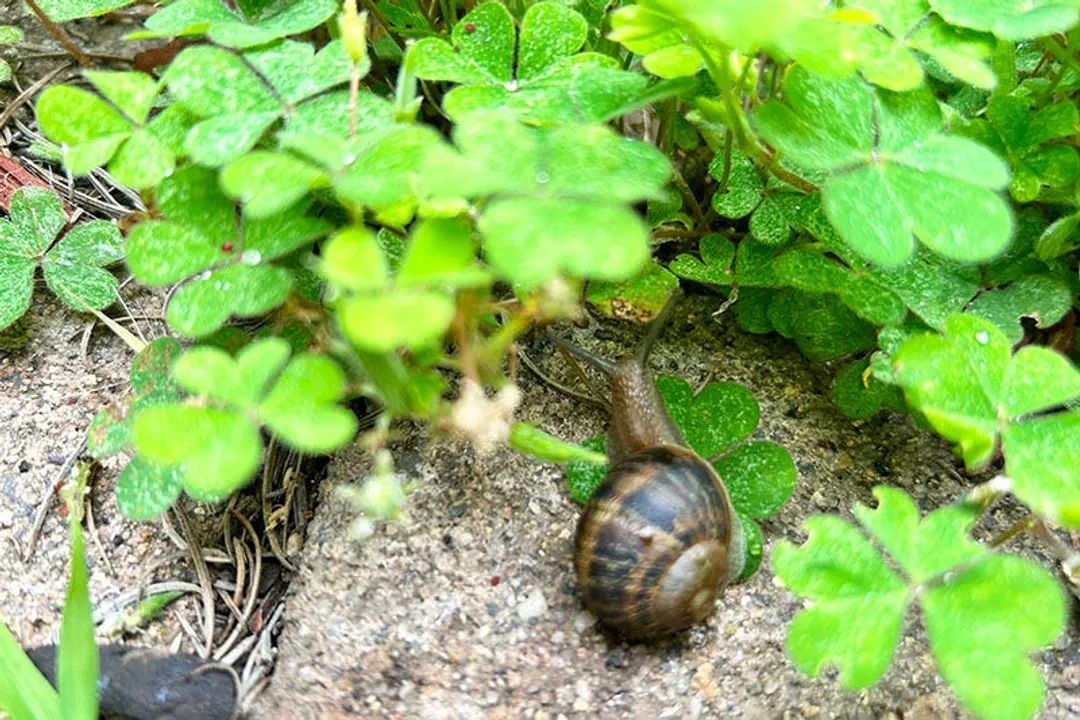
The main obstacle to eating Cornu aspersum found casually in the garden centers on potential biological hazards. Snails are intermediate hosts for several parasites, and ingesting them raw or improperly cooked poses a serious risk to human health. [3] The most concerning parasite associated with consuming infected snails is Angiostrongylus cantonensis, often called the rat lungworm. [3] If consumed live or undercooked, this parasite can migrate to the human central nervous system, potentially causing eosinophilic meningitis, which can lead to severe symptoms. [3]
Beyond parasites, environmental factors pose a significant threat. Since snails consume whatever vegetation is available, they accumulate toxins present in their environment. [4] If a snail has been feeding on plants treated with herbicides, pesticides, or fungicides, these chemicals will be present in its tissues. [4] Unlike simple dietary contamination that purging might correct, chemical residue buildup is a serious concern, especially if the snail was collected from an area subject to routine landscaping treatments. [4] Furthermore, the general presence of snails in an area, even if not intended for consumption, can introduce risks; for instance, general discussions on snail health note that they can carry various bacteria and other pathogens. [3]
# Preparation Protocol
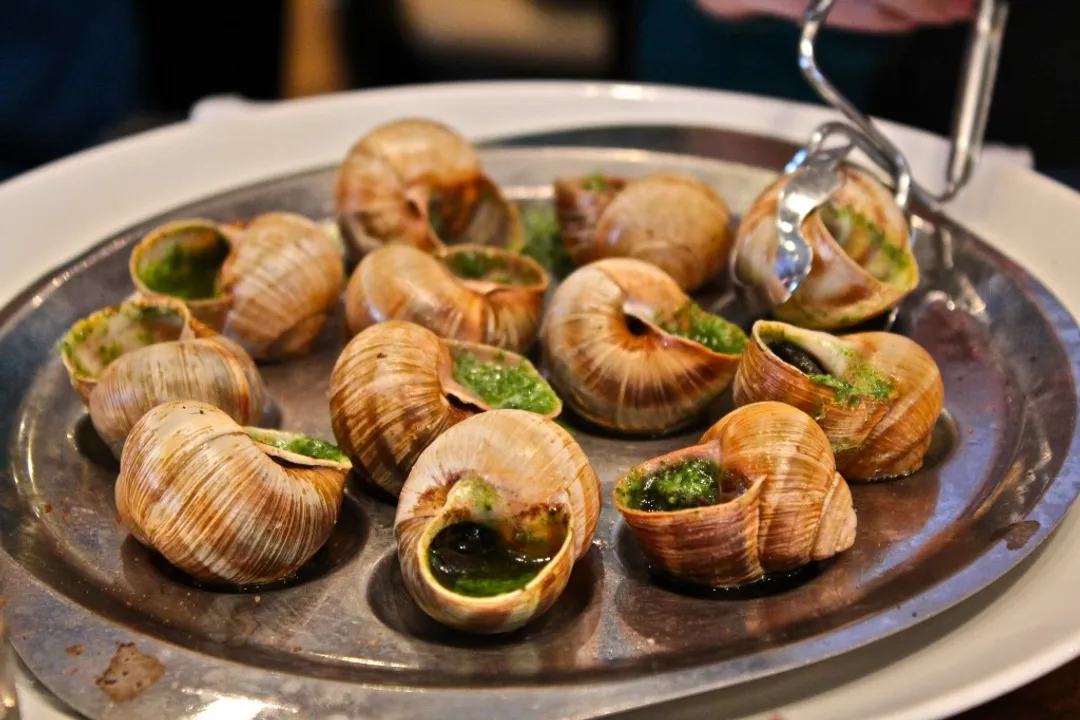
Because of the inherent risks associated with wild snails, proper handling and preparation are not suggestions but absolute necessities if one intends to eat them. [1][3] The process can be summarized into two critical phases: purging and cooking.
# Snail Purging
Purging is the practice of feeding the collected snails a clean, controlled diet for a specific duration to allow them to evacuate whatever toxins or unclean matter they consumed in the wild. [1] This process is designed to clean out the digestive tract. [1] While sources suggest feeding them things like lettuce or mushrooms, [4] the duration of this fasting/cleaning period is vital and needs to be strictly adhered to. In a setting where the snail's wild diet is completely unknown, extending the purge period—perhaps beyond what is typically recommended for laboratory stock—is a safety consideration that a home preparer must weigh. [1]
# Cooking Thoroughly
Once purged, thorough cooking is the final barrier against biological threats, specifically destroying any remaining parasites or bacteria. [3] This means that eating them raw, even after purging, is strongly discouraged. [3] The methods used to prepare escargot—often involving boiling, baking, or simmering in butter and herbs—are effective because they apply enough heat to sterilize the meat. [1] Any method chosen must ensure the snail reaches a safe internal temperature that denatures any potential pathogens.
# Feeding Habits
Understanding what Cornu aspersum eats helps to contextualize the difficulty of preparing wild snails safely. These creatures are not selective eaters; they consume a wide variety of living and decaying organic matter. [4] In a garden setting, their diet is highly variable, dictated by what is available, which often includes tender shoots, developing vegetables, and sometimes even fungi. [1][4] For those raising snails, whether for culinary use or research, managing their diet is key to their health and the safety of those who might consume them. [4] Discussions within snail-keeping groups often revolve around providing balanced nutrition, covering leafy greens, vegetables, and calcium sources. [4][5] When a snail is eating, it is taking on the characteristics of its immediate environment, which is why relying on a snail collected from an unknown, unmanaged environment—even one that looks pristine—carries an assumption of risk that a controlled, fed diet mitigates significantly. [3][4]
# Harvesting Considerations
For someone looking to turn a garden nuisance into a meal, the logistical steps must address both pest management and food safety concurrently. If you are dealing with a severe infestation, the sheer volume of snails might make harvesting seem worthwhile. [2] However, considering the effort required for successful purging and the necessity of absolute certainty regarding the absence of chemical treatments in their recent diet, the practicality of eating wild-caught Cornu aspersum often tilts toward caution. For the casual forager, the risks associated with environmental contamination are often too difficult to definitively rule out compared to the known safety record of snails sourced from dedicated, monitored farms. [1][3] A safe approach demands treating every wild-harvested specimen as potentially hazardous until proven otherwise through rigorous purification and cooking, a standard that is difficult to verify outside of commercial operations. [1][7]
Related Questions
#Citations
Eating the Enemy: The European Brown Snail
Can You Eat Garden Snails?
Are garden snails harmful to humans?
What is the best to feed Cornu aspersum? : r/snails
Are California garden snails safe to eat? I have doubts ...
Garden Snail
The Double Life of the Brown Garden Snail
Garden Snail - The Australian Museum
I ate a garden snail & I... liked it?