What worms do Mexicans eat?
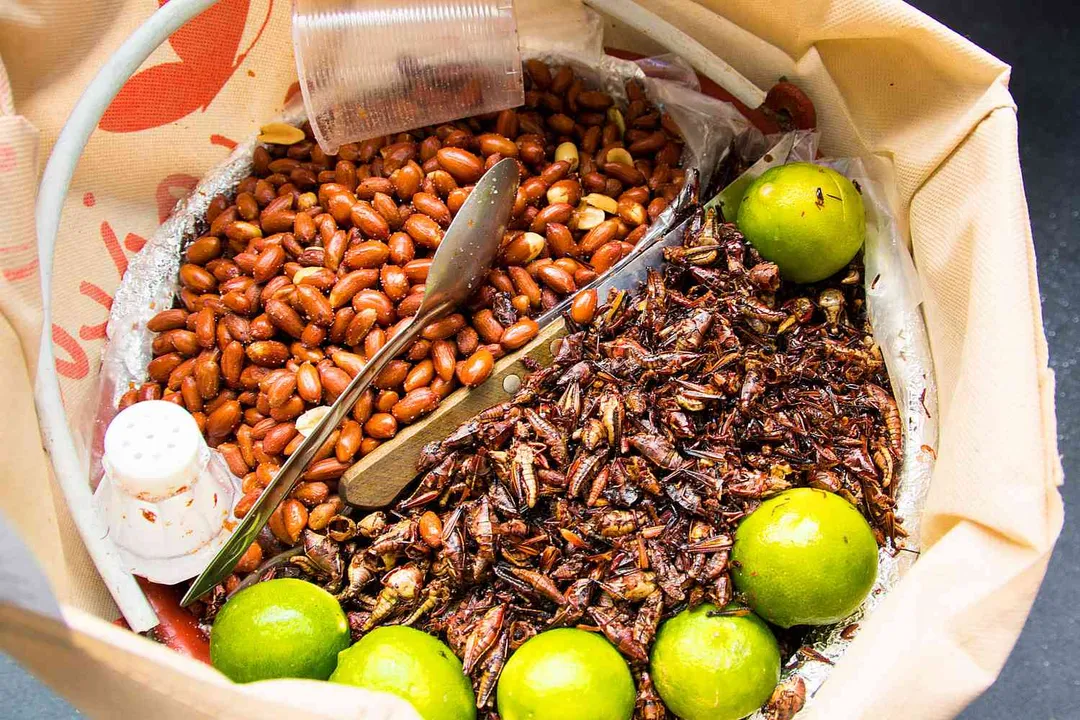
Mexican cuisine is globally celebrated for its depth, diversity, and ancient roots, extending far beyond the familiar tacos and enchiladas. Within this rich culinary landscape lies an intriguing tradition of entomophagy—the practice of eating insects—which remains a cherished and sometimes costly delicacy, particularly when it comes to worms. [1][5] While the idea might startle some diners, various types of worms and grubs have been consumed by people across Mexico for centuries, playing roles both as essential protein sources and as high-end appetizers. [10] The most famous among these edible arthropods is undoubtedly the gusano de maguey, often called the maguey worm or agave worm. [2][4][7]
# Maguey Grubs
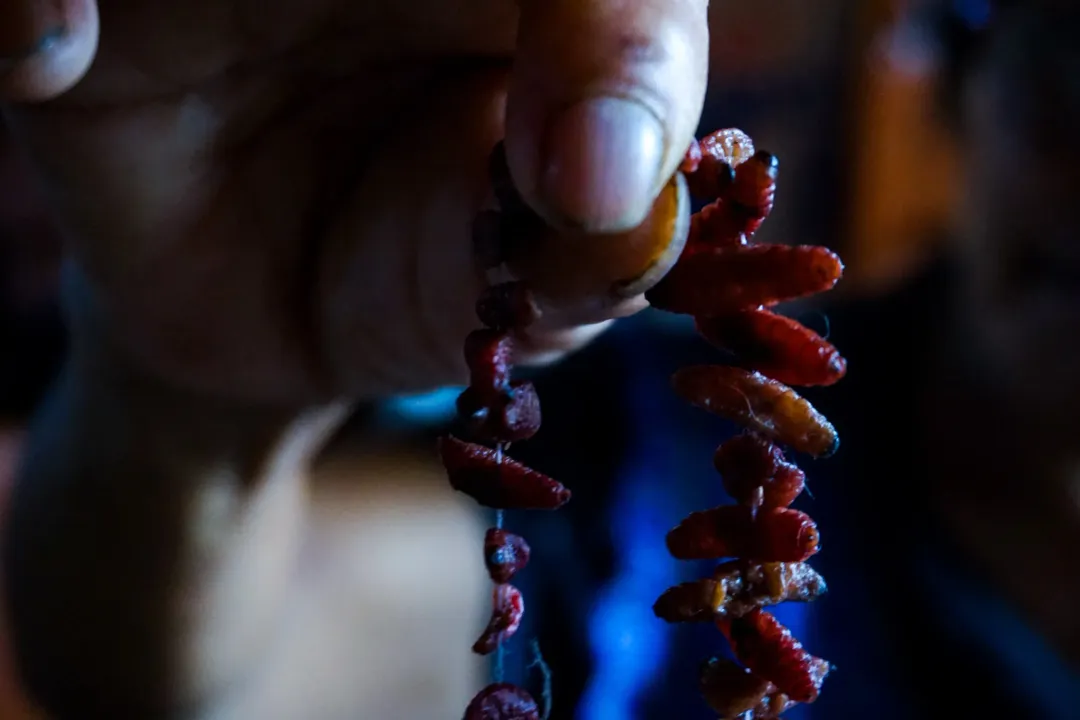
The primary edible worm associated with Mexican gastronomy is the gusano de maguey, which is actually the larva of two different species of moth that inhabit the agave plant—the very same plant central to producing mezcal and tequila. [2][3][7] These are not merely generic grubs; their identity is linked directly to their host, the Agave americana or Agave salmiana. [4]
There are two distinct types of these worms, often differentiated by color and habitat within the plant, which affects their flavor and market value. [4]
The first type is the gusano blanco (white worm). This grub lives in the heart or piña of the agave plant itself. [4][7] Because they feed on the sweet core of the mature plant, these white larvae are often described as having a richer, slightly sweeter flavor, perhaps subtly tasting of the agave itself. [4]
The second type is the gusano rojo (red worm). These are found in the leaves, or pencas, of the agave. [4] The red worms tend to have a more pungent, earthy, or savory flavor profile compared to their white counterparts. [4] Understanding which worm is being served can significantly alter the tasting experience, much like knowing if you are eating a wild mushroom versus a cultivated one.
# Sourcing and Harvest
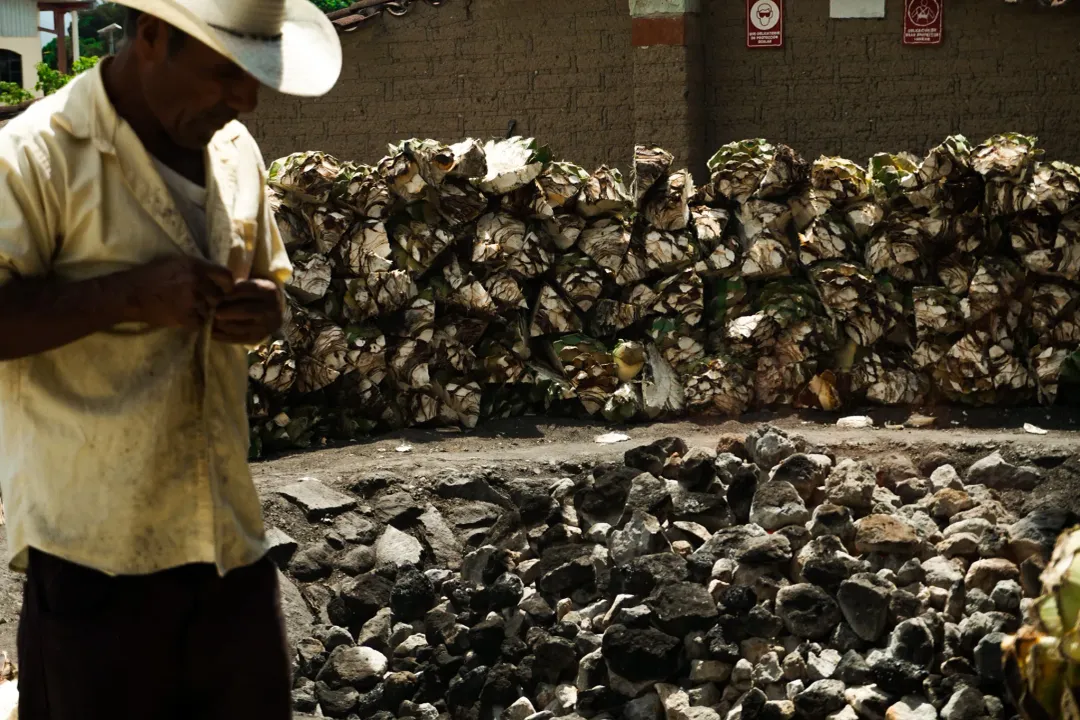
The process of obtaining these worms is far from industrialized, contributing to their status and cost. [9] Harvesting requires specific knowledge of the agave plant, as the larvae bore through the fibrous material. [4]
When the agave is ready to be harvested for distillation or consumption, workers must carefully split the plant open to find the grubs. [4] This traditional, labor-intensive method means that fresh, high-quality worms command a significant price in markets, sometimes fetching high prices for a small amount. [9] In Oaxaca, where insect consumption is widespread and traditional food tours often highlight these items, one can find these delicacies prepared fresh. [6] The effort involved in finding and carefully extracting these larvae, rather than mass-farming them, is what lends them their prestige in certain culinary circles. [9]

# Preparation Styles

Mexican cuisine showcases remarkable ingenuity in preparing these worms, ensuring the final product is texturally appealing and flavorful, moving far past the initial squeamishness many outsiders feel. [1][5] The preparation method dramatically influences the taste and texture.
Dry Heat Methods:
The most common and accessible preparation involves roasting or frying. [4]
- Toasting: The worms, often cleaned and sometimes dried first, are toasted over a comal (a flat griddle) until they become crispy. [4] This process removes moisture and intensifies the flavor.
- Frying: Deep-frying until golden brown and crunchy is another popular technique.
When served dry (toasted or fried), the worms are often seasoned simply with ingredients that complement their natural flavor, such as chile, lime juice, and salt. [1][4][5] They are enjoyed as a snack or botana (appetizer), frequently paired with drinks. [4] If you encounter them prepared this way, the texture is often likened to a crunchy potato chip or a nutty crisp.
Integration into Dishes:
The worms are not always eaten alone. They can be incorporated directly into staple dishes to add texture and flavor complexity. [1]
- Tacos: They can be folded into warm corn tortillas. [1]
- Salsa: Ground or finely chopped worms can add a savory, umami depth to salsas. [5]
A helpful tip for a first-time taster is to start with the gusano blanco prepared lightly toasted and seasoned only with salt and a squeeze of fresh lime. This allows you to discern the subtle, inherent sweetness of the agave-fed larva before moving on to heavily spiced or fried preparations. [4]
# The Spirit Connection
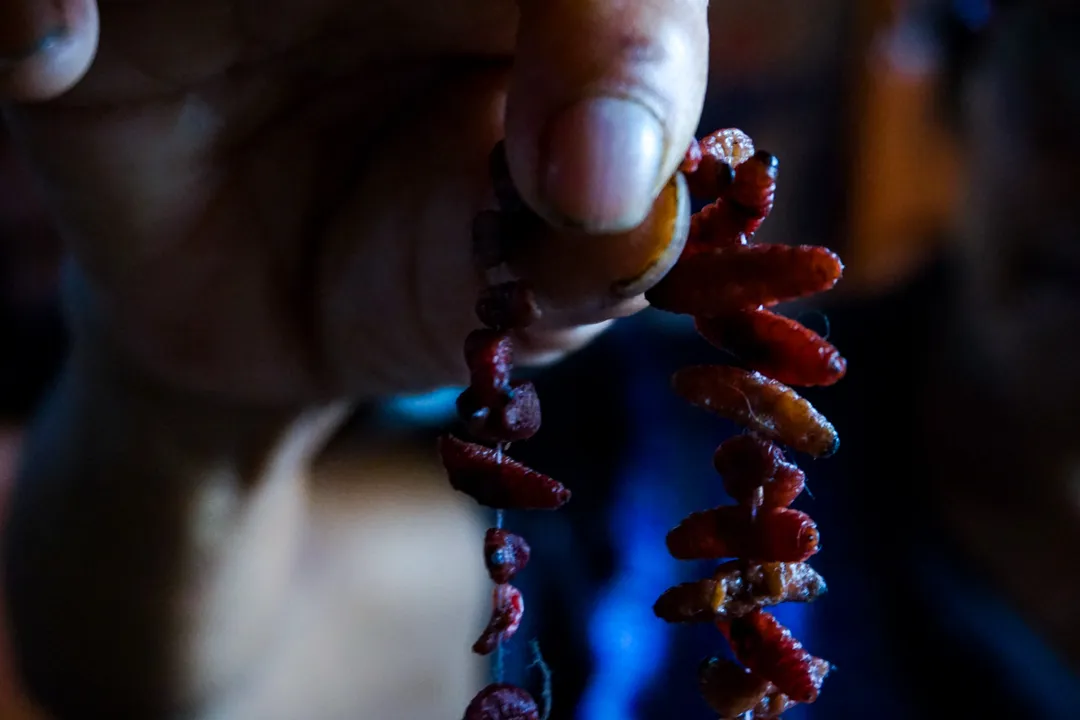
The maguey worm is inextricably linked to the world of Mexican spirits, particularly mezcal. [7][8] This connection is so strong that many people outside Mexico primarily associate the worm with the liquor bottle itself. However, the reality is nuanced.
The worm found inside a bottle of tequila or mezcal is actually a commercial marketing gimmick, though it does have historical roots. [7] The practice of placing a worm in the bottle—often a species of moth larva—was originally a way to signify that the spirit was made from maguey (agave) rather than sugarcane ethanol, acting as a quality marker centuries ago. [7][8] While some producers still do this for specific, high-end mezcals, it is not standard practice for most mezcals, and it is almost never done with tequila. [7][8]
The worm actually associated with the plant and traditional eating is the gusano de maguey described earlier. Some traditionalists claim that eating the worm alongside a sip of mezcal enhances the spirit's flavor profile, suggesting that the earthy, savory notes of the insect complement the smoky character of the spirit. [7][8]
# Broader Edible Arthropods
While the gusano de maguey dominates the conversation about edible worms, it is important to recognize that the consumption of insects in Mexico is much broader, often encompassing other larvae and grubs. [1][5] The cultural context suggests that if one type of insect is accepted, others often are too, especially in regional centers of gastronomy like Oaxaca. [6]
For instance, escamoles, often called "Mexican caviar," are the edible larvae or pupae of ants, typically found in the roots of the agave or maguey plant. [1][5] Escamoles are creamy, buttery, and extremely expensive, contrasting sharply with the crunchy texture of the toasted gusano. [1][5]
Another well-known item is the chapulín (grasshopper). [1][5] Unlike the subterranean or plant-dwelling worms, these are typically caught in fields, dried, and heavily seasoned with garlic, lime, and chile before being eaten as a crunchy topping or snack. [1][5] This difference in habitat—the worm in the agave versus the grasshopper in the field—leads to distinct flavor profiles that appeal to different palates.
# Market Value Insights
The price disparity between different types of edible insects highlights a local hierarchy of perceived value, which is fascinating to observe in regional markets. [9] While chapulines are generally abundant and therefore more accessible as a daily snack, the gusano de maguey holds a higher, more esteemed position. [9]
A notable point of comparison arises when considering the white versus the red worm. In certain areas, the gusano blanco that feeds on the piña (the heart, also used for distillation) is valued higher than the gusano rojo found in the leaves. [4] This price difference likely reflects the effort in harvesting the heart versus the leaves, and perhaps the perceived superior flavor of the heart-fed grub. [4] If you are looking to appreciate the traditional hierarchy, seek out the gusano blanco served simply toasted. [4] The expense associated with acquiring these creatures suggests they are often treated as celebratory foods or tourist attractions rather than staple nutrition for the average household today, though they certainly served that role historically. [9]

# Cultivating Appreciation
For visitors wanting to engage respectfully with this culinary tradition, a few considerations can enhance the experience. Moving past the visual presentation requires understanding the intended texture. A worm served crunchy (fried or toasted) is meant to be eaten whole, providing a satisfying snap. [4] Conversely, if a worm appears soft or is served in a sauce or salsa, it is intended to blend its flavor into the dish rather than provide a dominant texture. [5]
Furthermore, while most modern commercial operations will clean and prepare the insects thoroughly, when purchasing from smaller, local markets, particularly those specializing in traditional preparations, it's wise to confirm the preparation method. A good vendor will happily explain whether the worms have been purged (fed only clean ingredients before harvest) and thoroughly cooked, ensuring safety and the best flavor experience. [6] This respect for preparation is key to appreciating why these insects remain integrated into the sophisticated eating culture of places like Oaxaca. [6]
Related Questions
#Citations
Learn About Some of Mexico's Edible Insects - The Spruce Eats
Maguey Worm - Gastro Obscura
Maguey worm - Wikipedia
Gusanos de Maguey (Agave Worms), a Mexican Appetizer in Leon ...
A feast of Mexican edible bugs! - Cocina Corazón
The 4 Edible Insects You Have To Try - Oaxaca Eats Food Tours
What's The Real Story Behind the Worm in the Tequila Bottle?
The Worm in the Mezcal is at the Heart of Oaxacan Tradition
Paying Dearly for Eating Worms | Life in Mexican Colours
A Diet of Worms - The Lost Supper, from Taras Grescoe - Substack