What cereal has the most health benefits?
The breakfast aisle presents a daunting landscape where marketing often obscures nutritional facts, making the search for the single healthiest cereal feel like deciphering code. While many options boast terms like "whole grain" or "natural," the true benefit lies hidden in the nutrition panel and the ingredient list. Expert consensus generally moves away from brightly colored, highly processed boxes toward options rooted in minimally altered grains, focusing specifically on maximizing fiber and minimizing added sugar content.
# Label Metrics
Determining a cereal's health profile requires adherence to specific quantitative guidelines championed by nutrition professionals. A solid benchmark for a beneficial serving is the "Rule of 5," suggesting a cereal should ideally deliver five or more grams of protein and five or more grams of fiber, while keeping added sugar to five grams or less. A slightly looser standard, the "Rule of 3," still insists on at least three grams each of protein and fiber per serving, though this leaves more room for sugar.
Equally important is the ingredient declaration. For a cereal to truly qualify as a good source of whole grains, one of the primary components listed must be a whole grain—such as whole wheat, whole oats, or bran. If refined grains, like white flour or degerminated cornmeal, appear near the top, the processing has stripped away much of the inherent fiber, vitamins, and minerals, resulting in quicker digestion and a potentially higher glycemic impact. For individuals monitoring cardiovascular health, keeping sodium levels below 5 percent of the daily value is also a critical factor.
# Whole Grain Staples
When nutritionists compile lists of the most virtuous boxed cereals, simplicity of ingredients often wins out. Cereals that are essentially just the grain itself, perhaps with minimal additives, frequently top these rankings.
Shredded Wheat, in its unsweetened form, stands out as a pure example. For instance, a half-cup serving of Post Shredded Wheat provides approximately 6.08 grams of dietary fiber and a negligible 0.441 grams of sugar. This cereal relies on whole wheat for its structure and fiber contribution.
Another frequently cited option is Grape Nuts. This crunchy cereal manages to deliver significant fiber—about 7.54 grams in a half-cup serving—while keeping sugar relatively contained at around 5.14 grams. Its density means a small serving goes a long way in terms of texture and satisfaction.
A historically pure option that meets strict criteria is Uncle Sam Original Wheat Berry Flakes. This cereal is remarkable for containing only four ingredients: whole grain wheat, flaxseed, barley malt, and salt, boasting 10 grams of fiber and no added sugar per three-quarter cup serving.

# Fiber Powerhouses
For those prioritizing digestive health and satiety, the cereals that front-load fiber are the clear winners. Bran-based options often provide the highest concentrations. Fiber One Original Bran cereal, for example, is reported to contain a massive 18 grams of fiber per two-thirds cup serving, with no added sugar. Similarly high is Kellogg's All-Bran Original, which delivers 12 grams of fiber for a similar serving size, containing eight grams of sugar.
However, introducing such a large volume of fiber rapidly requires caution. If your current diet is low in fiber, rapidly increasing intake with high-bran cereals can trigger uncomfortable gastrointestinal symptoms like bloating and gas. A measured, gradual approach is essential, and crucially, you must pair this fiber boost with adequate hydration to ensure smooth passage through the digestive system.
# Expert Views Compared
When two experts weigh in on a set of popular cereals, interesting divergences in opinion highlight that "healthiest" can depend on which factors are weighted most heavily. For example, nutritionist Jonathan Valdez ranked Raisin Bran first among nine popular options, noting its high fiber content (7g) and the fact that its significant sugar content (18g total, 9g added) derived from raisins, which contain antioxidants. Conversely, Amy Gorin ranked Raisin Bran third, preferring Honey Bunches of Oats above it, despite the latter having less fiber and protein, because it offered "more healthy poly- and monounsaturated fats" and, critically, less added sugar.
This illustrates a key trade-off: Valdez prioritizes bulk nutrients (fiber/protein) even if sugar is higher due to the source (fruit), while Gorin prioritizes lower added sugar, believing that fiber and protein can be supplemented later via additions like nuts or berries—a component you cannot remove from a pre-sweetened product. For an example of a lower-sugar option, plain Original Cheerios were often cited, providing just 1 gram of sugar and 3 grams of fiber per cup.
# Sweetness Context
The presence of sugar demands scrutiny, especially because many cereals marketed as healthy, like certain granolas, use sugar to help clusters adhere, making them calorically dense, sometimes comparable to a candy bar. When evaluating sugar, it is vital to understand the source. Raisin Bran's sugar comes partly from dried fruit, which offers natural sugars alongside fiber and antioxidants.
To put this into perspective: if a single serving of a fruit-sweetened cereal provides 18 grams of sugar (9g added) alongside 7g of fiber, and you decide to eat an unsweetened, high-fiber cereal (like plain Shredded Wheat with 0.44g sugar and 6g fiber) but then top it with a half-cup of blueberries (which add natural sugars, but also vitamins and more fiber), the final nutritional profile is highly dependent on your additions. If your goal is the lowest possible added sugar intake, the unsweetened base cereal plus measured, whole-food toppings gives you complete control over the final sugar load.
# Porridge and Alternatives
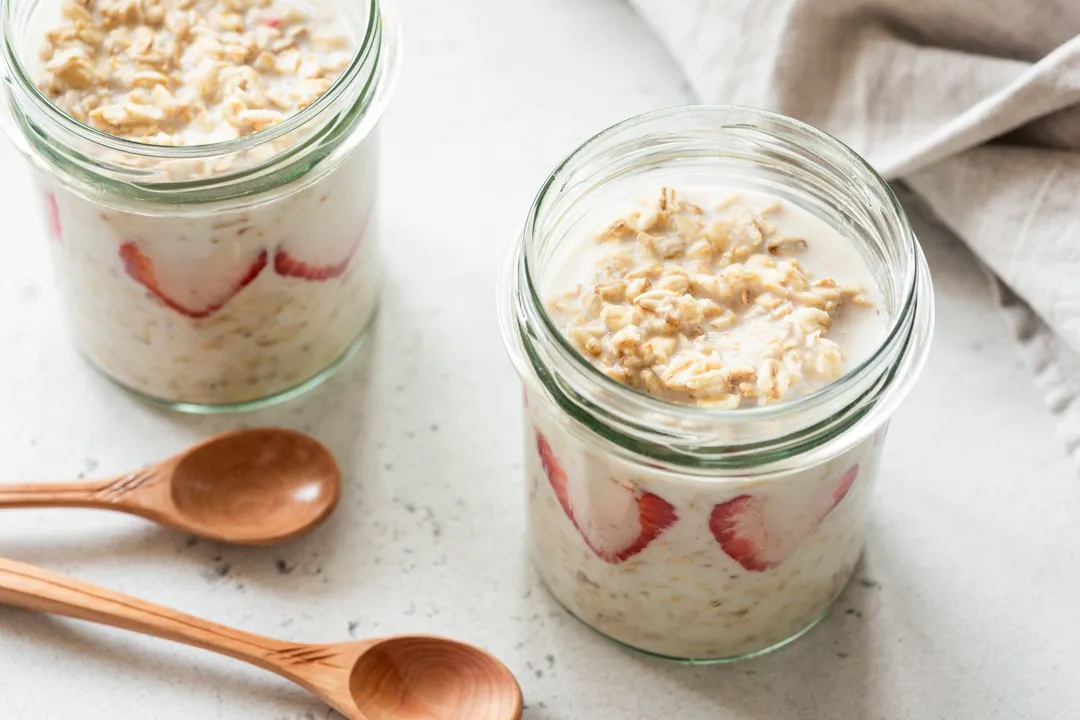
While the query focuses on cereal, many sources naturally pivot to oatmeal as the superior choice, often considered the benchmark for a healthy breakfast grain. Oatmeal, particularly the steel-cut variety, is rich in soluble fiber, known as beta-glucan, which has been linked to blood pressure reduction and improved cholesterol markers. For convenience, old-fashioned or overnight oats provide similar benefits.
For those who prefer cold cereal but seek high nutritional integrity, Muesli without added sweeteners is a strong candidate. Unsweetened varieties often contain oats, nuts, and seeds, providing a substantial fiber base. For example, a no-sugar-added muesli can deliver over 7 grams of fiber in a 60-gram serving. Another interesting option is Puffed Kamut without the sugary coating sometimes seen in commercial puffed cereals, offering a high-volume, low-calorie base that lets you control the sweetener.

# Boosting Nutrition
Since very few commercial cereals perfectly nail the protein, fiber, and low-sugar trifecta, a key strategy involves augmenting the cereal you select. This is where the overall composition of your meal comes into play.
If your chosen cereal is high in fiber but perhaps low in protein (like many pure grain options), simply adding a cup of low-fat milk or a scoop of Greek yogurt can significantly increase the protein content, helping you reach a target of 25 to 30 grams for the entire meal. Nuts, seeds, or nut butter powders can add necessary healthy fats and boost protein, which aids in sustained energy release.
When you are selecting a cereal with a good fiber score—say, aiming for 5 grams per serving—and you know the daily recommendation is around 25 grams for women or 38 grams for men, recognize that the serving size on the box may not align with your actual consumption. If you pour a large bowl, you are easily doubling your fiber and your calories/sugar from that one component. Therefore, a vital, practical tip is to always measure your cereal portion initially. By using a measuring cup to scoop out a single serving of a high-fiber option like All-Bran Buds, you can accurately calculate the remaining fiber gap, which you can then smartly fill with high-fiber, nutrient-dense additions like berries or sliced banana, ensuring you hit your daily goals without unintentionally overconsuming processed ingredients.
Related Questions
#Citations
Which cereal brands is the most nutritious and healthy? - Reddit
The Healthiest Breakfast Cereals, Ranked By Nutritionists
6 Cereals to Help You Manage Your High Blood Pressure
9 High-Fiber Cereals Approved By An RD - Nourish
Which breakfast cereal is the healthiest? - Vancouver Clinic