What are some regional foods?

The world of food is often painted in broad strokes—Italian pasta, French pastry, Chinese stir-fry—yet the true depth of any cuisine lies not in its famous exports but in the hyper-local specialties that only make sense in their place of origin. These regional foods are culinary time capsules, reflecting geography, immigration history, and even economic necessity, creating a patchwork of flavors unique to every corner of the globe. To taste a Slopper in Pueblo, Colorado, or a Chicken Bog in South Carolina’s Pee Dee region, is to engage directly with that specific community’s narrative.
# Defining Regionality

A dish becomes "regional" not just because it originated somewhere, but because its ingredients, preparation methods, or cultural significance tied it so tightly to that specific locale that it failed to spread widely, or, if it did, it morphed into something else entirely. It is the food that locals rally behind, often arguing fiercely over authenticity, much like the well-known East Coast debate between the hot, buttered Connecticut-style lobster roll and its cold, mayonnaise-dressed cousin.
In the United States, this localization is amplified by its vast geography and varied historical settlement patterns. Many iconic American foods were born from ingenuity, a need to stretch precious resources, or the simple availability of local produce. For instance, the German-inspired Goetta in Cincinnati, Ohio, was originally a method to utilize meat trimmings and steel-cut oats efficiently. Similarly, the smoky, chewy Kansas City burnt ends originated from the necessity of using up the fattier parts of a brisket that were initially trimmed off for slicing. This underlying theme of turning necessity into culinary delight is a constant across many defining regional tastes, whether it's the use of offal in Florence’s lampredotto or the resourceful adaptation that created Navajo fry bread from government-issued rations.
# Southern Echoes
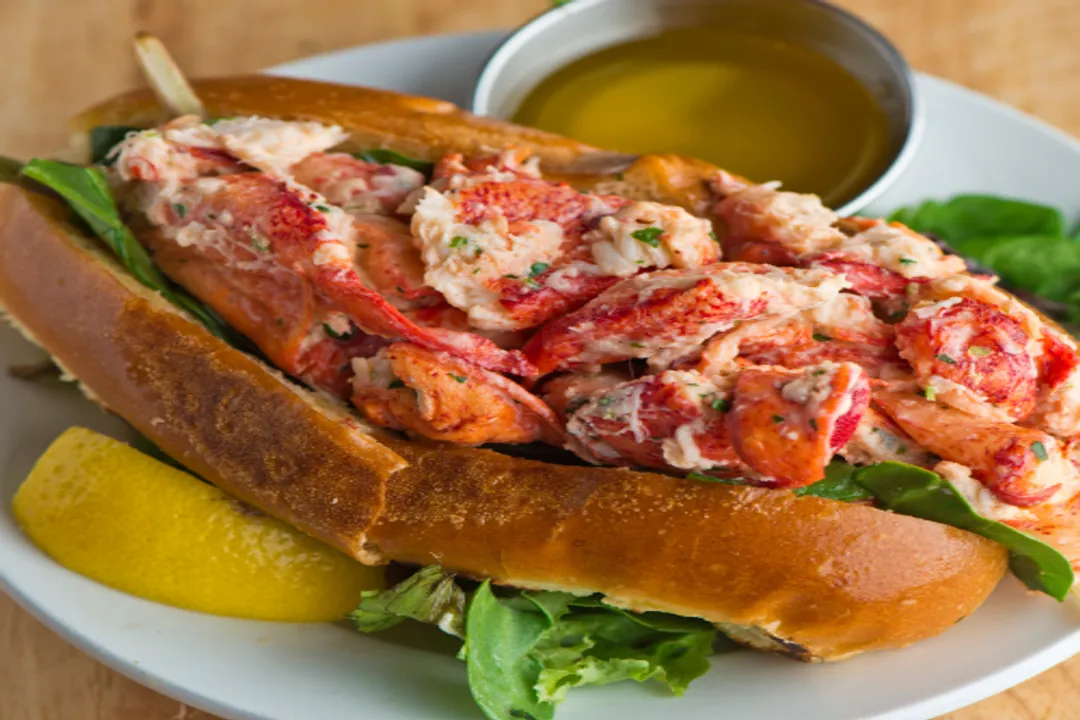
The American South offers a rich landscape of flavor heavily influenced by its agricultural history and the deep, interwoven culinary traditions of African American communities.
Consider the cornerstone of many Southern breakfasts and dinners: Shrimp and Grits. This dish, combining succulent shrimp with creamy grits, has roots tracing back to the historically enslaved and oppressed Black and African American communities of the deep South. Beyond this foundational staple, you find delicacies like South Carolina’s Hoppin' John, traditionally eaten on New Year's Day for good luck, made from rice and black-eyed peas. In Mississippi, the tangy, mayo-based Comeback Sauce serves as the perfect dipping accompaniment for anything fried.
Further east in South Carolina’s Pee Dee region, one finds Chicken Bog, a dish that sounds deceptively watery but is, when prepared correctly, a hearty mix of chicken, rice, and sausage that is perfect for large gatherings. Louisiana contributes Gumbo, whose origins also trace back to enslaved West Africans who brought okra to North America, leading to the endless, passionate arguments over the correct technique and ingredients today. In New Orleans specifically, a local favorite for shaking off the night before is Yakamein, an aromatic beef broth soup featuring noodles, Creole spices, and often topped with a hard-boiled egg.
# Coastal and Lakeside Innovations
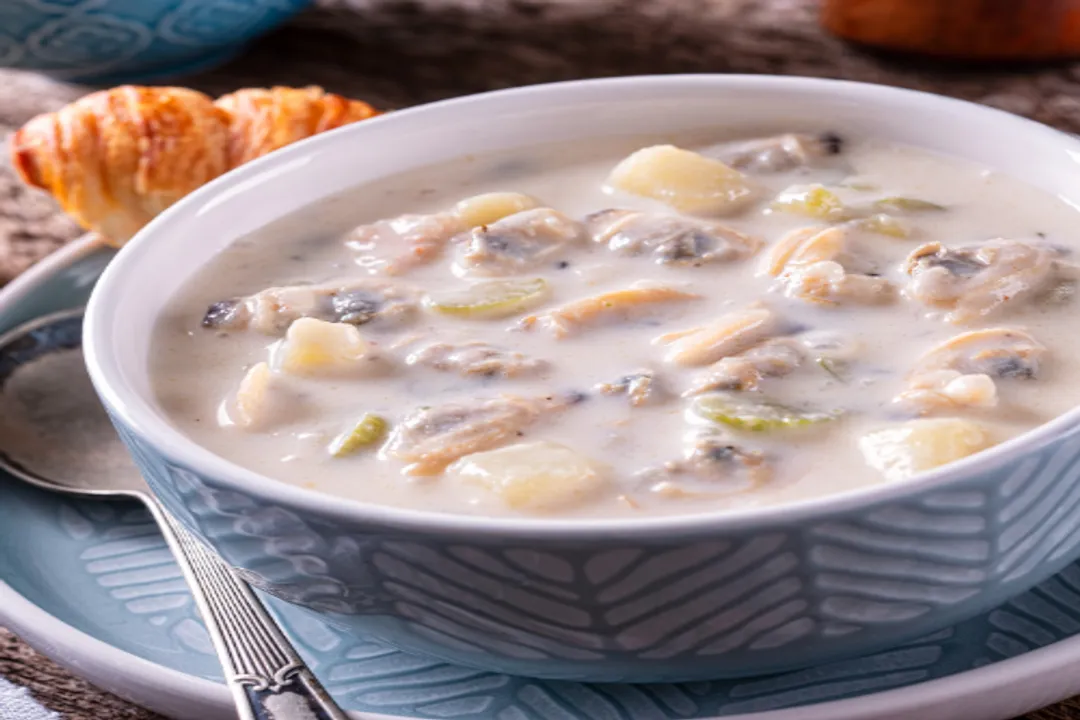
Waterways and coastlines invariably shape local diets, often leading to specialties centered around seafood, though even these dishes show surprising internal variation.
New England is famed for its Lobster Rolls. Connecticut offers its style where the warm lobster meat is tossed with melted butter and herbs. Conversely, Rhode Island features Stuffies—clams chopped with chorizo and vegetables, stuffed back into their shells, and topped with a Parmesan crust. Down on the Pacific Coast, San Francisco is the birthplace of Cioppino, a tomato-based seafood stew born from the creativity of Italian immigrants in the 1800s. For a true taste of the Pacific Northwest, one might encounter the Geoduck, a large, sweet, and briny clam often eaten raw as sashimi.
In the Midwest, where vast dairy farming supports the local economy, the presence of Wisconsin Cheese Curds is nearly mandatory, especially when enjoyed fried. Moving south toward the Great Lakes, Pennsylvania residents in areas like Pittsburgh enjoy City Chicken—cubes of pork or veal, skewered, battered, and fried to resemble chicken, a dish reflecting the area's Polish and Ukrainian heritage. On the other side of the Midwest, an entirely different kind of regional sausage, Belgian Trippe, is treasured in Wisconsin’s Door County, made from pork, cabbage, and strong seasoning by descendants of Walloon settlers.
# Heartland and Migration Dishes
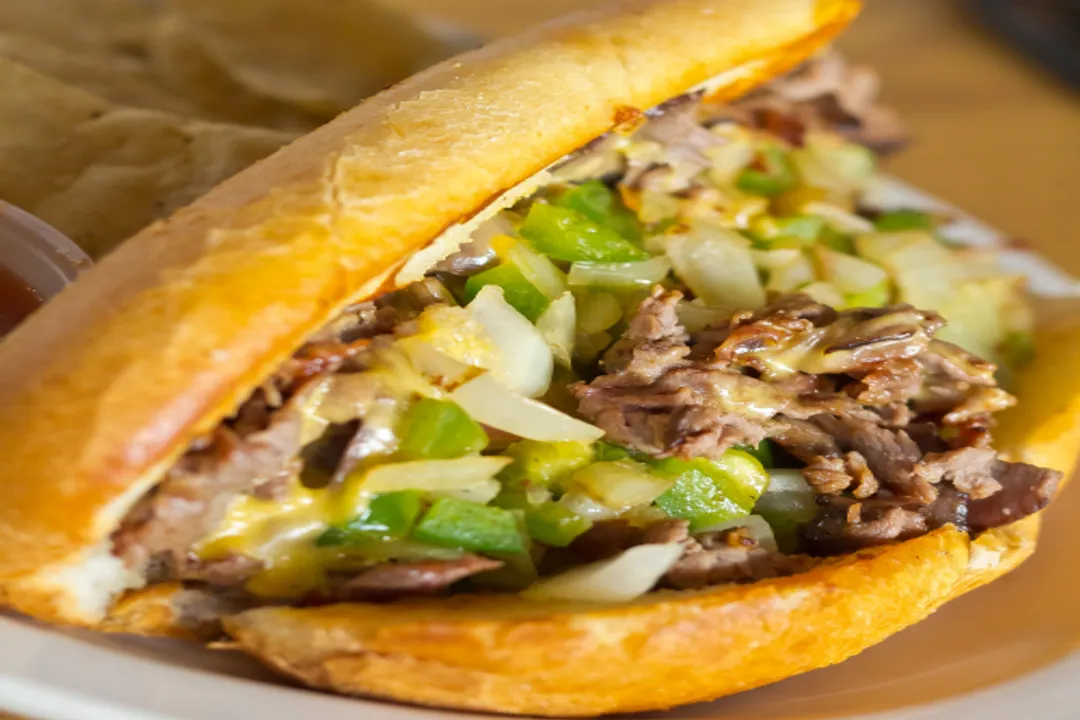
The center of the country is characterized by dishes that often tell stories of migration, adaptation, and German influence.
Nebraska's Runza exemplifies this perfectly; it is a yeast-raised pastry dough filled with seasoned ground beef and cabbage, derived from German bierock and Russian piroshki brought by Volga-German immigrants in the 1800s. This hearty pocket is so entrenched that a major fast-food chain is named after it, and it is even served at college football games. This theme of imported foods morphing regionally is key to understanding American cuisine—the Indiana Pork Tenderloin Sandwich, for example, is a breaded, fried cutlet showing clear inspiration from German wienerschnitzel.
In Ohio, particularly Cincinnati, you encounter Skyline Chili, famous for its inclusion of spices like cinnamon and cloves, often served over spaghetti. For a sweet counterpoint in the Midwest, Iowa claims Scotcheroos, no-bake cereal bars featuring peanut butter, butterscotch, and chocolate, a recipe that emerged in the post-World War II era.
The sheer variety highlights a curious pattern: when examining seemingly disparate regional foods, the historical narrative often circles back to a specific, non-indigenous group adapting their traditions to new resources. The story of American regional food is, quite often, the story of successful immigration adaptation. This suggests an analytical approach when tasting: rather than just asking what it is, ask who brought the initial concept [Editor's Insight 1: The principle of adaptation suggests that the most enduring regional dishes are those that best managed the transition from an Old World recipe to a New World ingredient list, often becoming more generous or sweeter as ingredients became cheaper or more abundant].
# The Sun-Drenched Southwest
Southwestern cuisine is rightly dominated by the heat and flavor of peppers, particularly the famous Hatch Chiles of New Mexico. Here, dishes might involve hatch chile stew or, for a unique preparation, stacked red chile enchiladas, ideally finished with a fried egg and onions. Nearby, Pueblo Bread, a puffed loaf baked in traditional clay ovens called hornos, shows a deeper historical connection to the land, predating Spanish flour use when it was made with coarse cornmeal. Arizona leans into its arid landscape by featuring Prickly Pear Margaritas made from the native cactus fruit. While Fry Bread, a staple across the Southwest, has complex and difficult origins tied to Indigenous displacement, it stands today as a powerful symbol of resilience, served topped or plain.
# Unsung and Truly Niche Examples
While many regional foods become famous—like Texas's Chicken Fried Steak smothered in country gravy—the most fascinating are often those that remain stubbornly local. These are the dishes that, when mentioned outside their home town, draw blank stares.
Consider the Gym Shoe Sandwich of Chicago, a monumental sub filled with a mixture of gyro meat, corned beef, Italian beef, Swiss cheese, and either giardiniera or tzatziki. If you head to Central Illinois, you might encounter the Horseshoe Sandwich: an open-faced plate featuring Texas toast topped with protein (often corned beef or a patty), covered in French fries, and drenched in melted cheese sauce—the perfect late-night recovery meal.
In West Virginia, the unofficial state snack is the Pepperoni Roll, a soft roll stuffed with a large chunk of pepperoni, unlike the sliced versions found elsewhere. For a truly specific example, the Chislic of South Dakota and southern Minnesota consists of deep-fried, unbreaded cubes of venison or mutton, often served with crackers and seasoned salt. These intensely local items highlight how small geographic or cultural shifts can create entirely distinct culinary identities, even across state lines.
# International Contexts for Regional Flavor
The concept of deeply rooted, hyper-regional cuisine is not confined to the US; it is a global phenomenon where local ecology and history dictate the menu.
In Germany, the Swabian region offers Maultaschen, often described as a version of ravioli filled with a Bratwurst-like mixture, served either in broth or browned with onions. The UK, while famous for pies, has regional specialties like the steamed Steak and Kidney Pudding, which uses soft, suet pastry instead of the flaky crust of a pie, traditionally sold at chip shops. In Atlantic Canada, Halifax Donairs are distinct from Turkish doner kebabs; the Halifax version is characterized by a very sweet sauce made from sugar, garlic, and dairy. Even within a single country, like Italy, one finds pockets of extreme specificity, such as Arancini in Sicily being filled with either meat sauce or, more unusually, a pistachio cream and mortadella pairing.
To grasp the sheer depth of this, consider that in many places, the ingredients used are only available due to specific microclimates—like the Sarson da Saag (mustard greens dip) served with Makki di roti (maize flour flatbread) in parts of India, best enjoyed with desi ghee. The connection between terrain and plate is undeniable.
# Culinary Crossroads and Fusions
Many regional dishes are themselves products of cultural collision, adapting outside influences into something entirely new. The California Burrito, often associated with San Diego, is widely believed to have roots in Baja, Mexico, traditionally incorporating steak, cheese, pico de gallo, and, crucially, French fries.
In Hawaii, Spam Musubi, a block of rice topped with seared Spam wrapped in nori, is a direct culinary result of the aftermath of World War II, representing adaptation during scarcity. Similarly, the aforementioned Yakamein in New Orleans is a rich mashup combining elements of Asian noodles with Creole spices and broths. This blending shows that regionalism isn't always about purity or isolation; sometimes it’s about the most successful synthesis of different migratory foodways [Editor's Insight 2: The success metric for a regional fusion dish often relies on its 'hangover cure' status or its utility as simple, cheap, and filling food, suggesting that comfort and convenience can be just as powerful a catalyst for culinary creation as terroir].
The world offers countless variations on these themes:
- Newfoundland's Flaky Dessert: A layered creation using soup crackers, jam, custard, and the now-discontinued Dreamwhip, refrigerated until soggy.
- Okinawa's Taco Rice: A Japanese Tex-Mex fusion involving high-quality rice topped with seasoned ground beef, cheese, and lettuce.
- Wales' Glamorgan Sausage: A vegetarian sausage made from cheese, leeks, and breadcrumbs, fried until cheesy perfection.
From the simple, spartan flavor profile of Norwegian Fårikål (lamb stewed only with cabbage, salt, and pepper) to the complex layering of Georgian stuffed peppers with walnuts and meat, regional cuisine proves that culinary genius is found everywhere ingredients and history meet. The real reward for any eater is moving past the familiar and seeking out these unique, sometimes challenging, but always authentic tastes that define a place.
Related Questions
#Citations
Great regional dishes that are unknown to people outside the country
The Most Iconic Hyper-Regional American Dish in Every State
Must-Try Regional American Cuisine - Visit USA Parks