Health Benefits of Parsnip

Parsnips, often mistaken for pale carrots or oversized white radishes, possess a flavor profile that deepens and sweetens beautifully when cooked, making them far more than just a cold-weather staple. These root vegetables, botanically related to carrots and celery, have been cultivated for centuries, first valued for their starchy, sweet flesh before potatoes became widely available. [1][4] While they might not always steal the spotlight, understanding their nutritional makeup reveals a powerhouse capable of supporting various aspects of well-being, from gut health to cardiovascular function. [2][3]
# Root Nutrition
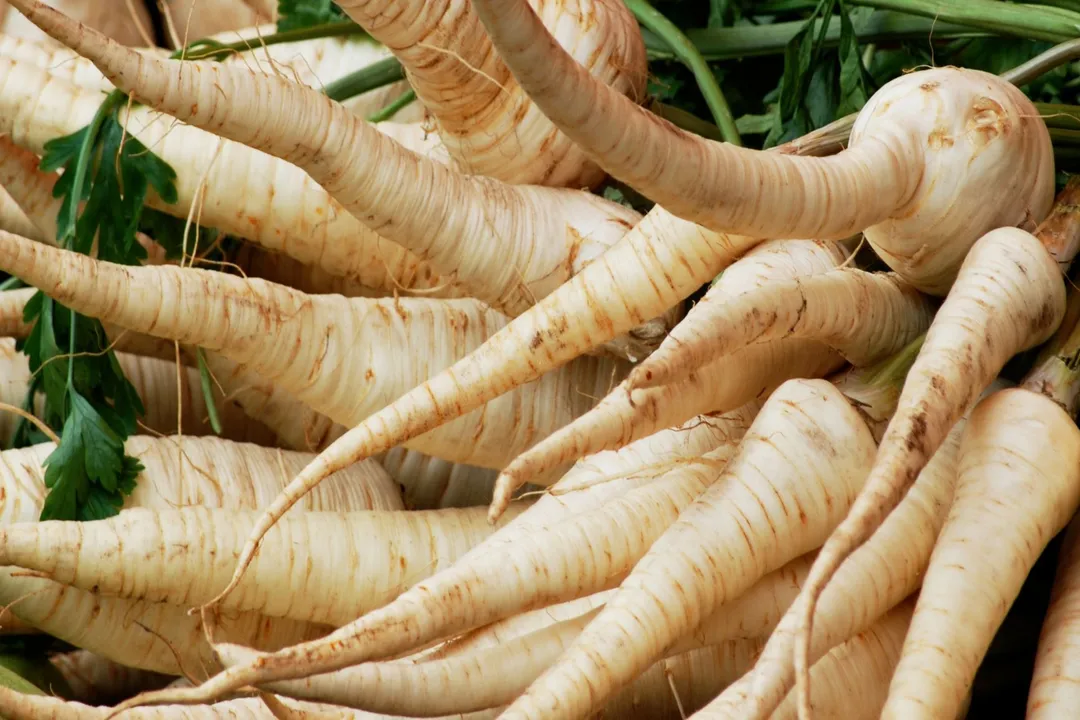
The nutritional density packed into a modest serving of parsnip is quite impressive, especially considering their relatively low-calorie count. [1] They are an excellent source of essential vitamins and minerals that contribute significantly to daily intake requirements. [6] For instance, a single cup of cooked parsnips can provide a substantial amount of your necessary Vitamin C, an antioxidant vital for immune system support and collagen formation. [1][2] They also deliver significant amounts of Vitamin K, which is crucial for blood clotting and bone health. [3]
Beyond the major vitamins, parsnips are notable for their B-vitamin content, particularly folate (Vitamin B9), which supports cell growth and is especially important during pregnancy. [4] Furthermore, they contribute essential minerals like potassium, a key electrolyte for maintaining healthy blood pressure, and manganese. [2][6]
To illustrate where they stand against a familiar vegetable, consider this comparison: While carrots are famously high in beta-carotene (which gives them their orange hue and converts to Vitamin A), parsnips offer a distinct advantage in specific areas.
| Nutrient (per 100g, cooked) | Parsnip (Approximate) | Carrot (Approximate) | Advantage |
|---|---|---|---|
| Folate | Higher | Lower | Parsnip [9][10] |
| Vitamin K | Significantly Higher | Lower | Parsnip [9][10] |
| Vitamin A (as RAE) | Very Low | Very High | Carrot [9] |
| Sugar Content | Higher | Lower | Parsnip (for sweetness) [5] |
This data suggests that while carrots win on Vitamin A, parsnips are superior sources for Vitamin K and folate compared to their orange cousin. [9][10] This unique nutritional signature means that substituting or mixing them into your regular vegetable rotation offers different micro-nutrient benefits. [5]
# Fiber Advantage
Perhaps the most frequently cited health benefit of the parsnip relates to its fiber content. [1] Parsnips are rich in dietary fiber, containing both soluble and insoluble types. [4] This dual action is key to digestive wellness. [2] Insoluble fiber adds bulk to stool, helping food pass more quickly through the digestive tract, thereby promoting regularity and preventing constipation. [1]
The soluble fiber component, on the other hand, dissolves in water to form a gel-like substance in the gut. [2] This gel plays an important dual role: it can help slow down digestion, which contributes to feelings of fullness, and it binds to cholesterol particles, potentially assisting in lowering harmful LDL cholesterol levels. [1][3] Furthermore, this soluble fiber acts as a prebiotic, feeding the beneficial bacteria residing in your large intestine. [4] A well-nourished gut microbiome is increasingly linked not just to better digestion, but to improved mood and immune response. [2]

# Heart Health Support
The combination of nutrients in parsnips makes them a friendly food for cardiovascular maintenance. [3] The previously mentioned potassium content is critical here, as it works to counterbalance the negative effects of sodium on blood pressure. [2] By helping to relax blood vessel walls, adequate potassium intake supports healthy circulation. [3]
When considering fiber again, its role in managing cholesterol ties directly into heart health. [1] By binding to cholesterol in the digestive system, it prevents its absorption, which is a gentle, consistent way to support arterial cleanliness over time. [3]
# Immune and Cell Protection
Parsnips contain several compounds that offer protection at the cellular level. [1] As noted, Vitamin C is a potent antioxidant that helps neutralize free radicals that can cause oxidative stress throughout the body. [3] This defense mechanism is fundamental to long-term health and maintaining strong immune defenses. [4]
Researchers have also pointed to the presence of specific plant compounds within the parsnip, such as falcarinol and falcarindiol. [1] These compounds, common in the Apiaceae family (which includes carrots and parsley), have been studied for their potential anti-fungal and even anti-cancer properties in laboratory settings. [1][3] While consuming a vegetable is not a substitute for medical treatment, incorporating these naturally protective foods regularly contributes to a diet rich in disease-fighting phytochemicals. [4]

# Managing Weight Naturally
For those monitoring their calorie intake or looking for ways to feel satisfied with smaller portions, parsnips are a smart addition to the menu. [1] They are inherently low in fat and relatively low in calories compared to many other root vegetables, yet they pack a high volume of fiber and water. [6]
The key mechanism here is satiety. Eating foods high in fiber, like parsnips, means the meal takes longer to process, keeping you feeling fuller for longer periods. [1] If you are preparing a mashed side dish, for instance, adding a significant portion of parsnips, perhaps replacing some of the heavier starches, can increase the volume and nutrient density of the meal without dramatically increasing the caloric load. [5] This is a simple, practical way to manage energy intake without feeling deprived. [4]
# Culinary Sweetness Unlocked
While the health benefits are compelling, the reason many people return to parsnips is their flavor, which is quite different from that of a carrot. [5] Parsnips have a noticeably higher natural sugar content—primarily fructose—than carrots. [9] This difference becomes pronounced when heat is applied, particularly through dry cooking methods. [5]
When roasting, the natural sugars caramelize, bringing out a deep, earthy sweetness that is complex and slightly spicy. [5] This is a great characteristic to keep in mind when deciding how to prepare them. If you are aiming for maximum flavor development and that signature sweetness, roasting or glazing is the best route. If you prefer a milder flavor profile, boiling or steaming might be better, though these methods risk leaching some water-soluble nutrients into the cooking water. [2]
One way to maximize this natural sweetness in a home kitchen setting without added sugar is to thinly slice the parsnips and toss them with a tiny amount of olive oil and a pinch of salt before roasting them at a high temperature, around 400°F (200°C), until the edges begin to brown significantly. The Maillard reaction works wonders on the sugars present in the root, transforming their profile from subtly sweet to richly caramelized in a way that simply boiling them cannot achieve. [5]

# Comparison to Other Roots
Understanding how parsnips fit into the wider category of root vegetables provides context for their benefits. [10] While turnips are another popular white root vegetable, they generally contain fewer calories and less sugar than parsnips. [10] Turnips tend to be slightly higher in Vitamin C compared to parsnips, but parsnips usually pull ahead in fiber and folate content. [9][10]
This comparison underscores the idea that relying on a single type of root vegetable means missing out on the specific strengths of others. A mixed medley of roasted carrots, parsnips, and even a few turnips offers a broader spectrum of vitamins, minerals, and fiber types than eating any one of them exclusively. [5]
# Cooking Versatility
Parsnips are remarkably adaptable in the kitchen, moving beyond the traditional Sunday roast side dish. [5][6] Their strong flavor holds up well in various preparations:
- Mashed: Substitute half the potatoes in your mash with boiled and mashed parsnips for a lighter, sweeter, and more nutrient-dense result. [5]
- Soups and Stews: Diced parsnips add body, sweetness, and earthy depth to slow-cooked dishes. [5]
- Raw Shreds: When grated finely, raw parsnips can add a crunchy texture and slightly peppery bite to slaws or salads. [5]
- Pureed: Blended into a smooth soup or puree, their natural starchiness creates a creamy texture without needing added dairy or fats. [4]
The roots are generally best when they are firm and heavy for their size, with unblemished skin, though any small surface blemishes can easily be peeled away. [5] It is important to remember that the tops of the parsnip should be removed if they have started to sprout, as this can signal the root is beginning to lose moisture and sweetness. [6]
In essence, the parsnip offers a compelling mix of high fiber for gut and heart health, essential vitamins like C and K, and a complex flavor that makes healthy eating genuinely enjoyable. [1][2][3] By appreciating their unique nutritional profile, especially when compared to similar vegetables, you can easily integrate this humble root into a more varied and beneficial diet. [9][10]
Related Questions
#Citations
6 Nutrition and Health Benefits of Parsnips - Healthline
Top 5 health benefits of parsnips - BBC Good Food
Parsnip: Health Benefits, Nutrition, and Uses - WebMD
[PDF] Health Benefits of Parsnips
The Ultimate Guide to Parsnips: Health Benefits, Cooking Tips, and ...
What Are The Health Benefits Of Parsnips? - Dale Pinnock
Are parsnips good for you? Our Health Editor explains - YouTube
6 surprising health benefits of parsnips - Saga
Parsnips vs Carrots: How Each Root Vegetable Supports Your Health
Turnip vs. Parsnip — Health Impact and Nutrition Comparison