Health Benefits of Kohlrabi
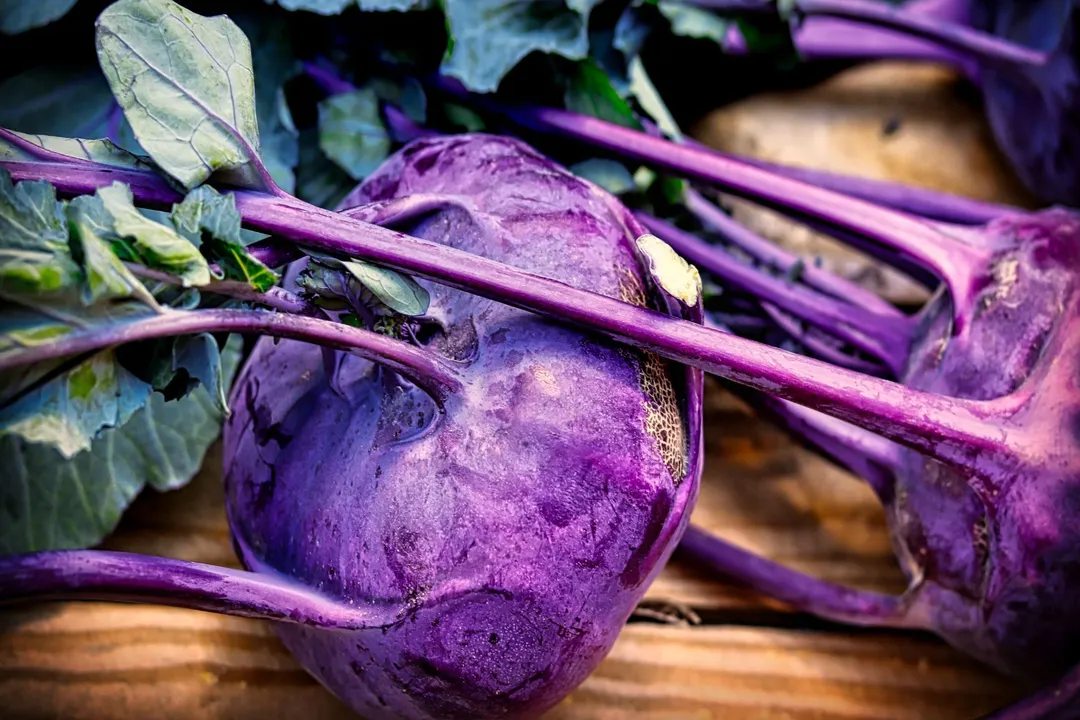
Kohlrabi, often appearing unfamiliar with its pale green or purple bulbous stem sitting above the ground, is a vegetable whose internal benefits far outweigh its slightly alien appearance. [5] This member of the Brassica family, related to cabbage, broccoli, and kale, is technically a swollen stem, though it is treated culinarily as a root vegetable. [6][8] Its texture is crisp and slightly sweet when raw, often compared to a milder version of broccoli stems or a crisp apple, and it mellows beautifully when cooked. [9][10] While it might not dominate produce aisles as much as its cruciferous cousins, understanding its nutrient profile reveals why this vegetable deserves a more prominent place in everyday eating habits. [2]
# Nutritional Powerhouse
The nutritional density of kohlrabi is one of its most compelling attributes, offering a significant return on investment for the small number of calories it contains. [3] A single serving, around one cup chopped, is remarkably low in calories, typically hovering around 40 to 50 calories, making it an excellent choice for weight management. [1][3] This low-calorie density means you can consume a substantial volume for satiety without a major caloric load. [3]
# Vitamin C Content
Perhaps the most celebrated micronutrient in kohlrabi is its high concentration of Vitamin C (ascorbic acid). [3][6] A mere one-cup serving can often provide well over the recommended daily intake for adults. [1][2] Vitamin C is fundamental for supporting the immune system, acting as a potent antioxidant that protects cells from oxidative stress. [3][4] It is also essential for the synthesis of collagen, a vital protein needed for healthy skin, tendons, and blood vessels. [3] What’s interesting is to compare this to more commonly cited sources; for example, a cup of raw kohlrabi often delivers more than 120% of the Daily Value (DV) for Vitamin C, easily surpassing the amount found in a medium orange, which typically provides closer to 70-80% DV. [1][3] This makes kohlrabi an accessible, non-citrus powerhouse for bolstering defenses, particularly during cold and flu seasons. [4]
# B Vitamins and Minerals
Beyond Vitamin C, kohlrabi supplies a beneficial array of B vitamins. [1] It is a good source of Vitamin B6 (pyridoxine), which plays many roles, including supporting brain health and red blood cell formation. [3][4] The presence of folate (Vitamin B9) is also notable, critical for cell division and preventing certain birth defects when consumed during pregnancy. [1][3]
In terms of minerals, kohlrabi contains potassium, an electrolyte that helps regulate blood pressure by counteracting the negative effects of sodium. [3] It also offers good amounts of manganese, a trace mineral involved in enzyme function and metabolism, and is a source of dietary copper. [1][4] The mineral profile, while perhaps not as high as some other vegetables in single servings, contributes meaningfully to daily requirements across the board. [3]
# Digestive Health Support
The role kohlrabi plays in maintaining a healthy digestive tract is largely attributed to its fiber content. [2][3] Fiber is crucial not only for promoting regular bowel movements but also for feeding the beneficial bacteria in the gut microbiome. [1][6]
# Dietary Fiber
Kohlrabi is rich in dietary fiber, which helps keep things moving smoothly through the intestines and can prevent constipation. [3][6] The fiber content supports overall gut function and may aid in blood sugar management by slowing the absorption of sugar. [1][2] Moreover, incorporating fiber-rich vegetables like kohlrabi into your diet is frequently recommended for promoting a feeling of fullness, which naturally assists in appetite control and, consequently, weight management efforts. [3]

# Antioxidant Profile and Disease Prevention
As a member of the cruciferous vegetable group, kohlrabi inherits several protective plant compounds known for their antioxidant and anti-inflammatory properties. [6] These compounds work within the body to neutralize free radicals and modulate inflammatory responses. [4]
# Glucosinolates
The characteristic "cabbage" flavor in kohlrabi comes from sulfur-containing compounds called glucosinolates. [6][10] When you chop or chew kohlrabi, enzymes break down these glucosinolates into biologically active compounds like isothiocyanates. [6] These compounds have been studied for their potential to support the body's natural detoxification processes and may offer protection against certain chronic diseases, including some cancers. [4][6] While research on kohlrabi specifically is ongoing, its membership in this powerful vegetable family strongly suggests these protective benefits are present. [10]
# Other Antioxidants
The vibrant colors of kohlrabi—particularly the purple varieties—indicate the presence of anthocyanins, which are powerful antioxidants also found in blueberries and red cabbage. [4][5] These pigments are associated with cardiovascular benefits and overall cellular protection. [4] Furthermore, the Vitamin C contribution mentioned earlier is itself a major antioxidant benefit. [3]
# Heart Health Contribution
Maintaining cardiovascular function benefits significantly from a diet rich in vegetables, and kohlrabi fits this profile well due to its mineral and fiber composition. [3] The presence of potassium is a key factor here, as adequate potassium intake is associated with lower blood pressure readings, easing strain on the arteries and heart. [2][3]
The fiber in kohlrabi also indirectly supports heart health by binding to bile acids in the digestive tract, which prompts the body to pull cholesterol from the bloodstream to produce more bile, thereby potentially lowering overall LDL (bad) cholesterol levels. [1][3] A diet consistent in these elements helps maintain healthy vascular elasticity. [4]
# Culinary Versatility and Preparation
One barrier to trying kohlrabi is its appearance, but its culinary adaptability is surprisingly broad, making it easy to incorporate into varied meals. [5][9] It can be enjoyed raw or cooked, in both the bulb and the greens. [8][9]
# Raw Applications
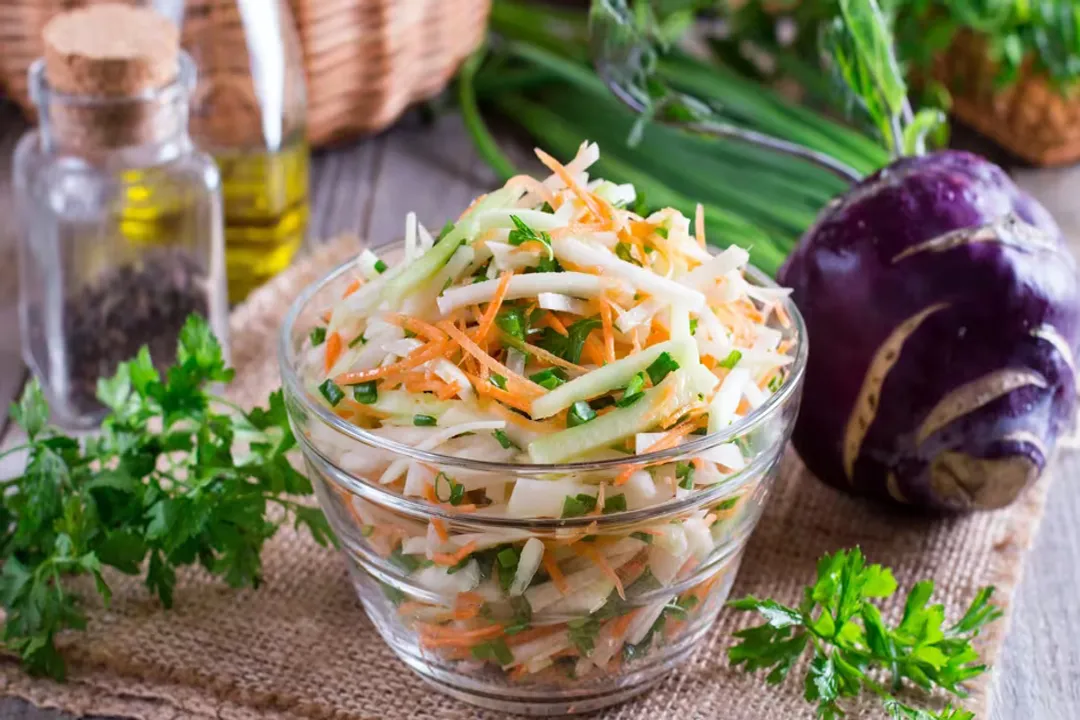
When eaten raw, kohlrabi offers a satisfying crunch perfect for slaws, salads, or simply sliced thin for dipping. [8][9] Its mild sweetness means it pairs well with strong flavors like vinegar or citrus dressings without overpowering them. [10] For a simple, refreshing snack, try cutting it into sticks and sprinkling with a dash of smoked paprika and sea salt. [9] If you are hesitant about the texture, think of it less like a traditional root vegetable and more like a dense turnip or perhaps even celery root, but sweeter. [10]
# Cooking Methods
Kohlrabi is exceptionally versatile when heat is introduced. [8] It can be steamed, boiled, sautéed, or roasted, taking on a milder, slightly sweeter flavor profile as it softens. [9] It works well in stir-fries, where it absorbs the flavors of sauces, or it can be mashed like potatoes. [8] Interestingly, the greens attached to the bulb are entirely edible and should not be discarded. [8][9] These greens can be treated much like spinach or kale—sautéed with garlic and olive oil—providing an extra boost of vitamins A and C to the meal. [8]
Actionable Tip for Selection: When purchasing kohlrabi, don't just look at the bulb. The attached greens are a fantastic indicator of the vegetable's freshness. Look for vibrant, upright leaves; if the greens are wilted, yellowed, or significantly bruised, the bulb itself may have lost some of its crispness and moisture, even if it looks firm. [8][9] Selecting a bulb with healthy greens ensures you get the best texture and flavor.
# Comparison of Edible Parts
It is worth noting the distinct uses of the different parts of the plant to maximize intake:
| Part | Primary Texture | Best Culinary Use |
|---|---|---|
| Bulb | Crisp, firm | Raw salads, slaws, roasting, steaming |
| Greens | Leafy | Sautéed, steamed (like spinach or kale) |
| Shoots | Tender | Used raw or lightly wilted in salads |
This dual-use nature—getting two vegetables for the price of one—adds to kohlrabi’s value proposition in the kitchen. [8]
# Blood Sugar and Weight Management
The combination of low calories, high water content, and significant fiber content positions kohlrabi as a favorable food for those monitoring blood sugar levels or managing body weight. [1][2]
# Low Glycemic Impact
Because of its fiber, kohlrabi has a low impact on blood sugar spikes compared to starchy vegetables. [1][3] The fiber helps slow down the rate at which carbohydrates are absorbed into the bloodstream. [2] This slow and steady release of glucose is preferable for maintaining energy levels and preventing the sharp peaks and crashes that can follow meals high in refined sugars or low-fiber starches. [1]
# Satiety and Water Content
Kohlrabi is naturally high in water content, which, combined with its fiber, contributes significantly to satiety—the feeling of being full. [3] Consuming higher-volume, lower-energy-density foods is a proven strategy for managing caloric intake effectively. [3] Simply adding a large, crisp salad made with raw kohlrabi to your lunch can make that meal feel more substantial without adding many calories. [1]
Insight on Preparation: While roasting kohlrabi brings out its sweetness, be mindful that high-heat roasting can slightly reduce the overall concentration of heat-sensitive nutrients like Vitamin C compared to eating it raw or lightly steaming it. [3] If maximizing Vitamin C intake is the primary goal, plan to consume at least some kohlrabi raw in slaws or salads throughout the week, reserving roasting for when you prioritize flavor development over peak nutrient retention.
# Bone Health Factors
While not often highlighted as a primary bone-building food, kohlrabi provides several minerals important for maintaining bone structure and density over time. [4] Key among these are manganese and copper, trace minerals necessary for the proper formation of bone matrix and mineral absorption. [1][4] Though a single vegetable won't meet all bone health needs, its inclusion in a varied diet helps meet the requirements for these necessary cofactors alongside major players like calcium and Vitamin D. [4]
# Skin Health Support
The skin benefits directly from the nutrients kohlrabi supplies, primarily through its high Vitamin C content and general antioxidant properties. [3] As mentioned, Vitamin C is indispensable for the body's production of collagen. [3] Collagen provides the structural scaffolding for skin, keeping it firm and resilient. Adequate intake of this vitamin helps repair tissues and fight the damage caused by environmental stressors like UV exposure. [3] Furthermore, the general anti-inflammatory action of the vegetable's compounds can help soothe skin irritation from within. [4]
In summary, kohlrabi is a highly nutritious vegetable that offers substantial support for immunity, digestion, and cardiovascular function, all wrapped up in a crisp, versatile package that is easy to integrate into diverse recipes, regardless of whether you prefer it raw or cooked. [2][9] Its accessibility as a major source of Vitamin C, often exceeding that of common fruits, makes it an excellent everyday vegetable choice. [1][3]
Related Questions
#Citations
Health Benefits of Kohlrabi - WebMD
Kohlrabi: What It Is, Nutrition and Benefits - Health Cleveland Clinic
What Is Kohlrabi? Nutrition, Benefits, and Uses - Healthline
Kohlrabi | Superfood - Allergy Associates of La Crosse
While kohlrabi might look a little strange, its benefits are anything but ...
Kohlrabi: A Disease-Fighting, Phytochemical Powerhouse - Dr. Axe
What Are The Health Benefits Of Kohlrabi? - Dale Pinnock
Kohlrabi | UNL Food | Nebraska
Vegetables: Give kohlrabi a try - MSU Extension
Why kohlrabi is good for you | Food - The Guardian