Health Benefits of Garlic
Garlic, the pungent bulb long esteemed in culinary traditions across the globe, stands today as a subject of serious scientific investigation, not just for its ability to season food, but for its profound influence on human physiology. This humble allium, a member of the Allium family alongside onions and leeks, has been valued for medicinal properties for millennia, dating back to ancient Egyptian, Greek, and Roman civilizations. [1][6] Modern research is continually uncovering the mechanisms by which regular consumption may contribute to better health outcomes, largely attributing its power to its unique sulfur-containing compounds. [4]
# Active Compounds
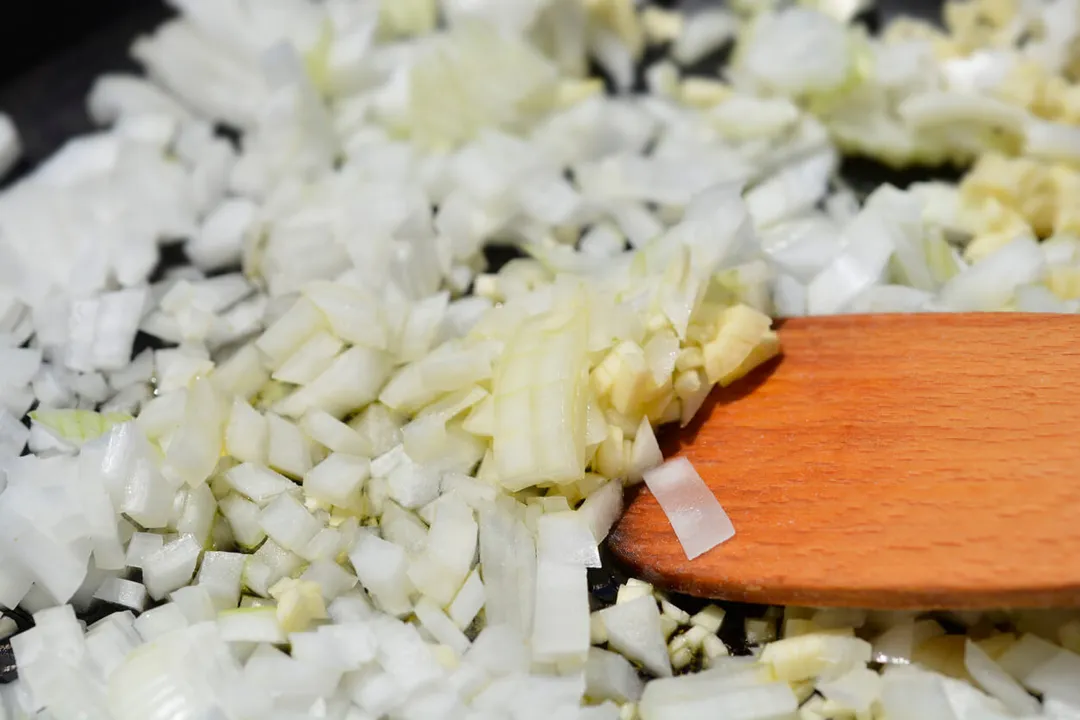
The medicinal activity of garlic is largely dependent on how it is prepared. When the bulb is crushed, chopped, or chewed, an enzyme called alliinase converts alliin into allicin. [1] Allicin is the primary active component responsible for the distinct odor and many of the notable health effects associated with fresh garlic. [5] It is important to note that this conversion process is delicate; once formed, allicin is relatively unstable and is quickly broken down into various other beneficial sulfur compounds. [1]
This instability presents a practical consideration for those seeking maximum benefit. Heat rapidly inactivates the alliinase enzyme, which means cooking garlic significantly reduces the immediate production of allicin. [1] While cooked garlic still offers nutritional value, including manganese, Vitamin B6, Vitamin C, and selenium, [1] the immediate antimicrobial and therapeutic punch is strongest in its raw form. [5] The presence of these sulfur compounds is what makes garlic stand out among common kitchen vegetables, driving its reputation as a natural remedy. [4]
# Cardiovascular Effects
Perhaps the most well-researched area of garlic's benefits relates to the circulatory system. Regular intake appears to offer protection against several key risk factors for heart disease. [1][4]
# Blood Pressure
One consistent finding is garlic's ability to influence blood pressure levels. Studies suggest that garlic consumption, often through supplementation, can lead to clinically significant reductions in both systolic and diastolic blood pressure in individuals with hypertension. [1][3][6] These effects are often comparable in magnitude to some standard prescription medications, although it should never replace prescribed treatment without medical guidance. [1] The mechanism is believed to involve the generation of hydrogen sulfide and nitric oxide, which help blood vessels relax and widen, thereby improving blood flow. [4]
# Cholesterol Levels
Garlic also seems to play a role in managing blood lipids. Research indicates that garlic can modestly lower total and LDL (often termed "bad") cholesterol levels. [1][3] While the effect on triglycerides and HDL ("good") cholesterol is often less pronounced or inconsistent across studies, the reduction in total and LDL cholesterol is a noteworthy benefit for long-term vascular health. [6]
# Circulation Improvement
Beyond pressure and lipid management, garlic compounds are noted for their ability to reduce the stickiness of platelets, acting as a natural blood thinner or anti-coagulant. [4] This ability to inhibit platelet aggregation helps prevent the formation of dangerous blood clots that could lead to strokes or heart attacks. [4]
Preparation Timing Insight: The effectiveness of garlic hinges on respecting the alliinase enzyme. If you are crushing garlic for a salad dressing or adding it to a dish that will be cooked, let the crushed cloves sit for about ten minutes before adding heat. This brief rest period allows the maximum amount of allicin to form before the heat deactivates the enzyme, essentially maximizing the therapeutic potential of the raw component before it enters the pan. [1]
# Defense System
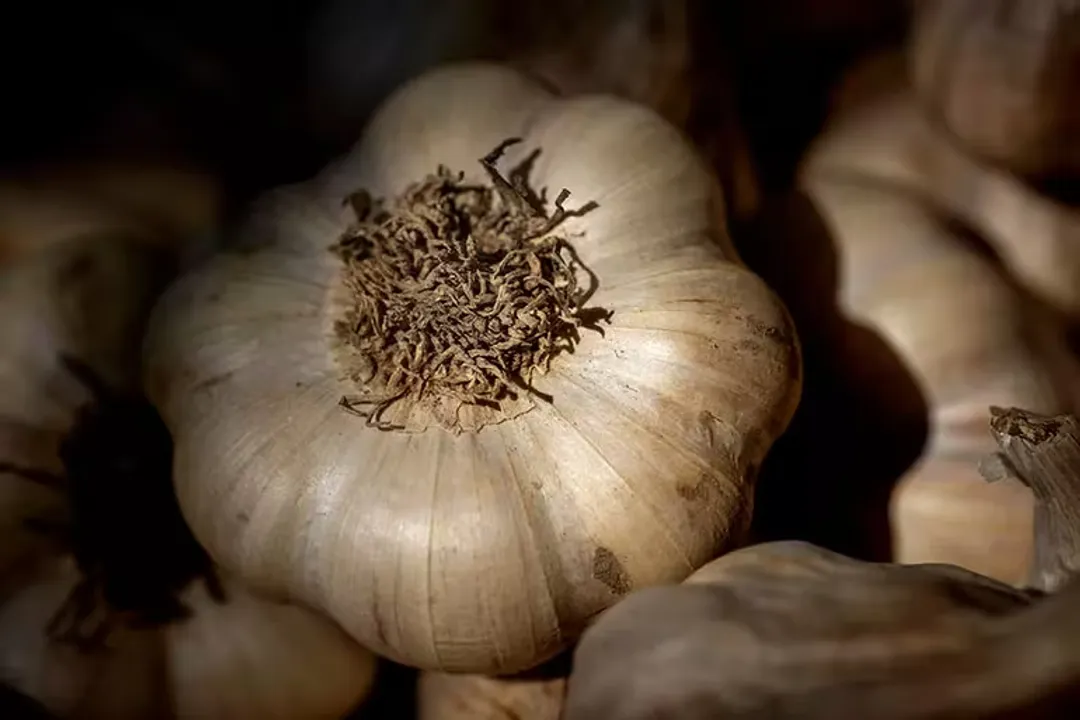
Garlic's reputation as an immune system booster is well-earned, stemming from its potent antimicrobial properties. [2][6] The same sulfur compounds that affect blood vessels also target various microorganisms.
# Fighting Germs
Garlic exhibits broad-spectrum activity, proving effective against bacteria, viruses, and fungi. [1][3][4][6] For instance, allicin has been shown to inhibit the growth of numerous pathogenic bacteria, and its antifungal properties can be particularly helpful in managing certain yeast infections. [1] This general germ-fighting capacity has led many people to rely on it during seasonal illness.
# Cold and Flu Resistance
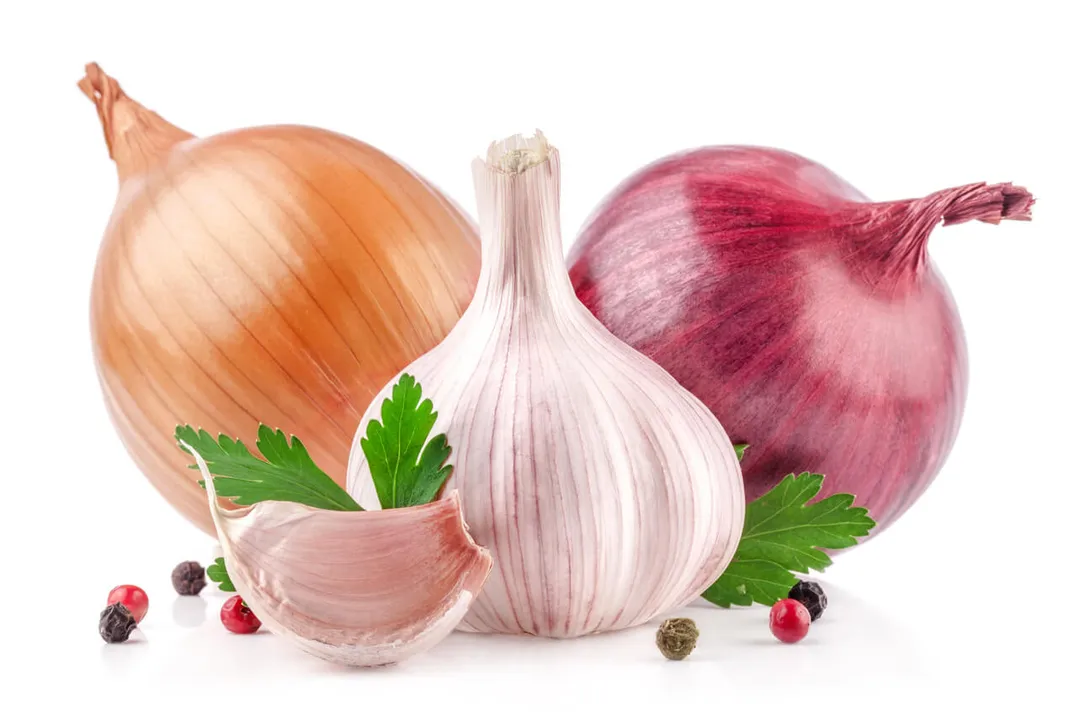
Regular garlic intake may help reduce the frequency of getting sick, particularly with common colds. [6] While large-scale human trials provide mixed results, observational evidence and smaller studies suggest that consistent consumption might reduce the number of sick days or the severity of symptoms experienced during respiratory infections. [1] Onions and garlic, as cousins, share some of these beneficial characteristics that support general wellness. [4]
# Cellular Protection
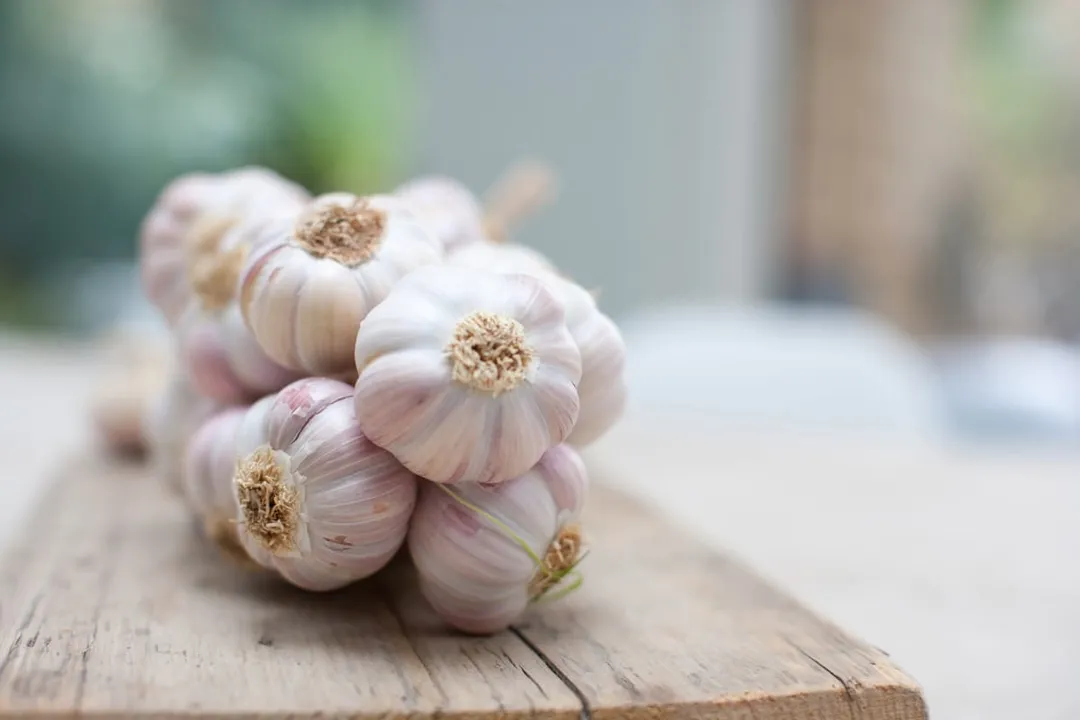
The protective qualities of garlic extend down to the cellular level, offering potential defense mechanisms against toxins and abnormal cell growth. [4]
# Heavy Metal Detoxification
In high doses, garlic supplements have demonstrated an ability to significantly reduce toxicity caused by heavy metals in the body. [1] Specifically, studies have shown that garlic can help lower lead levels in the blood, likely due to the sulfur compounds binding to the metals, aiding in their excretion. [3] This protective effect is sometimes noted in occupational settings where workers are exposed to such toxins. [1]
# Cancer Risk Modulation
While garlic is by no means a cure for cancer, its consumption has been associated with a lower risk of developing certain types of the disease. [4] Epidemiological research frequently points to a reduced risk for cancers of the stomach and colon among populations that regularly consume high amounts of Allium vegetables. [1][3] This protective association is thought to be linked to the compounds inhibiting cell proliferation and promoting cell death (apoptosis) in cancerous cells. [4]
# Bone and Physical Support
The benefits are not limited to internal systems; garlic also shows promise in supporting physical structure and performance.
# Skeletal Health
For women, particularly those navigating the post-menopause period, maintaining bone density is crucial. Garlic consumption has been suggested to increase estrogen levels in women, which may play a role in slowing down bone loss. [1][3] While more extensive research is needed to solidify this connection, the potential to positively influence bone health adds another dimension to garlic's value proposition. [3]
# Performance Enhancement
For those interested in physical stamina, garlic has been traditionally associated with improved physical performance. [1] While the exact mechanism isn't always clear, improvements in circulation and reduced oxidative stress could contribute to enhanced endurance during physical activity. [1]
Dietary Consistency Analysis: Many studies that show clear benefits often utilize high-dose, concentrated garlic supplements. For the average person relying solely on the whole food, achieving those high standardized therapeutic levels daily via diet alone can be challenging. A practical goal, supported by general dietary advice, might center on consistently incorporating at least one clove of freshly prepared garlic into the diet daily or near-daily. This consistent, moderate intake ensures a steady supply of sulfur compounds, promoting the chronic, low-level protective effects on blood pressure and immunity over time, rather than relying on sporadic large doses. [6]
# Using Garlic Effectively
Integrating garlic into your daily routine can be simple, but knowing the best ways to consume it enhances its potential impact.
# Raw vs. Cooked Balance
As established, raw garlic delivers the most potent dose of allicin. [1] Incorporating raw garlic into homemade vinaigrettes, salsas, or pestos, or sprinkling finely minced raw garlic over finished dishes like steamed vegetables or pasta just before serving, maximizes the immediate benefit. [5] However, eating only raw garlic can be harsh on the digestive system for some individuals. [3]
A balanced approach acknowledges that cooking is necessary for flavor and palatability for many recipes. While cooking reduces the allicin concentration, it does not eliminate all beneficial compounds. [1] Utilizing the 10-minute crushing rule mentioned earlier is a sound compromise when heat is unavoidable. [1]
# Combining with Honey
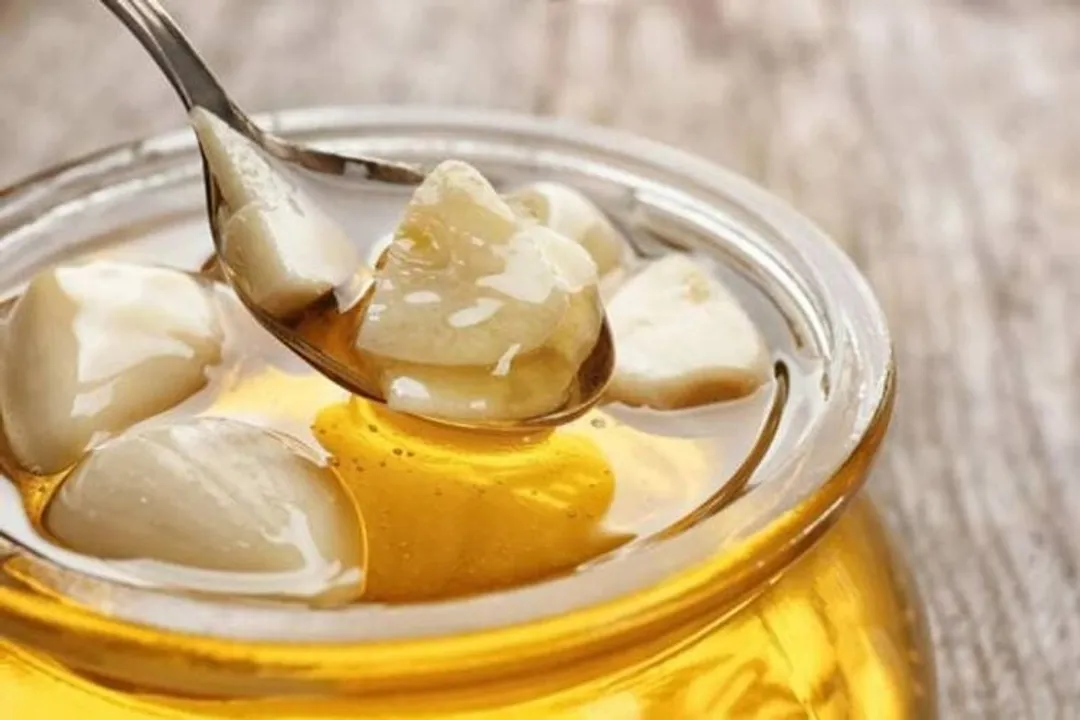
Garlic infused in honey is another traditional preparation method. [10] Honey itself possesses its own recognized soothing and antimicrobial properties. [10] Combining the two might offer a synergistic effect, potentially masking the strong flavor of raw garlic while providing a dual-action remedy, particularly useful when dealing with cold or flu symptoms. [10]
# Dosage Context
While there is no single universally mandated dose, typical recommendations in studies for general cardiovascular benefits often point toward the equivalent of one to two cloves of fresh garlic daily. [1] For individuals sensitive to the digestive upset raw garlic can cause, starting slowly—perhaps just half a clove—and observing the body's reaction is advisable. [3]
# Culinary Integration
Garlic is much more than a functional medicine; it is a cornerstone of global cuisine, enhancing flavor profiles in countless ways. [4] From slow-roasting whole heads until they are sweet and spreadable, to finely mincing them for a powerful stir-fry base, its versatility is unmatched. [4] Using garlic to season meals offers a delicious way to passively support cardiovascular and immune health without focusing solely on medicinal doses. [4][6]
Actionable Tip: The "Mince and Wait" Method for Cooking: If you are making a sauce or soup that requires simmering for an hour, don't simply toss in a whole clove. First, finely mince the required amount of garlic. Second, let it sit on your cutting board for 10 minutes. Third, add it to your pot just before the liquid comes to a simmer, or even better, add half the amount at the beginning and the other half (minced and rested) in the last five minutes of cooking. This two-stage approach ensures you capture some benefit from the allicin reaction before the main cooking process and benefit from the residual compounds released during the later addition. [1][5]
Ultimately, incorporating garlic into one's diet is an accessible, ancient practice supported by modern science across several key health domains, including heart health, immune defense, and protection against environmental stressors. [1][3][4] Its powerful effects stem from its sulfur compounds, making preparation a key factor in determining its immediate therapeutic impact. [5]
#Videos
Why You Should Be Eating Garlic EVERY DAY! - YouTube
Related Questions
#Citations
11 Proven Health Benefits of Garlic - Healthline
Potential Health Benefit of Garlic Based on Human Intervention ...
[PDF] Health Benefits of Garlic
How Onions and Garlic Can Boost Your Health
6 Garlic Benefits To Boost Your Health - Health Cleveland Clinic
Health Benefits of Garlic | Heart & Immune Support - Riverside Health
Why You Should Be Eating Garlic EVERY DAY! - YouTube
Exploring the health benefits of raw white garlic consumption in ...
Garlic - Uses, Side Effects, and More - WebMD
Garlic and Honey: Benefits and Uses | Vinmec