Health Benefits of Frisée
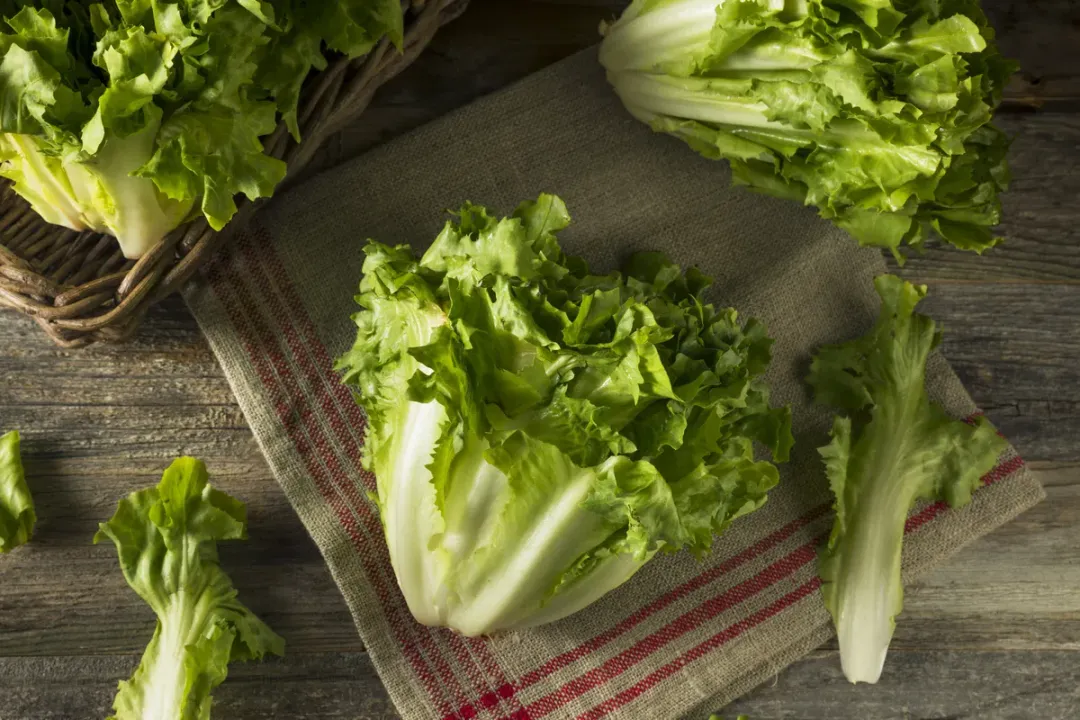
Frisée, scientifically known as Cichorium endivia var. crispum, presents a striking contrast in the produce aisle with its deeply serrated, curly leaves that transition from pale yellow or white at the core to vibrant green at the tips. This distinctive appearance hints at its complex flavor—a delightful dance between crisp texture and a signature slight bitterness. While often grouped with its relatives, endive and escarole, frisée carries centuries of culinary and traditional medicinal use, hailing from the chicory family. Moving past its attractive presentation, delving into its nutritional composition reveals why incorporating this exotic green into a regular diet can yield tangible health rewards.
# Bitter Structure

The physical characteristics of curly endive, or frisée, define both its appearance and its culinary approach. The leaves are characteristically narrow and possess a frilly, curly edge. The color gradient within a single head is notable: the outer leaves display a deep to pale green hue, while the inner, more protected stems are typically light yellow to white. This difference in color is often linked to flavor intensity, with the outer, darker leaves being slightly more bitter than the milder inner leaves. Generally considered the "tamest" of all the chicories when cultivated, frisée still maintains a satisfyingly crisp texture. Its structure allows it to be easily torn rather than chopped, which some find appealing for gentle handling in the kitchen.
# Key Nutrients
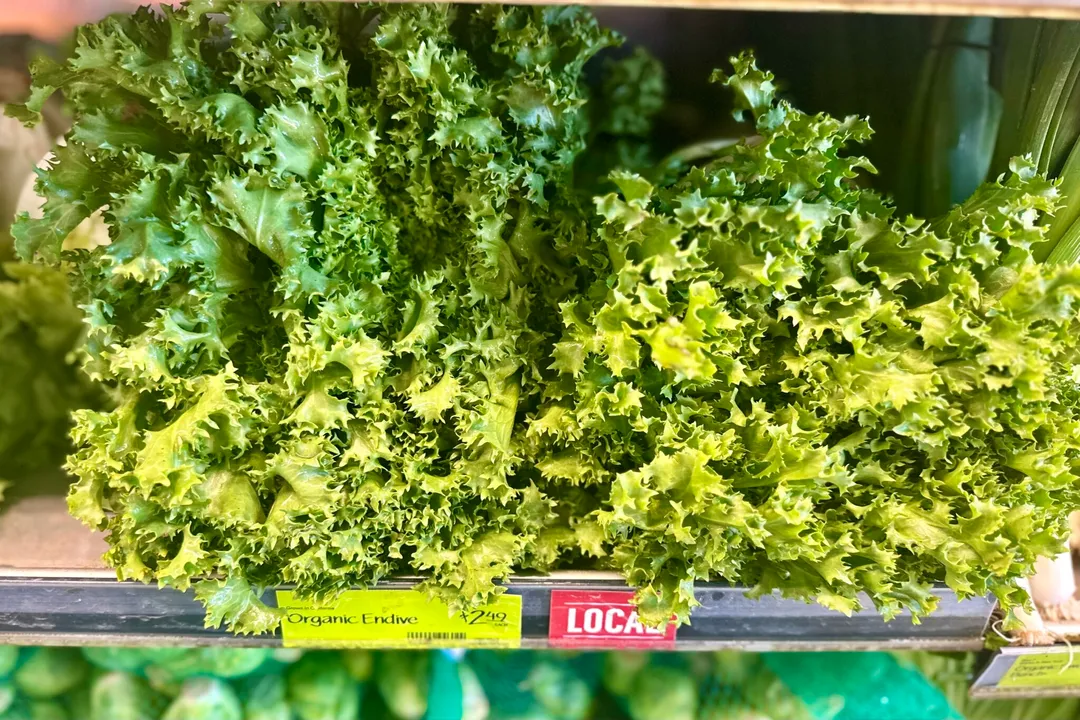
When assessing any leafy green, a look at its calorie count is often revealing. Frisée, like endive generally, sits very low on the energy scale, with one cup of chopped curly endive registering only about 7 calories. This low energy density, combined with a respectable nutrient profile, makes it a strong candidate for those seeking nutrient-rich, low-calorie additions to their meals.
The vegetable is particularly rich in several essential micronutrients vital for bodily functions. Among these are significant contributions of Vitamin K, Vitamin A, and folate. For instance, a half-cup serving of raw, chopped endive can supply roughly 72 percent of the recommended daily value for Vitamin K. It also contains high levels of potassium, an important mineral for fluid balance. Furthermore, the presence of beta-carotene, a precursor to Vitamin A, is substantial in endive varieties. Trace amounts of other important minerals like manganese, magnesium, iron, zinc, and copper are also present. Comparing the raw nutritional data across sources highlights minor variations, such as 2.2 grams of fiber per 100g from one report versus 3.1 grams of dietary fiber per 100g from another, but the consensus points toward a highly nutritious profile for its minimal caloric cost.
| Component (per 100g Raw) | Value (Approximate) | Key Role | Source(s) |
|---|---|---|---|
| Energy | 15 - 17 kcal | Low Calorie Density | |
| Dietary Fiber | 2.2 g - 3.1 g | Digestive Regularity, Satiety | |
| Vitamin K | $>50%$ DV (per 1/2 cup) | Bone Health, Blood Clotting | |
| Potassium | 425 mg | Blood Pressure Management | |
| Beta-carotene | 1130 mcg | Vision Health, Antioxidant |

# Bone Metabolism
The high concentration of Vitamin K in endive plays a significant role in supporting the structural integrity of the skeletal system. Vitamin K is critical because it assists in synthesizing proteins necessary for bone metabolism, specifically by increasing levels of a protein that helps anchor calcium within the bone matrix. By ensuring proper calcium utilization, adequate intake of this vitamin can be protective against bone loss and may help reduce the risk of fractures, a concern particularly relevant post-menopause. Moreover, the presence of calcium itself in endive contributes to overall bone maintenance. Working alongside Vitamin K in the clotting cascade, manganese is another mineral found in endive that supports bone formation.
# Gut Health
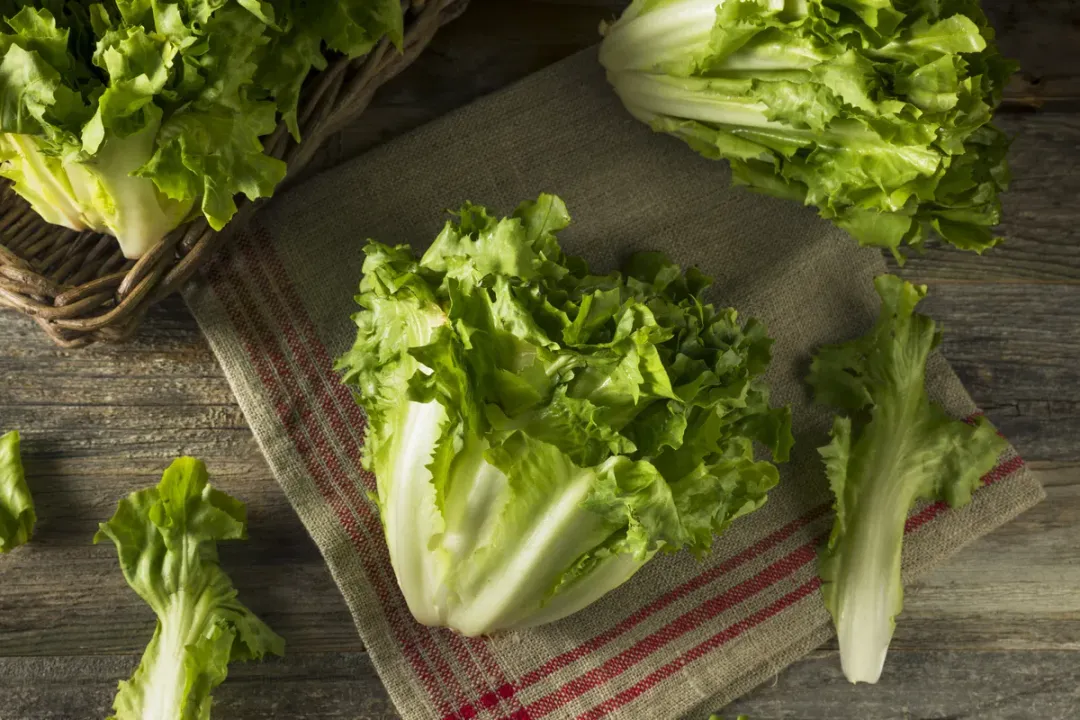
A major theme running through the benefits of endive is its positive influence on the digestive tract, largely due to its significant fiber content. Endive is rich in inulin, a type of prebiotic fiber. This specific fiber is not digested by the body itself; instead, it serves as nourishment for the beneficial bacteria residing in the gut. By feeding this "good flora," inulin helps balance the intestinal environment, potentially guarding against issues like diarrhea or intestinal infections. Additionally, the soluble fiber acts as a bulk-forming agent, which stimulates natural bowel movements and can combat constipation.
The fiber also contributes to weight management by slowing down the digestive transit time, which helps promote a feeling of fullness for longer periods, thereby controlling appetite. Furthermore, the fibers present in endive are noted for slowing down sugar absorption from food, which assists in stabilizing blood glucose levels. If you are focusing on enhancing satiety during meals, consider this: because frisée leaves offer substantial crunch and volume for very few calories, pairing a large, lightly dressed portion with a protein source ensures your stomach signals fullness sooner than if you had consumed a less texturally diverse meal.
# Free Radical Fight
Frisée and other endives are packed with phytonutrients and antioxidants that actively defend the body against cellular damage. These antioxidants work by neutralizing harmful free radicals, unstable molecules that contribute to aging and chronic disease development. Among the most potent compounds identified are the flavonoids quercetin, myricetin, and notably, kaempferol.
Kaempferol, in particular, has been studied for its properties that act as an antioxidant and anti-inflammatory agent. Research suggests this compound may inhibit the growth of certain tumor cells by inducing cell death in cancerous tissue while sparing healthy cells. It is also linked to protective effects for the heart and brain. Beyond these specific flavonoids, endive contains Vitamin C and caffeic acid, both recognized for their antioxidant and anti-inflammatory actions, helping to strengthen immune response cells against viruses and bacteria. This rich antioxidant profile can even extend to skin health, where these compounds fight free radicals that cause sagging and wrinkles, while Vitamin C supports essential collagen formation for firmness.
# Organ Function
The nutrients in endive contribute directly to the health of key internal systems, including the heart and liver.
# Heart Support
Cardiovascular benefits stem primarily from potassium, dietary fiber, and folic acid. Potassium is recognized as an effective mineral for stabilizing blood pressure because it helps facilitate the excretion of sodium through urine, thereby reducing tension in blood vessels. Simultaneously, the high fiber content contributes to a better lipid profile by binding to cholesterol within the intestines, preventing its absorption and aiding in its excretion, which can help lower LDL cholesterol and triglyceride levels.
# Liver Health
Endive is traditionally viewed as beneficial for the liver and gallbladder. It is considered a potent liver detoxifier due to its phenolic compounds. In traditional Chinese medicine, it has been used for liver issues. Animal model research has suggested that endive extract can help protect and preserve liver function by reducing markers of drug-induced damage and decreasing the buildup of scar tissue. From an Ayurvedic viewpoint, the bitter taste is associated with a cholagogue action, meaning it strongly stimulates the production and release of bile from the liver and gallbladder, which aids in fat metabolism and cleansing.
# Digestive Stimulant
The bitter taste in frisée is chemically attributed to a compound called intybin. While some modern palates may resist this quality, traditionally, bitters are valued as metabolic stimulants that encourage the production of digestive juices, including bile, thereby aiding overall digestion and nutrient assimilation. In Ayurvedic terms, endive has a bitter taste, which is associated with being cold, clear, light, and stimulating, increasing digestive enzymes and acting as a laxative and drying agent. This quality is excellent for pacifying Pitta (metabolic) and Kapha (anabolic) constitutions, which tend toward excess heat or sluggishness.
If you are new to bitter greens, instead of immediately overpowering the flavor, try incorporating only a small amount into a mix of milder greens, perhaps tossing it with sweet components like oranges or strawberries, as suggested by experts. For an even gentler introduction, remember that cooking greens in a fat source, such as butter or coconut oil, can significantly mellow that characteristic bitterness while simultaneously improving the absorption of fat-soluble vitamins. This strategic pairing allows you to benefit from the digestive stimulation without the initial shock of pure bitterness.
# Preparation Tips
Frisée's texture and flavor profile allow for considerable versatility in the kitchen, whether you prefer it raw or cooked. For raw preparations, such as salads, it is advised to add dressings containing acidic elements like lemon juice or vinegar only immediately before serving, as acidity can cause the delicate leaves to wilt prematurely. When cooking, the slight pungency softens wonderfully. Sautéing is a popular method; one suggestion is to wilt the greens briefly in a hot pan with olive oil and garlic, finishing with beans and lemon juice for a creamy side dish.
For optimal storage, treat frisée like lettuce: keep it unwashed in a waterproof container in the refrigerator, where it should last about ten days. Always rinse and pat dry right before use, discarding any leaves that become slimy or wilted, as these indicate spoilage. When thinking about balancing its inherent taste, remember that bitterness pairs beautifully with creamy, rich, or acidic flavors—think creamy dips, a vinaigrette, or balancing it with eggs or cheese in a cooked dish.
# Pregnancy Support
For expectant mothers, leafy greens like endive are powerful allies due to their specific nutrient density. Endive is a good source of folic acid (folate). Adequate intake of folic acid is crucial during pregnancy as it supports the proper synthesis of red blood cells and is essential for the development of the fetal neural tube, helping to prevent congenital disabilities. Beyond folate, the presence of Vitamin A, iron, choline, and calcium further contributes to the wholesome nutrition required for a healthy pregnancy and fetal growth.
# Potential Concerns
While endive is generally safe for most healthy adults when eaten in moderation, a few considerations warrant attention. As with any food, allergic reactions—though uncommon—can occur, manifesting as hives, rashes, or swelling. More importantly, due to its high Vitamin K content, individuals on blood-thinning medications like Warfarin must maintain a consistent, known intake of vitamin K-rich foods, as fluctuations can interfere with the anticoagulant effect of the medication. From the Ayurvedic perspective, because endive has cold and dry biocharacteristics, it may aggravate Vata constitutions, which are naturally prone to dryness or erratic metabolism. Therefore, for those with a Vata tendency, consuming it cooked with warming fats, rather than entirely raw, may help mitigate potential imbalances.
Related Questions
#Citations
[PDF] Health Benefits of Curly Endive
What Is Endive Good For? Benefits, Nutrition, Recipes - Dr. Axe
Frisee - Winterspring Farm
Endive: 10 Health Benefits, Nutrition & How to Eat (w/ Recipes)
Endive: Uses, Nutrition, Health Benefits And Side ... - Netmeds
How to Use Endive: Easy Recipes, Cooking Tips & Health Benefits
Endive Benefits (Ayurveda Insights) - Joyful Belly
CA Endive Farms's blog