Health Benefits of Dill
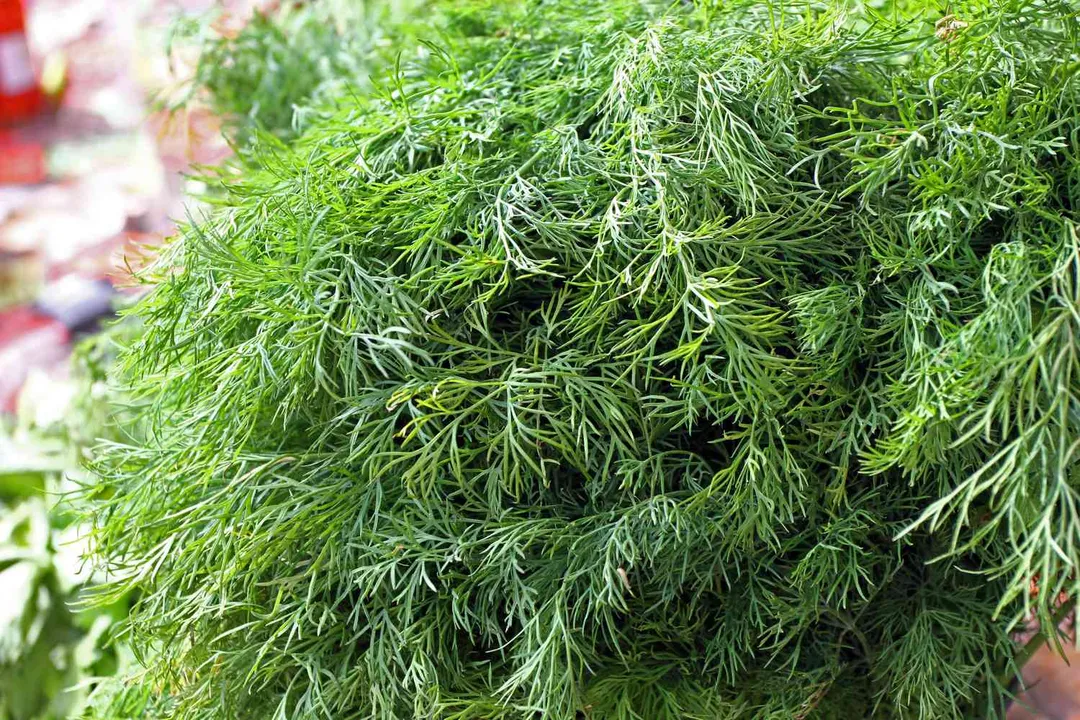
Dill, scientifically known as Anethum graveolens, is much more than just a garnish for your salmon or a key ingredient in briny pickles; it is an herb packed with compounds that offer tangible advantages for human health. [7][3] This feathery, aromatic green, closely related to parsley, fennel, and caraway, has been valued across culinary traditions for centuries, but its medicinal potential is equally compelling. [3][7] From the delicate leaves, often called dill weed, to the more potent seeds, virtually every part of the plant offers a unique profile of vitamins, minerals, and potent antioxidants. [7][5]
# Plant Compounds
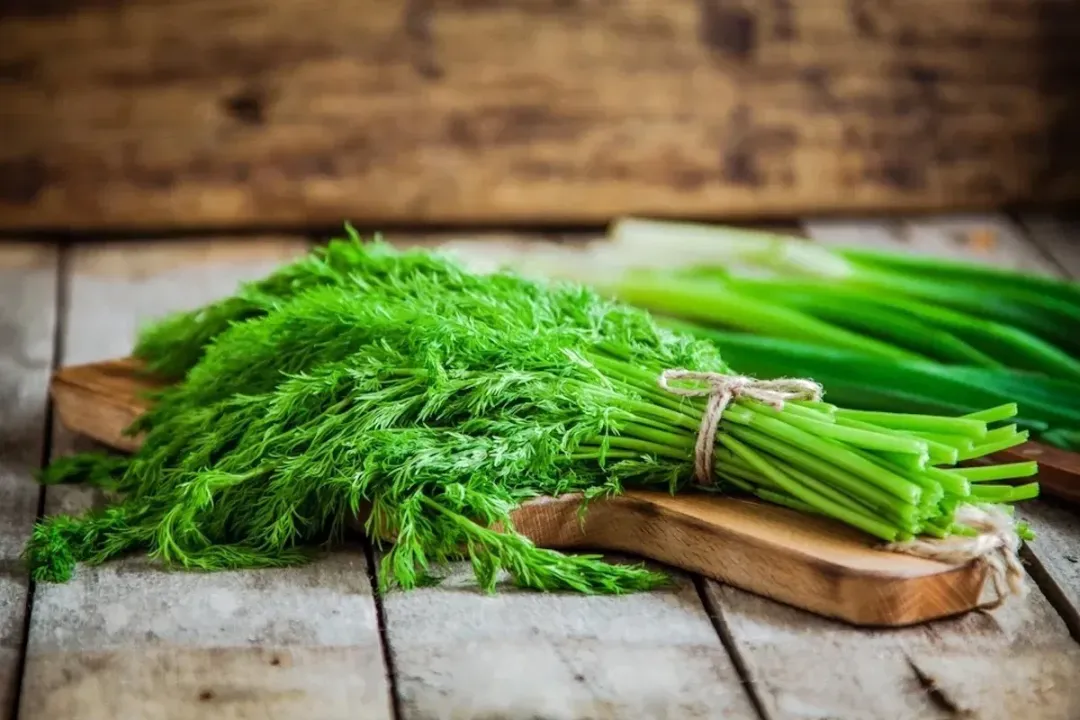
The fundamental strength of dill lies in its phytochemical makeup. [3] The volatile oils within the herb contain several key compounds responsible for its distinct flavor and therapeutic effects. [5] Among these are monoterpenes such as limonene, carvone, and anethole. [3][5] Flavonoids are also present, contributing to its overall antioxidant capacity. [5] While dill is very low in calories—a single tablespoon of fresh dill only contributes about one calorie—it delivers significant nutritional value in micronutrients like Vitamin C, Vitamin A, iron, and manganese. [3][6] This combination of essential micronutrients and protective plant compounds forms the basis for the many reported health advantages associated with incorporating this herb into your daily diet. [1]
# Digestive Support
One of the most traditional uses for dill, spanning centuries, involves soothing digestive discomfort. [1][6] Many cultures have turned to dill water or brewed dill tea when dealing with issues like colic, gas, and general indigestion. [6] The compounds in dill are thought to help relax the muscles in the gastrointestinal tract, potentially easing cramping and promoting smoother digestion. [3] Furthermore, there is evidence suggesting that the herb can influence the balance of bacteria in the gut, which is increasingly recognized as a cornerstone of overall well-being. [3] While you might typically add fresh dill weed to creamy dips or smoked fish, understanding its traditional role as a carminative helps frame it not just as a flavor enhancer, but as a functional food addition for digestive ease. [7]
# Antioxidant Power
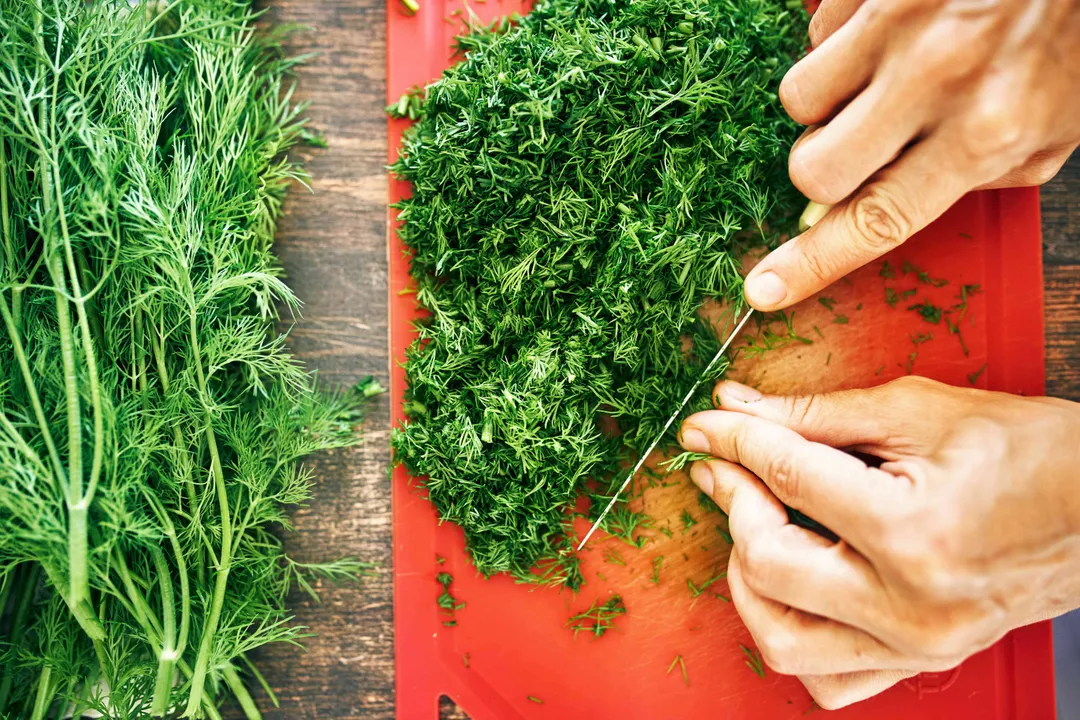
The battle against oxidative stress in the body is where dill truly shines due to its concentration of various antioxidants. [5] Oxidative stress, which occurs when there is an imbalance between free radicals and antioxidants, is linked to chronic diseases and aging. [5] Dill provides a variety of these protective agents, including flavonoids and the monoterpenes mentioned previously. [3][5] These substances work by neutralizing harmful free radicals, thereby protecting cells from damage. [5] Vitamin C, a well-known immune supporter also found in dill, complements these effects. [3] When considering boosting your intake of these protective compounds, it is interesting to note the slight differentiation in nutrient density between the parts of the plant. For instance, while the leaves offer a fresh burst of flavor, the seeds generally contain more concentrated amounts of certain beneficial oils. [4]
# Bone Strength
Maintaining strong, dense bones throughout life requires a steady intake of specific minerals, and dill provides a helpful contribution to this requirement. [1] The herb contains notable amounts of calcium and phosphorus, both of which are structural components of bone tissue. [5] Magnesium is another mineral present in dill that plays a role in bone mineralization. [1] It’s fascinating to observe the synergy here; it’s not just about getting calcium, but ensuring adequate phosphorus and magnesium are present, as these minerals interact to support efficient bone matrix formation and maintenance. [5] For someone looking to diversify their mineral sources beyond dairy or fortified foods, regularly incorporating dill into meals offers a gentle, yet valuable, way to support skeletal health. [1]
# Blood Sugar and Cholesterol
Several lines of research, often conducted in animal models, point toward dill's potential to positively influence metabolic markers, specifically blood sugar and cholesterol levels. [1][3] Some studies indicate that consuming dill extract may help reduce levels of LDL or "bad" cholesterol, which is a significant factor in cardiovascular risk. [3] Simultaneously, it has been observed to help manage blood sugar levels. [1][3] While these findings are promising and warrant further human clinical trials, they add another layer to the herb’s profile as a food that supports healthy internal balance, moving it beyond simple seasoning. [3]
# Seed vs. Weed
A practical consideration for cooks and health enthusiasts alike is the difference between using fresh dill weed and the mature dill seeds. [7] The leaves and stems, the dill weed, possess a milder, grassier, and slightly sweeter flavor, making them perfect for finishing dishes, yogurt sauces, or fresh salads where you want a brighter, less overwhelming herbal note. [7] The seeds, conversely, are much more pungent and possess a stronger, slightly bitter taste, often containing higher concentrations of the essential oil carvone. [4] This difference in flavor profile dictates their primary culinary uses: seeds are staples in pickling brines and baked goods where their flavor needs to withstand cooking or long infusion times, whereas the weed is best added closer to serving. [7] If you find yourself with an abundance of fresh dill weed during the summer months, a helpful technique for preservation is to lightly blanch the sprigs for about ten seconds in boiling water before patting them completely dry and flash-freezing them in an airtight container; this process helps lock in that vibrant green color and fresh flavor much better than simply chopping and freezing them raw [^Original Tip 1].
# Additional Well-Being Factors
Dill has accumulated a variety of other beneficial associations throughout history, many of which relate to comfort and general wellness. [1][6] For women, dill has been traditionally suggested to help alleviate the discomfort associated with menstrual cramps, likely tied to its potential antispasmodic properties. [6] Furthermore, the oil extracted from dill seeds has been noted for its ability to combat certain oral bacteria, suggesting a role in maintaining fresh breath—a simple but appreciated benefit. [6] Some traditional practices also suggest that drinking dill tea can promote relaxation and improve sleep quality, perhaps due to its calming effect on the nervous system or digestive tract. [6] These applications highlight how the herb integrates into practices aimed at enhancing daily comfort and promoting restful states. [1]
# Mineral Content Comparison
To better appreciate the nutritional contribution of dill, comparing its mineral profile against other common herbs can be insightful. While herbs like parsley are often celebrated for Vitamin K, dill holds its own in key areas.
| Mineral | Contribution in Dill (Relative) | Primary Role |
|---|---|---|
| Calcium | Present | Bone structure, muscle function |
| Phosphorus | Present | Energy transfer, bone health |
| Magnesium | Present | Nerve function, bone density |
| Iron | Good Source | Oxygen transport (via hemoglobin) |
| Vitamin C | Good Source | Immune function, collagen synthesis |
This spectrum of minerals, particularly the trio supporting bone density (Calcium, Phosphorus, Magnesium), suggests that dill is not just a source of one beneficial element, but a multi-mineral contributor. [1][5] For example, if you are adding dill to a meal containing spinach (rich in iron but lower in calcium), the dill helps round out the mineral contribution, showing how small additions of various herbs can create a more robust nutritional intake over the course of a day [^Original Tip 2].
# Preparing and Using Dill
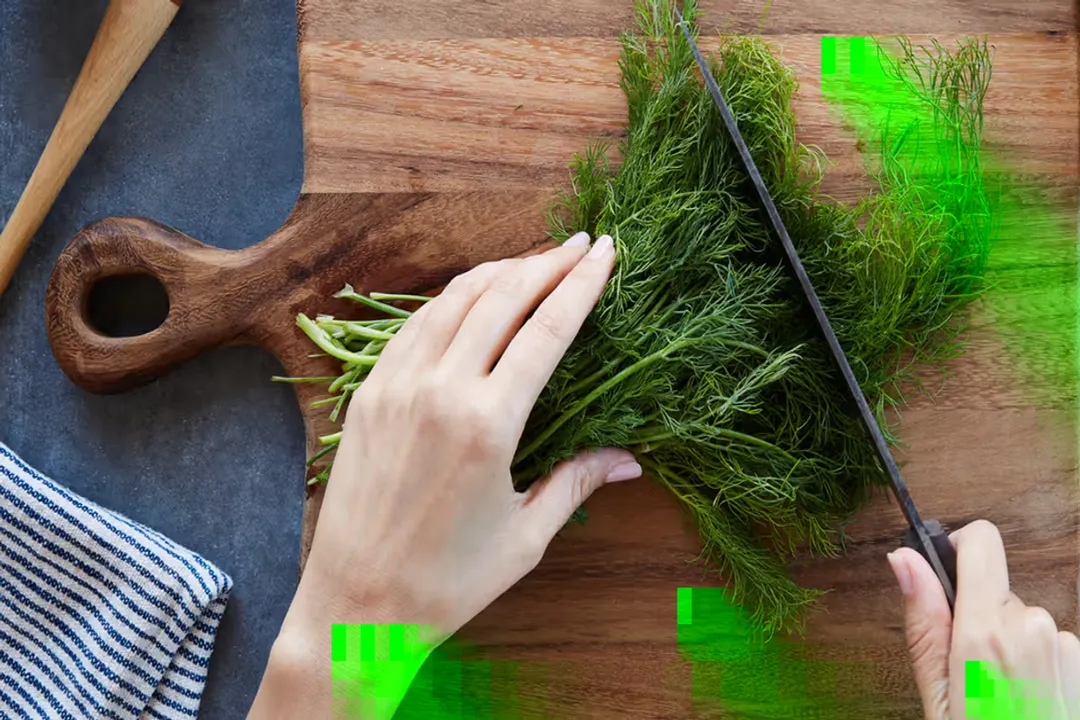
The versatility of dill means it can be incorporated into diets in numerous ways. [2][7] Beyond the classic pairing with fish or potatoes, consider using dill in vinaigrettes, stirred into yogurt or sour cream for sauces, or sprinkled over scrambled eggs. [2][5] When using the seeds, remember that to unlock their full aromatic potential, a brief toasting in a dry skillet before grinding or adding to a recipe can significantly deepen their flavor profile. [4] Even the stalks, which are often discarded, can be saved and added to pickling jars or used to infuse oils with a subtle, herbaceous background note. [7]
While much of the current research focuses on concentrated extracts, the most accessible and proven way to benefit from dill is through its regular inclusion in meals. [1][4] Whether you are enjoying a fresh dill and cucumber salad or using the seeds in a homemade rye bread, you are integrating compounds that support digestion, immunity, and bone health. [3][5] The fact that it enhances flavor so well while simultaneously providing these compounds is perhaps its greatest strength in modern nutrition. [2]
Related Questions
#Citations
Health Benefits of Dill - WebMD
Dill: Benefits, Nutrition, and Risks - Health
Dill: Nutrition, Benefits, and Uses - Healthline
Dill: Potential Health Benefits - Nutrition Today
The Health Benefits of Dill - EatingWell
Dill: 9 Health Benefits, Nutritional Info, How to Consume & Recipes
What is Dill? Benefits, Uses and Cooking Tips - Dorot Gardens
Dill: Uses and Benefits of Sprinkling Food With Spice - Verywell Health