Health Benefits of Chives
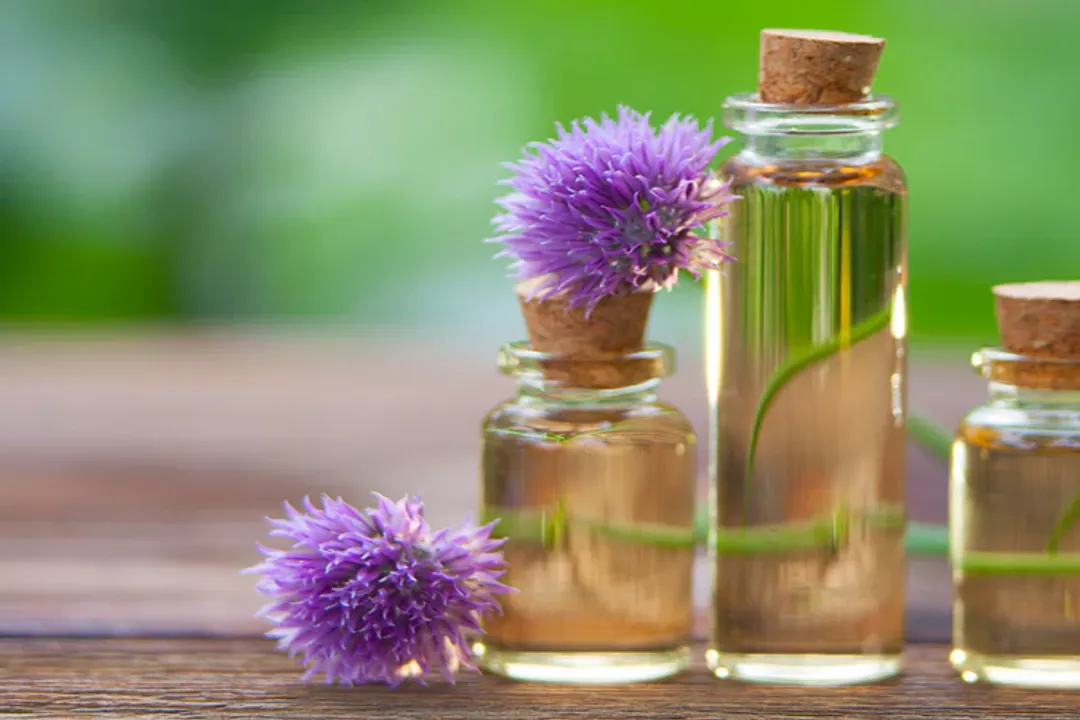
Chives, those delicate, hollow green stalks often mistaken for ornamental grass, are far more than just a garnish to sprinkle over baked potatoes or sour cream. They possess a surprisingly potent nutritional profile packed into their mild, oniony flavor, offering distinct advantages for overall health when regularly incorporated into the diet. As members of the Allium family, sharing lineage with onions, garlic, and leeks, chives carry many of the beneficial sulfur compounds and phytonutrients associated with this group, yet they do so with a much gentler taste that appeals to a wider palate (). Their ease of cultivation and minimal preparation requirements make them an accessible way to enhance the nutrient density of nearly any savory dish ().
# Nutrient Profile
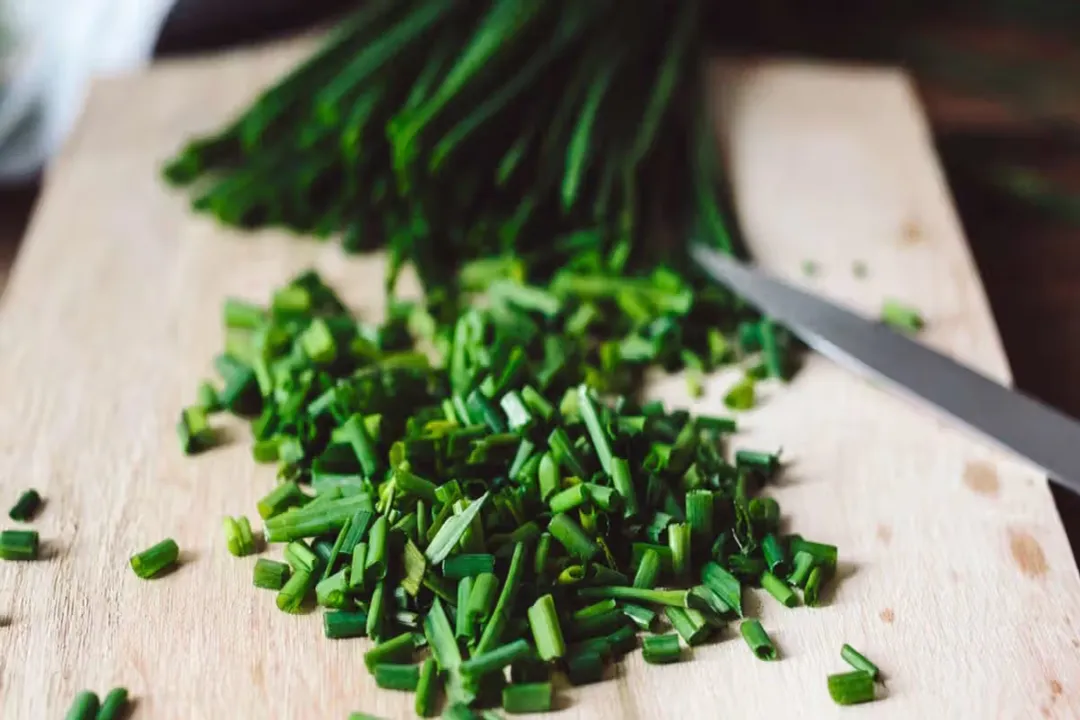
The nutritional density of chives is quite high relative to their low calorie count, making them an excellent choice for adding vitamins and minerals without significantly altering the caloric balance of a meal (). A significant contribution comes from Vitamin K, which chives supply in substantial amounts ([7][8]). Vitamin K is essential for processes related to blood clotting and proper bone metabolism ().
Beyond Vitamin K, chives serve as a worthwhile source of several other micronutrients. They contain Vitamin A, necessary for vision and immune function, and Vitamin C, a well-known antioxidant (). Minerals present in these greens include iron, which is vital for oxygen transport in the blood, and potassium, which plays a role in fluid balance and nerve signaling ([8]). Furthermore, they provide Manganese, a mineral important for enzyme activation throughout the body (). Analyzing their composition, it becomes clear that the small volume of chives used in cooking translates to a concentrated dose of these essential elements ().
If you are looking to boost your daily intake of Vitamin K without relying heavily on animal products or large servings of cruciferous vegetables, incorporating a quarter-cup serving of fresh, chopped chives several times a week can make a noticeable difference in meeting recommended daily allowances (). This is particularly relevant in colder months when fresh vegetable diversity often decreases, making these year-round herbs an important supplement to the standard diet ().
# Potent Antioxidants
One of the most compelling aspects of chive consumption lies in their array of phytochemicals and antioxidants (). These compounds are the plant's defense mechanism, and they offer protective benefits to the human body by counteracting oxidative stress (). Specifically, chives are noted for containing significant levels of the flavonoids Quercetin and Kaempferol ().
Quercetin, in particular, is a widely studied antioxidant that exhibits anti-inflammatory properties ([5]). By helping to neutralize free radicals—unstable molecules that can damage cells and contribute to chronic disease development—these compounds contribute to long-term cellular health ([5]). While many herbs contain these flavonoids, the bioavailability and concentration within chives suggest they are a practical, easy source for dietary integration (). The synergy between various phytonutrients present, rather than a single compound, is often what provides the overall benefit ().

# Cardiovascular Support
The health benefits of chives extend notably to the circulatory system, primarily through their mineral content and antioxidant activity ([7]). The presence of potassium in chives is beneficial because this mineral helps to regulate blood pressure by balancing the negative effects of sodium in the diet (). Maintaining healthy blood pressure is a key component of reducing the overall strain on the heart and blood vessels ().
Furthermore, the antioxidants found in chives, such as Quercetin, contribute to vascular health by promoting flexible and healthy blood vessel linings ([5]). While garlic often gets the spotlight for heart benefits in the Allium family due to compounds like allicin, chives offer a gentler, yet still valuable, support system based on different mechanisms like Vitamin K’s role in arterial health and potassium’s circulatory influence ([7]). Think of chives as providing consistent, background support for the cardiovascular system rather than a single, powerful intervention ().
# Bone Health Contribution
The role of Vitamin K in bone maintenance cannot be overstated, and this is where chives offer a critical dietary component (). Vitamin K is necessary for the synthesis of several proteins involved in bone mineralization, most notably osteocalcin. [2] Osteocalcin helps bind calcium within the bone matrix, essentially anchoring the structure that gives bones their strength and rigidity. [2]
Deficiencies in Vitamin K have been linked to an increased risk of fractures, making its steady intake important throughout life, especially as one ages ([2]). When considering dietary sources, many people focus on green leafy vegetables like spinach or kale. However, chives provide a concentrated source that can be added easily to meals without adding bulk or strong flavor profiles that might clash with other ingredients (). For instance, adding a tablespoon of chopped chives to an omelet provides a significant micronutrient boost specifically targeted at bone matrix development ().
# Digestive Function
As a member of the Allium family, chives contain beneficial compounds that positively influence the digestive tract ([9]). They provide dietary fiber, which is necessary for promoting regular bowel movements and maintaining gut motility ([7]). Moreover, the sulfur-containing compounds inherent to this vegetable group are known to interact with gut microbiota, potentially supporting a healthier balance of beneficial bacteria ().
The mild nature of chives often means they are well-tolerated, even by individuals sensitive to the stronger, more pungent sulfur compounds found in raw garlic or onions (). This makes them a superb way to introduce prebiotic-like support into the diet without causing gastric upset (). Using them as a fresh topping on fermented foods, like sauerkraut or yogurt-based dips, can create a beneficial interaction, supporting existing healthy flora while adding flavor ().
# Immune System Support
The immune system relies heavily on specific vitamins and antioxidants to function optimally, and chives deliver on both fronts (). The presence of Vitamin C directly supports various cellular functions within the immune response, helping the body defend against common pathogens ().
When combined with the general action of flavonoids like Quercetin, which possess anti-inflammatory and antioxidant capabilities, chives contribute to a reduction in systemic inflammation (). Chronic, low-grade inflammation can tax the immune system over time. By providing regular doses of these protective compounds through food, chives help keep the body’s defenses prepared and balanced ().
# Maximizing Chive Benefits in the Kitchen
While the nutritional profile is impressive, how one uses chives significantly impacts the actual health benefit received. Chives are typically added toward the end of the cooking process or used raw, and this practice is scientifically sound (). Many of the beneficial compounds, particularly Vitamin C, are sensitive to heat and can degrade when exposed to prolonged high temperatures ().
For instance, if you are making a soup or sauce that simmers for a long time, reserving the chopped chives to stir in just before serving will preserve a higher concentration of heat-sensitive nutrients (). Similarly, using them as a fresh garnish on roasted vegetables or grilled fish ensures you receive the maximum impact from their antioxidant content (). It is a simple modification: cook the main components, then finish with the fresh herb for flavor and nutrition (). Furthermore, since chives have a milder flavor than their cousins, you can often use a larger quantity of them in one sitting (for example, mixing a quarter cup into a serving of mashed root vegetables) without overpowering the dish's taste profile, which increases the overall nutrient load per serving ().
# Comparison with Other Alliums
It is instructive to compare chives with other common Allium vegetables to appreciate their unique niche. Garlic is famed for its allicin content, which is highly potent but often requires crushing or chopping and minimal heating to unlock its peak effect (). Onions offer a good balance of sulfur compounds and fiber, but their flavor profile is much stronger and dominates many dishes ().
Chives, in contrast, sit at the milder end of the spectrum (). They offer many of the same types of healthy compounds—sulfur derivatives and flavonoids—but in a form that allows for much greater volume in raw applications without introducing sharpness ([7]). This makes them superior for recipes where a subtle onion essence is desired, like in fresh dips, light vinaigrettes, or sprinkled over salads where raw garlic might be too aggressive (). Their primary advantage in a diet focused on consistent intake is their ease of use and subtlety, meaning people are more likely to consume them frequently without altering their established cooking patterns ().
# Conclusion
From supporting the machinery of blood clotting through Vitamin K to protecting cells via antioxidants like Quercetin, chives prove that flavor and function are not mutually exclusive ([2][5]). They offer a convenient, low-calorie way to elevate the nutritional standard of everyday meals, whether tucked into omelets or scattered over grains ([8]). Recognizing their mineral contributions, especially potassium for circulatory health, alongside their vitamin payload, solidifies their place as a valuable addition to any kitchen pantry ([7]).
Related Questions
#Citations
Chives: Health Benefits, Nutrients, Preparation, and More - WebMD
Chives: Nutrition, benefits, and how to use - Medical News Today
Chives - Area 2 Farms
Why Are Chives Considered a Treasure Chest of Vitamins?
Why Chives Are Good for You: Exploring the Benefits of This Flavorful
Chives | Health Benefits & Cooking Tips - Field Doctor
What Are Chives Good For? Benefits, Use, Recipes, More - Dr. Axe
Chives: The Astonishing Health Benefits Of This Nutrient-Dense ...
Chives – The allium aphrodisiacs which might put you in the mood!